

Bicycle headphones need to do a tricky job: stay comfortable, keep your ears aware of the road, and hold steady through sweat, bumps, and long miles. Some riders want open-ear bone conduction for traffic awareness, while others care more about call clarity, battery life, or a snug sport fit for indoor sessions and weekend rides.
The ten picks below cover that spread. You’ll see open-ear designs, in-ear sport buds, and a communication-focused option for group cycling, so you can match the style to your routes instead of forcing one setup to do everything.
Quick Look at the Shortlist

DEMICEA Open Ear Sport Headphones

SHOKZ OpenMove Open-Ear Bluetooth Sport Headphones

Sena BiKom 20 Ultimate Cycling Communication System

LEVN Open Ear Headphones
Gelecek Waterproof Open-Ear Bone Conduction Headphones

JOYWISE Bluetooth Headphones 16H Playtime

JOYWISE Bluetooth Headphones Wireless Earbuds 16H Playtime
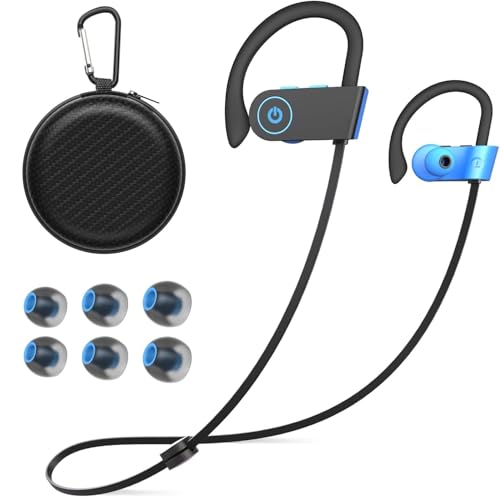
JOYWISE Bluetooth Headphones 16H Playtime Blue
Bone Conduction Headphones Bluetooth 5.4 Wireless Open-Ear Headphones

Joy Open-Ear Headphones Wireless Bluetooth 5.4 Earbuds
More Details On Our Top Picks
DEMICEA leans hard into versatility, which is rare enough to matter here. You get open-ear bone conduction, on-device 32GB MP3 storage, Bluetooth 5.3, and an IP68 rating for dust and water resistance. That mix suits long rides, pool sessions, and gym work without asking you to carry a phone every time.
The honest trade-off is that packed feature sets can feel busier than a simple ride headset. Still, for commuters who want awareness outdoors and standalone music during training, this one covers a lot of ground.
Strong Points
- 32GB storage lets you leave your phone behind for stored playlists on training days.
- IP68 protection suits sweat, rain, and harsher outdoor use better than lighter water-resistance ratings.
- Bone conduction keeps your ears open, which helps with traffic-heavy rides and group workouts.
- Bluetooth 5.3 gives you modern wireless pairing for everyday sport use.
Things To Consider
- Feature depth can feel more complex than a basic earbud setup.
- Swimming suitability depends on the whole design, so music storage matters more than streaming here.
- Open-ear sound usually leaks more than sealed in-ear styles in quiet spaces.
Feature Snapshot
Who It Suits Best
You benefit most here if you split time between road riding, gym sessions, and standalone music playback.
Where A Sibling Pick Shines
SHOKZ OpenMove Open-Ear Bluetooth Sport Headphones suit a rider who wants a simpler open-ear setup without the built-in player.
This is the clean, familiar open-ear route for riders who want less fuss and more consistency. Compared with DEMICEA’s feature stack, the SHOKZ OpenMove keeps the focus on sport audio and everyday comfort rather than onboard storage or swim-first flexibility.
That narrower scope is useful, especially for daily commutes and mixed walk-bike routines. You may find it easier to live with than a more crowded design, though the open-ear format still asks you to accept lighter bass and some sound leakage.
What We Like
- Open-ear styling keeps your ear canal clear during road use.
- Simple wireless sport design feels easy to carry and easy to wear.
- Shokz has a long track record in this category, which helps with confidence around fit and finish.
Room For Improvement
- Less feature depth than the DEMICEA pick.
- Open-ear listening usually brings less isolation in loud indoor spaces.
- Sticker pack extras add little practical value for most riders.
Core Details
Right Fit For
Daily cyclists and runners who want a dependable open-ear headset without extra onboard media features fit this one well.
Another Choice May Suit
DEMICEA Open Ear Sport Headphones suit you better if local music storage matters more than a stripped-back sport profile.
Group riders will notice the difference fast, because this one is built around communication first. At 20 grams, it stays unusually light, and the 0.5-mile range with up to 7 hours of talk time gives it a clear purpose on paced rides, club loops, and ride leader duties.
Compared with the music-first entries above, Sena BiKom 20 is less about soundtrack and more about clear back-and-forth. The catch is that this very specific focus won’t suit everyone, though riders who lead or follow in groups may find it exactly right.
Positives
- 20-gram weight helps keep helmet wear simple and unobtrusive.
- Half-mile communication range suits riding partners spread across open roads or trails.
- Up to 7 hours of talk time covers long club outings for many cyclists.
- Six communication channels support larger ride groups.
- Noise control helps your voice carry better in busy surroundings.
Points To Note
- Purpose-built communication tools are narrower than general music headsets.
- Talk-time focus matters more than music playback for this setup.
- Some riders will want a second device for entertainment on solo rides.
Spec Overview
Who Should Grab It
You benefit most here if your rides are social, coordinated, or guided and you care more about voice contact than music playback.
Swap It Out When
SHOKZ OpenMove Open-Ear Bluetooth Sport Headphones make more sense for solo riders who want a simpler music-forward setup.
LEVN sits in that useful middle ground where the spec sheet is practical rather than flashy. The 14-hour battery life stands out for longer training blocks, and Bluetooth 5.3 keeps it current for riders who want something they can wear across commutes, gym sessions, and weekend spins.
Compared with the Sena BiKom 20, this one is much more music-oriented and less specialized. You may find the open-ear fit easier to live with than sealed earbuds during warm-weather rides, though that style still gives up some isolation in noisy traffic.
Upsides
- 14-hour battery life covers long days better than several shorter-runtime picks.
- Open-ear design helps keep you aware of traffic and trail sounds.
- Built-in mic supports calls and ride check-ins without extra gear.
- Bluetooth 5.3 is a modern, familiar connection standard.
Worth Noting
- Open-ear sound is less private than in-ear listening.
- It lacks the onboard music storage found on the DEMICEA pick.
- At busy intersections, some riders will still prefer more isolation.
Details At A Glance
Made For
You’ll get the most from this headset if you want a long-wearing open-ear option for mixed sport use.
Reach For A Different Pick When
Gelecek Waterproof Open-Ear Bone Conduction Headphones make a better match for riders who want a more compact-feeling bone conduction setup.
Gelecek keeps things light and direct, which works well for riders who want a straightforward open-ear build. Bluetooth 6.0 gives it a newer connection label than several picks here, and the 10-hour battery is enough for most training windows without feeling overbuilt.
That said, the simpler feature set means you are paying for focus, not extras. Compared with LEVN, this one feels more trimmed down, so it suits anyone who values compactness and easy wear more than longer runtime.
Reasons To Buy
- Open-ear bone conduction keeps the ear canal clear on the move.
- Bluetooth 6.0 brings a newer wireless standard to the category.
- 10-hour battery life covers many daily rides and hikes.
- Ultra-light construction helps reduce head fatigue during longer sessions.
Softer Spots
- Shorter battery life than LEVN’s 14-hour runtime.
- Less feature depth than DEMICEA’s storage-heavy setup.
- Open-ear sound will not isolate noisy streets very well.
Feature Rundown
The Right Fit
You’ll like this best for commuting, trail running, or light cycling where keeping ears open matters more than feature depth.
Look Elsewhere When
LEVN Open Ear Headphones suit you better if longer battery life sits higher on your list.
JOYWISE takes the more traditional in-ear route, which is a sensible choice for riders who want a tighter seal and a more familiar sport earbud shape. The 16-hour playtime gives it enough stamina for repeated gym visits or a full week of shorter rides without feeling fussy.
Compared with the open-ear models above, this one gives you more sound focus but less outside awareness. That trade-off makes sense for stationary bikes, treadmills, and low-traffic routes, though it’s less natural for busy streets.
Best Bits
- 16-hour playtime is strong for a budget-friendly sport earbud.
- IPX7 protection handles sweat and heavy moisture better than lighter splash resistance.
- In-ear fit can feel more isolating than open-ear designs.
- Mic support helps with calls and voice prompts during workouts.
Minor Gripes
- In-ear sealing can feel less airy than open-ear cycling options.
- Quiet rooms may reveal more sound leakage than you expect from sport earbuds.
- Color-specific naming means availability can feel a little scattered.
Core Details
Whose Shelf It Belongs On
This fits budget-conscious exercisers who want a straightforward in-ear sport headset for indoor workouts and calmer routes.
Where Another Pick Shines
Cevinily Bone Conduction Headphones suit outdoor cyclists better, since the open-ear format keeps more ambient sound in play.
This red JOYWISE variant follows the same sport-earbud playbook as the pink version, but it suits shoppers who want a more visible colorway. The 16-hour runtime and IPX7 rating still make it practical for gym bags, locker rooms, and quick day-to-day rides.
Compared with the open-ear entries, it trades road awareness for a more familiar sealed fit. That makes it a better match for indoor exercise or quieter paths, and the color choice adds a little personality without changing the core setup.
Highlights
- 16-hour playtime keeps charging needs modest.
- IPX7 rating supports sweaty sessions and damp conditions.
- Sport earbud shape helps create a more anchored feel than loose casual earbuds.
- Red finish gives the headset a stronger style cue.
Areas To Watch
- Sealed earbuds reduce ambient awareness compared with open-ear bicycle headphones.
- Best suited to calmer routes than heavy traffic.
- Color-only differences mean the fit profile stays the same as other JOYWISE variants.
Spec Overview
Best Suited To
You’ll appreciate this most if you want a simple sealed earbud for exercise sessions, especially indoors.
Where Shoppers Go Wrong
Choose Cevinily Bone Conduction Headphones instead if you want more road awareness for outdoor cycling.
The blue JOYWISE edition is mostly about color preference, but that still matters in the real world. You get the same 16-hour playtime and IPX7 protection as the other JOYWISE versions, so it works as a dependable everyday sport headset with a softer visual profile than the red one.
It sits in the same lane as the pink model, just with a different finish. That makes it easy to recommend for anyone who already knows they like in-ear sports headphones and wants a calmer look in the gym.
Positives
- 16-hour battery life supports routine training without frequent top-ups.
- IPX7 rating is useful for sweaty workouts and weather changes.
- Blue finish offers a quieter look than the red variant.
Small Caveats
- Performance is essentially the same as the other JOYWISE color options.
- In-ear design is less open than bicycle headphones built for road awareness.
- Best suited to gym use and calmer outdoor routes.
Details At A Glance
Who Will Love This
This suits you best if you want the JOYWISE formula in a calmer color and plan to use it mainly for exercise.
Skip It When
Gelecek Waterproof Open-Ear Bone Conduction Headphones make more sense for riders who want a more open listening style outdoors.
Cevinily is the clearest open-ear choice among the more straightforward sport sets here. Bluetooth 5.4 is current enough for day-to-day pairing, and the IPX5 sweatproof rating gives you basic protection for exercise and warm weather rides.
The built-in microphone and 12-hour battery life make it a practical compromise for cyclists who want hearing awareness without moving into the more expensive communication-heavy lane. Compared with the SHOKZ and DEMICEA picks, it feels less feature-loaded but easier to approach.
Bright Spots
- Open-ear bone conduction keeps ambient sound in play while riding.
- Bluetooth 5.4 gives you a newer wireless standard than several budget sport sets.
- 12-hour battery life supports long weekends and repeat sessions.
- Microphone support adds usefulness beyond music playback.
Honest Caveats
- IPX5 is useful for sweat, but it sits below the tougher ratings on some other picks.
- Sound isolation stays low, which is normal for open-ear bicycle headphones.
- Music lovers who want fuller bass may prefer a sealed earbud instead.
Technical Sheet
Built With In Mind
You’ll like this most if you ride outdoors and want open-ear comfort without moving into a more specialized communication system.
A Better Fit Elsewhere
Sena BiKom 20 Ultimate Cycling Communication System suits group riders better, especially when voice communication matters more than music.
Alpsnd’s Joy model takes a different route with an earhook-style open-ear fit, so it feels more secured around the ear than a loose bud. The combination of Bluetooth 5.4, ENC for clearer calls, app-based EQ, and 40 hours of battery life gives it broad appeal for commuters, walkers, and casual cyclists.
It is the most app-friendly pick in the list, which makes it attractive for people who like tuning sound instead of living with a fixed profile. The trade-off is IPX4 protection, so it’s better for light sweat and regular use than harsher weather or very wet rides.
Plus Points
- 40-hour battery life is far longer than most picks in this roundup.
- App EQ gives you sound-shaping control for different playlists and podcasts.
- ENC call processing helps voice calls sound cleaner in noisy settings.
- Earhook design improves the sense of stability during movement.
Areas To Watch
- IPX4 is lighter protection than the sweat-rated sport models above.
- Open-ear earhooks still let in plenty of outside sound.
- App features add flexibility, but they also add one more thing to set up.
Feature Card
Perfect Match For
You’ll get the most from this one if you want long battery life, app tuning, and a secure earhook fit for everyday movement.
Consider Something Else When
DEMICEA Open Ear Sport Headphones are the better match for swimmers or riders who want onboard music storage.
How To Choose The Right Bicycle Headphones
Start With Listening Style
Open-ear bone conduction keeps your ear canal clear, so it suits road cyclists, commuters, and anyone who wants traffic awareness. In-ear sport earbuds seal more tightly and usually feel better for bass, gym sessions, or quieter routes.
The trade-off is simple, awareness versus isolation. For urban riding, that difference matters more than flashy extra features.
Match Battery Life To Your Routine
Battery numbers matter only in relation to how you ride. A 10 to 16 hour headset fits most daily use, while longer runtimes help if you forget charging or stack rides with workouts.
Built-in storage changes the equation too, because it lets you listen without carrying a phone. That helps on wet rides, swim training, or days when you want fewer things in your jersey pocket.
Check Fit, Mounting, And Weather Resistance
Helmet compatibility and earhook pressure shape comfort more than many shoppers expect. Lightweight frames help on longer rides, but a headset that shifts under motion gets annoying fast.
For weather resistance, look at the rating and the use case together. Sweatproof is fine for most sessions, while tougher protection makes more sense for rain, trail use, or heavier outdoor mileage.
Think About Calls And Group Riding
A microphone matters more than people think, especially for ride coordination, quick work calls, or checking in mid-route. ENC, short for environmental noise cancellation, can help voice pickup in busier settings.
For group cyclists, a communication headset like the Sena BiKom 20 can be worth the extra focus. For solo riding, a simpler open-ear or earhook headset usually makes more sense.
Things Worth Knowing First
Common Shopping Slip Ups
Many people start with battery life and ignore fit, then end up with a headset that slides under a helmet or pinches after an hour. Others choose sealed earbuds for city riding, only to miss the openness they actually wanted.
Another common miss is assuming every sweat-resistant model handles the same conditions. Riding in drizzle, wiping gear after a muddy loop, or swimming with a headset are very different use cases.
The Upgrade Payoff
Higher-tier bicycle headphones usually cost more because they pack in better materials, stronger weather resistance, longer runtimes, and more refined call handling. Storage built into the headset, app EQ, and communication features also add to the price.
That extra spend makes sense when you ride often, deal with traffic, or want one device that covers more than music. For occasional indoor sessions, a simpler sport headset often does enough.
Frequently Asked Questions
Are bicycle headphones better than regular earbuds for riding?
For most outdoor rides, open-ear bicycle headphones make more sense because they leave ambient sound available. Regular earbuds can feel more immersive, but they usually close you off from what’s happening around you.
What is bone conduction?
Bone conduction sends sound through vibration near the cheekbone instead of filling the ear canal. That setup helps keep your ears open while you listen.
Do open-ear headphones stay put during rides?
Many do, but fit depends on head shape, helmet straps, and the way the band or hook sits. Lightweight designs tend to be easier to forget about on longer rides.
Can you use bicycle headphones for calls?
Yes, many include a microphone, and some add noise-handling features for clearer voice pickup. That helps for quick calls before a ride or brief check-ins on the move.
What matters more, battery life or water resistance?
Both matter, but your route decides the priority. Long commuters and trail riders should lean toward stronger battery life and tougher protection, while casual gym use can be more flexible.
Final Thoughts
You get the best match by matching the headset to the ride, not the other way around. Open-ear designs work well for traffic-heavy routes, in-ear sport earbuds suit calmer workouts, and a communication system makes sense for group cycling. DEMICEA, SHOKZ, and Sena cover the most distinct use cases, while the JOYWISE and LEVN options keep things simple and practical. Pick the one that fits the way you actually move, and the rest gets much easier.
