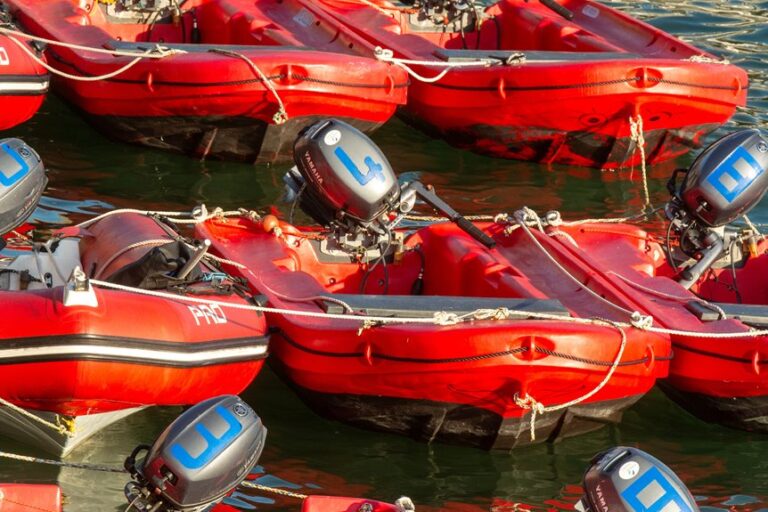


Kayaking builds strength, boosts cardiovascular fitness, and improves balance with low-impact movement. Each stroke engages arms, shoulders, back, and core while the legs stabilize the kayak. Continuous paddling raises heart rate and supports joint mobility without heavy stress. Time on the water reduces mental clutter and promotes relaxation alongside physical benefit. Regular sessions can be more effective than expected and often feel easier than typical gym workouts.
What Makes Kayaking Great for Fitness?
Gliding across the water, kayaking gives your body a workout that feels more like an escapade than exercise. You steer, balance, and breathe with each stroke, so your mind stays present too. That mix helps you build fitness without feeling stuck in a gym routine.
Whenever you paddle with friends, group dynamics can push you to keep going, laugh, and stay connected. You also practice water safety, which builds confidence and keeps your outing calm. Because you move in a steady rhythm, your heart rate rises in a smooth, friendly way. That makes the activity feel welcoming, not punishing. In turn, you can enjoy fresh air, shared energy, and a sense that you belong on the water.
How Kayaking Builds Upper Body Strength
Every paddle stroke asks your upper body to work together, and that steady effort helps build real strength over time.
As you keep paddling, your shoulders, arms, and back face gentle resistance each time the blade catches water. That’s why kayaking feels like resistance training without the gym vibe.
With good stroke mechanics, you pull more smoothly, waste less energy, and ask your muscles to do useful work on every reach and pull.
Over time, your body learns to handle longer outings with more control and less strain.
You don’t need to be a powerhouse to start. You just need to keep showing up, and your paddling community will cheer you on.
Little stepwise, you’ll feel stronger, steadier, and more capable on the water.
How Kayaking Works Your Core
As you rotate through each paddle stroke, your core steps in to keep your body steady and balanced. That steady support starts with your abs, then spreads through your hips and lower back.
Whenever you pull on one side, your trunk must resist twisting, so you train rotational stability with every stroke. Your obliques fire again and again, giving you strong Oblique activation without fancy gear or a crowded gym.
This teamwork helps you feel connected to the kayak, almost like you’re moving as one with it. Because the water shifts under you, your core stays alert and engaged.
Over time, you build control that feels useful in daily life, from reaching for groceries to standing tall with ease.
Why Kayaking Boosts Cardio Health
As you kayak, you keep your body moving in a steady rhythm that makes your heart work harder in a good way.
This raises your heart rate and helps build aerobic endurance, so you can stay active longer without getting worn out as fast.
Over time, that kind of cardio work can leave you feeling stronger, steadier, and a lot more ready for the next paddle.
Aerobic Endurance Benefits
Kayaking builds aerobic endurance because it asks your heart and lungs to keep working steadily while your body stays in motion. You learn to settle into a pace that feels strong, not rushed, and that steady effort helps your body use oxygen better over time.
As you paddle, your muscles work for longer periods, so you build stamina that carries into hikes, bike rides, and busy days with less tiredness. Even short trips can feel like interval training whenever you speed up, then ease back, and that change can improve oxygen uptake.
Because you keep moving with a rhythm, you train your body to stay efficient and calm. That can help you feel more capable on the water and more connected to others who love the same expedition.
Heart Rate Elevation
Steady paddling does more than build stamina, because it also gets your heart rate up in a healthy way. Whenever you settle into a rhythm, your body works hard, and your lungs join the effort too.
- You feel your pulse lift without harsh impact.
- You can use interval paddling to add quick bursts.
- You stay in heart ratezones training for better control.
- You build cardio fitness while moving with your crew.
- You get stronger and feel more confident on the water.
Because kayaking mixes effort and recovery, you train your heart in a way that feels natural. So, should you want a workout that helps you belong outdoors and keeps you smiling, this one fits.
How Many Calories Kayaking Burns
A calm paddle can torch more energy than you could expect, and that’s one reason kayaking feels so rewarding. You can burn about 250 to 500 calories in an hour, and hard paddling can push that number higher. Your weight, speed, water conditions, and stroke effort all change the total. Should you’re new, a steady outing still gives you a solid workout without feeling punishing.
As you build strength, you’ll notice each session asking more from your arms, core, and back. To keep going strong, use smart hydration strategies and check equipment maintenance before launch. A well-fitted kayak and smooth paddle help you move better, waste less effort, and stay with your crew on the water.
How Kayaking Supports Mental Health
Because the water asks you to focus on one stroke at a time, kayaking can quiet a busy mind and give you a break from constant noise.
You breathe deeper, notice the sky, and let worry loosen its grip.
- Nature therapy helps you reset whenever stress piles up.
- Gentle rhythm can steady your thoughts and mood.
- Shared trips build social connection and trust.
- Fresh air can make you feel more present.
- Small wins on the water can lift your confidence.
As you paddle with others, you also feel seen and welcomed, which matters whenever life feels heavy.
Even a short outing can help you carry less tension back home.
Why Kayaking Is a Low-Impact Workout
You get a smooth workout in a kayak because the water supports your body and lets your joints move gently.
Your core stays active as you paddle, so you build strength without harsh strain.
Since each stroke creates only minimal impact stress, you can keep moving in a way that feels easier on your body.
Gentle Joint Movement
Gliding over calm water gives your body a kind of movement that feels kind to the joints, and that’s a big reason kayaking works so well as a low-impact workout. You stay active without pounding your knees, hips, or ankles, so you can build joint mobility with less strain. The steady paddle stroke keeps your arms, shoulders, and torso moving through a gentle range, which often feels welcoming should you want fitness without rough impact.
Because the motion stays smooth, you can settle in and enjoy the rhythm with others who value the same easygoing pace.
- Smooth strokes lower stress
- Water softens each movement
- Your joints can move freely
- You keep a calm rhythm
- You can feel strong without jarring pressure
Supported Core Engagement
As your paddle dips and pulls, your core quietly steps in to help steady every move. You feel supported, not strained, because each stroke asks your belly, sides, and back to work together.
That teamwork helps build spinal alignment, so you can sit taller and move with more control. It also keeps your body connected from your ribs to your hips, which makes the motion feel smooth and natural.
As you settle into a steady breathing rhythm, your trunk stays engaged without feeling tight. So you can join the water with confidence, whether you’re new or experienced.
Each reach and pull gives you a shared sense of effort, like your body is part of a calm, capable crew.
Minimal Impact Stress
Kayaking keeps stress low on your joints because the water does much of the heavy lifting for you. You move with support, so your knees, hips, and back can breathe easier while you build strength with your crew on the water.
- You glide, not pound, so each stroke feels smooth.
- You can paddle at your own pace and still belong.
- Your balance improves without harsh impact.
- Long outings fit eco paddling and shoreline preservation goals.
- You leave the dock feeling worked, not wiped out.
Because the motion stays gentle, kayaking helps you stay active on tired days and keep showing up. That matters whenever you want fitness that feels welcoming, not punishing.
With every calm stroke, you’re joining a low-pressure rhythm that supports your body and your place on the water.
How Kayaking Improves Balance and Coordination
As you paddle, your body has to keep making tiny fixes, and that steady adjustment is what builds balance and coordination.
You stay centered while the kayak shifts, so your core learns postural stability in a natural way.
Each stroke also acts like proprioceptive training, because you feel the boat, water, and paddle working together.
That feedback helps you react faster and move with more control.
As you practice, your hands, eyes, and torso start to work as a team, and that can make you feel more confident on the water.
Even small waves ask you to stay calm, which is great whenever you want to join friends and keep up without feeling awkward.
Over time, you’ll notice smoother turns, steadier posture, and better timing.
How Kayaking Helps With Weight Loss
Kayaking can help you lose weight because it turns your time on the water into a calorie-burning workout.
As you paddle, your arms, shoulders, back, and core all work together, so you burn energy while building strength.
That mix can make exercise feel more rewarding, and it might help you stay consistent whenever you want results that last.
Calorie-Burning Workout
At the point you want a workout that feels less like a chore and more like an excursion, paddling can be a smart way to burn calories without dreading every minute.
You keep your pace moving, and that steady effort helps your body use energy well.
Should you want more challenge, add interval sprints between calm stretches. Those short bursts raise your heart rate fast, then let you recover.
Technique drills also matter because cleaner strokes help you move farther with less wasted effort. That means you can stay out longer and feel like you belong on the water, not stuck on the couch.
- Paddle hard, then easy
- Stay consistent on the water
- Practice smooth strokes
- Join friends for motivation
- Build fitness without stress
Full-Body Muscle Engagement
From the shoulders down to your core, kayaking asks a lot from your body in a way that feels natural and useful. As you pull the paddle through the water, your back, arms, chest, and abs all work together, so you build real strength without feeling trapped in a gym.
Your legs also stay active as you brace and balance, which helps your whole frame stay steady. This full-body effort can support weight loss because you burn energy while you train muscles that keep working after the ride ends.
With better upper body endurance, you can paddle longer and feel more confident on the water. As you keep going, paddle technique refinement makes each stroke smoother, so your effort goes farther and your body stays engaged.
What Regular Kayaking Does for Your Health
Regular paddling can do more for your body and mind than many people expect. Whenever you paddle often, you build steady heart health, calm stress, and stronger balance. You also join a welcoming rhythm that can make exercise feel like you belong.
- Your arms, back, and core work together.
- Your breathing can feel calmer and deeper.
- Cold exposure might wake up your senses.
- Gentle motion supports injury prevention.
- Time on the water can lift your mood.
Because you move with control, your joints often get a friendlier workout than harsh land drills. As you keep showing up, your body learns to handle effort better, and your mind could feel clearer. That mix can make regular kayaking a simple habit you look forward to.
How to Get More Fitness From Every Paddle
Lean into each stroke provided you want your paddle time to count more for fitness.
| Move | Payoff |
|---|---|
| Sit tall | Engages your core |
| Pull hard | Builds upper-body power |
| Breathe steady | Keeps you going longer |
| Add technique drills | Sharpens every motion |
To get more from each outing, focus on smooth form to start. Then raise your stroke cadence a little at a time so your heart works harder without losing control. You’ll feel stronger whenever you rotate your torso, keep your grip relaxed, and drive the blade cleanly through the water. After that, mix in short bursts of faster paddling between easy stretches. That rhythm keeps your body guessing and your muscles awake. In case you paddle with friends, you can even trade pace goals and cheer each other on. That small team energy makes the work feel lighter and the progress feel real.
Frequently Asked Questions
What Kayaking Gear Do Beginners Need?
You’ll need a stable kayak, paddle, life jackets, paddle gloves, and a whistle. Start with comfortable clothing and dry bags. You’ll feel ready, safe, and part of the paddling community.
How Often Should I Kayak for Fitness Results?
Kayak 3 to 5 times weekly for solid fitness results; you’ll build endurance and strength faster with consistent sessions. Follow frequency guidelines, and include recovery planning so you can stay energized, avoid burnout, and keep paddling with your crew.
Is Kayaking Safe for People With Back Pain?
Usually, yes, provided you protect your lower back and keep good spinal alignment, but you should not ignore pain. Like a steady crew, you will fit in best once you start gently, adjust your seat, and ask a clinician initially.
What Type of Kayak Is Best for Workouts?
Sit-on-top kayaks are best for workouts because you can paddle hard, stay stable, and join whitewater training with confidence. You’ll feel part of the crew while building strength, endurance, and balance fast.
Can Kayaking Be Done Year-Round?
Yes, you can kayak year round provided you prepare well; like Odysseus, you will adapt. You will need cold weather paddling gear, and night kayaking works too with lights. You belong on the water, every season.