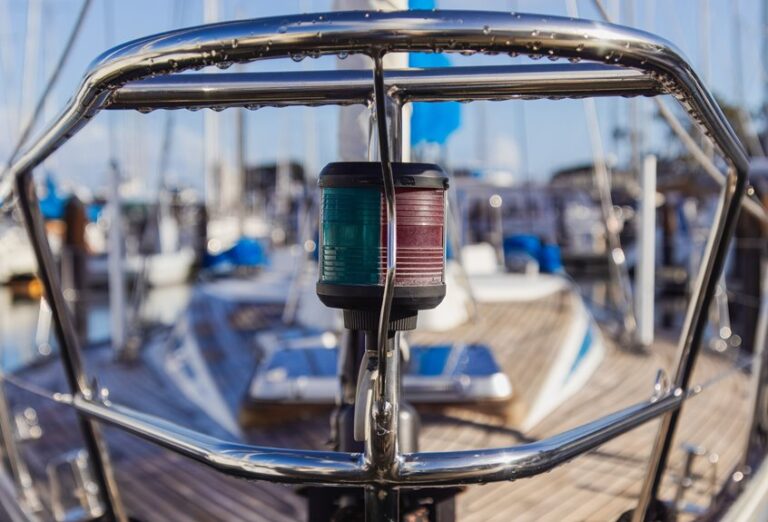


Launching a boat from a trailer is straightforward with a calm plan and steady pace. Check the ramp for traffic, depth, and surface condition before backing the trailer in. Position the boat and trailer straight, secure the winch strap, and back slowly until the stern floats. Release the bow strap, unhook the trailer winch, and ease the boat off while someone guides it away from the lane. Pull the trailer from the ramp and park it clear so other boaters can use the launch.
Check the Ramp and Water Depth
Before you back down the ramp, take a close look at both the ramp and the water depth, because this small check can save you a lot of stress.
You want firm footing, so watch for algae, loose gravel, or broken edges that could make you slip.
Then check currents near the ramp, since even a mild pull can nudge your boat sideways.
Next, inspect bottom conditions close to shore and notice mud, rocks, or sudden drop-offs that could catch you off guard.
Provided the water looks too shallow, wait for a better spot or tide.
You’re not alone in this step, and a calm pause now helps everyone feel more ready.
A little patience here keeps the launch smooth, steady, and a lot less awkward.
Prepare Your Boat and Trailer
Now give your boat and trailer a careful once-over so you can launch with less worry and more control.
Before you move, inspect hull for cracks, dings, or gear hanging low. Check that drain plugs are in place, and make sure the bilge is dry. Then look at the trailer tires, lights, and safety chains so nothing catches you off guard. Secure the winch strap and bow line, and confirm that the boat sits snug on the bunks.
Inside the boat, stow looseitems so they can’t slide, spill, or rattle whenever things get busy. Finally, gather your life jackets, keys, and docking gear in one easy spot. Whenever you do these simple steps, you join the launch crowd that starts calm, steady, and ready for a smooth day on the water.
Position the Trailer at the Ramp
Ease the trailer into place with care, because a good launch starts with a calm setup at the ramp. You want the trailer straight behind your tow vehicle so the bow direction matches the ramp lane. Keep the trailer angle gentle, not sharp, so you stay centered and in control. A small correction now can save you stress later, and that’s worth a quiet breath.
Check that the ramp surface gives you room to work, then line up where your launch feels smooth and natural. Should other boaters be nearby, move with steady confidence and give them space. You’re part of the same crew here, and a clear position helps everyone launch safely and without drama.
Back the Trailer Into the Water
Start backing in slowly, and let the trailer glide down the ramp with steady control. Keep your hands light on the wheel, and watch the trailer as it follows the line you set.
Should the ramp feel slick, ease up and make small corrections so you stay in charge. You belong out here, so trust your pace and stay calm.
Check the rear view mirrors often, and use them to keep the trailer centered. As the tires reach the water, pause to notice the depth and the angle.
Good trailer maintenance helps the launch feel smooth, and it lowers stress on your gear. Stay alert for waves, because smart wave handling keeps the boat steady while the trailer settles.
Each careful move gives you confidence and keeps the launch safe for everyone.
Unhook the Boat From the Trailer
With the trailer settled, you can get down to the simple but significant job of unhooking the boat.
Initially, keep the bow snug against the trailer so it stays steady while you work. Then release the safety lanyard and check that nothing still binds the bow strap or chain. Next, ease off the manual winch slowly, letting the boat rest fully on the trailer bunks before you free the final latch.
You want each move to feel calm and controlled, because that helps you stay in sync with the crew around you. In case the boat shifts a little, pause and reset. Then unclip the last connection and make sure the bow is clear.
Now you’re ready for the opening step with confidence and less stress.
Use a Spotter
A spotter helps you launch with less stress and more control, so pick a clear hand signal before the trailer moves.
Then let that person guide you from shore and keep you updated as you back in.
With one more quick check, you can confirm the trailer stays lined up and the boat goes where you want it to go.
Choose a Clear Signal
Before you ease the boat down the ramp, settle on one clear signal with your spotter so you both know exactly at what time to move, stop, or hold. Pick one verbal cue and one set of hand signals, then stick with them.
A simple wave, thumbs up, or flat palm can keep you in sync when engine noise and water splashes make talking hard. You’ll feel calmer whenever everyone uses the same plan, because nobody has to guess or shout over the crowd.
Should your spotter spot a problem, they should use the agreed signal right away. You can reply with the same sign and pause without drama. That steady rhythm helps you launch as a team, and it keeps your focus on the ramp, not the confusion around you.
Assign Shore Guidance
Now that you and your spotter share the same cue, give that person a clear job on shore so the launch stays calm and organized. You both feel better whenever one teammate watches the ramp and speaks up fast. Assign signals before you move, then let shore assistance guide the pace. Keep the role simple:
| Job | Signal | Action |
|---|---|---|
| Watch | Point | Notice hazards |
| Guide | Wave | Direct your turn |
| Pause | Palm up | Hold position |
| Help | Thumbs up | Continue safely |
| Call | Arm circle | Ask for backup |
With this shared plan, you don’t have to guess or rush. Your spotter becomes your steady set of eyes, and you stay focused on the launch. That teamwork builds trust, and it makes the whole crew feel included.
Confirm Trailer Alignment
Hold the trailer straight, and use your spotter to check every angle before you back the boat down. You’re not doing this alone, and that matters.
A calm spotter can watch the boat’s path while you keep your hands steady on the wheel. Check wheel alignment initially, because even a small turn can throw off trailer centering and make the hull drift.
Then, ease back slowly and listen for your spotter’s calls. Should they say left, correct gently. Should they say right, do the same.
Keep your mirrors clear, your speed low, and your nerves in check. Once both of you stay focused, the trailer tracks better, the boat lines up cleaner, and you feel more confident at the ramp.
Float the Boat Off the Trailer
As the trailer settles into the water, the boat should start to float free with just a little help from you. Ease the winch strap loose, then watch the submerged hull rise until it feels light and ready.
Should the boat cling a bit, give it a gentle throttle from the tow vehicle or a small push at the bow. Keep your crew calm and close, because everyone works better whenever the launch feels shared.
Use inflatable fenders in case the sides could bump the trailer or dock. In the event your boat has a bow thruster, nudge it only enough to keep things straight.
You’re almost there, and that steady, careful move helps your boat glide off cleanly and join the water with confidence.
Tie Up at the Dock
Ease the boat over to the dock and take a calm breath, because this is the part where a steady hand really pays off. You’re joining a shared space, so follow dock etiquette and move slowly. Keep your mooring lines ready, then place one line on the bow cleat and one on the stern cleat.
| Step | What You Do | Why It Helps |
|---|---|---|
| 1 | Approach gently | Protects your boat |
| 2 | Hand lines to a helper | Speeds up tie-up |
| 3 | Snug the lines | Stops drifting |
| 4 | Check spacing | Keeps everyone comfortable |
If the dock shifts, adjust your lines and stay patient. Speak kindly to nearby boaters, because a friendly nod goes far here. Once you’re secure, the boat settles, and you can feel part of the harbor community.
Park the Vehicle and Trailer
Once the boat is in the water, park your vehicle and trailer in a safe, secure spot away from the launch lane.
Then set the parking brake and make sure the trailer sits still. In case the ground feels uneven, chock the trailer wheels so nothing rolls while you get back to your boat.
Secure Parking Spot
Find a flat, secure parking spot before you touch the trailer hitch or winch. You want room to breathe, steady footing, and a clear path to the ramp. In case you can, choose legal parking that keeps you out of traffic and away from tight corners. This helps public safety and gives your crew a calm start. Then set the vehicle and trailer straight, so everyone can move with confidence. Keep the area free of clutter, mud, and low branches that could crowd your space. Whenever you park with care, you’re joining the smooth, safe rhythm every boater values. It also makes the next steps feel less rushed, so you and your group can stay focused and relaxed together.
Chock Trailer Wheels
Set the wheel chocks in place before you trust the trailer to stay still. You’re part of a launch crew now, and this step keeps everyone calm. After you park the vehicle, shift into park and set the parking brakes. Then place wheel chocks snugly against both sides of the trailer tires.
| Check | Why it helps |
|---|---|
| Park straight | Keeps the trailer steady |
| Set parking brakes | Adds holding power |
| Place chocks front | Stops rolling forward |
| Place chocks back | Stops rolling back |
| Inspect the trailer | Confirms it won’t move |
If the ground feels soft, press the chocks deeper. Give the trailer a gentle shake before you step away. That tiny check can save your nerves and your day, and it helps your launch team move with confidence together.
Avoid Common Launching Mistakes
Even should you’ve launched a boat many times, a few small mistakes can still turn a simple task into a frustrating one. You can avoid most problems by staying calm and checking each step before you back down the ramp. Keep your line handling tidy so ropes stay clear and don’t snag on the dock or trailer.
Before the boat touches water, do engine priming and confirm the motor will start whenever you need it. Then watch your trailer depth, because too much water can make control sloppy. Also, communicate with your crew, even provided it’s just a quick nod, so everyone feels included and ready. Small habits like these help you launch with confidence and join the ramp crowd smoothly.
Frequently Asked Questions
What Type of Trailer Bunks Work Best for My Boat?
Carpet bunks usually work best for your boat, since they cradle the hull and fit you into the launch crowd. Carpet rollers help provide easier loading, but they are generally less supportive.
How Do I Launch Alone Without a Spotter?
You can launch alone by backing in slowly, setting a dock fender, staggering steps, and using your winch along with remote release. You will feel confident, stay connected, and bring your boat home safely.
Can I Launch a Boat in Strong Current Safely?
You can, but strong current turns calm teamwork into urgent hustle. Assess drift, adjust angle, and use a tethered bow line. You are safer with help, because your crew has your back as the water pushes hard.
What Trailer Lights Should I Check Before Launching?
Check your running lights, brake lights, turn signals, license plate light, wiring rigging, and ground connection before launching. You will fit right in with a safe crew once everything is working and you are ready to roll.
How Often Should I Service My Trailer Winch?
You should service it yearly, at minimum. Your winch can survive a thousand launches or fail on day one. During your annual inspection, check gears, bolts, and cable lubrication so you’re in the reliable boat crew.