

You want hydration gear that fits the ride, not the other way around. Some cyclists need a compact bottle that slips into a standard cage, while others need a vest or pack that keeps water close on longer trails, commutes, or mixed-surface routes. This roundup focuses on those real use cases, from simple bottle carry to pack-style hydration with storage for keys, gels, or small tools.
The Shortlist At A Glance
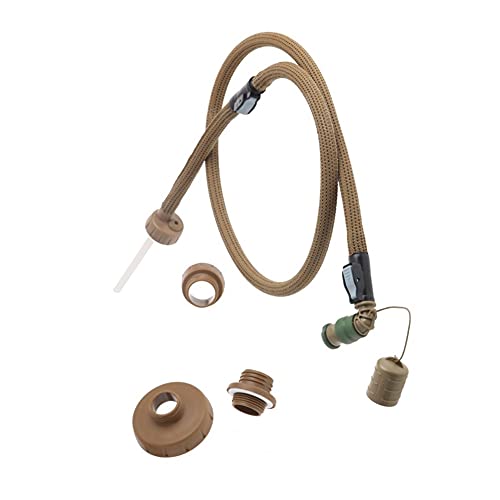
Source Tactical SNEP Convertube Adapter Kit

CamelBak M.U.L.E. 12 Mountain Bike Hydration Pack

Zelvot Running Vest with 2L Water Bladder

HydraPak Breakaway Surge Bike Water Bottle 2-Pack

HydraPak Breakaway Surge Bike Water Bottle 2-Pack
Nepest Hydration Pack Backpack with 2L Water Bladder

KUYOU Running Vest with 2L Water Bladder

MIYCOO Hydration Backpack with 2L Water Bladder

HydraPak Polar Surge Insulated Bike Water Bottle 2-Pack

HydraPak Polar Surge Insulated Bike Water Bottle 2-Pack
More Details On Our Top Picks
Route planners and gear tinkerers tend to like this kind of setup, because it turns a standard bottle into a more flexible carry system. The kit includes four adapters, a tube, a Helix bite valve, and a dirt shield, so the appeal is less about a big pack and more about adapting gear you already own.
That makes it handy for cyclists who want a compact solution for shorter rides or mixed kit setups. The trade-off is obvious, though, you still need a compatible bottle and a bit of assembly, so it suits practical minds more than set-it-and-forget-it simplicity.
What We Like
- Four adapters give you setup flexibility.
- The bite valve keeps drinking straightforward on the move.
- The dirt shield helps keep the mouthpiece cleaner between rides.
- It works well for riders who already have bottles they like.
Points To Note
- You still need a compatible bottle, so it is not a full hydration pack.
- Setup takes a little more attention than a plain squeeze bottle.
- Small parts can be easier to misplace during storage.
Feature Snapshot
Who It Suits Best
Commuters and garage tinkers who want a modular bottle-based setup will get the most out of it.
Where A Sibling Pick Shines
CamelBak M.U.L.E. 12 Mountain Bike Hydration Pack suits you better for longer trail rides that need integrated water storage and room for extra gear.
After the modular Source kit, this is the more complete trail-day answer. A 12-liter pack gives you room for ride essentials without feeling oversized, which is useful on long climbs, chunky fire roads, or days when you want water plus a little organization in one place.
The main appeal here is balance, because a pack this size often suits riders who dislike a bulky backpack but still want more than a bottle. The honest trade-off is that any hydration pack adds a little more heat on your back than a cage bottle, so it fits trail use better than casual spins around town.
Bright Spots
- The 12-liter format leaves room for ride-day extras.
- It fits trail use better than a simple bottle system.
- The pack profile stays more compact than larger daypacks.
- It suits riders who want one carry point for water and essentials.
Small Caveats
- Back carry can feel warmer than a bottle cage setup.
- It is more pack than you need for quick neighborhood rides.
- Cleaning and drying bladder-style gear takes a little routine.
Details At A Glance
Who Should Grab It
Trail cyclists who want one pack for water, snacks, and small extras will find the format especially useful.
A Better Fit Elsewhere
HydraPak Breakaway Surge Bike Water Bottle 2-Pack suits you better for lighter road rides where a cage bottle feels simpler and cooler.
Runners who cross over into cycling often want something lighter than a backpack and steadier than a loose bottle in a jersey pocket. The vest layout helps the weight sit close to your torso, and the 2-liter bladder gives you enough capacity for longer sessions without feeling like you packed for a weekend.
The built-in gear holder and reflective chest styling make sense for early starts, evening loops, and training days where you want a few small items within reach. The trade-off is that vest-style fit tends to reward a dialed-in fit, so people who dislike close body contact may prefer the simpler bottle route from HydraPak.
Standout Traits
- The vest cut keeps carry closer to your body.
- The 2-liter bladder supports longer training outings.
- A gear holder helps with small essentials.
- Reflective detailing is useful for low-light rides or runs.
- The lightweight feel suits speed-focused use.
Worth Noting
- Vest fit works best when you choose the right size and adjust carefully.
- It is less relaxed than a standard backpack.
- Bladder care takes a little more attention after repeated use.
Core Details
Built With In Mind
Training runners and cyclists who prefer a body-hugging carry system will appreciate the close fit.
Another Choice May Suit
CamelBak M.U.L.E. 12 Mountain Bike Hydration Pack suits you better for bike-focused days that need more storage and a less athletic vest feel.
This is the clean, familiar bottle setup many cyclists end up reaching for on road rides and weekend miles. The single-wall construction keeps the design light, and the bottle-cage focus matters because you can drop it into a standard setup without adding a pack to your back.
For short commutes or longer rides where you already trust bottle cages, that simplicity is the real benefit. The trade-off is equally clear, because you are getting hydration in bottle form rather than the storage and bladder capacity that comes with a pack like the CamelBak M.U.L.E. 12.
Positives
- Single-wall construction keeps the bottle light in hand.
- It fits many bike cages, which helps with everyday use.
- The squeeze format is easy to handle while riding.
- The BPA-free material is straightforward to clean and store.
Areas To Watch
- It does not replace a true hydration pack.
- Single-wall construction offers less temperature retention than insulated designs.
- Bottle-cage fit still depends on your frame and cage style.
Key Specs
Right Fit For
Road cyclists and commuters who want simple bottle carry with minimal fuss will appreciate it most.
Reach For A Different Pick When
Nepest Hydration Pack Backpack with 2L Water Bladder suits you better for trail outings that need storage plus hands-free hydration.
This version lands in the same lane as the previous HydraPak bottle pair, so the choice mostly comes down to color or listing preference. The real value is still the same, a light single-wall squeeze bottle that works neatly with bike cages and keeps your setup simple.
That makes it a sensible spare set for riders who like to keep one pair in the garage and another ready for the bike bag. The main limitation is also the same, since this format gives you practicality rather than insulation or pack-style cargo space.
Best Bits
- Light single-wall build keeps the bottle easy to use.
- BPA-free material suits routine ride hydration.
- Bike-cage focus works well for everyday setups.
- A two-bottle set is handy for spare use or rotation.
Softer Spots
- You are still choosing a basic bottle, not a pack.
- No insulation means it is less suited to hot exposure.
- Bike-cage fit remains tied to your frame setup.
At A Glance
Whose Shelf It Belongs On
Riders who want an easy spare bottle pair for road, gravel, or indoor trainer use will get the most out of it.
Swap It Out When
HydraPak Polar Surge Insulated Bike Water Bottle 2-Pack is the better choice for hot rides where temperature control matters more than pure simplicity.
This pack is aimed at cyclists and hybrid outdoor users who want hydration without a lot of bulk or fuss. The 2-liter bladder gives you meaningful carry capacity, and the backpack format makes it easier to move between riding, hiking, and casual trail use without changing gear.
You may find it especially useful for weekend rides where you want water plus a little pack storage but do not need the more specialized feel of the CamelBak M.U.L.E. 12. The trade-off is that simpler, lower-cost packs often keep the feature set lean, so the appeal here sits in utility rather than extras.
Highlights
- The 2-liter bladder supports longer outings.
- The lightweight backpack format works across several activities.
- It suits casual trail use without looking overbuilt.
- Riding comfort tends to improve when the pack stays simple.
Room For Improvement
- Feature depth is lighter than more specialized packs.
- Backpack carry can feel warmer than bottle-only setups.
- Bladder cleanup still adds a maintenance step after use.
Feature Rundown
The Right Fit
Casual cyclists who also hike or run will appreciate the broad-use format.
Look Elsewhere When
KUYOU Running Vest with 2L Water Bladder suits you better if you want a lighter vest profile for faster-paced movement.
Compared with the Nepest backpack, this KUYOU vest leans harder into a close, low-bulk feel. The 2-liter bladder is a strong match for trail runs, long walks, bike intervals, and marathon training days where you want hydration close to your torso.
The lighter shape makes it easier to forget once you settle into a rhythm, which is exactly what many endurance users want. The catch is that vest-style comfort depends on fit and adjustment, so it rewards people who are happy to dial straps in before heading out.
Reasons To Buy
- The vest shape keeps the profile compact.
- The 2-liter bladder suits extended efforts.
- It works across trail running, cycling, and marathon training.
- Closer carry often feels steadier during motion.
Minor Gripes
- Fit adjustment matters more here than on a backpack.
- It feels more athletic than relaxed.
- Routine bladder cleaning is still part of ownership.
Technical Sheet
Made For
Endurance-focused cyclists and runners who want a compact carry system will get the best fit here.
Where A Sibling Pick Shines
MIYCOO Hydration Backpack with 2L Water Bladder suits you better if you want a little more of a traditional pack feel for mixed outdoor days.
MIYCOO sits between the more athletic KUYOU vest and the more casual Nepest backpack. That middle ground is useful for cyclists who split time between hiking, climbing, and riding, because the 2-liter bladder and backpack format keep the setup familiar without pushing it too far in any one direction.
For mixed outdoor routines, that balance can be the point. The trade-off is that a do-everything layout rarely feels as specialized as a dedicated race vest or a more feature-focused trail pack, so your priorities will decide whether the compromise feels sensible.
Positives
- The 2-liter bladder suits longer outdoor sessions.
- The backpack layout feels easy to use across activities.
- It works well for cycling, hiking, and climbing days.
- The simpler profile makes storage easier between outings.
- It strikes a useful middle ground for mixed use.
Softer Spots
- It may feel less specialized than a dedicated race vest.
- Pack-style carry can run warmer than bottle-only systems.
- Bladder upkeep still takes some attention after rides.
Spec Overview
Best Suited To
Active commuters and weekend adventurers who want one pack for several kinds of movement will feel at home with it.
Skip It When
HydraPak Breakaway Surge Bike Water Bottle 2-Pack is the easier path for riders who want a simpler cage-based setup.
This bottle pair stands out for hot-weather riding, because the tri-layer insulated build adds more temperature control than the plain Breakaway Surge bottles. The reflective outer heat shield and insulating foam are doing the work here, so the focus is very much on keeping your drink cooler for longer road, gravel, or indoor spin sessions.
It still fits a familiar bottle-and-cage routine, which means you get a more controlled bottle without moving to a backpack or vest. The honest trade-off is that insulated bottles are a little more specialized, so you are paying for comfort in the heat rather than universal simplicity.
Upsides
- Tri-layer insulation is the main attraction.
- The reflective outer shield adds another temperature-control layer.
- It stays in the easy cage-bottle format.
- The 20 oz size suits many ride lengths.
Things To Consider
- Insulated bottles usually cost more than plain squeeze bottles.
- Temperature control comes with a slightly more specialized format.
- It still depends on bottle-cage fit on your bike.
Feature Card
Perfect Match For
Cyclists who ride in warm weather and want bottle-based hydration without moving to a pack will appreciate it most.
Where The Extra Money Goes
HydraPak Breakaway Surge Bike Water Bottle 2-Pack is the simpler route if you do not need insulation and want a lighter everyday bottle instead.
This colorway follows the same insulated format as the black version, so the decision here is mostly about look and bike styling. The key features stay the same, with tri-layer insulation, a reflective heat shield, and a bike-cage-friendly shape that suits warm rides without asking you to carry a pack.
That makes it a polished choice for cyclists who care about matching gear and still want practical temperature control. The limitation is familiar too, because insulated bottles are more specific than plain squeeze bottles and less adaptable than a hydration vest or pack.
Plus Points
- The insulated build helps on sunny rides.
- The reflective outer layer adds useful heat protection.
- It keeps the same easy bottle-cage routine.
- The 2-pack format fits a coordinated setup.
Trade Offs
- It is more specialized than a basic bottle pair.
- Insulated designs are less simple than single-wall options.
- Frame fit still matters with any cage-based bottle.
Core Details
Whose Shelf It Belongs On
Cyclists who want matched insulated bottles for warm-weather riding will find the format easy to live with.
Consider Something Else When
CamelBak M.U.L.E. 12 Mountain Bike Hydration Pack suits you better for rides that need extra carry space and a more trail-focused layout.
How To Choose The Right Bicycle Hydration Packs
Match The Carry Style To Your Ride
Cage bottles suit road miles, short commutes, and rides where you want the lightest possible setup. Hydration packs and vests make more sense for trail days, endurance training, or routes where you want water plus storage in one place.
The trade-off is comfort versus capacity. A bottle feels simpler and cooler, while a pack adds storage and hands-free access but sits on your back or chest.
Think About Fit, Not Just Volume
Bladder size matters, but carry shape matters just as much. A 2-liter bladder can feel very different in a vest than it does in a backpack, especially during climbs or fast intervals.
Cyclists who move between road, gravel, and trail often benefit from a closer fit. If you stay upright and relaxed, a bottle setup is usually easier to live with.
Check Materials And Cleaning Demands
Single-wall bottles are light and simple to rinse. Insulated bottles add layers that help with heat control, while bladders and tubes usually need more drying attention after use.
That maintenance difference matters in real life. A rider who wants low effort usually prefers a squeeze bottle, while someone planning longer outdoor sessions may accept the extra care that comes with a pack.
Look For Storage That Matches Your Routine
Some packs carry only water, while others add pockets or gear holders for keys, snacks, or small tools. That extra space can be helpful on long routes, but it also adds bulk and more to organize.
The right choice depends on how often your ride becomes a full outing. Light commuters usually want less gear, while trail riders often need a little room to breathe.
Things Worth Knowing Before You Pick
Mistakes Worth Dodging
Shoppers often choose volume first and fit second. That leads to packs that feel bulky or bottles that do not match the frame hardware already on the bike.
Another common miss is ignoring upkeep. Bladders, tubes, and insulated layers ask for more cleaning than a basic bottle, so the easiest-looking option is not always the easiest to own.
The Upgrade Payoff
Higher-tier hydration gear usually costs more because it gives you more control over temperature, carry comfort, or organization. Insulated bottle systems and well-shaped vests add materials and construction that basic bottles skip.
That upgrade is worth it for longer rides, hotter climates, or cyclists who dislike constant refills. For short rides and casual spins, a simpler bottle often makes more sense and keeps maintenance light.
Frequently Asked Questions
Do Bicycle Hydration Packs Replace Water Bottles?
They can, but many cyclists still keep bottle cages on the bike for shorter rides. Packs make more sense when you want extra storage or longer hydration capacity.
Is A 2-Liter Bladder Too Large For Daily Riding?
Not for riders who spend a long time on the bike or mix cycling with hiking. For short commutes, it can feel like more than you need.
Are Insulated Bottles Worth It?
They make the most sense in warm weather or on exposed routes. If your rides are short and mild, a plain bottle is usually enough.
What Is Easier To Keep Clean?
Standard squeeze bottles are the simplest to rinse and dry. Packs and bladders take more care because of the tube and internal reservoir.
Should You Choose A Vest Or A Backpack?
Choose a vest for a close, low-bulk feel during faster movement. Choose a backpack when you want a more relaxed carry with extra room.
Closing Thoughts
The right hydration setup depends on how you ride, not just how much water you want to carry. A bottle pair keeps things simple, an insulated bottle helps in the heat, and a vest or pack adds capacity for longer days on the trail. Source Tactical handles the modular middle ground well, CamelBak feels more trail-ready, and HydraPak covers both basic and insulated bottle carry. Choose the format that fits your routine, and your rides tend to feel easier from the first climb onward.
