

You need different rack styles for different rides, and that’s the whole challenge. A family hauling weekend bikes, a commuter with one road bike, and a garage that’s short on floor space all need a very different setup.
This roundup keeps those use cases separate so you can match the rack to your car, wall, or workshop. You’ll see hitch carriers, trunk mounts, floor stands, wall mounts, rear cargo racks, and even a repair stand, because the right choice depends on how you store, move, and work on your bike.
Quick Look at the Shortlist
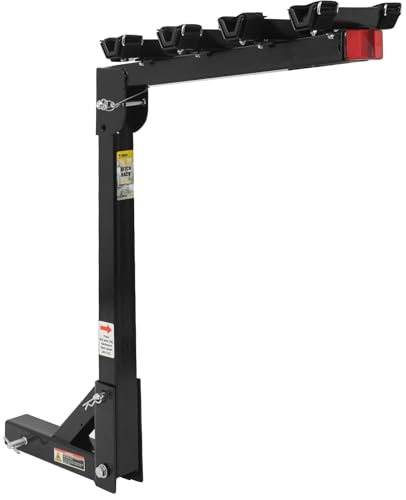
MaxxHaul Hitch Mount 4 Bike Rack 70210

MaxxHaul Platform Bike Rack for 2 Bikes 50027

StoreYourBoard Bike Hangers for Garage

monTEK No-Lift Swivel Bike Wall Mount

Yakima DoubleDown 4-Bike Hitch Mount Rack


RELIANCER Bike Cargo Rack with Bungee Net

ROCKBROS Bike Repair Stand Adjustable Wall Bench Mount

YONTUO Rear Bike Rack with Fender
More Details On Our Top Picks
Families with more than one bike tend to notice the appeal here right away, because this hitch rack is built around capacity and access. The swing-down design matters on busy curbside stops, since you can reach the back of the vehicle without unloading the whole rack, and the safety reflector adds a small but useful visibility cue.
The trade-off is size, since a four-bike carrier always asks for more rear clearance and more care during loading. Compared with the two-bike MaxxHaul tray rack, this one makes more sense for carpool weekends, kids’ bikes, and SUV owners who need one rack to do a lot of jobs.
Strong Points
- Holds four bikes, which helps on family outings and group rides.
- Swing-down access makes hatch and cargo access less awkward.
- Fits cars, trucks, SUVs, and minivans, so it covers a broad garage.
- The reflector is a useful visibility cue in dim lots.
- Heavy-duty build expectations suit frequent transport better than lighter trunk mounts.
Things To Consider
- Four-bike racks take more storage room when not on the vehicle.
- Loading four frames usually calls for a little more patience and strap management.
- Rear access still depends on vehicle shape and hitch placement.
Feature Rundown
Who It Suits Best
Family drivers, group riders, and weekend trip planners who need to move several bikes from one place to another should feel at home with this rack.
A Better Fit Elsewhere
The MaxxHaul Platform Bike Rack for 2 Bikes 50027 suits solo pairs or smaller households that want less bulk and easier handling.
Compared with the four-bike MaxxHaul, this tray-style carrier feels easier to manage for two bikes and a smaller vehicle. The tire cradles help position the wheels, while the foam-padded hooks are there to steady the frames without feeling overly fussy.
That setup works well for commuters, casual weekend riders, and SUV owners who want a calmer loading routine. In most garages, the narrower footprint also makes it less annoying to store between trips, though hitch size still needs to line up with the listed receiver fit.
What We Like
- Tray-style loading gives the bikes a settled, predictable stance.
- Adjustable tire cradles help with a range of wheel placements.
- Foam-padded hooks add a gentler contact point on the frame.
- The two-bike format is easier to handle than larger hitch racks.
Room For Improvement
- Two-bike capacity will feel tight for growing families.
- Hitch compatibility matters, so the listed receiver fit needs a quick check.
- Tray racks can take more garage wall or floor space than a simple fold-flat piece.
Core Details
Built With In Mind
You’ll get the most from this rack as a commuter or couple-friendly transport option, especially when you want a simpler load than a four-bike carrier.
Another Choice May Suit
The Yakima DoubleDown 4-Bike Hitch Mount Rack is the better match for larger crews that need more capacity and a tilting rear mount.
Garage wall space is where this hanger earns its keep, because vertical storage clears the floor fast and keeps a bike up out of the way. The 124 degree swivel gives you some placement flexibility, which helps in tight rows where handlebars and pedals tend to bump into each other.
It supports up to 50 lb and handles all wheel diameters with tires up to 2.6 inches, so it suits a wide range of city bikes and mountain bikes. The honest read is that wall mounting asks a little more planning up front, but the payoff is a cleaner, less cluttered garage.
Highlights
- Vertical wall storage frees floor space quickly.
- 124 degree swivel helps line up bikes in tighter garages.
- Fits all wheel diameters, which broadens compatibility.
- Supports tires up to 2.6 inches wide for many common bikes.
- The 50 lb rating suits a lot of everyday garage setups.
Minor Gripes
- Wall mounting needs the right anchor points and some planning.
- Vertical storage can feel awkward with very heavy bikes.
- Tighter garages still need careful spacing between mounted bikes.
Feature Snapshot
The Right Fit
You’ll like this most as a garage organizer with one or two bikes to store and enough wall structure to mount into securely.
Look Elsewhere When
The CHEPARK Bike Floor Stand Rack suits you better if you want a no-wall, floor-level option for quick parking in a shared garage.
Compared with the StoreYourBoard hanger, this monTEK mount leans harder into fit flexibility, especially for wider tires and mixed wheel sizes. The no-lift approach is appealing in a cramped garage, because moving a bike onto the rack should feel less like a lifting chore and more like a guided park-in.
The 120 degree pivot and four settings give you room to adjust how the bike sits on the wall, which is useful in narrow spaces where handlebar overlap gets annoying. One thing worth considering is that a wall mount still depends on your mounting surface, so the hardware layout matters as much as the rack itself.
Plus Points
- No-lift style makes daily parking easier on the arms and shoulders.
- Four settings help you tune placement in a crowded garage.
- 120 degree swivel supports a more flexible wall layout.
- Fits wheel sizes from 16 to 29 inches, which is broad coverage.
- Supports tires up to 3.54 inches wide, so chunkier setups are included.
Points To Note
- Wall installation still needs careful hardware placement.
- Larger bikes may take a little practice to position cleanly.
- The wall layout can get crowded fast in very small spaces.
At A Glance
Who Should Grab It
You should lean toward this rack for a mixed-bike garage, especially where wider tires and tighter wall spacing both matter.
Swap It Out When
The StoreYourBoard Bike Hangers for Garage make more sense if you want a simpler 124 degree swivel setup with a slightly lower weight limit.
The Yakima name usually signals a more polished rack, and this one leans into that with a tilting rear mount, anti-sway cradles, and folding arms. That combination helps tame bike movement on the road, which matters when you’re hauling several frames with different shapes and bar widths.
It fits both 2-inch and 1.25-inch receivers, so it works across more vehicle setups than a single-size hitch rack. The trade-off is that premium hardware often asks for a bit more attention during setup, but for mixed bike fleets and regular travel, the extra control is easy to appreciate.
Reasons To Buy
- Tilting rear mount improves access behind the vehicle.
- Anti-sway cradles help keep bikes from shifting around.
- Folding arms make the rack less awkward when stowed.
- Dual receiver fit broadens compatibility with more vehicles.
- Four-bike capacity works for larger ride groups.
Softer Spots
- Setup can feel more involved than simpler hitch carriers.
- The rack’s size asks for meaningful storage space.
- Higher-feature hardware usually rewards careful assembly.
Details At A Glance
Best Suited To
You’ll appreciate this most as a frequent road-trip rack for mixed bike sizes and households that want a more polished hitch setup.
Where A Sibling Pick Shines
The MaxxHaul Hitch Mount 4 Bike Rack 70210 is the simpler family pick for shoppers who want a more straightforward heavy-duty carrier.
For a garage that needs simple, no-drama bike parking, a floor stand often makes more sense than a wall mount. This CHEPARK rack is aimed at that exact kind of everyday use, with support for 20 to 29 inch bikes, which covers a lot of mountain and road setups.
It’s the kind of piece that suits shared spaces, rental garages, and home storage where you want a bike upright without drilling into walls. Compared with the wall-mounted StoreYourBoard and monTEK options, it trades space savings for easier placement and less installation fuss.
Bright Spots
- Floor placement keeps installation simple.
- Works well for home garages and indoor storage corners.
- Supports a broad range of wheel sizes from 20 to 29 inches.
- Good fit for quick daily parking rather than permanent wall hardware.
Areas To Watch
- Floor stands use more ground space than vertical wall storage.
- Single-bike capacity can feel limiting in multi-bike homes.
- Shared spaces may need careful placement so the rack stays out of the way.
Technical Sheet
Who Will Love This
You’ll like this most if you want an uncomplicated indoor parking spot for one bike and don’t want to commit to wall hardware.
Not Your Match When
The monTEK No-Lift Swivel Bike Wall Mount makes more sense for a smaller garage where wall storage matters more than floor access.
This is the sort of trunk mount that makes sense for beginner riders and casual trips, because the setup stays light and tool-free. The fit guide note matters here, since trunk racks depend heavily on vehicle shape, spoiler clearance, and how the straps land on your hatch.
Compared with the hitch racks above, the Saris Solo keeps the footprint smaller and the handling easier for one-bike transport. That simplicity is a strength, although you may find the single-bike format too narrow for families or frequent group rides.
Best Bits
- Tool-free setup keeps the process approachable.
- Lightweight and compact shape suits trunk storage.
- Single-bike format is easy to manage for short outings.
- Good entry-level choice for occasional transport needs.
Worth Noting
- Vehicle fit matters a lot, so the guide needs attention.
- One-bike capacity limits family use.
- Trunk racks can feel less universal than hitch-mounted carriers.
Feature Card
Made For
You should look here for a light-duty solo carrier that keeps things simple for local rides and occasional weekend transport.
Consider Something Else When
The MaxxHaul Platform Bike Rack for 2 Bikes 50027 suits you better if you need to carry two bikes with more stability.
Rear cargo racks serve a different purpose than the transport carriers above, because they’re about carrying bags and gear on the bike itself. This RELIANCER rack is built around touring and utility use, with a bungee net and reflective logo adding practical touches for loaded rides.
Its adjustable fit for 26 to 29 inch frames and 55 lb capacity make it a sensible match for commuters, touring riders, and grocery runs. The catch is that a rear rack changes how the bike handles, so riders with very light frames or crowded heel clearance should check fit carefully.
Upsides
- Rear cargo support turns the bike into a more useful hauler.
- Bungee net helps secure smaller items more neatly.
- Reflective logo adds a visibility cue for low-light use.
- Quick-release style is convenient for regular on-and-off handling.
- 55 lb capacity gives room for commuting and touring gear.
Small Caveats
- Rear racks can affect heel clearance on some frames.
- Load balance matters more once cargo sits on the bike.
- Frame and wheel compatibility still need a quick check.
Spec Overview
Whose Shelf It Belongs On
You’ll want this if you use your bike for carrying groceries, commuting gear, or light touring loads and need a rear rack with extra utility touches.
Where A Sibling Pick Shines
The YONTUO Rear Bike Rack is the better fit for riders who want a rear carrier with a fender and an AirTag mount detail.
This one is less about storage and more about giving you a stable work position for cleaning, adjustments, and small repairs. The wall-mounted design uses four long screws for secure placement, and the 360 degree clamp rotation helps you angle the bike the way your hands need it.
The soft clamp material is a thoughtful touch because it’s meant to hold the frame with less hard contact. It suits garage mechanics and home tinkerers best, though the wall install means you need a proper mounting surface and a little patience up front.
Standout Traits
- Wall mount design saves bench and floor space.
- Four-screw installation aims for steady positioning.
- 360 degree clamp rotation makes angle changes simple.
- Soft clamp material is gentler on the frame.
- Helpful for cleaning, tuning, and repair work at home.
Trade Offs
- Wall mounting is more involved than a freestanding stand.
- It works best where the mounting surface is solid.
- Repair stands are task-specific, so they’re not general storage pieces.
Feature Rundown
Right Fit For
You’ll get the most from this if your garage doubles as a bike service corner and you want a mounted stand instead of a floor tripod.
Reach For A Different Pick When
The CHEPARK Bike Floor Stand Rack is a better everyday storage fit for people who want to park a bike without turning the wall into a work zone.
This rear rack is aimed at practical hauling, and the fender plus large reflective detail give it a more everyday personality than a bare-bones carrier. The quick-release setup should appeal to riders who remove accessories often, while the extended main pole hints at a broader fit range for different bike frames.
It’s the sort of add-on that makes sense for commuters and utility riders who want a rear platform that does more than just hold a bag. Compared with the RELIANCER rack, this one seems more focused on utility details, though you’ll still want to check your frame layout and cargo needs carefully.
Best Bits
- Fender adds a useful practical layer for everyday riding.
- Large reflective detail helps with visibility in traffic or dusk.
- Quick-release hardware makes removal less tedious.
- Extended main pole should help with fit flexibility.
- Good match for commuting, errands, and light touring use.
Areas To Watch
- Rear rack fit still depends on the bike’s frame geometry.
- Utility-focused racks add weight and hardware to the bike.
- Load balance matters once bags or cargo are attached.
Core Details
Built With In Mind
You should look at this for commuting and practical cargo use, especially if you want a rack that leans into utility details.
A Better Fit Elsewhere
The RELIANCER Bike Cargo Rack with Bungee Net suits riders who want a more touring-leaning rear carrier with a cargo net included.
How To Choose The Right Bicycle Racks
Start With Where The Bike Lives
Storage racks and transport racks solve different problems, so the first step is choosing the setting. Garage wall mounts save floor space, floor stands keep things simple, and hitch or trunk racks are about moving bikes from place to place.
That choice matters more than brand names or extra hardware. A commuter with one bike usually gets more value from a floor stand or trunk rack, while a family that loads up every weekend needs hitch capacity and steadier frame control.
Match The Rack To The Frame And Wheels
Wheel size, tire width, receiver size, and frame shape all affect fit. A wall hanger with a 2.6 inch tire limit works for many bikes, but wider tires, step-through frames, and heavy e-bikes can change the picture fast.
Hitch racks and rear cargo racks also need a quick compatibility check. That means looking at the receiver size, the bike’s weight, and whether accessories like fenders or racks already sit on the frame.
Think About Loading, Access, And Storage
Some racks are easier to live with than others. A swing-down hitch rack helps you reach the hatch, a no-lift wall mount reduces strain, and a tool-free trunk carrier keeps setup quick for occasional trips.
Storage matters too, because a bulky hitch rack can crowd a garage corner while a wall mount disappears neatly to the side. The best choice is the one that fits your routine, not just your bike.
Don’t Skip Stability Details
Anti-sway cradles, foam-padded hooks, reflective details, and quick-release parts each solve a different annoyance. They do not all matter equally, but they can improve day-to-day use in real homes and on real roads.
For rough roads or long drives, bike movement control becomes a big deal. For garage storage, the more important question is whether the rack keeps the bike secure without making removal a nuisance.
What To Weigh Before You Commit
Mistakes Worth Dodging
The easiest mistake is choosing a rack by capacity alone. Four-bike models are useful, but they can be more awkward than you want for a small garage or a solo commute.
Another common miss is skipping fit checks. Receiver size, tire width, and wall material all affect how well the rack works once it’s in your space.
The Case For Spending Up
Higher-tier racks usually buy you better adjustment, stronger stability features, and smoother access to the back of the vehicle or the bike frame. In this category, those details matter more than flashy styling.
You may find the upgrade worthwhile for frequent travel, mixed bike fleets, or heavy garage use. For light, occasional use, simpler racks often cover the basics just fine.
Frequently Asked Questions
Which Bicycle Rack Works Best For A Small Garage?
A wall mount like the monTEK No-Lift Swivel Bike Wall Mount keeps the floor clear and uses vertical space well. A floor stand like the CHEPARK Bike Floor Stand Rack is easier if you want no drilling.
Do Hitch Racks Work Better Than Trunk Racks?
Hitch racks usually feel steadier and handle more weight, so they suit frequent transport. Trunk racks are lighter and simpler for occasional solo trips.
What Should You Check Before Mounting A Wall Rack?
You should confirm the wall surface can support the rack and bike together. Stud placement and installation height matter a lot for day-to-day use.
Are Rear Cargo Racks The Same As Transport Racks?
No, rear cargo racks stay on the bike and carry bags or gear during the ride. Transport racks attach to a vehicle and move the whole bike from one place to another.
Which Option Fits A Beginner Rider Best?
The Saris Solo Bike Rack is the gentlest starting point for one-bike transport. Its tool-free setup and compact shape make the learning curve smaller.
Closing Thoughts
The right bicycle rack should make your routine easier, not add another hassle to the garage or driveway. Once you match the rack to your bike count, storage space, and vehicle fit, the shortlist gets much clearer. Hitch carriers suit family travel, wall mounts suit tight garages, and floor stands or trunk racks cover simpler daily needs. Choose the style that fits how you actually ride, store, and move your bike, and the rest tends to fall into place.
