

You need roof cargo gear that fits your trip, your vehicle, and your patience level. Some options keep luggage locked down and tidy, while others give you more open packing space or faster loading on road trips, camping weekends, and long highway runs. The right choice depends on how much gear you carry, how often you load and unload, and whether your roof setup already includes crossbars. A solid pick here feels like extra room without turning every departure into a chore.
The Shortlist At A Glance
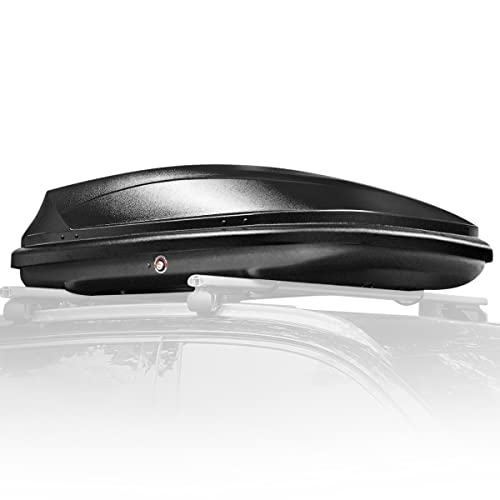
Auto Dynasty Hard Shell Roof Top Mount Cargo Carrier

Leader Accessories 64″x39″x4″ Roof Rack Cargo Basket
Sailnovo Rooftop Cargo Carrier Bag 21 Cubic

DNA MOTORING Rooftop Cargo Box

JEGS 18 cu. ft. Rooftop Cargo Carrier
VENTURE 4TH Rooftop Cargo Carrier 21 Cu Ft

Naturehike Cape 4/6/8 Person Camping Tent
More Details On Our Top Picks
Auto Dynasty takes the no-fuss route, which helps on packed weekends and airport runs. The 53 x 34 x 15 inch body and 11 cubic feet of space give you a tidy enclosed box for bags, coolers, or camping extras, while the listed 110 pound load limit keeps expectations grounded.
The tool-free install callout matters more than it sounds, because roof cargo is often where a quick trip turns into a long setup. Security keys also suit parking lots and hotel stops, though the modest height means you should expect a more streamlined load than from the bigger 18 and 21 cubic foot picks later in this list.
Strong Points
- Hard shell design keeps gear enclosed and neater than open baskets.
- 11 cubic feet fits weekend luggage without taking over the roof.
- Tool-free mounting helps shorten the setup routine.
- Security keys add a useful layer for travel stops and overnight parking.
Things To Consider
- 11 cubic feet leaves less room than the larger 18 and 21 cubic foot options.
- The compact shape favors cleaner packing over bulky, irregular cargo.
- Hard-shell surfaces usually need a quick wipe after long highway miles.
Feature Snapshot
Who It Suits Best
Weekend travelers and smaller households who want a simple enclosed carrier will get the most from this one.
Another Choice May Suit
JEGS 18 cu. ft. Rooftop Cargo Carrier fits families that need more space for long road trips and layered packing.
This basket leans open and practical, which suits cargo that does not sit neatly inside a sealed shell. The 64 x 39 x 4 inch steel frame gives you a broad platform, and the included cargo bag plus stretch net help corral duffels, bins, or camping gear on an SUV or pickup.
That openness is the trade-off, since exposed loads need more care in bad weather than the hard-shell boxes in picks one and four. For hauling odd-shaped gear, though, the basket format is hard to beat, especially when you want fast access between stops.
Highlights
- Wide basket shape works well for gear that does not fit in a box.
- Cargo bag adds a covered layer for loose items.
- Stretch net extends from 3 x 4 feet to 6 x 8 feet, which helps you secure larger piles.
- Alloy steel build suits frequent loading on SUVs and pickup trucks.
- Rust-resistant finish is helpful for outdoor use and seasonal storage.
Small Caveats
- Open basket styling offers less weather shelter than a closed carrier.
- Heavy or loose cargo still needs careful strapping before highway driving.
- The taller cargo profile can affect garage clearance more than a low box.
Core Details
Built With In Mind
Drivers who carry bulky or uneven gear on SUVs and pickup trucks will appreciate the flexibility here.
Where A Sibling Pick Shines
DNA MOTORING Rooftop Cargo Box fits you better when you want a sealed shell with a smaller, neater footprint.
Soft-shell carriers like this one suit mixed roof setups because they stay more flexible than rigid boxes. Sailnovo pairs 1000D PVC, an aerodynamic shape, and a 21 cubic foot layout, so you get a roomy load space without the bulk of a hard case.
The included anti-slip mat, reinforced straps, door hooks, and luggage lock point toward road-trip use where the roof setup may change from one vehicle to another. In practice, that makes it a useful travel bag for families and renters, though soft shells usually ask for a little more care during loading and cleanup than hard shells.
Positives
- 21 cubic feet gives you generous space for luggage and soft gear.
- Works with or without a roof rack, which broadens vehicle fit.
- Anti-slip mat helps steady the base on the roof.
- Door hooks and straps simplify setup on different vehicles.
- Luggage lock adds a practical touch for travel stops.
Points To Note
- Soft-shell construction usually needs more packing discipline than a hard box.
- Exterior fabric can take more effort to dry and store after wet travel.
- A fabric carrier may feel less rigid under rougher loading habits.
Feature Rundown
Whose Shelf It Belongs On
Road trippers who need extra roof space but do not want a fixed box should look here first.
Skip It When
DNA MOTORING Rooftop Cargo Box suits you better when you want a firmer enclosure and a tidier hard-shell profile.
Some roof cargo boxes stay compact without feeling cramped, and this one sits in that lane. The 13 cubic foot interior and 110 pound limit make sense for smaller households, overnight bags, or the kind of trip where you want a sealed shell but do not need the bigger footprint of JEGS or VENTURE 4TH.
The lockable, weatherproof structure should appeal to drivers who park in mixed conditions and like a cleaner roofline. It is still a roof box, so the usual care applies, especially around mounting and storage between trips, but the shorter body keeps it easier to live with than larger carriers.
What We Like
- Hard-shell build keeps luggage enclosed and more organized.
- 13 cubic feet fits modest travel loads without feeling oversized.
- Lockable design is handy for stops and overnight parking.
- Weatherproof shell adds confidence for changing road conditions.
Worth Noting
- Smaller volume means less room than the 18 and 21 cubic foot options.
- Rigid storage cases need sensible handling and a dry place between trips.
- The narrower load plan may not suit very bulky vacation gear.
Details At A Glance
Right Fit For
Smaller households that want a lockable roof box for weekend drives will likely feel at home with this one.
Look Elsewhere When
Auto Dynasty Hard Shell Roof Top Mount Cargo Carrier suits you better when tool-free setup matters more than compact styling.
JEGS lands in the roomy middle of the pack, which is useful for family travel where everyone seems to bring one extra bag. The 18 cubic foot space, 57 x 39 x 19-1/2 inch interior, and 110 pound limit give you a larger hard-shell option without jumping into the biggest soft carriers.
The rear-loading design is a small but meaningful convenience, especially on taller vehicles where side access gets awkward. The aerodynamic shape can help the box sit cleaner on the roof, though the plastic and polyethylene build means you should expect the usual rooftop-care routine after muddy or salty trips.
Best Bits
- 18 cubic feet offers generous room for family luggage.
- Rear loading makes packing less awkward behind taller vehicles.
- Four-corner locking system adds a secure-feeling closure pattern.
- Weather-tight seal helps keep contents better shielded from road spray.
- Aerodynamic shape keeps the profile more streamlined than a boxy carrier.
Areas To Watch
- Size is larger than the 13 cubic foot DNA MOTORING box.
- Hard-shell storage asks for a little more garage or shed space.
- Loading from the rear can still feel tall on lifted SUVs.
Feature Card
Who Should Grab It
Families and road trippers who want more room than a compact box should place this high on the list.
Swap It Out When
VENTURE 4TH Rooftop Cargo Carrier 21 Cu Ft suits heavier packing plans and softer gear that needs more total volume.
VENTURE 4TH feels built for travelers who like extra tie-down control and more forgiving packing space. The 21 cubic foot size, 600D PVC shell, waterproof SBS zippers, and sealed seams put it in the same roomy class as Sailnovo, though this one adds a thicker list of straps and securing points.
Ten compression and tie-down straps make sense for long highway days, because soft cargo tends to shift more than hard boxes. The anti-slip mat and door hooks are practical touches, but you still need a tidy packing habit since soft shells depend on shape and strap tension more than a rigid wall.
Upsides
- 21 cubic feet gives you ample room for road-trip luggage.
- Sealed seams and waterproof zippers help the bag feel more travel-ready.
- Ten straps let you fine-tune how the load sits on the roof.
- Anti-slip mat supports steadier placement during loading.
- Door hooks help with vehicle setups that lack a dedicated rack.
Room For Improvement
- Soft-shell material needs more careful packing than a hard box.
- More straps can mean more setup steps before departure.
- Fabric storage needs a dry, organized spot between trips.
Quick Facts
The Right Fit
Families and road trippers who want maximum flexible space without going to a rigid shell will appreciate this pick.
Reach For A Different Pick When
Auto Dynasty Hard Shell Roof Top Mount Cargo Carrier works better for you when a compact lockable box matters more than soft cargo flexibility.
Naturehike is the outlier here, and that matters because some shoppers need shelter more than storage. The instant pop-up design and large, tall layout suit car camping where setup speed and standing room make the trip easier to live with.
The 4, 6, and 8 person sizing options give it a different kind of flexibility from the roof cargo items above, which is useful for families or groups who want camp comfort instead of rooftop hauling. That said, this tent belongs in the travel-planning bucket rather than the cargo-carrier bucket, so it makes sense only when camping shelter is part of your goal.
What We Like
- Fast setup helps you get camp organized without a long buildout.
- Tall profile gives more comfortable headroom inside the tent.
- Multiple size options suit different group counts.
- Works well for car camping where storage and shelter both matter.
Trade Offs
- Not a cargo carrier, so it does not solve rooftop luggage needs.
- Large tents need more ground space than compact camping shelters.
- Storage after a wet trip calls for patience and a dry spot.
Technical Sheet
Made For
Campers who want faster setup and more standing room will get the most out of this shelter.
Where Another Pick Suits Better
Sailnovo Rooftop Cargo Carrier Bag 21 Cubic fits you better when the real need is roof cargo, not campsite shelter.
How To Choose The Right Hard Shell Roof Top Tents
Start With Roof Fit And Cargo Math
Roof carriers live or die on fit. Length, width, and height matter because you need the box or bag to sit safely on your roof without creating a garage headache every time you pull in.
Capacity matters just as much. A 13 cubic foot box works for modest luggage, while 18 or 21 cubic feet suits family travel and bulkier camping gear.
Match The Shell To Your Travel Habits
Hard shells suit people who want a locked, rigid enclosure and a cleaner roofline. Soft shells suit mixed vehicles, renters, and shoppers who want more flexible packing with less bulk when the carrier is empty.
Open baskets are different again, since they help with odd-shaped cargo but leave more of the load exposed. That trade-off shows up fast on rainy drives and dirty roads.
Look At Loading Style And Access
Rear loading is easier on taller vehicles, while side loading feels friendlier for daily use. Tool-free mounting helps too, especially for weekends when you do not want a long setup session before departure.
Security keys, locks, and tie-downs matter because road trips rarely stay tidy for long. They turn a roof carrier from simple storage into something you can live with between stops.
Think About Storage And Maintenance
Hard shells need space in the garage, shed, or storage room. Soft shells need dry storage and a bit more care after wet weather, especially if you want to keep mildew and clutter out of the equation.
For most households, the better choice is the one that matches your packing habits, not the one with the largest number on the box. A neat, well-fitting carrier usually feels easier to own than an oversized one that only makes sense twice a year.
Things Worth Knowing First
Mistakes Worth Dodging
Many people chase cubic feet and ignore roof dimensions. That can leave you with a carrier that looks generous on paper but feels awkward on your vehicle.
Another common miss is forgetting how gear opens and loads. Rear access, strap count, and mounting style matter more than flashy wording.
What The Higher Tier Buys
More expensive models usually spend the extra money on thicker materials, stronger zippers or locks, cleaner sealing, and easier loading layouts. Those details matter most on long road trips, frequent camping runs, or rougher weather.
The upgrade makes sense when you use roof cargo often, because better hardware usually means less fuss at the curb and fewer compromises in packing.
Frequently Asked Questions
Do hard shell roof carriers fit most vehicles?
Fit depends on roof length, crossbars, and overall height. A carrier with clearer dimensions is easier to match to your vehicle before you pack for a trip.
Are soft-shell carriers easier to store?
Yes, soft-shell carriers usually take less space when not in use. They still need a dry, tidy storage spot after wet travel.
How much capacity do most families need?
Many families do well with 18 to 21 cubic feet for vacations or camping gear. Smaller weekend trips often fit fine in a 11 to 13 cubic foot box.
Is an open cargo basket a good long-trip choice?
It can be, especially for bulky gear that does not fit neatly inside a closed box. The trade-off is less shelter from weather and road grime.
What matters more, locks or straps?
Both matter, just in different ways. Locks help with closure and parking stops, while straps keep the load steady at speed.
Closing Thoughts
Your best choice depends on how you travel, not on one universal formula. A hard-shell box suits you when lockable, enclosed storage matters, while a soft carrier or basket may fit your roof and routine better. For family trips, camping runs, and long road days, the details in capacity, dimensions, and loading style make the real difference. Pick the one that makes packing feel easier, and the rest of the trip usually follows suit.
