

Helmet audio gets tricky fast, because bulky shells, glove use, cold hands, and layered gear all push ordinary earbuds out of place. You need gear that matches the shape of your helmet, stays manageable with winter gloves, and makes sense for lifts, trail laps, or a long commute to the mountain.
This roundup focuses on options that lean toward helmet-friendly audio, slim profiles, or a more complete snow setup. You’ll also see a few broader picks that help when your priority is comfort, hearing awareness, or a full helmet setup instead of simple music playback.
Quick Look At The Shortlist

OutdoorMaster Ski Helmet Drop-in Headphones Wireless Bluetooth
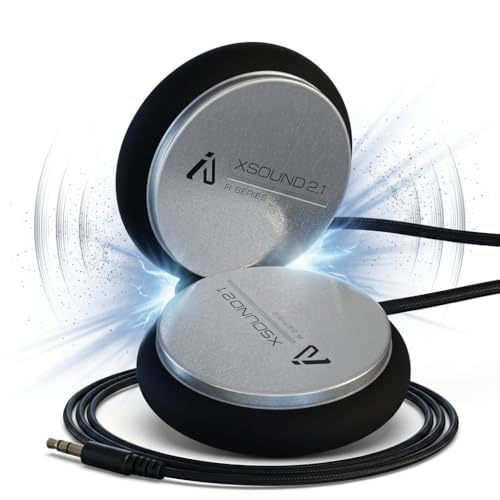
I A S U S High Performance Helmet Speaker Headphones

OutdoorMaster Kelvin II Ski Snow Sport Helmet

Motorcycle Bluetooth Headset Speaker Skiing Earphone Waterproof Bluetooth Helmet Headset

Ear Buds Invisible Small Mini Sleep Earbuds Headphones Wireless Bluetooth

MIPEACE Wired Ear Protection Headphones

Syphon SoundPro Ultra-Thin Bluetooth Moto Headphones

Elgin Ruckus Wireless Bluetooth Earplug Headphones
More Details On Our Top Picks
OutdoorMaster’s drop-in layout keeps the audio gear tucked into a ski helmet instead of hanging off your ears, which matters once you start layering balaclavas and goggles. The big-button control style also makes more sense on a chairlift than a tiny touch surface, especially with gloves on.
The 10-hour working time gives you enough room for a full day on the mountain or a long travel day to the resort. Compared with the I A S U S wired option, this one suits skiers who want simpler Bluetooth convenience and fewer cable tangles.
Strong Points
- Drop-in design stays helmet-friendly instead of adding bulk around the ear.
- Bluetooth 5.3 points to steadier wireless pairing for daylong ski use.
- Big-button controls are easier to handle with winter gloves.
- HD speaker wording suggests a cleaner listening setup for music or calls.
- 10-hour working time fits a full mountain day or weekend travel block.
Things To Consider
- You’ll still want to confirm your helmet has audio-ready spaces before counting on fit.
- Wireless gear means another thing to recharge after a long ski day.
- Sound leakage and isolation will depend on your helmet shell and liner shape.
Feature Rundown
Who It Suits Best
You benefit most here if you want simple helmet audio for skiing and prefer a wireless setup that keeps the exterior clean.
A Better Fit Elsewhere
Syphon SoundPro Ultra-Thin Bluetooth Moto Headphones suit riders who want more helmet-dedicated controls and a thinner 9.6 mm profile.
This one leans old-school in a useful way, because the 3.5 mm audio jack can make life easier for skiers who already use compatible helmet comm gear. Compared with the OutdoorMaster Bluetooth option, you’re trading wireless freedom for a wired connection that can feel more predictable in cold conditions.
That wired setup also helps in mixed-use seasons, from ski helmets to motorcycle lids, so it’s a sensible fit for people who switch gear often. The honest read is that cable routing matters here, and a tidy helmet interior makes the experience much better.
What We Like
- 3.5 mm jack keeps it useful for a wide range of compatible helmet systems.
- Wired audio avoids battery management on short trip days.
- Helmets across ski, snowboard, and moto use are part of the fit story.
- Good option for people who already own a comm setup and want to extend it.
Points To Note
- Cable handling takes a little more care inside a snug helmet liner.
- The setup depends on your existing comm hardware, so compatibility matters.
- Wireless convenience is absent, which some skiers will notice right away.
Core Details
Who Should Grab It
You’re the best match here if you already use wired helmet audio and want a simple upgrade path without switching your whole setup.
Swap It Out When
OutdoorMaster Ski Helmet Drop-in Headphones Wireless Bluetooth suits skiers who want fewer cables and a more self-contained Bluetooth setup.
You’re looking at a full helmet here, not just audio gear, so this pick makes sense for someone replacing a tired ski lid or building a fresh winter setup. The adjustable dial fit should help the helmet sit more evenly around the head, which matters when you’re wearing goggles and a neck gaiter.
Its 14 vents make a practical difference on warmer spring laps or long climbs, though more ventilation can mean a little less sealed-in warmth. Compared with the audio-first options above, this is the stronger all-in-one choice for skiers who want the helmet itself sorted first.
Upsides
- Adjustable dial fit helps the helmet settle more securely on different head shapes.
- 14 vents support airflow during active runs and milder days.
- Suitable for men, women, and youth, which broadens household use.
- Useful for people who want one helmet to cover several winter seasons.
Softer Spots
- This is a helmet-first pick, so audio is something you add separately.
- More venting can feel less cozy during very cold chairlift rides.
- Fit still depends on head shape, even with a dial adjustment.
Details At A Glance
Made For
You get the most value here as a skier or snowboarder who wants a dependable helmet with adjustable fit rather than a separate audio accessory.
Look Elsewhere When
OutdoorMaster Ski Helmet Drop-in Headphones Wireless Bluetooth fits better for skiers who already own a compatible helmet and mainly want audio.
This headset sits in the middle ground between basic helmet audio and a more feature-heavy commuting setup. The ultra-thin build should help with tighter helmet shells, and the waterproof wording is useful for slushy weather or damp lift days.
Noise cancellation is the most eye-catching part, though real-world comfort will still depend on how your helmet liner and speaker cutouts line up. Compared with the simpler OutdoorMaster unit, this one feels better suited to people who move between ski days, motorcycle rides, and other helmet use.
Positives
- Ultra-thin profile helps reduce pressure inside snug helmets.
- Waterproof wording adds some comfort for wet winter conditions.
- Noise cancellation can help cut down background chatter on the lift.
- Broad helmet compatibility makes it useful across more than one activity.
- Bluetooth format keeps the setup cleaner than a wired tangle.
Areas To Watch
- Fit depends on helmet shape, so a tight shell may still feel crowded.
- Feature-heavy gear can take more fiddling during first setup.
- Waterproof wording helps with weather exposure, but it doesn’t replace careful storage after a wet day.
Spec Overview
The Right Fit
You’re a strong match here if you want one helmet audio unit for skiing and other helmet-based rides, with a thin profile doing the heavy lifting.
Where A Sibling Pick Shines
I A S U S High Performance Helmet Speaker Headphones suit skiers who already prefer a wired 3.5 mm connection and want a simpler signal path.
These are less about ski-helmet integration and more about sheer size, which matters when your ear space is already tight under cold-weather gear. The tiny profile can feel appealing for small ear canals or anyone who dislikes the bulk of larger headphones.
The charging case has a standing style and a battery display, so you can check status without guessing, which is handy before a travel day or lodge night. Compared with the more helmet-specific picks, this one fits best when low profile matters more than dedicated ski mounting.
Bright Spots
- Very small shape suits tight ear spaces and minimal carry needs.
- Bluetooth 5.3 supports steadier wireless pairing.
- Low-latency design is useful for video, calls, or casual media.
- Battery display on the case reduces guesswork before you head out.
Room For Improvement
- This is not a helmet-dedicated audio system, so fit depends on your setup.
- Very small gear can be easier to misplace during travel or glove changes.
- Charging case styling is quirky, which some people will love and others won’t.
Feature Card
Whose Shelf It Belongs On
You’ll appreciate this most as a compact wireless option for small ears, travel bags, or low-profile listening outside the helmet.
Reach For A Different Pick When
OutdoorMaster Ski Helmet Drop-in Headphones Wireless Bluetooth suit you better for actual ski-helmet audio and a more purpose-built fit.
MIPEACE makes sense for the person who wants a wired, utilitarian setup that can move from a worksite bag to occasional cold-weather use without much fuss. The earplug-style design is the key thing here, because it keeps the profile compact and familiar.
Since this product leans toward work-safety use, it’s the least ski-focused item in the list, but that crossover can still appeal to people who like simple wired gear. The catch is that you’ll want to think carefully about comfort under a helmet, since a work-first shape doesn’t always feel as natural on the slopes.
Reasons To Buy
- Wired setup avoids battery management.
- Earplug-style profile keeps things compact.
- Useful for people who already own similar work gear.
- Simple build can be easier to store in a tool bag or gear bin.
Small Caveats
- Work-safety focus means ski comfort is more of a secondary consideration.
- Wired routing may feel clumsy inside a helmet.
- Fit and comfort will depend heavily on how your helmet liner sits around the ear.
Key Specs
Built With In Mind
You’ll get the most value here as someone who already likes wired earplug-style gear and wants a simple carry item for utility work and occasional helmet use.
Not Your Match When
Syphon SoundPro Ultra-Thin Bluetooth Moto Headphones fit skiers better when you want dedicated helmet audio with more modern wireless control.
Syphon leans hard into the details that matter on a snowy ride: a 9.6 mm thin profile, glove-friendly controls, and an IP55 rating for dust and water exposure. That combination makes a lot of sense for riders who wear gloves most of the day and do not want to wrestle with tiny buttons.
The built-in mic adds another layer of usefulness for riders who split time between music and calls, though the more capable design can mean a bit more setup time than a plain drop-in speaker kit. Compared with the OutdoorMaster headphone kit, this one looks more tuned for riders who want a fuller helmet audio feature set.
What We Like
- 9.6 mm thickness helps keep the headset discreet inside a helmet.
- Glove-friendly controls make sense in cold weather.
- Built-in microphone adds call-ready convenience.
- IP55 rating gives useful exposure resistance for dusty or wet conditions.
- Universal fit language broadens its usefulness across helmet types.
Honest Caveats
- More controls can mean a slightly longer first setup.
- Helmet fit still matters, so thin hardware does not solve every comfort issue.
- Water resistance helps in weather, but drying and storage still matter after a wet ride.
Technical Sheet
Perfect Match For
You’re in the right spot here if you ride with gloves, care about thin hardware, and want a helmet audio setup that feels more complete.
Another Choice May Suit
OutdoorMaster Ski Helmet Drop-in Headphones Wireless Bluetooth fit better for skiers who want a simpler, less feature-dense setup.
Elgin takes a different path from the helmet-mounted picks by using an earplug-style body with a wireless Bluetooth connection. The 25 dB NRR, or Noise Reduction Rating, signals how much the design is built to reduce sound exposure, which matters for people who spend time around loud gear or busy outdoor environments.
The 12-hour battery time gives you a strong all-day cushion, and the IP65 sweatproof design adds useful protection for active use. Compared with the thinner Syphon headset, this one feels more like a utility-first audio option for people who want earplug shape and longer runtime.
Best Bits
- 25 dB NRR gives the product a serious hearing-protection angle.
- 12-hour battery supports longer days away from a charger.
- IP65 sweatproof build suits active use and rougher environments.
- Noise-canceling mic helps keep calls cleaner in louder spaces.
- Earplug shape keeps the silhouette compact.
Things To Watch
- This is more of an earplug audio pick than a purpose-built ski helmet speaker kit.
- The hearing-protection focus may be more than some casual skiers need.
- Wireless use still means charging and basic battery planning.
Feature Snapshot
Who Will Love This
You’ll appreciate this most if you want an earplug-style wireless option that puts runtime and sound reduction ahead of ski-specific mounting.
Where Shoppers Go Wrong
OutdoorMaster Ski Helmet Drop-in Headphones Wireless Bluetooth suit skiers better when the goal is an actual helmet audio fit rather than a broader earplug tool.
How To Choose The Right Earbuds For Skiing With A Helmet
Start With Helmet Fit, Not Sound Specs
Helmet compatibility comes first because even good audio gear feels wrong when the shell presses on it. Look for drop-in designs, slim housings, or speaker kits made for helmets, then match that to your own liner thickness and ear pocket depth.
Skiers who wear thicker balaclavas or insulated ear pads need more clearance than people using a thin base layer. A tight shell can make a great-sounding option feel clumsy in practice.
Choose Controls You Can Handle In Gloves
Glove-friendly buttons matter far more on a cold lift than they do in a warm living room. Big physical controls usually beat tiny touch surfaces because you can find them by feel without exposing your fingers for long.
That point matters most on windy days, in gloves with stiff cuffs, or during quick pauses between runs. Simple control layout saves frustration.
Match The Connection To Your Routine
Bluetooth keeps the setup cleaner and suits skiers who want fewer cords inside a helmet. Wired options still have a place for people who already use helmet comm gear or want to avoid another battery to charge.
The trade-off is straightforward, wireless gives you convenience, while wired gear can feel more predictable and easier to integrate with existing systems. Your routine decides the better fit.
Think About Runtime, Weather, And Maintenance
Long lift days and travel weekends call for stronger battery life, while short local sessions can get by with less. Water resistance and sweat resistance also matter because snowmelt, damp liners, and packed gear are part of winter life.
After a wet day, simple drying and careful storage help any helmet audio gear last longer. Nothing fancy, just the kind of upkeep that keeps small electronics from becoming annoying.
Things Worth Knowing First
Common Shopping Slip Ups
People often focus on sound terms and ignore the helmet interior, which is backwards for this category. A slim, well-placed speaker that fits your shell usually beats a louder option that sits awkwardly on your ears.
Another common miss is buying a wireless set without checking whether the controls can be used through gloves. That’s where a tidy button layout matters more than flashy feature lists.
The Case For Spending Up
Higher-tier picks usually pay for thinner hardware, better weather resistance, stronger battery life, or more thoughtful control placement. You’re not just paying for audio, you’re paying for easier daily use in cold, cluttered conditions.
That upgrade makes sense for frequent skiers, snowmobile riders, or anyone who hates fussing with gear between runs. For occasional resort days, a simpler option can still be enough.
Frequently Asked Questions
Can you use regular earbuds under a ski helmet?
You can, but ordinary earbuds often create pressure points once the helmet tightens around them. Helmet-specific audio usually fits more cleanly and feels easier to live with.
Is Bluetooth or wired better for skiing?
Bluetooth is easier for most skiers because it removes cords from the helmet area. Wired gear still makes sense when you already use a helmet comm setup or prefer a direct connection.
Do you need waterproof earbuds for skiing?
You don’t need extreme weather ratings for every mountain day, but moisture resistance helps. Snow, sweat, and damp storage spaces are common enough to make basic protection worthwhile.
What matters most for helmet audio fit?
Thickness, control size, and helmet compatibility matter more than flashy sound claims. A slim housing with controls you can reach in gloves usually feels better on the mountain.
Are ski helmet headphones good for calls?
Some are, especially models with built-in microphones or noise-reducing mic design. The result still depends on wind, helmet fit, and how busy the environment is around you.
Closing Thoughts
The best choice depends on whether you want helmet-mounted audio, a wired comm-friendly setup, or a full winter helmet replacement. OutdoorMaster’s drop-in headphones and Syphon’s thin Bluetooth headset cover the strongest ski-specific use cases, while the I A S U S wired option suits a more established helmet system. Elgin, MIPEACE, and the tiny Yihou-style pick all serve narrower needs, but they can still make sense for the right routine. For most skiers, comfort and fit matter more than any spec line on the listing.
