

Steady shifting matters more than flashy parts when your bike gets daily use, from rough commutes to weekend trail time. You need gear components that match your drivetrain, fit your frame, and keep maintenance from turning into a chore. This roundup focuses on practical choices for riders refreshing worn parts, tuning an older setup, or building a bike that feels predictable on the road. The right match saves you from the frustrating half-step between gears that can make a ride feel choppy.
Quick Look at the Shortlist

SRAM GX Eagle Rear Derailleur 12-Speed Long Cage 52t Max

Shimano FD-M310 Aultus Front Derailleur 28.6-34.9-mm 3×7/8 Speed Low-Clamp

Shimano ERDM3100SGS Alivio M3100 Rear Derailleur 9-Speed Shadow Design SGS Long Cage
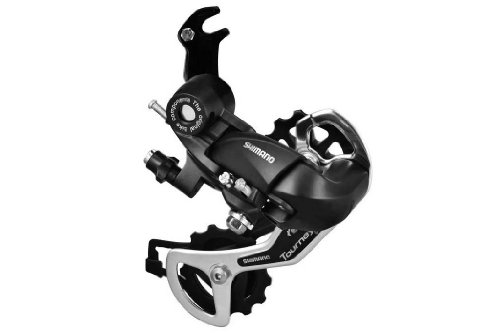
REAR DERAILLEUR RD-TY300 TOURNEY 6/7-Speed Direct Attachment Type

Bicycle Brake Levers Shifter 3×7 21 Speed Shifter with Gear Indicator and V Brake Cable for Moutain Bike Road Bike MTB

Bicycle Brake Levers Shifter 3×8 24 Speed Shifter with Gear Indicator and V Brake Cable for Moutain Bike Road Bike MTB

2 Pcs Universal Bicycle Bike Derailleur Hanger Frame Gear Tail Hook Silver Tone Derailleur Hanger 2 Pack 2.53×1.66

SRAM GX Bicycle Rear Derailleur 1 x 11 Speed Long Cage

Finish Line Gear Floss Microfiber Cleaning Rope Bike Detailing 3 Pack

2 Pcs Universal Bicycle Bike Derailleur Hanger Frame Gear Tail Hook Silver Tone Bike Components Parts Derailleur Hanger 2 Pack 2.38×1.57
More Details On Our Top Picks
Wide-range mountain setups usually ask more from a rear derailleur, and this GX Eagle model is built with that job in mind. The long cage gives extra chain management room, and the 52-tooth max cassette capacity matters most on steep climbs where keeping cadence steady feels better than grinding.
Compared with the simpler Tourney option later in this list, this one sits in a much more performance-focused lane. Riders building a trail bike or upgrading a 12-speed drivetrain tend to value the cleaner chain control, though the trade-off is that you need the rest of the system to match.
Strong Points
- 12-speed setup fits modern mountain drivetrains.
- Long cage helps manage larger gear ranges.
- 52-tooth max capacity suits steep terrain and mixed climbs.
- Good match for riders who want smoother cadence changes on the trail.
Points To Note
- It only makes sense with a compatible 12-speed drivetrain.
- More advanced setups usually need careful cable and hanger alignment.
- Trail use can expose it to grime, so routine cleaning matters.
Feature Snapshot
Who It Suits Best
Trail riders and mountain commuters with a 12-speed setup get the most value here.
A Better Fit Elsewhere
Shimano ERDM3100SGS Alivio M3100 Rear Derailleur suits riders who want a calmer 9-speed setup for city and hybrid use.
Front derailleurs matter most on older triple crank bikes, where chainring changes still do a lot of the work. This FD-M310 Aultus uses a low-clamp design for 28.6 to 34.9 mm tubing, so it fits a common spread of frame sizes without turning the swap into a puzzle.
Against the rear-focused SRAM picks above, this one serves a different kind of drivetrain entirely. You get straightforward compatibility for 3×7 or 3×8 setups, which is handy for riders keeping a dependable older bike on the road rather than chasing a modern 1x conversion.
What We Like
- Low-clamp fit works with common seat tube diameters.
- Built for 3×7 and 3×8 drivetrains.
- Front shifting support helps keep older bikes usable.
- Simple replacement path for maintenance-minded owners.
Room For Improvement
- It serves a narrower drivetrain style than the rear derailleurs in this list.
- Triple-chainring systems need accurate alignment for clean shifts.
- Older bikes may need extra attention to cable condition during installation.
Core Details
Who Should Grab It
You get the best fit here on a dependable older commuter or hybrid with a triple crank.
Where A Sibling Pick Shines
SRAM GX Bicycle Rear Derailleur 1 x 11 Speed Long Cage suits riders moving toward a cleaner single-ring setup.
For mixed city riding, the Alivio M3100 lands in a comfortable middle ground. The Shadow design keeps the profile tidy, which matters on bikes that see curbside storage or tighter clearances, and the SGS long cage gives the derailleur room to handle a broader cassette range.
Compared with the SRAM GX Eagle above, this one is less about aggressive trail ambition and more about steady everyday shifting. That makes it a sensible match for commuters and recreational riders who want a 9-speed rear derailleur that feels calm rather than fussy.
Bright Spots
- 9-speed format stays common on many reliable everyday bikes.
- Shadow profile keeps the derailleur tucked in closer to the frame.
- SGS long cage supports broader gear combinations.
- Good fit for riders who want clean, predictable rear shifting.
Softer Spots
- It only helps where the drivetrain is already 9-speed compatible.
- Shadow-style parts still need a straight hanger for smooth operation.
- Street grime can build up, so periodic wipe-downs are worth it.
Details At A Glance
Built With In Mind
Commuters and weekend riders with a 9-speed setup will usually find this the least fussy choice.
Skip It When
Shimano FD-M310 Aultus Front Derailleur fits better for riders restoring a triple-chainring bike instead of a 1x rear setup.
The Tourney RD-TY300 is aimed at simple, older drivetrains where the goal is getting back on the road without overcomplicating the swap. Direct attachment makes the mounting approach straightforward, and that can save time on a basic repair bench or in a home garage.
Relative to the Alivio M3100 above, this one is clearly more basic, but that is also the point. Riders with a 6-speed or 7-speed bike, especially an entry-level commuter or a child-sized bike, usually care more about fit and function than polish.
Best Bits
- Works with 6-speed and 7-speed systems.
- Direct attachment keeps the installation path simple.
- Good match for basic repairs and refresh jobs.
- Fits the needs of many older casual bikes.
Areas To Watch
- It is a plain option, so expectations should stay modest.
- Older drivetrains can need extra cable tuning after installation.
- Best results depend on a straight hanger and clean drivetrain parts.
Technical Sheet
The Right Fit
You get the most from this on a basic commuter, kid’s bike, or older runabout that just needs to shift again.
Another Choice May Suit
SRAM GX Eagle Rear Derailleur 12-Speed Long Cage 52t Max suits riders stepping into a far more demanding trail drivetrain.
This LITEONE shifter pairs brake levers with shifting, so it suits a rebuild where you want to refresh the cockpit as a single job. The gear indicator helps you see the selected ratio at a glance, which is useful on casual rides and stop-and-go city routes.
Compared with the pure derailleur parts earlier in the list, this is more about rider control than the rear mechanism alone. It works well for budget mountain bikes and road bikes that still run a 3×7 layout, though the integrated setup asks for a little more attention during installation.
Upsides
- Combines brake levers and shifting in one unit.
- Gear indicator adds simple visual feedback.
- V brake cable setup fits common everyday bikes.
- Useful for riders who prefer a tidy cockpit refresh.
Minor Gripes
- Integrated controls can take longer to set up than a plain derailleur swap.
- Best matched to bikes that already use 3×7 gearing.
- Cable routing and handlebar fit deserve a careful check before install.
Feature Rundown
Whose Shelf It Belongs On
Budget rebuilds and garage restorations that need a full cockpit swap fit this shifter best.
Look Elsewhere When
Shimano ERDM3100SGS Alivio M3100 Rear Derailleur is the cleaner pick for someone who only needs a rear shifting part.
The 3×8 version mirrors the previous LITEONE shifter but widens the gear count to 24-speed, which gives you a little more range for rolling terrain. That extra spread can feel helpful on mixed commutes where one hill is easy and the next one asks for a lower gear.
It still serves the same kind of bike cockpit, though this version makes more sense for riders who already run an 8-speed rear setup. The honest read is that this belongs on an everyday bike where you want clear shifting positions and a single-piece control layout.
Highlights
- 3×8 setup expands gear choices over the 3×7 version.
- Gear indicator makes shift position easier to read.
- Integrated brake and shift control keeps the handlebar tidy.
- Good match for riders covering varied streets and inclines.
Things To Consider
- It still needs a compatible 3×8 drivetrain to make sense.
- Combined controls can ask for more setup patience than separate parts.
- Handlebar fit and cable routing should be checked before you commit.
Spec Overview
Made For
You get the most value here on a commuter or trail-ready bike already set up for 3×8 gearing.
A Better Fit Elsewhere
Finish Line Gear Floss Microfiber Cleaning Rope Bike Detailing 3 Pack makes more sense for riders focused on keeping the drivetrain clean rather than replacing cockpit controls.
A derailleur hanger is the small frame part that connects the rear derailleur to the bike, and it matters more than most people expect. This AUTUT 2-pack gives you a spare on hand, which is useful on road, mountain, or cyclocross bikes where a bent hanger can stop a ride quickly.
Compared with the full derailleur options above, this is a maintenance part rather than a shifting mechanism. That makes it a smart add-on for riders who keep tools in the garage and prefer being prepared before a bent hanger turns into a missed ride.
Positives
- Two-piece pack gives you a spare right away.
- Universal format broadens the chance of fit on many bikes.
- Useful backup part for roadside or workshop repairs.
- Small size makes storage easy in a parts drawer or kit pouch.
Small Caveats
- Hanger fit still depends on the frame style, so matching matters.
- It solves a specific repair need rather than a full drivetrain issue.
Feature Card
Best Suited To
Home mechanics and riders who keep spare parts nearby benefit most from this hanger pair.
Reach For A Different Pick When
REAR DERAILLEUR RD-TY300 TOURNEY 6/7-Speed Direct Attachment Type suits you better when the drivetrain itself needs replacement, not just the hanger.
Single-ring drivetrains usually feel cleaner at the handlebar, and this GX rear derailleur is built for that style. The 1 x 11 speed layout keeps shifting simpler, while the long cage leaves room for a wider cassette so climbs and flats can live in the same build.
Compared with the 12-speed GX Eagle earlier in the list, this version gives you a slightly older but still capable path into a tidy 1x setup. Riders who want fewer front-end parts and a more straightforward shift pattern often find that practical, especially on hardtails and all-purpose trail bikes.
Reasons To Buy
- 1×11 format keeps the drivetrain simpler.
- Long cage supports broader rear gearing.
- Good fit for riders moving away from front shifting.
- Useful on trail bikes and mixed-use builds.
Worth Noting
- It only belongs on an 11-speed compatible setup.
- 1x systems still need the rest of the drivetrain matched carefully.
- Trail use means dirt buildup can become part of routine upkeep.
Core Details
Perfect Match For
Trail riders and commuters who want a clean single-ring drivetrain should feel right at home with this pick.
Where Shoppers Go Wrong
Shimano ERDM3100SGS Alivio M3100 Rear Derailleur is the safer choice for anyone staying on a 9-speed drivetrain rather than moving to 1×11.
Drivetrain care matters because dirt in the chainline and cassette can make shifting feel sticky long before parts wear out. This microfiber rope is shaped for detailed cleaning around tight spaces, so it suits the kind of upkeep that keeps derailleur gears moving cleanly between rides.
Unlike the replacement parts above, this one supports the parts you already own instead of changing them out. For riders who commute in wet weather or put in regular weekend miles, a three-pack is handy because you can keep one in the garage and another in a travel kit.
Best Bits
- Microfiber rope reaches around drivetrain tight spots.
- Three-pack format supports regular maintenance.
- Useful for chain, cog, and derailleur area cleaning.
- Compact and easy to keep with bike tools.
Trade Offs
- It cleans, but it does not replace worn gear parts.
- Best results come from pairing it with a proper cleaning routine.
- Some riders will still want a brush for heavier buildup.
At A Glance
Who Will Love This
Commuters and home mechanics who keep their bikes in regular rotation will get steady value from this cleaner.
Consider Something Else When
SRAM GX Bicycle Rear Derailleur 1 x 11 Speed Long Cage makes more sense if your real need is a drivetrain upgrade rather than maintenance.
This AUTUT hanger pair serves the same repair niche as the earlier silver-tone hanger, but the listed dimensions differ slightly and that can matter for frame matching. A spare hanger is the kind of small part that earns its keep the moment a derailleur takes a knock on a trail rack or during transport.
Compared with the first AUTUT hanger, this version better suits riders who are comparing frame fit by measurement and want a compact backup part in the tool kit. That makes it a sensible choice for cyclocross, road, and mountain bikes, though exact frame compatibility still deserves a close look before you plan a repair.
Standout Traits
- Two-pack design gives you a ready spare.
- Compact size makes it easy to store with tools.
- Useful for riders who maintain more than one bike.
- Good backup part for transport-related mishaps.
Honest Caveats
- Hanger matching is frame-specific, so measurement matters.
- It only solves a small part of the repair chain.
Feature Card
Right Fit
You get the most out of this on a multi-bike setup where keeping a matching spare makes sense.
Swap It Out When
REAR DERAILLEUR RD-TY300 TOURNEY 6/7-Speed Direct Attachment Type fits better when the whole shifting system needs a refresh.
How To Choose The Right Bicycle Derailleur Gears
Match The Drivetrain First
Speed count comes first because a derailleur that fits the wrong system creates more problems than it solves. A 12-speed setup needs a different match than a 9-speed commuter bike or a 6/7-speed town bike, and the chain, cassette, and shifter all need to speak the same language.
Front and rear parts also play very different roles. A front derailleur like the Shimano FD-M310 Aultus belongs on older triple-chainring bikes, while rear units like the SRAM GX Eagle or Shimano Alivio M3100 handle cassette movement at the back.
Check Cage Length And Range
Long cage means the derailleur has more room to manage chain length changes as you move across larger gear spans. That matters on mountain bikes and mixed terrain bikes with wide cassettes, where a smaller cage can feel cramped or mismatched.
The trade-off is simple: more range usually means more system dependence. You get the most benefit when your cassette, shifter, and derailleur are built for the same gear spread, so the cleanest ride comes from matching the whole drivetrain instead of one part at a time.
Pay Attention To Mount Style And Frame Fit
Mount type affects whether a part slides into place smoothly or turns into a long afternoon. Low-clamp front derailleurs fit specific seat tube diameters, direct-attachment rear units suit compatible frames, and universal hangers still need the right frame profile to line up properly.
That frame-fit check matters even more on older bikes and mixed fleets. A spare hanger is useful, but only the right hanger saves the day, and a clean install usually starts with measuring before you order.
Think About Daily Use, Not Just The Spec Sheet
Commuters usually care about steady shifting, easy upkeep, and parts that do not demand constant attention. Trail riders often care more about chain control, wider cassette compatibility, and a compact profile that stays out of the way when the terrain gets rough.
Maintenance also belongs in the decision. A derailleur that lives in wet weather, road grit, or dusty trail conditions needs regular cleaning and occasional adjustment, so a simpler setup may suit casual riders better than a highly tuned one.
What To Weigh Before You Order
Wrong Turns To Avoid
The most common miss is buying by brand name alone and skipping compatibility. A 1×11 rear derailleur will not solve a 3×7 problem, and a front derailleur will not help a bike that only needs a rear replacement or a spare hanger.
Another easy mistake is ignoring frame measurements. Clamp size, direct attachment style, and hanger shape all influence fit, so the part that looks close on the page can still be wrong on the bike.
Where The Extra Money Goes
Higher-tier derailleur gears usually cost more because they support wider ranges, tighter profiles, or more precise shift behavior. Materials, cage design, and system-specific engineering all add up, especially on modern 1x and 12-speed setups.
The upgrade makes sense when you ride often or push harder terrain. A commuter on a basic town bike may be perfectly fine with a simple Tourney-level part, while a trail rider or someone rebuilding a premium drivetrain usually gets more value from the better-supported option.
Frequently Asked Questions
What does derailleur cage length change?
Cage length affects how much chain slack the derailleur can manage. Long cage versions usually fit larger gear ranges more comfortably.
Do front and rear derailleurs interchange?
No, they serve different jobs and mount differently. A front derailleur moves the chain across chainrings, while a rear derailleur handles cassette shifts.
Why does hanger shape matter so much?
The hanger is the link between the frame and the rear derailleur. A poor match can affect alignment and shift quality right away.
Is a 1x setup easier to maintain?
A single-ring setup removes front shifting, so the handlebar side feels simpler. The rear system still needs proper adjustment and regular cleaning.
Can you replace a derailleur without changing everything else?
Sometimes, but only inside the same speed family and compatible frame setup. Chain, shifter, cassette, and mounting style all need to line up.
Final Thoughts
The best Bicycle Derailleur Gears for you depend less on hype and more on the bike sitting in your garage. A commuter with an older triple setup needs something very different from a trail bike running 12-speed parts, and a spare hanger can matter just as much as a full derailleur in the right moment. Match the part to your drivetrain, check the frame fit, and keep everyday use in mind. That approach saves time now and makes later maintenance less of a hassle.
