

Choosing a bicycle for a 2 year old is really about fit, control, and how much help you want to give at the start. Some families need a trike with a push handle for walks around the block, while others want a balance bike that lets a child learn steering and foot control at a slower pace. The right choice can make backyard rides, driveway loops, and park paths feel calm instead of chaotic.
That’s why this roundup leans on real use scenarios, not just age labels. You’ll see simple trikes, balance bikes, a helmet, and a few options that grow with a child, so you can match the ride to your space and your patience.
The Shortlist At A Glance

KRIDDO 2-in-1 Toddler Tricycle 2-in-1 with Push Handle

Retrospec Scout Toddler Bike Helmet

Fisher-Price Harley Davidson Toddler Tricycle Ride-On Preschool Toy

Bobike Toddler Balance Bike
cubsala 12 14 16 18 Inch Kids Bike BMX Style Bicycle with Training Wheels
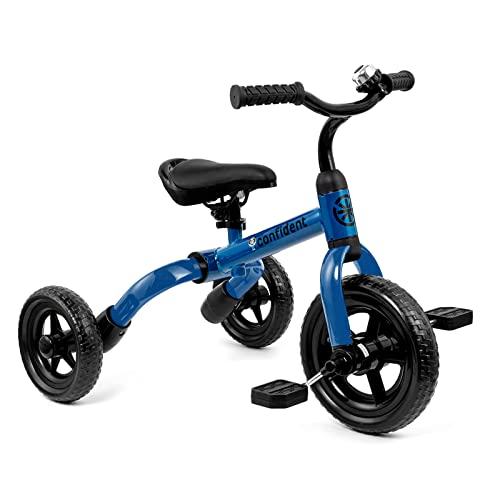
XPIY Tricycle for Toddlers Age 2-5 Years Old

Kkdi Toddler Tricycle for 1-3 3-5 Year Olds

Tricycle for Toddlers 1-3 3-5 Year Olds Spider Toddler Bike

Gotrax KS12 Toddler Balance Bike 12 Inch No-Pedal Bike

Gotrax KS12 Toddler Balance Bike 12 Inch No-Pedal Bike
More Details On Our Top Picks
This one makes the most sense for a parent who wants control first and independence later. The extended push handle helps on sidewalk walks, and the foldable front footrest gives small feet somewhere stable to rest while you guide the ride. That mix works well for a child who likes moving, but still needs a steady hand on busy paths.
Compared with the more playful Fisher-Price Harley Davidson trike, KRIDDO feels more about day-to-day practicality than theme styling. The honest trade-off is that a push-assisted trike adds more hardware, so storage and wipe-down time matter a little more than they do on a simpler balance bike like the Bobike.
Strong Points
- Push handle support helps you steer crowded walks with less back strain.
- Foldable footrest gives tired legs a stable place to rest.
- Two-in-one setup suits a child who still wants guidance now and more independence later.
- Works well for driveway laps, park loops, and short neighborhood outings.
Points To Note
- The added control parts mean more surfaces to keep clean after outdoor use.
- It takes more space than a compact no-pedal bike.
Feature Snapshot
Who It Suits Best
Parents who want guided rides for a younger toddler will get the most from this trike.
A Better Fit Elsewhere
Bobike Toddler Balance Bike works better for a child ready to practice balance without adult steering help.
A helmet belongs in this roundup because a tiny rider’s confidence matters, and a secure fit changes the whole feel of the outing. Retrospec Scout is aimed at toddlers with a 45 to 49 cm head size, so it lines up with the early years a lot of families are shopping for. Ventilation matters on warm afternoons, since a sweaty helmet gets ignored fast.
Compared with the ride-on picks, this is the support item that keeps the whole outing calmer. The trade-off is simple, it only helps when the fit is right, so head measurement should come before color preference. For park paths, driveway practice, or a sibling hand-me-down setup, that’s the kind of detail that pays off.
What We Like
- Multi-sport design gives you one helmet for several riding setups.
- Ventilation helps keep a child more comfortable on warmer days.
- Adjustable fit is useful for a head that still changes size quickly.
- Simple return-path steps in the source data suggest a straightforward ownership experience.
Softer Spots
- The 45 to 49 cm fit window is narrow, so head measurement matters.
- No color detail is provided in the source data.
Feature Card
Who Should Grab It
Families shopping for a first helmet to pair with a toddler trike or balance bike will find the fit range especially useful.
Where A Sibling Pick Shines
KRIDDO 2-in-1 Toddler Tricycle makes more sense for households that want steering help before helmet use becomes the main focus.
Some toddler rides are about motion, and this one leans into play value with lights, sounds, and a motorcycle-inspired look. The adjustable seat helps it stay useful as a child gets taller, which makes it a nicer long-run toy than a single-size novelty piece. For a kid who likes pretend play as much as pedaling, that combination has real charm.
Against KRIDDO’s guided trike setup, this option feels more playful and less about caregiver control. The flip side is that themed features can be what your child notices first, while your job is still making sure the seat setting suits the child’s reach and comfort. That’s a fair trade for families who want the ride itself to feel like part of playtime.
Highlights
- Lights and sounds make the ride feel engaging right away.
- Adjustable seat helps the trike stay in use as your child grows.
- Preschool-friendly size works well for driveway and patio play.
- Themed styling adds strong appeal for kids who love vehicle play.
Areas To Watch
- Sound features may matter more to a child than to the adult steering the purchase.
- Decorative design can hide the simpler fact that this is still a toddler trike.
Details At A Glance
Built With In Mind
Families who want a fun-themed trike for a preschooler will get the most out of this one.
Another Choice May Suit
XPIY Tricycle for Toddlers Age 2-5 Years Old is the calmer match for shoppers who want a folding three-in-one design instead of themed play features.
Balance bikes tend to make sense once a child is ready to push with feet and learn steering without pedals getting in the way. Bobike’s adjustable seat and handlebar give it a useful growth window for ages 2 to 5, so it can stay relevant through a lot of backyard practice. For a child who likes moving at their own pace, that stripped-down format feels very natural.
Compared with the Fisher-Price trike, this pick gives up the fun extras and leans harder into learning balance. The honest trade-off is that the simpler setup asks more from the child at first, so it works best for a family that wants a pure no-pedal training feel. That’s a good match for smooth pavement, a flat driveway, or short route changes around the house.
Upsides
- No-pedal format keeps the focus on balance and steering.
- Adjustable seat and handlebar help the bike stay usable longer.
- Suits a child moving from ride-on toys toward a real bike feel.
- Cleaner design usually means simpler wipe-downs after outdoor use.
Small Caveats
- No pedals means the first learning stage falls fully on foot power.
- The source data does not list wheel material or frame material.
Core Details
Right Fit For
Families who want a simple balance-first trainer for a preschooler will appreciate how direct this setup is.
Swap It Out When
cubsala 12 14 16 18 Inch Kids Bike BMX Style Bicycle with Training Wheels works better for a child already ready to practice with pedals and stabilizers.
This is the pick that starts to feel more like a real bike path than a toy path, especially with the training wheels and coaster brake in play. Coaster brake means the rider slows the bike by pedaling backward, a setup many toddlers find easier to understand than hand brakes. The multiple wheel sizes also make it useful for families who want a bike that can scale a bit with growth.
Compared with Bobike’s no-pedal design, cubsala asks for more readiness but gives back a more traditional cycling feel. The trade-off is that a bike with more size options and pedal hardware usually takes more setup attention, so it suits families who are ready for a bigger transition. For pavement laps and driveway circuits, that extra structure can be a better long-term fit.
Bright Spots
- Training wheels help bridge the step between ride-on toys and pedaling.
- Coaster brake keeps the stopping motion simple for small hands.
- Multiple wheel sizes widen the fit range across childhood.
- BMX-style frame gives the bike a more grown-up feel without becoming too advanced.
Honest Caveats
- More bike than some two-year-olds are ready for right away.
- Assembly and fit checks matter more than they do on a trike.
- Stability depends partly on how well the training wheels are set.
Technical Sheet
Best Suited To
Shoppers who want a pedal bike that still feels approachable for a young child will find this one easy to place.
Look Elsewhere When
XPIY Tricycle for Toddlers Age 2-5 Years Old is gentler for very early riders who still need a folding trike format instead of pedals and training wheels.
Folding designs matter more than people expect, especially in apartments, shared garages, or trunks that already stay busy. XPIY adds a detachable pedal setup and an adjustable seat, so it can adapt as a child moves through early riding stages. That gives it a useful middle ground between a plain trike and a more committed bike-style trainer.
Compared with cubsala’s pedal bike, this one feels easier to store and a little friendlier for stop-and-go family use. The catch is that folding hardware and detachable parts can invite more handling, so this works best for households that don’t mind a bit of setup. For space-conscious families, that trade feels fair.
Reasons To Buy
- Folding frame helps with storage in tight spaces.
- Detachable pedal setup supports more than one riding stage.
- Adjustable seat improves the odds of a better fit.
- Blue finish gives it a clean, simple look.
Room For Improvement
- Folding and detachable parts mean more moving pieces to manage.
- Color and sizing detail are limited in the source data.
Quick Facts
Who Will Love This
Families with limited storage space who still want a flexible early-ride setup will appreciate the folding format.
Reach For A Different Pick When
KRIDDO 2-in-1 Toddler Tricycle is the better fit for caregivers who want a push handle and less folding hardware.
This trike looks set up for daily backyard wandering more than for serious learning milestones. The 4-level adjustable seat gives it a wider fit range, while the two baskets and light wheels add small touches that can keep a child interested. For a gift that still feels practical, that blend works nicely.
Compared with XPIY’s folding format, Kkdi leans more toward simple outdoor fun and less toward storage convenience. The trade-off is that extra play features can mean a little more to clean after dusty driveway use. For families who want a cheerful ride that’s easy to hand over and go, that’s a reasonable compromise.
Best Bits
- Four seat positions help extend the useful range as a child grows.
- Two baskets add room for small toys or found treasures.
- Light-up wheels bring extra play value during evening strolls.
- Friendly color and gift-ready styling work well for birthdays.
Minor Gripes
- More decorative features mean more surfaces to keep tidy.
- Size and material details are limited in the source data.
Spec Overview
Whose Shelf It Belongs On
Parents looking for a cheerful everyday trike with a little extra storage will get the most from this one.
Where A Sibling Pick Shines
Gotrax KS12 Toddler Balance Bike works better for a child who is already moving toward no-pedal balance practice.
The spider-style look and lighting wheels make this one feel more like a play object than a plain trike, which can help with enthusiasm on early rides. The large basket is handy for a stuffed animal, a toy truck, or the kind of tiny cargo toddlers love to carry around the yard. That makes it a fun fit for kids who stay curious about the little details.
Compared with Kkdi’s more practical storage setup, this pick puts more emphasis on visual fun and ride-time excitement. The trade-off is that highly decorative bikes can draw attention away from riding basics, so a calm adult lead still matters. For neighborhood strolls and casual outdoor play, that balance works well.
Positives
- Lighting wheels add a playful touch that stands out at dusk.
- Large basket gives a child room for small carry-along items.
- Trike format stays friendly for very early riders.
- Works well for gift giving thanks to its colorful style.
Points To Note
- Decorative features can make cleanup a little more involved.
- Shape and materials are not fully detailed in the source data.
Feature Rundown
The Right Fit
Shoppers who want a bright, playful trike for casual outdoor fun will find this style easy to enjoy.
Skip It When
Bobike Toddler Balance Bike is the better path for families who want a quieter no-pedal learning setup instead of a decorative trike.
Gotrax KS12 feels built for the child who is ready to roll with less assistance and more freedom to steer. The 12-inch no-pedal format, adjustable seat and handlebar, and EVA tires give it a clean setup for flat drives, sidewalks, and smooth indoor-outdoor transitions. A bell and rear reflector add small practical touches that are easy to appreciate in everyday use.
Compared with the Bobike balance bike, this one leans into a more complete accessory set, which can be useful for families who want a bit more convenience. The trade-off is that every added piece brings another detail to manage during assembly and upkeep. For a child who likes clear motion feedback, the LED light feature adds a bit of fun without changing the bike’s basic purpose.
Standout Traits
- Adjustable seat and handlebar help the fit stay flexible.
- EVA tires usually make for a lighter, simpler ride feel.
- Bell and rear reflector add practical details for routine outings.
- Lightweight build should make handling easier for grown-ups.
Worth Noting
- Accessory-rich builds often need a little more assembly attention.
- Lighting parts may matter more to a child than to a cautious parent.
At A Glance
Perfect Match For
Families who want a well-rounded balance bike with small practical touches will get the most from this one.
A Better Fit Elsewhere
cubsala 12 14 16 18 Inch Kids Bike BMX Style Bicycle with Training Wheels suits a child who is already closer to pedaling than balancing alone.
This listing mirrors the same KS12 balance-bike formula, so the real question is which product page and finish you prefer. The core appeal stays the same, a lightweight no-pedal bike with adjustable fit, EVA tires, a bell, and a rear reflector for simple outings. For a child who likes quick starts and short rolling practice, that package covers the basics neatly.
Compared with the other Gotrax KS12 entry, this version serves as a solid backup choice rather than a separate category shift. The only trade-off worth calling out is that repeated similarity can make the decision feel less about features and more about listing details. That makes it a sensible final option for families who just want the KS12 setup in the exact listing they trust most.
Strong Points
- Same easy-to-handle balance-bike layout as the other KS12 listing.
- Adjustable components help support a longer usable window.
- Lightweight feel can make storage and moving around simpler.
- Bell and reflector add everyday usefulness.
Areas To Watch
- The product details mirror the other KS12 listing closely.
- That overlap can make comparison harder than it needs to be.
Core Details
Made For
Shoppers who already know they want the KS12 shape and feature set will be comfortable here.
Look Elsewhere When
Retrospec Scout Toddler Bike Helmet is the better companion piece for families who still need a properly sized helmet first.
How To Choose The Right Bicycle For 2 Year Olds
Start With Balance Before Speed
At age 2, the biggest question is not how fast the ride goes, it’s how stable it feels. Trikes give more support, while balance bikes teach a child to steady the body and steer with feet on the ground.
A child who is still cautious around new movement usually does better with a trike or a push-assisted model. A child who already runs confidently on pavement may be ready for a no-pedal bike sooner than you expect.
Match The Ride To Your Space
Driveways, sidewalks, apartment halls, and parks each favor a different setup. Folding trikes are easier to store, while balance bikes are usually lighter to lift and move.
Storage matters more than people admit. A larger BMX-style bike can be a good step up, but it asks for more room in a garage or closet than a compact trike.
Look At Fit, Not Just Age Labels
Age ranges are only a starting point. Seat height, handlebar reach, and the rider’s leg length tell you much more about comfort and control.
Adjustable parts help, especially for families hoping to use the same ride through more than one season. A snug, natural fit keeps the child focused on steering instead of wrestling the bike.
Choose Extras That Support Real Use
Light-up wheels, baskets, bells, and push handles sound playful, but they should serve the ride instead of crowding it. In a busy kitchen of family routines, simpler is often easier to live with.
Think about where the bike will live, who will carry it, and how much cleanup it will need after muddy afternoons. The best match is the one that fits the child and your daily rhythm together.
Things Worth Knowing First
Common Shopping Slip Ups
Many families get pulled toward lights, colors, and theme styling before checking seat reach or wheel size. That usually leads to a ride that looks fun but feels awkward after the first outing.
Another common miss is choosing a pedal bike too soon. For a very young child, the smoother path often starts with a trike or balance bike that matches current coordination.
What The Higher Tier Buys
More expensive options in this category usually bring adjustability, better hardware, or extra features like folding frames and added accessories. Those details matter most when you plan to use the ride often or pass it through multiple stages.
You also tend to get a more polished fit and feel. That can be worth it for a family that rides every week, while a simpler setup may be enough for occasional backyard circles.
Frequently Asked Questions
What type of bike is best for a 2 year old?
A tricycle or balance bike usually fits this age best. The right choice depends on whether your child needs more stability or is ready to practice balance.
Should a 2 year old use pedals?
Some can, but many are not ready yet. No-pedal options often make the first riding stage feel easier and less frustrating.
Do training wheels help at this age?
They can help a child feel steadier on a bike with pedals. They work best for children who already have enough coordination to start learning steering and braking.
How do you size a toddler bike?
Seat height and leg reach matter more than the age number on the box. Your child should be able to place feet down comfortably and steer without stretching too far.
Is a helmet necessary with a toddler bike?
A properly fitted helmet is a smart match for any riding setup. The Retrospec Scout in this roundup shows why a good fit range matters so much.
Closing Thoughts
The best bicycle for 2 year olds is the one that matches your child’s current confidence, not the one that looks most advanced. KRIDDO and XPIY lean toward guided early riding, while Bobike and Gotrax make more sense for balance practice. Fisher-Price and Kkdi add more playful personality, and cubsala gives you a more traditional bike path. Choose the ride that fits your space, your routine, and your child’s stage, and the whole thing feels a lot easier.
