

You want a bike display that does more than light up the bars, it should make distance, speed, route data, and mounting feel easy on a real ride. That matters on rainy commutes, long training days, and weekend spins where you’d rather focus on the road than on fiddly controls.
The list below covers straightforward wireless computers, hidden tracker mounts, and premium navigation units, so you can match the gear to your setup. Some picks suit entry-level riders, while others make more sense for riders who want deeper training or a cleaner cockpit.
Quick Look At The Shortlist
CooSpo Bike Computer Wireless GPS

PerfiPro Airtag Bike Mount

CooSpo BC26 Cycling Computer

iGPSPORT BSC100S GPS Bike Computer

Garmin Edge 540 GPS Cycling Computer

typecase Bike AirTag Holder

CYCPLUS GPS Wireless Bike Computer

SIGMA Sport ROX 11.1 EVO GPS Bike Computer

Bikevee GPS Bike Computer
More Details On Our Top Picks
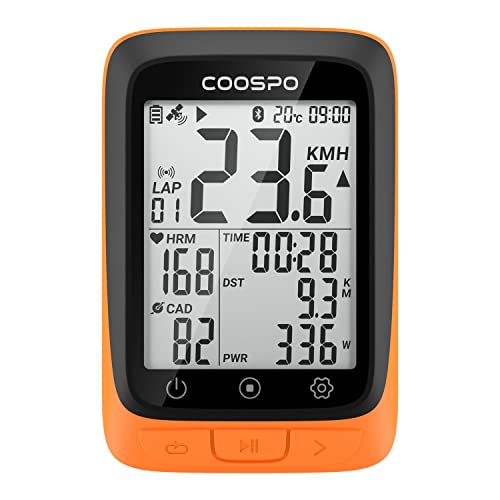
CooSpo’s wireless layout keeps handlebar clutter down, which helps on commuter bikes and weekend road setups. The 2.4 inch LCD screen gives you a readable face without making the unit bulky, and the auto backlight is a handy touch for dim starts and late returns.
Bluetooth and ANT+ support make it easier to pair with common cycling sensors, so this pick fits riders who want a little more data without jumping into a complex head unit. The trade-off is that the feature set stays focused rather than fancy, which suits many everyday cyclists just fine.
Strong Points
- Wireless setup helps keep the cockpit tidy.
- 2.4 inch LCD is easy to read at a glance.
- Auto backlight helps during early starts and evening rides.
- Bluetooth and ANT+ widen sensor compatibility.
- Good fit for routine mileage tracking on road or hybrid bikes.
Things To Consider
- It stays focused on core ride data, so power users may want more advanced mapping elsewhere.
- Screen size is practical, though not expansive.
- Setup and button flow may feel simple rather than deeply customizable.
Feature Snapshot
Who It Suits Best
You fit this pick best if you want a straightforward bike computer for road miles, commute tracking, or casual fitness rides.
A Better Fit Elsewhere
Garmin Edge 540 suits riders who want deeper training and navigation tools, especially for structured workouts and longer route planning.
This one is less about ride stats and more about keeping an AirTag housed in a low-profile way. On an electric bike or scooter that already has a busy frame, a hidden mount can look cleaner than a visible add-on, and that’s the main appeal here.
The trade-off is obvious, since this is a tracker case rather than a display unit. It suits you best when discretion matters more than seeing speed or trip data at the bars.
What We Like
- Hidden case design keeps the tracker out of sight.
- Works well for bikes and scooters with clean frames.
- Simple concept, so there’s little to learn after mounting.
Points To Note
- It does not replace a cycling computer for ride data.
- Mount placement matters, so you’ll want to check frame fit before installing.
- AirTag is not part of the package.
Core Details
Who Will Love This
You suit this mount best if you want a hidden place for an AirTag on a bike or scooter and do not need a screen at all.
Swap It Out When
CooSpo Bike Computer Wireless GPS is the better fit for commuters who want actual speed and ride metrics on the handlebar.
The BC26 lands in a good spot for new road cyclists who want the basics without a steep learning curve. Its wireless GPS format keeps the setup neat, and the automatic backlight helps the screen stay usable in morning shade or under streetlights.
Compared with the CooSpo Wireless GPS above, this one feels tuned more directly toward first-time computer use. That makes it a sensible starter choice, though riders who already know they want deeper data may grow past it sooner.
Positives
- Friendly for first-time bike computer setup.
- Wireless design keeps cables out of the way.
- Automatic backlight helps in low light.
- Good match for road bikes and regular mileage logging.
Small Caveats
- It stays centered on basics, so advanced riders may want more depth.
- Screen and menu flow are intentionally simple.
Details At A Glance
Built With In Mind
You fit this model best if you’re starting out with ride tracking and want something uncomplicated for a road bike.
Another Choice May Suit
iGPSPORT BSC100S GPS Bike Computer suits riders who want a bigger display and longer riding stretches between charges.
The BSC100S stands out for riders who value a larger screen and a longer recharge interval. A 2.6 inch LCD gives you a little more room for quick checks, and the quoted 40 hour rechargeable runtime makes it appealing for tour days or several sessions in a row.
Bluetooth and ANT+ support keep it practical for sensor pairing, while the waterproof build is reassuring for mixed weather rides. The honest read is that this looks like a very usable middle-ground unit, not an overcomplicated training computer.
Highlights
- 2.6 inch display gives a touch more viewing space.
- 40 hour rechargeable runtime supports longer riding stretches.
- Bluetooth and ANT+ help with common accessory pairing.
- Waterproof build suits changing weather.
Worth Noting
- Larger screen still keeps the unit in the compact-computer class, so it won’t feel tablet-like.
- Feature depth stays focused on cycling essentials.
Technical Sheet
Right Fit
You suit this option well if you ride long weekends, travel with your bike, or want a display that stays easy to read without feeling oversized.
Look Elsewhere When
Garmin Edge 540 makes more sense for structured training and route guidance that goes beyond the basics.
Garmin’s Edge 540 sits in the more serious corner of the category, where button controls and navigation depth matter as much as display size. The 2.6 color screen, targeted adaptive coaching, and advanced navigation suit riders who train with purpose or ride unfamiliar routes often.
Compared with the simpler CooSpo and iGPSPORT units, this one asks more of your budget but gives more back in training and route support. It feels especially sensible for structured cyclists, though casual riders may not need all of its depth.
Best Bits
- Button controls help when gloves or rain make touch use less practical.
- Adaptive coaching supports more structured training habits.
- Advanced navigation helps on longer or unfamiliar routes.
- Compact size keeps the cockpit tidy.
Areas To Watch
- More capability usually means a steeper learning curve.
- The feature set can feel like more than a casual commuter needs.
- Button-first operation suits some hands better than others.
Feature Rundown
Whose Shelf It Belongs On
You suit this computer best if you train regularly, follow routes, and want a compact unit with more serious navigation tools.
Reach For A Different Pick When
CooSpo BC26 Cycling Computer is the easier fit for new riders who want a lighter learning curve and simpler ride tracking.
This holder is made for a very specific job, keeping a tracker tucked inside a rear reflector style shell. That hidden look can be useful on bikes, e-bikes, and scooters where you want a cleaner silhouette and less visual clutter near the seatpost.
The fit range covers 7/8 inch to 1-1/4 inch seatposts, so mounting is more relevant to your frame than to your riding style. It’s a smart add-on for riders who already have a separate display but want a discreet tracker home alongside it.
Upsides
- Reflector-style shell keeps the tracker discreet.
- IP68 rating points to strong dust and water resistance.
- Works with AirTag and select Garmin Varia units.
- Seatpost sizing range gives it broad fit on common bikes and scooters.
Minor Gripes
- Tracker space is hidden, so insertion and removal take a little more care.
- It adds no ride data by itself.
- Fit depends on the seatpost diameter, so measurement matters.
Core Details
Made For
You fit this holder best if you want a discreet tracker setup on a bike, e-bike, or scooter and already have a separate display for riding data.
Where A Sibling Pick Shines
PerfiPro Airtag Bike Mount is the cleaner match for riders who want a hidden tracker case without the reflector-style seatpost form.
CYCPLUS leans into screen size, which helps when you want a little more room for quick reads at speed. The 2.9 inch LCD is the largest display among these main cycling computers, so it can feel easier to scan on rolling roads or during group rides.
Bluetooth and ANT+ keep it practical for common accessories, and the auto backlight is a sensible touch for mixed lighting. It’s a comfortable middle-ground pick, though the larger screen does make it a bit less compact than the CooSpo BC26.
Positives
- 2.9 inch LCD gives the biggest quick-read area here.
- Auto backlight helps during early departures and evening rides.
- Bluetooth and ANT+ support add pairing flexibility.
- Good fit for riders who want readability before deep feature depth.
Points To Note
- Larger screen usually means a little more handlebar presence.
- Feature mix stays focused on core cycling use.
Core Details
The Right Fit
You suit this computer best if you value screen readability and want a balanced bike computer for training rides or regular fitness loops.
Skip It When
iGPSPORT BSC100S GPS Bike Computer is a better match for riders who want a similarly simple unit with a longer rechargeable runtime.
The ROX 11.1 EVO is built for riders who mix road time, indoor sessions, and e-bike use, so the scope is wider than the simpler computers above. Quick mounting, smartphone connectivity, and IP67 water resistance make it feel ready for a busy training calendar, not just a Sunday loop.
Compared with Garmin Edge 540, this SIGMA unit feels a little more all-purpose and a touch less coaching-driven. That balance works well for riders who want navigation and training support without committing to a more advanced ecosystem.
Reasons To Buy
- Navigation and workout support cover varied ride types.
- Indoor and outdoor training use expands its usefulness.
- Quick mounting helps streamline bike swaps.
- Lightweight body keeps the front end from feeling busy.
Room For Improvement
- Feature spread may feel broad if you only want a basic speed display.
- Smartphone-linked features add setup steps that some casual riders may skip.
- Weather resistance is strong, but cleaning and port care still matter after wet rides.
Feature Card
Perfect Match For
You suit this model best if you train indoors and outdoors, ride an e-bike, or want one computer that can cover several riding styles.
Consider Something Else When
Garmin Edge 540 is the stronger fit for riders who want more focused performance coaching and deeper route guidance.
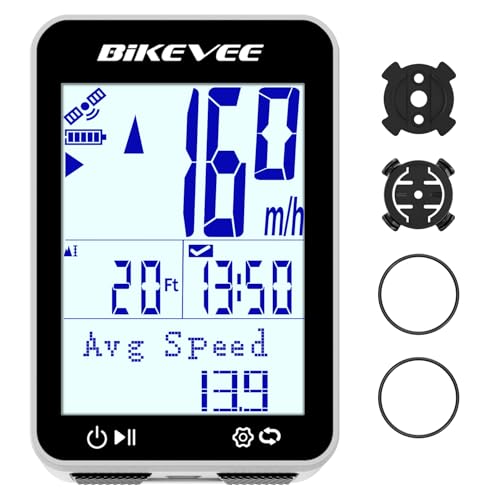
Bikevee leans into everyday usability with language support, auto start and stop, and a compact 2.4 inch LCD. Those details sound small on paper, but on shared bikes or simpler family setups they can make the computer feel easier to hand around and use.
It also keeps the usual ride basics in view without asking much from you at setup time. That makes it a comfortable fit for casual commuters and recreational riders who want a neat display rather than a training-heavy head unit.
Bright Spots
- 9 language support helps the interface feel more approachable.
- Auto start and stop reduces manual fiddling during rides.
- IPX7 rating suits wet weather and splashes.
- 2.4 inch LCD keeps the footprint compact.
Softer Spots
- The compact screen may feel small for riders who want large, glanceable numbers.
- Shared-bike use still benefits from careful mounting and occasional cleaning after wet rides.
Core Details
Who Should Grab It
You suit this unit best if you want a basic, compact bike computer for commuting, casual fitness rides, or a shared household bike.
Where Another Pick Suits Better
CYCPLUS GPS Wireless Bike Computer gives you a larger screen if readability matters more than compact size.
This second Bikevee listing sits in the same practical lane as the version above, so the choice comes down to how you want to balance simplicity and setup comfort. The 2.4 inch LCD, nine language support, auto backlight, and IPX7 water resistance make it a tidy option for riders who want a basic computer that stays out of the way.
It’s a sensible fit for price-conscious commuters and family bikes, especially where you want one device that anyone in the household can understand quickly. The compromise is that it stays firmly in the essentials-first camp, which is fine for many rides.
Positives
- Language support helps reduce menu confusion.
- Auto backlight is useful for dawn and dusk riding.
- IPX7 rating adds confidence in wet conditions.
- Compact display keeps the unit visually unobtrusive.
Trade Offs
- Small screen size may not satisfy riders who prefer larger numbers.
- Basic-focused design leaves less room for advanced features.
Feature Rundown
Best Suited To
You suit this model best if you want a straightforward, compact bike computer for commuting or casual riding with minimal setup fuss.
Where Shoppers Go Wrong
Garmin Edge 540 is the better fit for riders who think they will grow into training tools and advanced navigation later.
How To Choose The Right Bicycle Gps Displays
Screen Size And Readability
Start with the display, because that’s the part you’ll glance at most. A 2.4 inch LCD like the CooSpo unit keeps things compact, while a 2.9 inch screen such as the CYCPLUS gives you a little more breathing room for speed, distance, and time. Bigger screens help on rough roads and in bright daylight, but they also occupy more handlebar space.
Backlighting matters just as much as raw size. Auto backlight features make early commutes and late returns easier to live with, especially when street lighting changes from block to block. The trade-off is usually battery use and a slightly more complex device, so the sweet spot depends on how often you ride after dark.
Mounting, Controls, And Setup
Button controls still make sense for riders who wear gloves or ride in wet weather. Garmin’s Edge 540 is a clear example of that approach, and it fits riders who prefer a more deliberate interface over touch-style convenience.
Mount style also shapes the whole experience. Hidden tracker mounts, like the typecase and PerfiPro picks, keep a bike tidy but serve a different purpose from a cycling computer, so don’t confuse stealth storage with ride data. Clean installs tend to matter most on commuter bikes and e-bikes where cables, lights, and locks already crowd the frame.
Connectivity And Ride Use
Bluetooth and ANT+ support are worth checking because they let the display talk to common accessories. That matters for cadence, heart-rate, or speed sensors, and it becomes more useful as your rides become more structured. Riders who just want speed and trip basics can skip the deeper pairing layers.
Think about the way you actually ride. Casual commuters often care about auto start and stop, language support, and weather resistance, while training-focused cyclists usually want better navigation and richer data fields. Match the computer to the ride pattern, not the spec sheet alone, and the choice becomes much easier.
What To Weigh Before You Commit
Mistakes Worth Dodging
Many shoppers look only at screen size and miss the real fit question. A large display helps, but a clunky mount or a menu that feels awkward in gloves can spoil the experience fast.
Another common miss is pairing the wrong product type to the job. A hidden AirTag holder is useful for discreet tracking, but it won’t show speed, route, or cadence, so it belongs in a different lane from a GPS cycling computer.
When Paying More Pays Off
Higher-tier models usually spend more on navigation, training features, control quality, and app-linked behavior. That’s why a unit like Garmin Edge 540 costs more than a basic computer, it gives you more route depth, more coaching support, and a more polished interface.
The upgrade makes sense for riders who train often, ride unfamiliar roads, or swap between indoor and outdoor sessions. Casual riders can save money by staying with the simpler units, because extra capability only matters when you plan to use it often.
Frequently Asked Questions
What does GPS add to a bike computer?
GPS helps the unit measure position, distance, and route movement without relying only on wheel sensors. That makes it useful for commuting, touring, and training rides.
Do I need Bluetooth and ANT+ support?
You need those connections only when you want to pair extra sensors or accessories. Riders who want basic speed and distance can live without both.
Is a larger screen always better?
Not always, because a larger screen can take up more bar space and feel bulkier. A smaller display often suits clean commuter setups better.
Can a tracker mount replace a cycling computer?
No, a hidden tracker mount is for storing a tracker or radar unit, not for displaying ride stats. It solves a different problem.
Which option fits new cyclists best?
CooSpo BC26 Cycling Computer and Bikevee GPS Bike Computer both keep things simple for newer riders. Garmin Edge 540 suits you only after you know you want more training depth and navigation support.
Closing Thoughts
Your best match depends on how much information you want at a glance and how much complexity you’re willing to carry on the bars. For simple commuting, the CooSpo and Bikevee units keep the learning curve gentle, while Garmin Edge 540 is the clear step up for serious training and route planning. Hidden AirTag mounts belong in a separate lane, but they’re useful for a cleaner tracking setup. Pick the display that fits your rides now, not the one that looks busiest on paper.
