

You can change how your bike feels with the right stem, and that matters more than many riders expect. A shorter reach can steady city rides, a taller setup can ease pressure on long days, and the wrong clamp sizes can turn a simple swap into a headache. This roundup focuses on stem risers, short mountain-bike stems, and adjustable options that suit different frames, bars, and riding positions. You get a clear way to match the part to your setup instead of guessing from a long spec list.
The Shortlist At A Glance
TRIWONDER Stem Riser Adapter Aluminum Bike Fork Stem
Azarxis Bike Fork Stem Quill Riser Extension Adapter
FOMTOR 25.4 Stem 60mm 35 Degree MTB Stem

WAKE 25.4 Stem 32mm Bike Stem

Race Face Ride Mountain Bike Stem
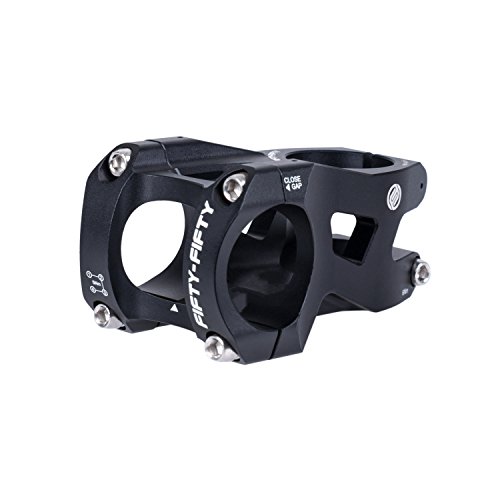
FIFTY-FIFTY Aluminum Alloy Mountain Bike Stem 35mm
WAKE MTB Stem 31.8 17 Degree 70mm
Fito Aluminum Alloy Handle Bar Stem, Twin 2 Bolt
GEWAGE Bike Stem 130 Degree Adjustable Stem

GEWAGE Bike Stem 130 Degree Adjustable Stem
More Details On Our Top Picks
TRIWONDER keeps the idea straightforward, it raises the cockpit instead of replacing it with a whole new stem shape. The 22.2 mm by 150 mm sizing points to a quill-style setup, so it fits the kind of older road and city bikes that need a taller hand position. That makes it useful for commuters who want less stretch and a more upright ride.
The trade-off is simple, this is an adapter-style fix, not a full geometry reset. You may find it best for casual miles, weekend cruising, or any bike that feels a touch too low at the bars. Compared with the WAKE short stems later in the list, this one solves height first and reach second.
Highlights
- Aluminum construction keeps weight reasonable for a riser part.
- Quill-style form suits bikes that need a stem extender, not a threadless replacement.
- Raises bar height, which can ease a stretched riding posture on city routes.
- 150 mm length gives you a tall extension point for a more upright cockpit.
Things To Consider
- It only suits bikes that match the stated 22.2 mm and quill-style setup.
- The extra height can change steering feel more than some riders expect.
- Adapter hardware often needs a careful check after installation, especially on bikes that see rough pavement.
Feature Snapshot
Who It Suits Best
Commuters and casual riders with compatible quill setups get the most from this adapter.
Another Choice May Suit
GEWAGE Bike Stem 130 Degree Adjustable Stem works better for riders who want angle tuning on a threadless front end.
Azarxis follows the same basic idea as the TRIWONDER adapter, but it spells out more of the fit details for mixed bike setups. The 1-1/8 inch and 22.2 mm references point to the dimensions that matter most, so you can line it up with the right fork and handlebar arrangement before you start turning wrenches. That clarity helps home mechanics who want fewer surprises.
It suits riders who are trying to lift the bar height on a road or mountain bike without changing the whole front end. The honest read is that adapter-style parts make the biggest difference on older bikes or comfort builds, where an upright stance matters more than sharp handling. Compared with TRIWONDER, this one is the closer match for shoppers who want the sizing spelled out more explicitly.
Positives
- Lists the key fit dimensions clearly, which makes matching easier.
- Works across road and mountain bike use cases with the right setup.
- Raises the cockpit for a more relaxed hand position on longer rides.
- Good option for a straightforward bar-height adjustment without a new stem shape.
Worth Noting
- It still depends on the exact fork and handlebar sizing, so measurement matters.
- Riser adapters can feel different from a standard one-piece stem during steering.
Core Details
Made For
You get the most from this adapter on a bike that needs more upright comfort without a full cockpit overhaul.
Where A Sibling Pick Shines
TRIWONDER Stem Riser Adapter Aluminum Bike Fork Stem suits you better if you want the shorter, more compactly described riser option.
FOMTOR shifts away from adapter-style height gain and into a shorter, angled stem built for fit tuning. The 35 degree rise gives you a more upright front end than a flat stem, while the 60 mm length keeps the reach compact enough for mountain, road, or BMX bikes with the right dimensions. It fits riders who want a noticeable posture change without jumping all the way to an adjustable stem.
The size notes matter here, because the handlebar clamp is for 25.4 mm bars and the fork side is 28.6 mm, so the wrong cockpit will rule it out fast. Compared with the first two picks, this one is more of a proper stem replacement than a riser add-on. That makes it a cleaner choice for riders who want a tidier front end.
Upsides
- 35 degree angle gives a clear upright bias for comfort-focused riding.
- 60 mm reach keeps steering compact on tight trails and city streets.
- Fits several bike styles, including mountain bike, road bike, and BMX use.
- The short stem shape can help reduce the stretched feel of a long cockpit.
Areas To Watch
- It only suits 25.4 mm handlebars, so bar diameter needs a close check.
- The 35 degree shape may feel too upright for aggressive riding.
- Clamp and bolt maintenance matters, especially after the first few rides.
Feature Rundown
Whose Shelf It Belongs On
You should look at this stem if you want a compact, comfort-leaning replacement for a bike with 25.4 mm bars.
Look Elsewhere When
WAKE 25.4 Stem 32mm Bike Stem suits you better if you want a shorter 32 mm option with a simpler compact profile.
WAKE keeps things compact, with a 32 mm stem length that pulls the handlebar in close. That can feel especially helpful on fixies, BMX bikes, and shorter mountain-bike builds where quick steering matters more than a long cockpit. The 25.4 mm handlebar size and 28.6 mm steerer tube size make the fit boundaries clear.
It’s also a light part at 150 g, so the front end stays modest rather than bulky. Compared with FOMTOR’s 60 mm reach, this one is the tighter, snappier option for riders who want a very short connection between the fork and the bar. The honest trade-off is that the compact feel won’t suit every comfort-first setup.
Bright Spots
- 32 mm length makes for a very compact front-end feel.
- 150 g weight keeps the stem from adding much mass.
- Fits several bike types, including road, MTB, BMX, and fixie builds.
- Short reach can help steering feel quicker in tight spaces.
Small Caveats
- The compact length is not the best match for riders wanting more stretch.
- Bar and steerer sizes still need a proper match before installation.
- Short stems often feel a bit more immediate, which may take a ride or two to get used to.
Details At A Glance
Right Fit For
This stem suits compact bikes and riders who want sharper steering in a small footprint.
Swap It Out When
FOMTOR 25.4 Stem 60mm 35 Degree MTB Stem makes more sense if you want more reach and a higher hand position.
Race Face keeps the description short, but the material story tells you a lot. The stem is forged from 6061 aluminum and then shot peened, which means the surface gets a second treatment that helps strengthen the part’s fatigue resistance in normal riding use. That kind of build usually appeals to trail riders who want a more serious-feeling stem without unnecessary bulk.
Compared with the budget-friendly stems in the first half of the list, this one leans into construction quality rather than size charts. It fits best as a straightforward mountain-bike upgrade for riders who care about long-term hardware feel more than a special angle or extender shape. The downside is simple, the listing gives less fit guidance than the more dimension-heavy picks.
Reasons To Buy
- Forged aluminum construction gives it a solid structural profile.
- Shot peening adds a tougher surface treatment than plain machining alone.
- Well suited to mountain bikes that see regular hard use.
- Clean, no-frills design makes it easy to pair with many cockpit setups.
- Good match for riders who value hardware quality over flashy features.
Points To Note
- The listing provides fewer fit details than some of the more dimension-rich stems here.
- You may need to check clamp compatibility separately before setting it on your bike.
Spec Overview
Best Suited To
Trail and mountain riders who want a stem built around material quality rather than lots of sizing extras fit this one well.
Another Choice May Suit
FIFTY-FIFTY Aluminum Alloy Mountain Bike Stem 35mm works better if you want a compact MTB stem with explicit size guidance.
FIFTY-FIFTY gives you a short MTB stem with clear fit targets, which is useful on bikes where the cockpit needs to stay tight and stable. The body uses 6061T6 aluminum and is fully machined, so you get the kind of finish many riders associate with tidy machining and predictable alignment. That makes it a sensible pick for mountain, downhill, and freeride setups that need a compact part.
It sits in a practical middle ground between the simple riser adapters and the adjustable GEWAGE pieces later on. You may find it especially useful on bikes with a 1-1/8 steerer tube and a 31.8 mm handlebar, because those measurements are common on modern mountain bikes. The trade-off is that it stays fixed, so there’s no angle tuning once it’s installed.
Best Bits
- 6061T6 aluminum gives the stem a familiar, durable alloy base.
- Full machining usually means clean edges and consistent fit surfaces.
- Short 35 mm length suits tight, controlled steering on MTB builds.
- Fits a broad mountain-bike use range, including downhill and freeride riding.
Room For Improvement
- The fixed shape leaves no room for angle adjustment.
- It only works well with the stated steerer and handlebar sizes.
- The short body may feel too compact for riders who want extra reach.
Technical Sheet
The Right Fit
This stem suits mountain-bike riders who want a short, tidy cockpit with familiar modern sizing.
Reach For A Different Pick When
Race Face Ride Mountain Bike Stem makes more sense if you want a stronger material story and do not need the size details this one gives you.
WAKE’s 17 degree stem takes a different route from the fixed short stems above, giving you angle control through the stem shape itself. The 70 mm length offers a longer reach than the 32 mm WAKE option, and that matters on bikes where a little more stretch helps balance the cockpit. Riders tuning a mountain bike, road bike, BMX, or fixie build get a lot of flexibility from that middle-length layout.
The 31.8 mm handlebar clamp is also worth noting, because it matches a common modern bar standard. At 130 g, it stays light enough for everyday use, yet the real draw is the combination of length and angle. Compared with FOMTOR, this one leans less upright and more toward measured reach.
Standout Traits
- 17 degree shape offers a meaningful fit adjustment for your cockpit.
- 70 mm length creates more reach than very short stems.
- 31.8 mm bar fit suits many modern handlebars.
- 130 g weight keeps the stem fairly light for its size.
- Works across several bike styles, which helps with versatile builds.
Softer Spots
- The angle may be too mild for riders seeking a very upright position.
- It still requires the right steerer and handlebar fit before installation.
Feature Card
Built With In Mind
You should look here for a versatile stem that gives you both moderate reach and a noticeable angle change.
Where Shoppers Go Wrong
WAKE 25.4 Stem 32mm Bike Stem is the cleaner match if your priority is an extremely short cockpit instead of a 70 mm setup.
Fito takes a more old-school route with a gooseneck style and a twin two-bolt setup. The useful detail is that you do not need to remove the grips to install it, which can save a lot of fuss on beach cruisers, comfort bikes, and BMX setups where bar ends are often annoying to disturb. That alone gives it a practical edge for riders who prefer a simpler swap.
The fit is very specific, though, with a 25.4 mm handlebar and a 22.2 mm frame measurement. Compared with the more modern-looking stems above, this one belongs on bikes built around a classic cruiser or BMX layout. The result is a distinctive shape that solves the right problem for the right bike, not a universal part for every cockpit.
Strong Points
- Twin two-bolt design gives the stem a straightforward mounting approach.
- Gooseneck layout suits cruisers and BMX bikes with classic geometry.
- No grip removal during installation can make the swap less fussy.
- Aluminum alloy body keeps the part in a familiar lightweight metal category.
Points To Note
- It is tied to very specific handlebar and frame sizes.
- The classic layout will not suit every modern threadless bike.
- As with many cruiser parts, checking bolt tightness over time is sensible.
Core Details
Whose Shelf It Belongs On
You should look at this stem for cruiser, comfort, or BMX bikes that use the matching classic dimensions.
Skip It When
WAKE MTB Stem 31.8 17 Degree 70mm suits you better if you need a more modern threadless MTB-style stem.
GEWAGE gives you adjustable angle control, and that puts it in a different class from the fixed stems above. The listing shows 75 mm, 90 mm, and 130 mm in the same family of fit options, so you get room to tune reach and bar position without changing the whole front-end concept. For riders who keep moving between comfort and a slightly more aggressive posture, that flexibility is the main draw.
It works with 31.8 mm handlebars, a common modern size, and suits mountain bike, road bike, and BMX use in the right setup. The trade-off is plain, adjustable parts carry more hardware and need a bit more attention than a fixed stem. Compared with the Race Face and FIFTY-FIFTY picks, this one is for riders who want adjustability more than a static, set-and-forget shape.
What We Like
- Adjustable design gives you more control over cockpit position.
- Works across several bike types, which broadens its use case.
- 31.8 mm handlebar fit suits many current bars.
- Multiple sizing options in the listing make fit planning easier.
Honest Caveats
- Adjustable hardware usually means more points to keep an eye on.
- The extra mechanism adds complexity compared with a fixed stem.
- It still depends on a proper handlebar match before installation.
Feature Rundown
The Right Fit
This stem suits riders who want to tune bar position instead of committing to one fixed setup.
Another Choice May Suit
GEWAGE Bike Stem 130 Degree Adjustable Stem, the matching listing on this roundup, is the cleaner fallback if you want the same idea with a separate product-page option.
This GEWAGE listing mirrors the adjustable stem concept above, so the value here comes from having a second path to the same kind of cockpit tuning. The 130 degree adjustment range and the 75 mm, 90 mm, and 130 mm sizing notes make it a flexible choice for riders who want to shift between a taller and a more forward position. That flexibility is useful for daily riders whose comfort needs change with the route.
It still uses the 31.8 mm handlebar size, so the fit discussion stays familiar, but it remains a hardware-heavy option compared with the fixed Race Face or FIFTY-FIFTY stems. The honest read is that adjustable parts suit practical tinkerers more than riders who want to install and forget. Compared with the previous GEWAGE listing, this one serves as an alternate source for the same adjustment-minded setup.
Best Bits
- Adjustable angle lets you move the bar position to suit the day.
- Multiple reach references in the listing help with planning a fit.
- 31.8 mm clamp size matches many current handlebars.
- Works for mountain, road, and BMX use in the right configuration.
Minor Gripes
- Adjustable hardware adds a little more complexity than a fixed stem.
- It still needs the same careful size matching as the rest of the list.
- Some riders prefer a simpler one-piece stem for lighter upkeep.
At A Glance
Who Should Grab It
Riders who like changing their bar position without swapping to a different stem shape will get the most from this one.
Where Shoppers Go Wrong
FITO Aluminum Alloy Handle Bar Stem, Twin 2 Bolt is the better fit if your bike uses a classic cruiser or BMX gooseneck setup instead of a modern adjustable stem.
How To Choose The Right Bicycle Handlebar Stems
Start With Fit, Not Flash
The first thing to check is diameter, because stem fit lives or dies on the relationship between the handlebar clamp and the steerer tube. A 25.4 mm bar, a 31.8 mm bar, and a 22.2 mm quill setup all solve different bikes, and they do not cross over cleanly. You save yourself a headache by measuring before you think about angle or finish.
Length matters just as much. A 32 mm stem keeps the cockpit tight, a 70 mm stem opens things up, and a riser adapter changes bar height without really behaving like a standard replacement stem. That difference shapes handling, so the right choice depends on whether you want more reach, less reach, or a taller hand position.
Match The Stem To Your Ride Style
Commuters and casual riders often want a more upright position, which is where riser adapters and shorter angle-raising stems make sense. Trail riders and downhill riders usually care more about stable control, predictable steering, and a front end that feels secure under load. Fixies and cruisers bring their own geometry, so a classic gooseneck or a very short stem can be the cleaner answer.
Adjustment also changes feel in a meaningful way. A fixed stem keeps the setup simpler, while an adjustable stem gives you more room to tune posture across mixed rides. The trade-off is obvious: extra flexibility usually means more hardware to keep an eye on.
Think About Materials And Maintenance
Aluminum is the common thread through this roundup, and that’s a sensible place to start. Forged and shot-peened aluminum often signals a stronger, more refined part than a basic no-frills casting, while fully machined stems tend to appeal to riders who like crisp finish quality. The benefit is durability-minded construction without a huge weight penalty.
Maintenance stays simple, but it should not be ignored. Bolts, clamp surfaces, and alignment deserve periodic checks, especially on short stems and adjustable stems where small movements can show up quickly in the bars. A clean install and a careful recheck after the first few rides usually go a long way.
Things Worth Knowing First
Mistakes Worth Dodging
One common mistake is choosing by style alone and skipping the measurements. A stem that looks right can still miss the mark if the handlebar or steerer size is off, and that is especially true with quill adapters, where the dimensions are more specific than they look at first glance.
Another slip-up is treating a riser adapter like a standard replacement stem. The feel is different, and the steering position changes in a way that matters on fast descents or busy city routes. For a simple cockpit refresh, the right part is usually the one that matches your current frame standard.
The Upgrade Payoff
Higher-tier stems usually cost more because of how they are made and how much fit clarity they give you. Forged aluminum, shot peening, full machining, and adjustable hardware all add complexity, and that complexity tends to show up in the finished part. You are paying for a more specific shape, a cleaner interface, or more control over position.
That extra spend makes sense when your bike sees regular use or when fit really affects comfort. Riders who spend long hours on the saddle, or who are picky about cockpit feel, usually benefit most from a stem that matches their exact setup instead of a generic compromise.
Frequently Asked Questions
What size stem do you need for a modern mountain bike?
Many modern mountain-bike setups use a 31.8 mm handlebar clamp and a 28.6 mm steerer tube. You still need to confirm your own bike before ordering, because older bikes often use different dimensions.
Does a shorter stem change steering feel?
Yes, a shorter stem usually makes the front end feel more immediate. That can help in tight spaces, although some riders prefer the calmer feel of a longer stem.
Are riser adapters the same as replacement stems?
No, a riser adapter raises bar height without acting like a standard stem swap. Replacement stems change reach and angle in a different way, so the feel on the bike changes too.
Why do some stems list angle in degrees?
The angle tells you how far the stem points up or down, which affects your hand position. Higher angles often create a more upright posture, while lower angles usually feel more stretched.
What should you check before installing a new stem?
Check the handlebar diameter, the steerer tube diameter, and the stem length. You should also make sure the bolts and clamp surfaces are clean and properly seated.
Closing Thoughts
The right stem does more than hold your bars in place, it helps your bike feel like it fits your body instead of fighting it. A quill riser can rescue an old commuter, a short 32 mm stem can sharpen a compact build, and an adjustable stem can give you room to fine-tune comfort on mixed rides. Start with the measurements, then think about posture and handling. That order keeps the choice practical, and it usually gets you closer to a setup you’ll enjoy for a long time.
