

You need a roof rack that gets your bike to trailheads, races, or a favorite road loop without filling your cabin. Bicycle Roof Carriers keep the bike outside the vehicle, though the right mounting style matters as much as the rack itself. Upright carriers keep both wheels on, fork-mount designs require front-wheel removal, and suction-mounted options suit vehicles without conventional roof bars.
A Fast Look at Eight Rack Styles

Yakima FrontLoader Rooftop Bike Rack

Thule UpRide Roof Bike Rack

ROCKBROS Sucker Bike Rack Quick Release Aluminium Alloy
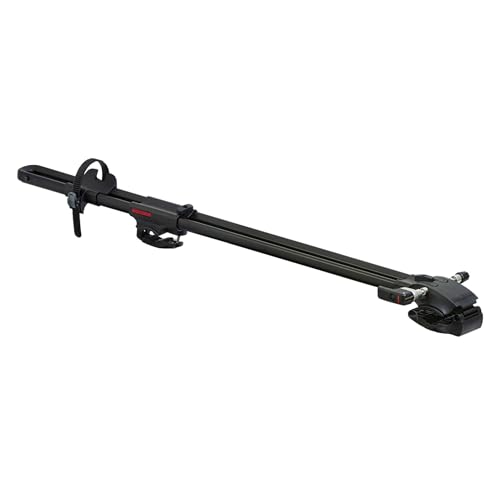
Yakima ForkLift Fork Mount Bike Carrier

Thule ProRide XT Roof Bike Rack

RockyMounts Tomahawk Upright Roof Bike Rack

Elevate Outdoor Frame Mount Roof Bicycle Rack

Arc Rack Folding Car Roof Bike Rack with Door Foot Step
More Details On Our Top Picks
The Yakima FrontLoader is aimed at roof transport without removing the front wheel. That makes it a sensible match for a road bike, hybrid, or mountain bike that you want ready to ride at the trailhead.
Its black roof-carrier format keeps the setup focused and uncluttered. You may find roof loading more comfortable on a lower vehicle, while tall SUVs can make any roof-mounted arrangement more demanding.
Strong Points
- Front-wheel support lets your bike stay assembled for quicker arrival at a ride.
- Roof placement keeps the rear hatch and cabin available for bags and helmets.
- Black finish gives the carrier a restrained appearance on many roof-bar systems.
Things To Consider
- Roof loading calls for enough overhead clearance in garages, carports, and drive-through spaces.
- Owners commonly keep contact areas clear of grit to reduce wear during repeated loading.
Key Specs
Who It Suits Best
You benefit most from this Yakima carrier as a regular recreational cyclist who wants to avoid removing a wheel before each drive.
Where Another Pick Suits Better
The Yakima ForkLift Fork Mount Bike Carrier suits you more when front-wheel removal is already part of your travel routine.
Like the FrontLoader, the Thule UpRide follows an upright roof-rack approach that keeps a bicycle in one piece. That setup can feel more convenient for early-morning rides, where less disassembly means less fuss in the parking area.
The listing identifies it as an automotive bike rack, so you need a compatible vehicle roof-rack foundation before adding it. For most cyclists carrying one bike at a time, that focused role is enough.
What We Like
- Upright transport preserves your bike’s normal wheel-on setup.
- Roof-based carrying leaves the rear of your vehicle unobstructed.
- The single-purpose design suits frequent solo trips.
- It offers a cleaner alternative to storing a bike inside a muddy cabin.
Worth Noting
- You still need to lift the bike to roof height, which can be tiring on a tall crossover.
At A Glance
Made For
You get the most from the Thule UpRide with a pre-existing roof-bar setup and a preference for wheel-on bike transport.
Consider Something Else When
The ROCKBROS Sucker Bike Rack Quick Release Aluminium Alloy makes more sense for your sedan or SUV without traditional roof bars.
The ROCKBROS setup differs sharply from the Yakima and Thule roof-bar carriers because it uses suction mounting. Suction mounts attach by creating a vacuum seal against a clean, smooth vehicle surface, giving you a tool-free route to carrying one bike.
Its aluminium-alloy construction, rubber pads, and quick-release layout point toward occasional transport where compact storage matters. You may prefer it for a sedan, SUV, road bike, or MTB, provided your vehicle surface and mounting position suit the system.
Highlights
- Tool-free mounting cuts down setup steps before a day trip.
- Quick release helps you remove the rack between rides rather than leaving it on the vehicle.
- Aluminium alloy keeps the structure focused on lower-weight metal construction.
- Rubber pads create a buffered contact point against the vehicle surface.
- Low-noise design targets a quieter drive than a poorly secured rack arrangement.
Trade Offs
- Clean, dry mounting surfaces deserve extra attention before every trip.
- Removing the carrier for storage adds a step after each outing.
- You need to follow the product-page mounting guidance closely for your vehicle and bike style.
Technical Sheet
Right Fit For
You benefit most from this ROCKBROS rack as a space-conscious cyclist who needs a removable one-bike solution for a sedan or SUV.
Not Your Match When
The Thule ProRide XT Roof Bike Rack suits you more for a dedicated roof-rack arrangement that stays fitted for frequent travel.
The Yakima ForkLift takes the fork-mount route, meaning you remove the front wheel and secure the bicycle by its front fork. Compared with the wheel-on FrontLoader, that creates an extra loading task but gives your roof rack a more traditional cycling-focused layout.
It carries one bike, making it a straightforward choice for solo riders who already keep a wheel bag or have a routine for front-wheel removal. The honest read is that this format rewards riders who value familiarity over maximum convenience.
Upsides
- Fork mounting gives your bike a defined front connection point.
- One-bike capacity keeps the setup simple for solo drives.
Minor Gripes
- You need a place for the removed front wheel inside the vehicle or in separate storage.
- Repeated wheel removal can be less appealing for short, spontaneous trips.
- Owners commonly keep the fork contact area clean before securing the bike.
- Compatibility with your existing roof bars needs checking before installation.
Feature Snapshot
Best Suited To
You get the strongest fit from this Yakima carrier as a road cyclist already comfortable removing and storing a front wheel.
Look Elsewhere When
The Yakima FrontLoader Rooftop Bike Rack serves you better when you want your bicycle to remain fully assembled during loading.
The Thule ProRide XT is another dedicated roof bike rack for cyclists who want a permanent transport routine rather than an occasional workaround. Its upright rack category aligns it more closely with the Thule UpRide and RockyMounts Tomahawk than with the compact ROCKBROS suction system.
You may appreciate that focused format during repeated trips to local trails or road routes. Nothing flashy is needed here, but roof access and compatible crossbars remain central to whether it works smoothly for you.
Standout Traits
- Roof-rack placement keeps your vehicle’s cargo space available for travel gear.
- Dedicated bike-rack construction suits a repeatable loading routine.
- Upright transport avoids adding front-wheel storage to your packing list.
- The XT model designation helps distinguish this rack from other ProRide versions.
Room For Improvement
- Tall vehicles can make lifting any bike onto the roof awkward after a long ride.
- Seasonal cleaning around moving hardware is a sensible ownership habit after wet or dusty travel.
Quick Facts
Who Will Love This
You benefit most from the Thule ProRide XT as a frequent rider with roof bars who wants an upright single-bike setup.
A Better Fit Elsewhere
The Arc Rack Folding Car Roof Bike Rack with Door Foot Step suits you more when roof height is your main loading obstacle.
RockyMounts Tomahawk keeps the bicycle upright on the roof, a familiar choice for riders who want to retain a wheel-on setup. Compared with the Yakima ForkLift, you avoid building your trip around front-wheel removal and separate wheel storage.
The upright roof-bike-rack description makes it a natural option for one-bike transport on a vehicle already equipped for roof accessories. Depending on your vehicle height, a compact folding step can still be useful during loading.
Bright Spots
- Upright positioning supports wheel-on bike travel.
- Roof carrying leaves interior seating clear for passengers.
- It fits a straightforward one-bike travel routine.
Points To Note
- Roof-mounted storage requires attention to overhead clearance before pulling into covered parking.
- You may want a dedicated storage spot for the rack during long periods without rides.
- Compatible roof-rack hardware remains necessary.
Feature Rundown
Who Should Grab It
You get a suitable match from the RockyMounts Tomahawk as a rider with roof bars who prefers an upright, wheel-on arrangement.
Skip It When
The Elevate Outdoor Frame Mount Roof Bicycle Rack suits you more for a lighter bike within its stated 25-pound capacity.
The Elevate Outdoor rack is a frame-mount option with space for one bike and a stated 25-pound capacity. A frame mount holds the bike around its frame rather than at a wheel or fork, so your bike’s tube shape deserves careful consideration.
That stated limit gives you a clear starting point for a lighter road bike or hybrid. The catch is straightforward: heavier e-bikes and bulky builds need a different transport plan.
Reasons To Buy
- 25-pound capacity gives you a concrete limit to compare against your bike’s weight.
- One-bike format keeps the installation goal uncomplicated.
- Frame mounting can suit bicycles where front-wheel removal is inconvenient.
- Roof placement keeps rear cargo access available during a trip.
Softer Spots
- The stated 25-pound limit rules out many heavier bicycle styles.
- Frame contact means you should keep the mounting area clean and position the bike carefully.
Spec Overview
Built With In Mind
You benefit most from this Elevate Outdoor carrier as a lighter-bike owner who wants a basic one-bike roof arrangement.
Another Choice May Suit
The RockyMounts Tomahawk Upright Roof Bike Rack suits you more when your bike falls outside a 25-pound capacity limit.
Arc Rack approaches the roof-loading problem from a different angle by including a door foot step and folding construction. The step can give you a more accessible position beside a car, truck, SUV, or van, especially where roof height has made loading frustrating.
Its compact design aims to reduce the rack’s overall footprint when folded. You may find that especially useful in a crowded garage, though your vehicle’s door and roof configuration should guide the final fit decision.
Plus Points
- Door foot step gives you a closer working position beside a taller vehicle.
- Folding construction helps reduce storage bulk between trips.
- Designed use across cars, trucks, SUVs, and vans broadens its intended vehicle range.
- Compact-footprint focus can make garage storage less cumbersome.
- It directly addresses the loading-height issue common with roof carriers.
Small Caveats
- You need to confirm that your door setup works with the included foot-step approach.
- Folding parts need periodic checks for accumulated road grit before storage.
- The larger vehicle range does not replace checking your specific roof and bike compatibility.
Details At A Glance
The Right Fit
You get the most from the Arc Rack as a taller-vehicle owner who wants a folding carrier with a built-in loading aid.
Reach For A Different Pick When
The Thule UpRide Roof Bike Rack suits you more for a conventional upright roof-rack setup without a door-step feature.
How To Choose The Right Bicycle Roof Carriers
Start With Your Existing Roof Setup
Your roof bars, crossbars, and vehicle roof shape determine which carrier styles can work. A roof-mounted bike rack is not a standalone answer unless its mounting hardware suits your vehicle foundation. Check the listed compatibility details for both the carrier and your vehicle before committing to a setup.
A suction-mounted option changes that equation because it does not rely on standard roof bars. You still need smooth, clean mounting surfaces and careful setup habits. That approach suits you when a removable system matters more than leaving a rack installed.
Decide Whether Wheel Removal Works for You
Wheel-on upright carriers suit you when a quick departure matters and you do not want another loose item in the cabin. They are especially handy for regular rides where your bike returns to the vehicle dusty or muddy and you want to keep the interior clear.
Fork-mount carriers require front-wheel removal. That may feel natural for a road cyclist who already has a wheel bag and a consistent packing routine, but it adds steps for casual rides. Frame mounts offer another route, though you need to respect any stated bike-weight limit and consider the frame’s contact area.
Account for Roof Height and Daily Storage
A roof carrier puts the bike above your vehicle, so loading height is not a small detail. Lower cars can make lifting easier, while SUVs, trucks, and vans may call for a door step or a compact loading aid.
Also consider where the rack lives between rides. Folding designs can reduce garage bulk, while removable suction systems can go on a shelf. Check overhead clearance before entering covered parking, because a loaded roof changes your vehicle height substantially.
Match Capacity to Your Actual Bike
A one-bike carrier works well for solo travel, but your bike weight and style still matter. A stated 25-pound limit, such as the one on the Elevate Outdoor frame-mount rack, creates a hard boundary you need to compare with your complete bicycle.
Avoid assuming a rack intended for a road bike will automatically suit a heavier mountain bike or e-bike. Your accessories count too, including racks, bottles, bags, and anything else still attached. A quick weight check at home makes the choice clearer.
Details That Matter Before You Commit
Common Shopping Slip Ups
A common mistake is choosing by appearance instead of mounting type. You need to know whether you want wheel-on, fork-mounted, frame-mounted, or suction-mounted transport before narrowing the field.
Another misstep is overlooking vehicle height. A roof carrier can seem manageable in a product photo, then feel awkward on your own tall SUV. Measure your reach and consider where you usually load, such as a sloped driveway or crowded trailhead lot.
Storage also gets missed. A foldable rack or removable suction design can suit you better when garage space is tight.
Where the Extra Money Goes
Higher-tier roof carriers often focus on more refined loading systems, model-specific hardware, and details that support repeated use. That can matter when you travel with a bike every week, keep a rack mounted for long stretches, or want fewer setup steps.
Spending more makes sense when the rack design matches your bike and vehicle precisely. For occasional transport, a straightforward one-bike option can be enough. Your habits should determine the level of hardware you need.
Frequently Asked Questions
Do Bicycle Roof Carriers need roof bars?
Many roof-mounted carriers attach to roof bars or crossbars. You need to check the carrier listing and your vehicle setup for compatibility.
Can you carry a bike with both wheels attached?
Upright and front-wheel holding carriers can transport a complete bike. Fork-mount carriers require you to remove the front wheel.
Are suction-mounted bike racks removable?
Suction-mounted racks are designed for tool-free installation and removal. You need clean, dry contact surfaces for each setup.
How much weight can a roof bike rack hold?
Capacity differs by model and must match your bike’s complete weight. The Elevate Outdoor frame-mount rack lists a 25-pound capacity.
Do roof bike racks fit SUVs?
Many roof carriers are intended for SUVs as well as other vehicle types. SUV roof height can make loading more demanding than it is on a sedan.
Closing Remarks
Your strongest choice starts with the way you actually travel, not the rack’s appearance alone. The Yakima FrontLoader and Thule UpRide suit wheel-on routines, the Yakima ForkLift suits front-wheel removal, and the ROCKBROS option serves removable suction mounting needs. The Elevate Outdoor rack gives you a stated 25-pound frame-mount limit, while the Arc Rack focuses on roof access through its door foot step and folding design. Check your roof setup, bicycle weight, loading reach, and storage space before choosing.
