

Cold lifts, windy runs, and glove-on controls ask more from your audio gear than a normal commute does. Earbuds For Skiing need to stay usable with layers, helmets, and moving air around them, while still giving you enough sound to keep pace with your day on the mountain.
This roundup focuses on helmet-friendly options, sport-focused in-ear designs, and a few low-profile picks that suit long sessions outdoors. You’ll see clear trade-offs too, because the right choice depends on whether you want helmet integration, stronger isolation, or a lighter setup for travel to the slopes.
The Shortlist At A Glance
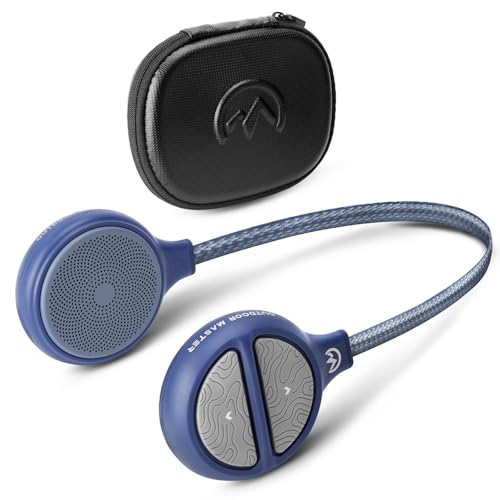
OutdoorMaster Ski Helmet Drop-in Headphones

H2O Audio Surge S+ Waterproof Sport Headphones

SUOOKC Motorcycle Bluetooth Headset Speaker Skiing Earphone

MIPEACE Bluetooth Earplug Headphones (Gray)

MIPEACE Bluetooth Earplug Headphones (Blue Green)

MIPEACE Bluetooth Earplug Headphones (Yellow Green)

Ear Buds Invisible Small Mini Sleep Earbuds Headphones

Joy Open-Ear Headphones, Wireless Bluetooth 5.4 Earbuds
More Details On Our Top Picks
The OutdoorMaster set makes sense for skiers who want audio built into the helmet instead of another layer sitting under it. Bluetooth 5.3 gives you a modern wireless link, and the big-button layout helps when gloves make tiny controls annoying.
The trade-off is that this style is tied to compatible helmets, so it fits a specific setup more than a general travel kit. For most slope days, that’s a fair exchange, especially when you want clean sound without adding bulk near your ears.
Strong Points
- Helmet drop-in design keeps your headwear setup tidy.
- Bluetooth 5.3 supports steadier wireless use on the move.
- Big-button control is easier with winter gloves.
- 10-hour working time suits a full day at the mountain.
Things To Consider
- Helmet compatibility matters, so the fit depends on your gear.
- Drop-in speakers keep things simple, but they are less versatile off the slope.
Core Details
Who It Suits Best
Skiers with an audio-ready helmet who want a simple, glove-friendly setup fit this pick best.
Where A Sibling Pick Shines
H2O Audio Surge S+ Waterproof Sport Headphones suit you better for mixed sport use beyond skiing, since they are easier to carry between activities.
Short-cord sport earbuds like these make sense for active days where loose cable slack just gets in the way. The IPX8 rating means the housing is built for a high level of water exposure, and the short cord keeps movement cleaner than a dangling long lead.
That makes the Surge S+ a sharp fit for skiers who also swim, run, or cycle and want one set that can cross over between workouts. The honest read is that the wired layout and player compatibility narrow the audience a bit, but the compact build is useful in a helmet bag or pocket.
What We Like
- Short cord design reduces cable tug during movement.
- IPX8 waterproofing supports very wet sport conditions.
- In-ear fit stays compact under winter layers.
- Works well as a crossover pick for several training modes.
Room For Improvement
- Wired use feels less flexible than Bluetooth models.
- Player compatibility means you need the right source device.
- Short cord length may feel restrictive outside sport use.
Feature Rundown
Made For
Active skiers who split time between snow, gym sessions, and water-friendly sports get the most out of this one.
Another Choice May Suit
OutdoorMaster Ski Helmet Drop-in Headphones fit better for riders who want sound built straight into a compatible ski helmet.
This SUOOKC option leans into helmet use from the start, which matters for skiing because bulky audio rarely feels good under cold-weather gear. The thin build and noise-cancelling call support point it toward riders who want communication as much as music.
You may find it especially practical for mixed use across a motorcycle helmet and a ski helmet, since that kind of flexibility is hard to find in smaller sport sets. Compared with the OutdoorMaster drop-in model, this one sounds more like a multi-helmet utility choice than a pure ski-specific accessory.
Highlights
- Ultra-thin shape reduces helmet bulk.
- Bluetooth operation keeps the setup wireless.
- Noise-cancelling call support helps with voice use.
- Waterproof design fits rough outdoor conditions.
Points To Note
- Helmet-focused design makes it less versatile for casual listening.
- Sound balance matters more here than pure isolation.
- Installation can take a little patience with tight helmet padding.
Feature Snapshot
Who Will Love This
Helmet users who split time between skiing and motorcycling should find this style especially practical.
Swap It Out When
H2O Audio Surge S+ Waterproof Sport Headphones suit you better for stripped-down sport use and a shorter, less helmet-heavy profile.
The gray MIPEACE model leans into comfort and long runtimes, which matters on a ski day that stretches from first chair to late afternoon. The neckband keeps the pieces together, and the earplug-style fit aims for a more sealed feel than the open helmet options above.
That 29 dB noise-reduction figure is a specific design target, so it suits people who prefer a more tucked-in listening setup in windy conditions. The trade-off is a less airy feel than open-ear gear, which some skiers will like and others will not.
Bright Spots
- Neckband design keeps the earbuds easy to track.
- 19-plus hour battery supports long use between charges.
- IPX5 sweat resistance helps with active winter days.
- 29 dB noise reduction supports a more sealed listening feel.
Softer Spots
- In-ear sealing can feel more enclosed than open designs.
- Neckband styling is practical, but not the lightest look.
- Ear tips need regular cleaning after sweaty sessions.
Details At A Glance
Right Fit For
Skiers who like a secure, more enclosed in-ear feel and long battery life should find this style appealing.
Look Elsewhere When
Alpsnd Joy Open-Ear Headphones fit better for you if staying more aware of surroundings matters more than a tighter seal.
This blue-green version follows the same earplug-plus-neckband formula, but the IPX6 rating gives it a sturdier moisture spec than the gray model. For skiers who sweat hard on uphill approaches or wear gear in wet weather, that extra margin can matter more than the colorway itself.
It also lists 20-plus hours of battery life, so the runtime edge over the gray MIPEACE is easy to understand on paper. The setup still favors people who want a snug, more contained fit rather than a wide-open earhook style.
Reasons To Buy
- IPX6 protection offers a tougher sweat and splash rating.
- 20-plus hour battery stretches through long outdoor days.
- Neckband layout keeps the fit secure and easy to manage.
- 29 dB noise reduction supports a quieter listening bubble.
Small Caveats
- The snug style can feel less open than earhook models.
- Color aside, the core experience stays close to the gray version.
Quick Facts
Built With In Mind
Skiers who want a firmer moisture rating and long runtime should look closely at this version.
Where A Sibling Pick Shines
MIPEACE Bluetooth Earplug Headphones (Gray) suits you better if you prefer the same shape with a slightly simpler moisture spec.
The yellow-green MIPEACE version keeps the same neckband layout, but its appeal is the straightforward mix of control, fit, and runtime. For skiers who want a dependable setup without chasing the most elaborate design, that simplicity lands well.
IPX5 sweat resistance and 19-plus hours of battery make it a sensible middle ground between the gray model and the more moisture-hardened blue-green version. You may find the brighter color easier to spot in a gear bin, which is a small but real ownership perk.
Positives
- Neckband shape helps keep the earbuds organized.
- IPX5 rating handles active winter use comfortably.
- 19-plus hour battery works for long training days.
- Simple controls suit gloved, on-the-move use.
Areas To Watch
- It keeps the same enclosed feel as the other MIPEACE earplug models.
- Brightness helps visibility, but the core feature set stays familiar.
Spec Overview
Whose Shelf It Belongs On
Skiers who want a simple neckband option with long runtime and an easy-to-spot finish should feel at home here.
Reach For A Different Pick When
MIPEACE Bluetooth Earplug Headphones (Blue Green) suits you better if IPX6 moisture resistance matters more than color or simplicity.
This tiny pair is less about slope audio and more about low-profile comfort, which can still matter on travel days to and from the mountain. Bluetooth 5.3 promises a steadier connection than older budget wireless sets, and the hidden shape keeps the overall footprint small.
The charging case stands upright and shows battery status, a neat touch that removes some guesswork from packing. The trade-off is obvious: this style is built for discreet wear, so it makes more sense for small ears, sleep, and travel than for loud, helmet-heavy sessions.
Upsides
- Very small shape keeps bulk out of the way.
- Bluetooth 5.3 supports a steadier wireless link.
- Battery display on the case helps with planning.
- Standing case design is easy to spot in a bag.
Honest Caveats
- Not a first choice for helmet-based ski listening.
- Very small earbuds can be easier to misplace during setup.
- Discreet wear works best in quiet settings, not noisy lifts.
Technical Sheet
Best Suited To
Travelers, small-ear users, and anyone who wants the smallest possible earbud footprint should look here first.
A Better Fit Elsewhere
OutdoorMaster Ski Helmet Drop-in Headphones suit you better for actual ski days, because they are built around helmet integration.
The open-ear shape makes this Joy model a natural fit for skiers who want sound without sealing off the ear completely. Bluetooth 5.4, ENC call processing, app-based EQ, and 40-hour battery life give it a more feature-rich profile than the simpler helmet and neckband picks above.
That longer list of features also explains why it suits mixed use, especially workouts, errands, and travel between trips to the slope. The trade-off is that open-ear listening does not isolate as strongly as a sealed in-ear design, so you’re choosing comfort and awareness over enclosure.
Positives
- Open-ear layout keeps you more aware of surroundings.
- Bluetooth 5.4 brings a current wireless platform.
- App EQ lets you shape sound to taste.
- 40-hour battery suits long use between charges.
- IPX4 sweat resistance helps with active outings.
Minor Gripes
- Open-ear design gives up some isolation by design.
- Sports fit works best for movement, not hush-heavy listening.
- Feature depth may be more than a casual slope user needs.
Core Details
The Right Fit
Skiers who also run, train, or wear earbuds all day will appreciate the open-ear balance here.
Not Your Match When
MIPEACE Bluetooth Earplug Headphones (Blue Green) suits you better if you want a more sealed, enclosed listening feel.
How To Choose The Right Earbuds For Skiing
Start With How You’ll Wear Them
Helmet compatibility should come first for many skiers, because a great sound profile means very little if the fit feels cramped under padding. Drop-in helmet speakers suit riders who live in a ski lid all day, while earhook and open-ear styles make more sense for mixed workouts and travel.
In-ear and earplug designs sit closer to the canal, so they tend to feel more contained and less bulky. That tighter feel can be helpful on windy lifts, but it also means you need to think about comfort over a full day, not just a few runs.
Match The Design To Your Conditions
Snow, sweat, and cold air all ask for a little more resilience than indoor listening does. Look at water-resistance ratings, neckband security, and button size, because gloves and damp gear make simple controls worth more than flashy extras.
Open-ear gear keeps more awareness of the world around you, which suits crowded slopes and resort wandering. Sealed in-ear models usually bring a more private sound, though that comes with a stronger sense of enclosure.
Think About Battery And Carry Style
Long lift days reward longer battery life, especially when you’re using wireless gear from the parking lot to après-ski. Short runtime can be fine for quick outings, but it adds friction once your day stretches past a few hours.
Charging case shape matters too, because ski bags get crowded fast. Slim cases, neckbands, and helmet drop-ins each solve a different storage problem, so the best choice is the one that disappears into your routine without fuss.
Balance Sound With Practical Use
Sound quality matters, but skiing adds motion, wind, and layered clothing to the equation. A clean fit and easy controls often matter more than chasing the richest bass or the longest feature list.
That’s why a simple, reliable model can beat a more complicated set for many mountain trips. The right pair should feel easy to use before first chair and just as easy to pack away after the last run.
Things Worth Knowing First
Mistakes Worth Dodging
A common misstep is choosing an earbud style that works indoors but feels awkward under a helmet. Another is overlooking battery life, which matters more once you’re spending hours outside and carrying extra layers.
Fit details deserve attention too. Ear tips, earhooks, or helmet inserts can make the difference between gear that stays put and gear that gets annoying halfway down the hill.
The Upgrade Payoff
Higher-tier models usually spend more on stronger wireless chips, better moisture resistance, and more comfortable hardware. That extra cost often shows up in steadier connection quality, better controls, or a shape that sits more naturally under winter gear.
Spending up makes sense for frequent skiers, instructors, and anyone who wants one pair to cover both snow sports and daily training. For occasional resort trips, a simpler model can still do the job without crowding your pack.
Frequently Asked Questions
Do skiing earbuds need special design features?
They need a fit that works with helmets, hats, gloves, and moving air. Water resistance and stable controls matter a lot once you leave indoor listening behind.
Are open-ear earbuds better for skiing?
Open-ear styles help you stay more aware of your surroundings, which can be useful at busy resorts. Sealed designs usually feel more enclosed and can suit quieter listening preferences.
Do helmet speakers replace regular earbuds?
Helmet speakers are a different approach, not a universal replacement. They work best for skiers who want audio built into a compatible helmet.
How much battery life makes sense for ski days?
Longer runtime helps when your day stretches from morning lifts to late afternoon. Shorter sessions can get by with less, but extra battery always makes planning easier.
What matters more, sound quality or fit?
For skiing, fit usually comes first because loose or awkward gear becomes distracting fast. Good sound is still important, but comfort and stability tend to decide the better everyday choice.
Closing Thoughts
Your best Earbuds For Skiing are the ones that match your helmet, your weather, and how long you stay out. Helmet drop-ins make sense for tidy integration, open-ear models suit awareness-minded skiers, and sealed in-ear picks work better for people who want a more private sound. The sweet spot is practical, not flashy. Choose the shape that fits your routine, and the rest gets easier.
