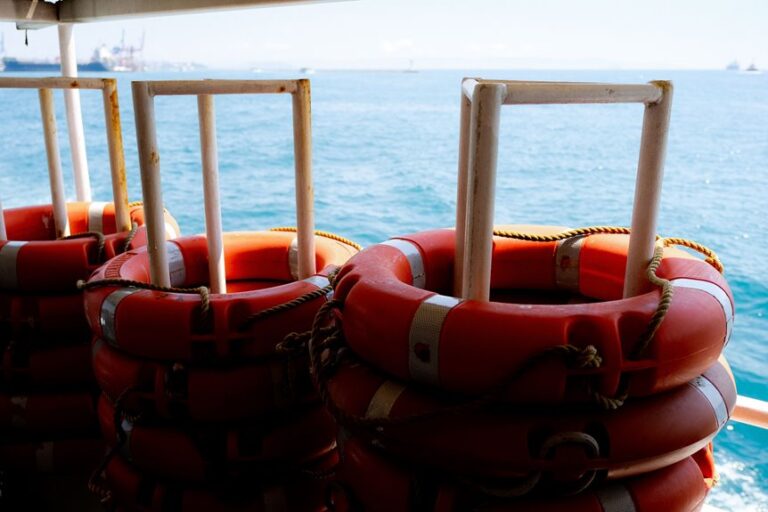

Life jackets save lives on the water. Choose the correct type for your activity and boat. Check fit every time and fasten straps so the vest stays secure during a fall. Know legal requirements for your area and keep children and pets in properly sized flotation gear. Inspect vests for wear, buoyancy loss, or damage and replace any that show signs of deterioration.
What Features Make a Life Jacket Safe?
A safe life jacket does more than just float on the water, and that can give you real peace of mind whenever you’re out on a boat or near a dock. You want one with strong buoyancy materials that stay firm and keep you higher in the water.
Check the seams, buckles, and strap adjusters, because they should feel sturdy and easy to tighten. A good fit keeps the jacket from riding up, so you can move with confidence and stay part of the crew.
Also, look for bright colors and reflective strips, since they help others spot you fast. Whenever you choose gear that fits well and feels secure, you’re not just being careful. You’re helping yourself feel safe, supported, and ready for the day.
Choose the Right Life Jacket Type
Choosing the right life jacket starts with understanding the main types and what each one does best.
You should match the jacket to your activity, whether you’re fishing, boating, or paddling, so it fits the water and the moment.
Then check the fit closely, because a snug life jacket can keep you safer and help you feel more secure.
Understand Life Jacket Types
Life jackets are not all the same, so the best choice depends on where you’ll be and how you’ll use it. You want a fit that feels secure, not stiff or shaky. Some styles use inflation mechanisms, which stay slim until water activates them. Others give steady foam buoyancy and thermal protection, which can comfort you in cooler water.
| Type | What it gives you |
|---|---|
| Foam | Always ready, simple, dependable |
| Inflatable | Lightweight, easy to wear |
| Hybrid | Foam support with extra comfort |
When you look at these options, you join a safer boating crowd that values comfort and trust. Your jacket should help you move, breathe, and stay calm, so you feel ready, not awkward, every time you head out.
Match Jacket To Activity
Provided you match your jacket to the activity, you give yourself a better chance of staying safe and comfortable on the water. Choose activity specific designs for the way you move.
For calm fishing, a vest with roomy arm openings can help you cast without fuss. For paddling, pick a design that stays clear of your shoulders and lets you twist easily. For sailing or waterskiing, look for water sport adaptations that handle speed, spray, and quick turns.
You’ll also feel more at ease when your jacket supports the job you’re doing, not fights it. As long as your gear fits your plans, you can join your crew with confidence and enjoy the day instead of tugging at awkward equipment. That simple match makes boating feel smoother, safer, and more fun.
Check Proper Jacket Fit
Now that your jacket matches the activity, the next step is making sure it fits you the right way. You want a snug feel that keeps you secure, not squeezed.
Fasten every buckle, then evaluate the adjustable straps so the jacket stays close to your body without riding up. Whenever you lift your arms, the vest shouldn’t slip over your chin.
Check the torso length, too, because a jacket that’s too short or too long can make swimming harder.
In case you share a boat with family or friends, help each other check the fit. That simple team check can save a lot of worry later.
A proper fit helps you feel ready, included, and safe on the water.
Check the Fit Before You Launch
Before you push off, take a moment to check that your life jacket fits snugly and sits the right way on your body. Do a quick try on session with your crew, because a good fit helps everyone feel ready and included. Fasten the buckles, then pull the adjustable straps until the jacket feels secure, not tight enough to pinch, but firm enough that it won’t ride up.
Lift your arms and bend a little to see if it stays in place. Should it feel loose, make one more adjustment before you head out. Once you and your boatmates check the fit together, you build trust and start the day with calm confidence. A few extra seconds now can spare you a lot of trouble later.
Wear Your Life Jacket Correctly
Wearing your life jacket the right way makes a big difference, because even a strong, well-made jacket can fail to protect you provided it sits crooked or loose. You want it snug, steady, and ready with you every time you move around the boat.
Initially, adjust straps so the vest stays close to your body without pinching. Then secure zipper all the way up, and make sure every buckle clicks into place. Should the jacket ride up near your chin, tighten it again. You’re not trying to wrestle it, just fit it well enough to stay safe and comfortable.
Once your jacket feels natural, you can relax with the crew and enjoy the ride. That small check helps you belong on deck with confidence.
When Do You Need a Life Jacket?
You need a life jacket whenever the law says you do, and that rule can change according to age, boat type, and location.
You should also wear one in high-risk conditions like rough water, strong currents, cold weather, or whenever visibility drops, because problems can happen fast.
Should you be with children or anyone who can’t swim well, a life jacket isn’t just smart, it’s one of the simplest ways to keep everyone safer and calmer.
Legal Wear Requirements
Although the rules can feel confusing at initially, life jacket laws are usually pretty simple once you know where to look. You need to check state laws first, because they tell you when you must wear one on your boat or near certain waters. Some places also follow workplace regulations, so should you work on the water, your employer might require a vest even while the law does not. That can feel strict, but it helps keep your crew in the same safe rhythm.
You should also watch for signs, marina notices, and boat rental rules, since they can add extra wear requirements. Should you be unsure, ask before you launch. A quick check now keeps you in the group that gets back smiling, not stressed.
High-Risk Boating Conditions
Should the water turn rough, the weather shifts fast, or your boat gets crowded, a life jacket becomes more than a good idea, it becomes your best backup. You belong on the water, and staying ready helps you enjoy it with less stress.
- In case rough seas build, keep yours on.
- In case reduced visibility makes other boats hard to spot, wear it.
- In case wind, rain, or cold water hit, don’t wait.
- In case you feel tired or off balance, zip it up.
These moments can change fast, and that’s exactly why you stay prepared. A snug life jacket gives you extra time, extra control, and extra calm. It won’t ruin your trip. It helps you stay part of the fun, even when conditions get messy.
Children And Non-Swimmers
Children and non-swimmers need extra care on the water, and a life jacket often makes that care simple and steady.
Whenever you take your child aboard, check for a child size fit so the jacket stays snug and won’t ride up. You should also choose a jacket with bright color and strong buckles, because small details can help keep everyone calm.
In case you’re teaching someone to swim, bear in mind that swim teaching aids don’t replace a real life jacket near open water.
You belong on the water with your family, and you can build that trust through making safety the foremost habit. Before the boat leaves the dock, you should have each child and non-swimmer wear the right jacket, every time.
Life Jacket Safety for Kids and Pets
Whenever your child or pet is near water, a life jacket can turn a scary moment into a safer one, but only provided it fits well and is worn the right way. You help your crew stay calm and confident whenever you choose gear made for child flotation and pet buoyancy.
- Pick a snug size that stays in place.
- Fasten every buckle before you leave shore.
- Check that your child can lift arms and move.
- Choose a pet style with a secure belly strap.
Whenever you explain the gear like a team rule, kids usually listen better, and pets settle faster too. Keep your tone gentle and upbeat, because that sense of belonging makes safety feel normal, not scary. With the right fit, you give everyone a better chance to enjoy the water together.
Inspect and Maintain Life Jackets
After you’ve picked a jacket that fits your child or pet well, give that same care to the gear itself through checking it before each trip and storing it the right way. Set an inspection schedule so you don’t forget.
Look over straps, buckles, zippers, and seams for wear, cracks, or loose stitching. Then press the foam and evaluate the fabric with gentle fabric testing to spot thin spots or tears.
Should the jacket feel stiff, smell musty, or look faded, treat that as a warning. Rinse it with fresh water after use, and let it dry fully in shade before you put it away.
Store it flat or hung in a cool, dry place, and keep it out of direct sun so it stays ready for your next family boating day.
Common Life Jacket Mistakes to Avoid
Even a strong life jacket can fail you provided you use it the wrong way, so it helps to spot the most common mistakes before you head out. You want your crew to feel safe, seen, and ready, and that starts with good habits.
Don’t wear it too loose, and don’t pick the wrong size. Avoid overreliance on buoyancy, because water can still knock you off balance. Keep these basics in mind:
- Buckle every strap snugly
- Replace gear after damage
- Avoid improper storage in hot, damp spots
- Match the jacket to your activity
Next, make sure children and guests know how it should fit. A quick check now can save worry later, and it helps everyone belong on the water with confidence.
Frequently Asked Questions
How Often Should Life Jackets Be Replaced?
You should replace life jackets whenever fit testing fails or material degradation appears; treat them like trusted crew, not relics. Check yearly and swap them immediately whenever straps, foam, or buckles start looking tired.
Can Life Jackets Expire Over Time?
Yes, your life jacket can expire over time because material degradation, strap wear and buoyancy loss reduce performance. Check the manufacturing date, inspect it regularly and replace it so you stay safe with your crew.
Are Inflatable Life Jackets Legal Everywhere?
No, they aren’t legal everywhere. You’ll need to check inflatable legality before you launch, because regional restrictions can differ. As they say, better safe than sorry; staying informed keeps you in the boating community.
How Do I Store Life Jackets Off-Season?
Store them in cool storage with proper ventilation, away from sunlight, moisture, and pests. You’ll keep your jackets ready for next season and feel confident knowing your crew stays safe together.
What Should I Do if a Life Jacket Gets Wet?
Let it air dry thoroughly in a shaded, ventilated spot, then inspect buoyancy before you store or wear it. You will keep your gear reliable and you will fit right in with safe, prepared boaters.