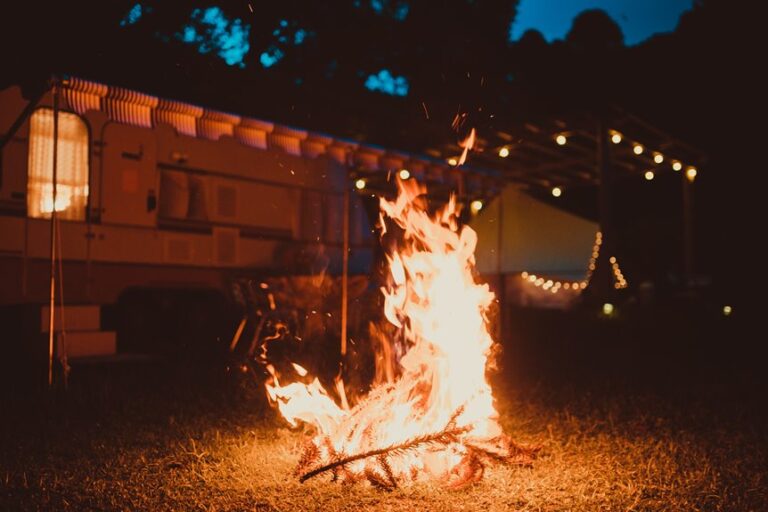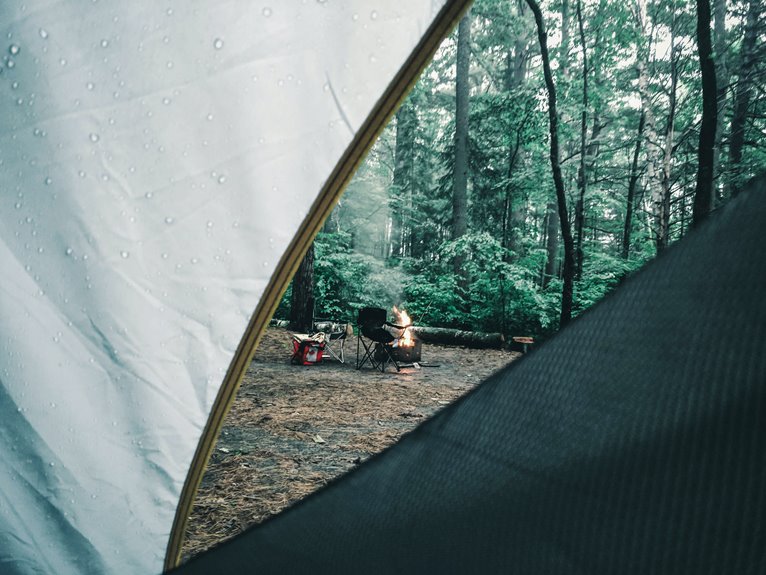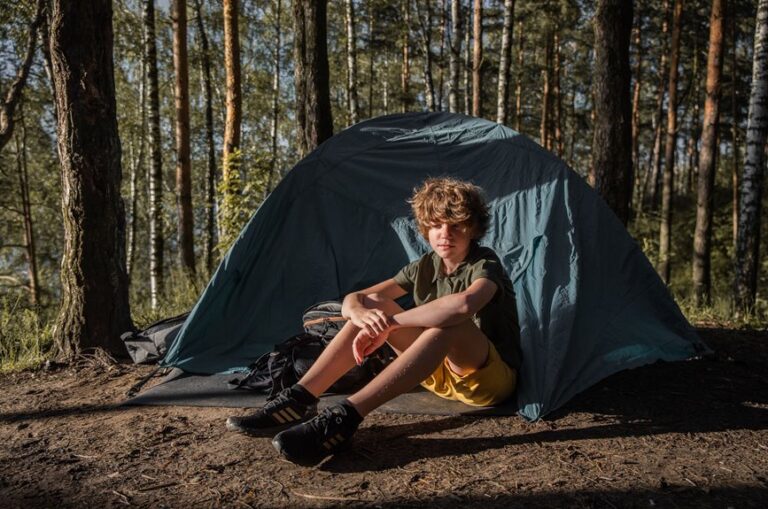

The best time to go camping in the United States depends on location and trip style. Spring and fall often offer mild temperatures, fewer crowds, and vibrant scenery across many regions. Summer provides long daylight hours and aligns with school vacation schedules, ideal for family trips. Winter opens opportunities for snow-based camping in mountainous areas and quiet low-elevation deserts. Choose season by matching desired weather, daylight, and regional conditions for the experience you want.
When Is the Best Time to Go Camping?
Whenever you plan a camping trip in the United States, the best time to go depends on where you want to stay and what kind of trip you want to have.
For most campers, the ideal months are late spring and early autumn, whenever many parks feel comfortable and welcoming. You can enjoy milder days, quieter campsites, and easier hiking without pushing your body too hard.
Still, weather considerations matter a lot, because the same month can feel perfect in one region and tricky in another. Should you be heading north, you might want a shorter window. Should you be camping farther south, you could have more flexibility.
Why Spring Camping Works So Well
Spring can really open the door to a great camping trip in the United States because the season often brings mild weather, bright scenery, and a fresh, comfortable feel in many places.
You can settle into camp without the heavy heat or harsh cold that makes gear feel like a chore. That means you get to relax faster and enjoy the people beside you.
Spring also gives you fewer crowds, so you can find a quiet site and feel like you belong there, not like you’re fighting for space.
Trails often shine this time of year, and wildflower hikes can turn a simple walk into something memorable. With longer daylight and lively birdsong, you get more time to cook, laugh, and make easy camp memories with your crew.
Why Fall Camping Is a Favorite
Fall camping wins a lot of hearts because it brings the kind of comfort that makes the outdoors feel easy to enjoy. You can settle into cool air, fewer crowds, and trails that feel like they belong to your group again.
As you join leaf peeping traditions, every walk gives you color, calm, and a reason to slow down together. At camp, cozy campfire cuisine turns simple meals into something warm and memorable, from roasted apples to soups that fit the season.
You don’t have to rush or compete for space, so you can laugh, rest, and feel at home under the trees. That easy pace helps you connect with your people and with the season itself, which is why fall often feels like the camping sweet spot.
Summer Camping in the U.S
Summer camping in the U.S. often brings the biggest mix of energy, freedom, and long daylight, so it can feel like the easiest season to plan a trip you’ll actually enjoy. You can set up camp with your crew, settle into easy routines, and make the most of family trips without rushing home prematurely.
Still, peak heat can challenge your comfort, so you’ll want shade, water, and campsites with breezes or trees. Should you pick mornings for hikes and evenings for campfires, you’ll stay cooler and happier.
You can also choose lakes, mountains, or forest campgrounds, where the setting feels welcoming and busy in a good way. That shared summer buzz helps you feel part of something bigger, even while you’re roasting marshmallows.
Winter Camping for Mild Destinations
Winter camping can still feel calm and welcoming whenever you pick mild spots like Florida, southern Texas, or coastal California, where the cold stays gentle and the days often stay sunny.
You’ll still want the right cold-weather gear, like a warm sleeping bag, layered clothes, and a hat, so you stay cozy whenever the temperature drops at night.
On bright days, you can hike, cook outside, and enjoy the quiet campsites without the heavy chill that makes winter camping tough.
Mild Winter Destinations
Provided you love camping but hate freezing nights, mild winter destinations can feel like a gift. You can join fellow campers in places where winter stays gentle, and the mood stays easy. Coastal escapes bring soft breezes, ocean views, and quiet beaches. Desert retreats offer sunny days and cool evenings that still feel comfortable. Pick a spot that fits your style, then settle into the season without dreading every gust.
| Destination Type | Best Feel | Why It Works |
|---|---|---|
| Coastal escapes | Breezy | Less harsh nights |
| Desert retreats | Sunny | Dry air |
| Gulf Coast parks | Calm | Steady temps |
| Southwest valleys | Warm | Clear skies |
| Southern beaches | Relaxed | Open space |
You’ll find it easier to relax, connect, and enjoy winter camping whenever the weather supports the trip.
Essential Cold-Weather Gear
Pack smart, and your cold-weather camping trip can feel far more comfortable than it sounds. You don’t need a giant loadout, just the right pieces that help you stay warm and settled with the group.
Start with insulated boots so your feet stay dry on chilly ground. Then add thermal socks, a warm hat, and layers you can adjust swiftly whenever the air changes.
- Choose insulated boots with grippy soles.
- Pack heated gloves for dawn mornings and late nights.
- Bring a snug base layer that traps heat.
- Carry a dry pair of socks in a sealed bag.
Next, keep a small blanket or seat pad nearby, because sitting still gets cold fast. With these basics, you’ll fit right in and stay ready for camp life.
Sunny-Day Camping Activities
On clear winter days in mild destinations, camping can feel surprisingly easy and even a little magical. You can soak up the sun, relax with your group, and keep the mood warm with simple fun. Try picnic games like cards, bocce, or a quick scavenger hunt near camp. These small activities help you bond without much setup.
When you want a quieter pace, head out for trail photography. The soft light makes trees, rocks, and water look sharp and calm. You can also watch birds, stretch on a blanket, or share snacks between walks. Because the weather stays gentle, you get to enjoy the campsite without rushing. So, should winter feels heavy at home, this kind of trip can give you fresh air, easy laughter, and a welcome sense of belonging.
The Best Camping Seasons by Region
Because the best camping season changes a lot across the country, it helps to look at each region before you pick your dates.
In the Pacific Northwest, late July through September usually gives you drier trails and calmer nights, so you can relax into the woods with your people.
In the Desert Southwest, spring and late fall feel kinder, since summer heat can turn a simple trip into a sweat fest.
- Northeast: late spring and early fall bring crisp air and bright leaves.
- Southeast: try late fall through early spring for milder humidity.
- Midwest: late spring and early summer often feel most welcoming.
- Mountain West: midsummer works best, once snow has pulled back from higher camps.
You’re not camping alone out there.
How to Choose the Best Camping Season
How do you choose the best camping season without guessing? Start with your trip timing, then match it to the weather you can handle and the fun you want. In case you love warm days and busy campgrounds, summer could suit you. In the event you want fewer crowds and cooler nights, spring or fall can feel more like your kind of place.
Next, check your destination and your gear checklist together. Mountain trips need layers, rain protection, and warmer sleep gear. Desert trips need shade, water, and sun cover. Also, consider bugs, fire rules, and daylight, because they change how comfortable your stay feels.
When you plan this way, you don’t just pick a season. You pick a camping experience that feels ready for you.
Frequently Asked Questions
What Camping Gear Is Essential for Different U.S. Weather Conditions?
Q: What should I pack for chilly winds?
A: Layered clothing and a warm sleeping bag.
Q: What do I need for rain?
A: A waterproof shelter and waterproof boots.
Q: What is essential for hot weather?
A: Shade, plenty of water, and a sun hat.
You’ll stay comfortable and ready together outdoors.
How Far in Advance Should I Reserve a Campsite?
You should reserve your campsite six months ahead for popular parks, and earlier for holiday weekends or peak seasonal demand. For flexible trips, two to eight weeks often works, helping you feel like you belong.
Are Campfires Allowed Year-Round in Most National Parks?
No. Campfires are not allowed year round in most national parks. You must check campfire regulations and seasonal restrictions because fire danger can close rings quickly. Stay with the group, follow the rules, and keep everyone safe.
What Permits Do I Need for Backcountry Camping?
You’ll usually need a wilderness permit and sometimes a separate backcountry or campsite reservation. Check park rules for group restrictions, fee requirements, and season limits, then apply ahead so you’ll belong on the trail.
How Can I Keep Food Safe From Bears and Other Wildlife?
You can keep food safe by storing it in bearproof containers, cooking away from camp, and cleaning up scraps. Practice wildlife aware cooking so you protect everyone, stay welcome, and keep wildlife wild.