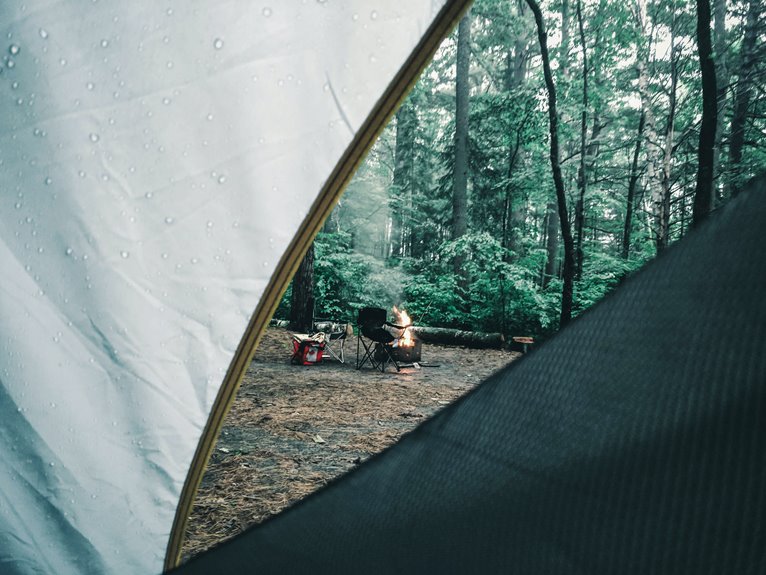

Camping boosts physical activity through hiking, setting up camp, and outdoor chores. Fresh air and natural light improve sleep quality and respiratory health. Time outdoors reduces stress hormones and lowers blood pressure. Quiet moments in nature support clearer thinking and emotional balance. Shared camp experiences strengthen social bonds and foster lasting memories.
What Are the Camping Health Benefits?
Camping can do more for your health than most people expect. Whenever you step into the wild, you give your mind a break from noise, screens, and constant pressure. That quiet space can help you feel calmer, sleep more easily, and reckon more clearly.
You also get Vitamin Dation from sunlight, which supports your body in simple, steady ways. Wilderness mindfulness can ground you, too, because you notice wind, trees, and fresh air instead of stress.
As you settle into camp, you might feel more connected to yourself and the people beside you. That sense of belonging matters. It can lift your mood and make hard days feel lighter, one peaceful moment at a time.
How Camping Boosts Physical Activity
A simple trip outdoors can turn into a full-body workout without feeling like a chore. Whenever you camp, you naturally walk farther, bend more, and carry gear from place to place. That keeps your body moving in ways that feel fun and real. With Trail workouts, you can hike hills, balance on roots, and stretch your muscles without a gym. Gear minimalism also helps, since fewer items mean more steps and more hands-on effort.
| Activity | Physical Benefit |
|---|---|
| Hiking to camp | Builds leg strength |
| Setting up shelter | Uses core and arms |
| Fetching water or wood | Adds steady movement |
You don’t have to push hard to join in. Even simple camp tasks help you stay active, and that shared effort can make you feel capable, welcome, and ready for more.
Why Camping Improves Sleep and Energy
As you camp, natural light helps set your body’s clock, so you often feel sleepy at night and more awake in the morning.
Spending your day walking, setting up camp, and staying outside also builds a steady rhythm that can make your rest feel deeper.
Together, these small changes can leave you feeling calmer, clearer, and better fueled for the next day.
Natural Light Reset
Out in the open, your body gets a clear signal that it’s time to wake up and time to rest. Sunlight in the morning helps your circadian alignment, so you feel more steady and less groggy. Later, softer evening light tells your system to slow down. That natural pattern works like gentle light therapy, but without screens or wires. You can feel more in sync with the people around you, which makes camp life feel welcoming and calm.
| Light moment | Body cue | Sleep effect |
|---|---|---|
| Dawn | Eyes open | Energy rises |
| Noon | Alertness peaks | Focus stays steady |
| Dusk | Melatonin starts | Sleep gets easier |
| Night | Darkness deepens | Rest feels natural |
When you trust daylight, your nights often feel deeper, and your mornings start smoother too.
Active Daytime Rhythm
Usually, camping gives your body a chance to move in a more natural way, and that daily activity can do marvels for your sleep and energy. As you hike, gather wood, and set up camp, you follow Daylight Scheduling without forcing it. Your body notices that pattern, and your sleep feels easier later. Activity Alignment also helps because your effort matches the sun, fresh air, and calm breaks.
- You wake with more steady energy.
- You burn stress during the day.
- You rest deeper at night.
- You feel more connected to the group around you.
That rhythm matters because your body likes clear signals. So, instead of dragging through the day, you move with purpose and share the trail, the campfire, and the simple win of feeling right where you belong.
How Nature Reduces Stress and Anxiety
Whenever you spend time in quiet forests, beside water, or under open sky, your body starts to relax and your mind feels less crowded.
These calming natural settings could help lower cortisol, the stress hormone, so you might feel more balanced and less tense.
Even a short walk through nature can ease worry and give you a little more space to breathe.
Calming Natural Environments
Because camping pulls you away from noise and screens, it gives your mind a chance to slow down. In calm woods or beside a quiet lake, you can feel held of nature, like you’ve joined a place that already knows how to breathe.
Forest bathing invites you to notice trees, light, and air. That sensory immersion helps your thoughts settle without effort.
- You hear ambient soundscapes, and your shoulders ease.
- You find meditation spots where stillness feels safe.
- You notice shared quiet, and you feel less alone.
- You let the trail guide you, and worry loosens its grip.
When you camp with others, these peaceful moments can feel even warmer, of everyone shares the same gentle rhythm.
Reduced Cortisol Levels
As your body settles into the quiet pace of camp, your stress response can start to slow down, too. You breathe deeper, sleep better, and feel less keyed up. That shift helps with cortisol suppression, so your system can move toward hormonal balance. Whenever you swap screens for trees, your mind gets a softer place to land, and your muscles stop bracing all day.
| Nature cue | Body response | What you feel |
|---|---|---|
| Birds | Slower pulse | More at ease |
| Cool air | Easier breathing | Less tension |
| Soft light | Lower alertness | Calm focus |
With each walk, sit, or shared laugh around camp, you join a setting that eases pressure without asking you to deliberately force it. That’s a relief your whole crew can feel.
How Camping Improves Mood and Focus
Once you step away from screens and daily noise, camping can give your mind a much-needed reset. You start to feel lighter, and your attention settles in a kinder way. As you move through mindful wandering, the trail asks you to notice small things, like birds, pine scent, and warm sun. That sensory grounding helps your mood lift because you’re present with people around you and not stuck in your head.
- You breathe slower and feel steadier.
- You share easy moments that build belonging.
- You focus on one task at a time.
- You return home with a clearer mind.
Why Disconnecting Outdoors Helps Your Mind
As you step away from screens and noise, your mind gets a real reset, and that break can help you reflect more clearly.
Nature also eases stress by slowing your breathing and softening mental pressure.
Mental Reset Benefits
Stepping away from screens and schedules can give your mind a much-needed reset, and camping makes that easier than almost anything else. Once you leave the noise behind, you can hear your own thoughts again, and that helps you feel more like yourself.
- You slow down and notice what matters.
- You use mindful wandering to let your thoughts move freely.
- You practice sensory grounding by naming what you see, hear, and feel.
- You join a simple rhythm that reminds you you’re part of something real.
That shift can help you feel clear, steady, and more connected to the people around you.
Instead of carrying every worry at once, you make room for calm focus and a lighter, friendlier mindset that travels home with you.
Nature Reduces Stress
As your shoulders drop and the day’s noise fades, nature starts doing some quiet work on your stress. You feel it in the cool air, the steady trees, and the slower pace that helps your mind exhale. Whenever you step away from screens and into open space, your body can ease out of alert mode. That’s where forest bathing comes in: you move slowly, breathe deeply, and let your senses settle.
Then sensory immersion helps you notice birds, pine, water, and sunlight, which can calm racing thoughts. Because you’re not trying to keep up with anyone, you can finally feel like you belong in the moment. And that sense of calm doesn’t just visit you; it can linger with you long after campfire smoke fades.
How Camping Strengthens Social Connections
Camping brings people together in a way that feels natural and easy, and that shared space can deepen your connections fast.
Once you set up camp with others, you talk more, laugh more, and notice each person’s small habits. That’s how trust grows. You also build shared stories that stick long after the trip ends. Then, group games add easy fun and help everyone feel included.
- You cook side by side and trade tasks.
- You solve small problems as a team.
- You relax enough to open up honestly.
- You leave with memories that feel personal.
Because you’re away from daily noise, you can give people your full attention. That simple focus helps you feel seen, valued, and part of something real.
How Fresh Air Supports Your Health
Fresh air can work like a reset button for your body and mind. Whenever you step into clean air, your breathing often feels easier, and that can support lung health. You also get more mind clarity, especially whenever stress has been crowding your thoughts.
| Benefit | What you might notice |
|---|---|
| Clean air | Easier breathing |
| Tree phytoncides | A calmer mood |
| Quiet space | Less mental noise |
| Gentle movement | Better circulation |
| Open setting | More energy |
As you settle in, your body could respond to the calm around you. Tree phytoncides, which come from trees, can add to that fresh feeling. Because you’re outside with others who value the same simple moments, you might feel more at ease and connected. That shared comfort can make the whole experience feel like home.
How Camping Builds Confidence and Resilience
Upon encountering a small challenge on a camping trip, you get a real chance to trust yourself in a new way. Whenever you pitch a tent, start a fire, or sort gear, you practice primitive skill building and learn that you can handle more than you thought. That feeling grows as you face change with steady breathing and clear choices.
- You solve problems step by step.
- You notice fear, then act anyway.
- You use risk management to make safer calls.
- You feel like part of a camp crew that has your back.
Each small win adds confidence. Each hard moment builds resilience. So, once the night feels unfamiliar, you don’t just endure it. You adapt, and that helps you belong wherever the trail leads.
How to Get More Health Benefits From Camping
To get the most health benefits from camping, you need more than just a pretty view and a sleeping bag. You should move your body with purpose, so hike, paddle, or set up camp by hand.
Next, eat simple meals that fuel you, and drink water before you feel thirsty.
Keep gear hygiene strong by washing hands, cleaning bottles, and airing out damp clothes. That helps you stay comfortable and avoid small problems that can ruin the trip.
Also, plan quiet time for solo immersion, even should you camp with friends. A short walk alone can calm your mind and sharpen your mood.
Finally, sleep on a steady schedule, because rest helps your body recover and makes you feel like you belong out there.
Frequently Asked Questions
What Camping Gear Is Best for Sensitive Joints?
You’ll want cushioned seating and ergonomic sleeping gear for sensitive joints; about 1 in 4 adults have joint pain, so choose a supportive camp chair, a thick sleeping pad, and adjustable trekking poles to feel included.
Can Camping Help Children Develop Healthier Habits?
Yes. Camping helps children build healthier habits. They enjoy outdoor routines, move more, and practice sleep regulation. Camping also creates shared experiences that help them feel included and confident.
How Often Should Beginners Go Camping for Benefits?
Aim for monthly trips, then build toward weekly outings provided you love it. You’ll grow confident, feel included, and gain benefits without burnout, like a lantern lit pilgrim joining your circle, step by step.
Is Camping Helpful for People With Seasonal Depression?
Yes, camping can help you with seasonal depression through enhancing light therapy and nature immersion. You will feel less isolated, more grounded, and more connected, especially once you camp with people who welcome you.
What Foods Support Energy During a Camping Trip?
You’ll stay energized with trail mix, oats, jerky, fruit, nut butter, and electrolyte drinks. As the miles start biting, these foods keep you steady, connected with your crew, and ready for the next campfire.