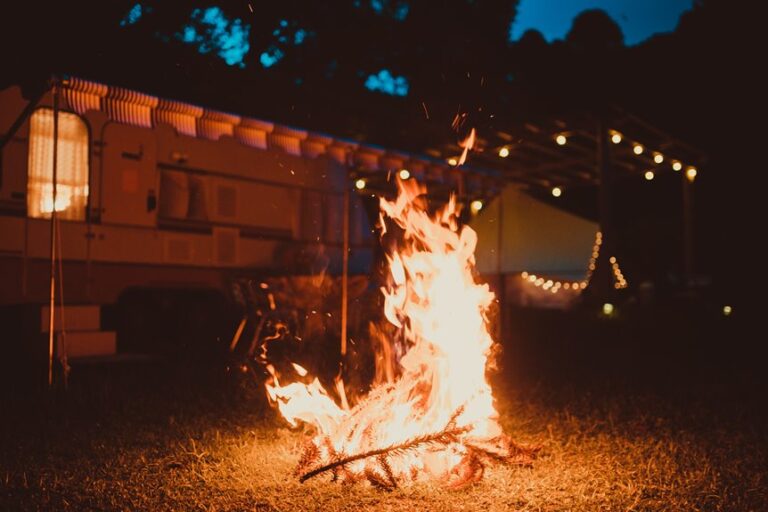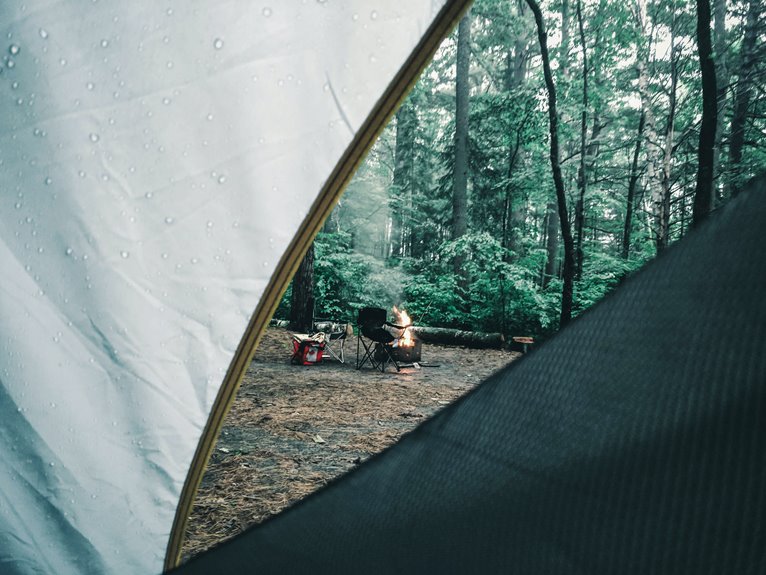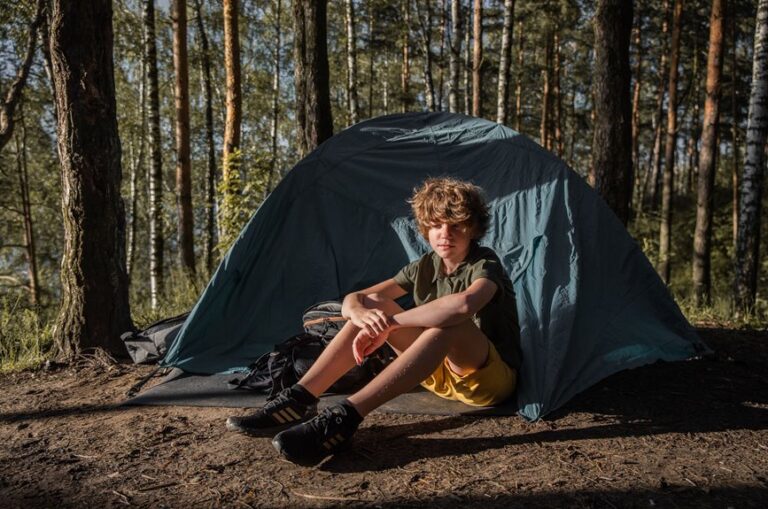

A flat site, a smart pad, and a warm bag turn a rough night into a steady one. Choose level ground, face the door away from sunrise, and center the sleeping pad under the torso for better alignment and comfort. Layer dry clothes to trap heat and block damp air with a closed rainfly or vent control. Keep a calm routine to fall asleep faster and wake rested. Small details like pad placement, insulation, and ventilation make a big difference for quality tent sleep.
Choose the Right Sleeping Pad
A good sleeping pad can make the difference between a rough night and real rest, so it’s worth choosing one that fits both your body and your camping style. You want support that keeps your hips from sinking and your shoulders from aching, because small comforts matter after a long trail day.
Should you like inflatable comfort, pick a pad that packs small and feels steady whenever you roll over. In case you’d rather keep things simple, foam portability gives you quick setup and no fuss.
Check the thickness, warmth, and noise before you buy, so you can sleep with confidence beside your crew. Whenever your pad matches your needs, your tent starts to feel less like shelter and more like your own calm little space.
Pick the Right Sleeping Bag
Now that your pad is set, your sleeping bag becomes the next big piece of the puzzle. Check the temperature rating initially, then choose the insulation type that fits your weather, and make sure the bag feels roomy enough for you to sleep without feeling trapped.
Whenever your bag matches your body and the night air, you’ll stay warmer, rest easier, and wake up ready for the trail.
Temperature Rating Matters
Whenever you pick a sleeping bag, the temperature rating matters more than most people reckon, because the right one can turn a chilly, restless night into solid sleep. You want a bag that matches your coldest likely night, not your dream forecast. Use material evaluation results and check temperature comfort remarks before you buy, so you’re not guessing whenever the wind picks up.
| Temp Rating | Best Use | Feel |
|---|---|---|
| 20°F | Cool nights | Cozy |
| 30°F | Mild nights | Light |
| 40°F | Warm nights | Airy |
If you often camp with friends, ask what rating they trust, then compare yours with theirs. That way, you’ll feel ready, included, and far less likely to wake up shivering at 2 a.m.
Insulation Type Choice
Insulation type matters just as much as temperature rating, because the stuff inside your bag decides how warm, heavy, and packable it feels on the trail. You want to match the fill to your usual nights, so you feel ready, not stuck guessing.
Down gives you high warmth with low weight, and it packs small for tight backpacks. Synthetic insulation keeps working better whenever damp, so it can save your sleep after a wet day. Reflective insulation adds a lift by sending body heat back toward you. Foam layers can also help in pads or hybrid bags by blocking cold ground air.
Once you choose well, you join the crowd that sleeps warmer and wakes up with a little more grit.
Fit And Comfort
A sleeping bag can feel like a safe cocoon whenever the tent air turns chilly, but only provided it fits you well. Whenever you choose the right size, you protect your sleep posture and support body alignment, so your shoulders and hips can rest without strain. That comfort helps you settle in with the crew, even whenever the ground feels a little rude.
| Fit | Feeling | Result |
|---|---|---|
| Too tight | Cramped | You toss more |
| Just right | Relaxed | You stay warm |
| Too long | Air gaps | Heat escapes |
| Mummy shape | Snug | Better warmth |
| Wide cut | Roomy | Easy movement |
Next, try the bag on before you buy it. Zip it up, bend your knees, and check whether your feet can move. Whenever you feel at home inside, you’re more likely to sleep well.
Layer Your Sleep Clothes
Start with two or three thin layers so you can adjust quickly as the night air shifts. You’ll feel more at ease whenever your clothes work with you, not against you.
Start with moisture wicking baselayers to pull sweat off your skin, then add a soft midlayer for warmth. Should you like a smoother feel, silk liners can add comfort without bulk.
- Choose snug, not tight, pieces.
- Keep one extra layer within reach.
- Skip cotton, since it stays damp.
Whenever you dress this way, you stay cozy and part of the same easygoing camp rhythm as everyone else. You’re able to shed a layer before bed, then add it back ought you wake chilly.
That small routine helps you relax faster, and it keeps your sleep setup simple, calm, and friendly.
Set Up on Level Ground
Pick a flat campsite whenever possible, because even a small slope can make you slide around and wake up sore.
Then clear away rocks, sticks, and pinecones so your sleeping pad sits steady and your tent floor feels much more comfortable.
A little extra time here can help you sleep more peacefully and avoid that annoying midnight elbow-on-a-rock surprise.
Choose Flat Campsites
Your tent will feel much kinder once the ground under it’s flat, because even a small slope can send you sliding into a corner all night. Whenever you scout for a site, trust your feet and eyes. Walk the area, then avoid slopes and choose a broad, even patch where you can rest with the group.
Next, check drainage so rain won’t pool under you or turn the spot muddy before morning.
- Pick ground that feels steady under each step.
- Face the tent door toward easy walking space.
- Give yourself room to breathe and settle in.
A level campsite helps everyone sleep more calmly, and it makes your shared camp feel like a good place to belong.
Clear Ground Debris
Even a tidy campsite can conceal trouble, so clear away debris before you lay down the tent. You’ll sleep more easily whenever the ground feels smooth and safe under you.
Initially, scan the space for sticks, pinecones, trash, and sharp gravel. Then remove roots that can poke through the floor and wake you up at 2 a.m.
Next, clear rocks that could press into your hips or damage the tent. Use your hands, boots, or a small shovel to make the area clean and even.
After that, press down loose soil and check for concealed bumps with your palm. This extra minute helps your camp feel calmer, cozier, and more like home. Once the ground is ready, your whole setup feels friendlier already.
Block Cold Ground Air
Whenever the temperature drops, the ground can steal heat from your body fast, so you need a solid barrier under your sleeping pad. Start with a closed-cell foam pad or an insulated pad, then add a thin blanket provided the campsite feels extra chilly.
A ground vapor barrier can help in damp conditions by blocking moisture from creeping up and cooling you off.
In case you sleep in a hammock, an underquilt hammock setup keeps cold air from wrapping around you.
- Place your pad on level ground.
- Keep your insulation centered under your torso.
- Add a dry layer between you and the earth.
With the right setup, you’ll feel tucked in, steady, and part of the warm camp crew instead of the night’s main course.
Vent Your Tent Properly
Good airflow can make the difference between a stuffy, sweaty night and a sleep that actually feels restful, so start giving your tent a way to breathe. Open the roof vents initially, then crack the lower ones so air can move through the whole space. This simple airflow management helps fresh air enter while stale air slips out. Should you be able, angle the tent away from strong gusts so the openings stay useful, not blasted shut.
Next, keep wet clothes and damp gear outside, because they raise humidity fast. That small habit supports condensation control and keeps your walls drier by morning. You’ll feel less clammy, and your tent will feel more like a shared cozy hideaway than a humid locker. Tiny adjustments like these can help you sleep easier.
Control Tent Temperature
Now that your tent can breathe, the next big win is keeping it at a sleep-friendly temperature. You and your crew deserve rest that feels cozy, not sweaty or icy.
Start by placing your tent in morning shade and use shade sails provided the campsite bakes in afternoon sun. Choose a sleeping bag that matches the forecast, and add a light liner whenever nights turn cool.
For extra comfort, try this:
- Open vent fabric panels before bed.
- Block direct sun with a tarp or shade sails.
- Add or remove layers after sunset.
Should the air still feel off, shift your gear away from the tent wall so heat doesn’t build up. Small changes help your whole camping family sleep easier together.
Keep Noise to a Minimum
Soft sounds can matter more than you’d expect whenever you’re trying to sleep in a tent. You can help yourself settle by picking a quieter campsite, then asking nearby campers to lower voices after dark.
Should you’re camping with friends, agree on a calm wind-down so everyone feels included and rested. You can also silence phones and avoid noisy gear snaps or late-night sorting.
Whenever the forest still hums, try white noise from a small fan or app, because it can soften sudden sounds and help your mind relax. For extra comfort, check earplugs usage before bed and keep them close in your sleeping bag. They’re simple, but they can make the whole night feel friendlier and much easier to share.
Manage Light for Better Sleep
Light can wake you up fast in a tent, especially once the sun starts peeking in too soon. You can block that early morning glow with a sleep mask, a tightly closed rainfly, or via turning your tent so the opening faces away from sunrise.
It also helps to choose darker tent fabrics, since they soften stray light and make your sleep space feel calmer and cozier.
Block Early Morning Light
Catching the sunrise can feel lovely, but in case you’re trying to sleep in a tent, that initial bright spill of morning light can wake you up too soon. You can block it and keep your crew rested with a few simple moves:
- Clip lightweight blackout curtains over the tent opening.
- Place a camp towel or sleep mask near your pillow for fast use.
- Face the tent door away from east light as you set up.
These steps help limit circadian disruption, so you and your group can stay in sync and wake whenever you mean to.
You don’t need a perfect setup. You just need a calm, shared space that feels like it has your back. A little shade can make your tent feel more private, cozy, and kind to tired eyes.
Use Darker Tent Fabrics
At the moment you choose darker tent fabrics, you give yourself a real edge against premature wake-ups and restless tossing. You’ll notice the inside stays calmer at dawn, which helps your body keep its sleep rhythm.
Look for fabric opacity that cuts glare without making the tent feel stuffy. Good UV protection also helps the material hold up, so you can trust it trip after trip.
Should your tent has a fly, pick a deeper color there too, since it blocks light before it reaches you. Then, pair the darker shell with a snug rainfly and zipped vents at night. That way, you keep the space cozy, private, and easy to relax in, like your own little hideout under the trees.
Eat and Hydrate Smartly
Fuel your body with the right food and drink before you crawl into your sleeping bag, because what you eat can shape how warm, rested, and comfortable you feel through the night. Whenever meal timing is steady, your stomach stays calm and your energy feels even. Aim for balanced food a few hours before bed, then keep snack choices light provided you need a little more.
- Pick easy foods like nuts, fruit, or oats.
- Watch electrolyte balance with water and a salty bite after long hikes.
- Set your caffeine cutoff sooner so your body can settle down.
You’ll sleep better once you hydrate enough, but don’t chug right before lights out. That way, you can fit in with the crew and wake up ready for the trail.
Build a Pre-Bed Routine
Before bed, get your camp set before dark so you’re not fumbling with gear while you’re already tired.
Then slow things down with a calm routine, like changing clothes, brushing your teeth, and tucking away anything that feels busy or noisy.
Keep your lights low, and your body will start to feel the signal that it’s safe to rest.
Settle Camp Before Dark
As daylight starts to fade, settle your camp with purpose so your night feels calm instead of rushed. You’ll sleep better once camp timing and gear staging happen before the dark slips in.
Initially, place your tent, boots, and headlamp where you can reach them fast. Then, follow this simple rhythm:
- Check your sleeping spot and smooth the ground.
- Stow food, clothes, and loose items in one shared place.
- Set out tomorrow’s essentials so morning feels easy.
Whenever you do these small tasks ahead of time, you help your group feel ready and connected. You’re not scrambling alone; you’re part of a camp that works together.
That steady feeling can ease your mind, and it makes bedtime feel like a natural next step.
Wind Down Gently
Once the camp feels settled, shift into a softer pace so your body can catch up with the day. You don’t need a fancy routine, just a few steady habits that signal rest is near.
Start with gentle breathing: inhale through your nose, exhale slowly, and let your shoulders drop. Then do soft stretches for your neck, back, and legs so you release the tightness from hiking, driving, or setting up camp. Should you like, sip warm tea, wash your face, or jot down a quick reminder about the day.
These small steps help you feel grounded and part of the calm around you. Whenever you repeat them each night, your mind learns that this tent is your safe, shared place to unwind.
Keep Lights Low
Dimming the lights helps your body slow down, and it also helps the whole tent feel calmer. You and your campmates can create a cozy, shared rhythm by switching to soft lanterns before bed. That small habit says, “We’re done for the day,” without anyone having to say it out loud.
- Use red light or a covered lantern to avoid a harsh red eye effect.
- Follow headlamp etiquette by pointing beams at the floor, not faces.
- Set out bedtime items, like water and socks, before darkness deepens.
Then keep voices low and move with care so no one gets jolted awake. Whenever your tent stays gentle and dim, it feels safer, warmer, and easier to settle into sleep.
Help Kids Sleep Better in a Tent
Kids often sleep better in a tent once the setup feels safe, cozy, and familiar. You can ease the opening-night nerves by letting your child help unpack sleeping bags, pick a favorite blanket, and place a small toy nearby. Then read bedtime stories in a soft voice so the tent starts to feel like home.
A gentle routine matters too, so keep the same steps you use at home, like brushing teeth, changing clothes, and saying goodnight the same way. Should they feel unsure, try a small night light or glow sticks to add comfort without making the tent feel busy.
You can also stay nearby for a few minutes, offer a calm hug, and remind them that camping works best whenever everyone feels included and ready.
Sleep Better in Hot Weather
Hot nights can make tent sleeping feel sticky and restless, but you can still get much better rest with a few smart changes. You’re not alone provided the heat makes everyone cranky at camp. Start with these steps:
- Pick a shady spot so your tent stays cooler into evening.
- Wear sweat wicking fabrics that help your skin stay drier.
- Watch hydration timing and sip earlier in the day, then ease up right before bed.
Then open vents and unclip extra fabric so air moves through the tent. A small fan can help, too, assuming your setup allows it. You can also keep damp gear outside, since moisture adds extra warmth.
With a little planning, you’ll feel more comfortable and sleep more like yourself.
Solve Common Tent Sleep Problems
Even with a cooler tent, sleep can still go sideways for small, annoying reasons, and that can make a long camping day feel even longer. You can fix most problems fast. Should rocks or roots poke you, move your pad before bed and add folded clothes under thin spots.
Provided noise keeps you awake, use earplugs and follow Earplug etiquette by keeping your pack quiet and giving others space. Whenever a zipper sticks or a corner sags, adjust it before lights out so your bed feels steady.
Should you miss home, lean into Campfire stories and a calm routine, because familiar laughter helps you settle in. Also, keep water nearby, use a soft eye mask, and breathe slowly. Little fixes can help you feel like you belong.
Frequently Asked Questions
How Do I Sleep Better in a Tent During a Thunderstorm?
Stay calm, secure gear, and move away from tent walls. You will feel safer with earplugs and a dry layer beneath you. Keep friends close, check weather updates, and breathe slowly until the storm passes.
What Should I Do if I Have to Use the Bathroom at Night?
Grab a night potty and keep your headlamp etiquette friendly: use red light, wake campmates gently, and return quietly. About 1 in 3 campers makes a midnight trip so you are definitely not alone.
How Do I Keep My Sleeping Gear Organized Inside the Tent?
You can keep your sleeping gear organized by using gear pockets and a hanging organizer so everything has a home. You’ll find items fast, reduce clutter, and feel more settled and connected in your tent.
Can I Sleep Better in a Tent Without a Sleeping Pad?
Yes, you can, provided you enjoy waking up like a backpacking legend with sore hips. You will want ground insulation and smart body positioning, plus extra clothing or foam, so you still feel like you belong in camp.
What Are the Best Tent-Friendly Pillows for Side Sleepers?
You’ll sleep best with compressible memory foam or supportive travel pillows that cradle your neck and keep your spine aligned. Choose low profile adjustable options and you’ll feel right at home even on uneven ground.