
Camping can stay fun with a few simple choices. Check the weather, pick a dry campsite, and pack only essentials. Store food safely and set up camp quickly to avoid problems after dark. Bring appropriate clothing for warmth and rain, plus bug protection. Smart habits like these keep trips calm and comfortable all night.
What Are the Most Common Camping Mistakes
Even unless you love the idea of sleeping beneath the stars, camping can go wrong quickly whenever small mistakes pile up. You could forget a key tool, pack too much, or skip equipment maintenance, and that can turn a fun trip into a stressful one.
Another common slip is ignoring leave no trace habits, which can upset both nature and the group around you. You might also bring food that’s hard to store, set up camp in a sloppy spot, or leave gear untidy after use. These mistakes can make you feel behind before the fire even starts.
Fortunately you’re not alone. Most campers learn by doing, and you can get better fast once you notice these patterns and adjust sooner.
Why Checking the Weather Matters
Before you pack, check the forecast so you can match your gear to the conditions and skip a lot of guesswork.
Weather can change fast, so build in a little backup plan for cold rain, strong wind, or a sudden drop in temperature.
Should stormy nights be on the horizon, you’ll be much safer and a lot more comfortable whenever you choose a better time to camp.
Forecast Before You Pack
As you check the forecast beforehand, you give yourself a real chance to pack for the trip you’ll actually have, not the one you hoped for. That one step can steady your route planning and help you match your gear to the sky above you.
Look at local forecasts for the campsite, trailhead, and nearby towns, since weather can shift across area. Should rain shows up, you can bring a dry layer and keep your group comfortable.
In case the nights look cool, you can add warmth without stuffing your bag with extras. You also avoid that awkward moment whenever everyone else has a jacket and you don’t.
A quick weather check helps you feel ready, welcomed, and part of the camp crew.
Plan for Sudden Changes
A forecast gives you a head start, but camping still loves surprises, so it helps to plan for a fast change in the weather. You don’t need to panic, just stay ready and keep your group in the loop. Check updates before you leave, then again upon your arrival, so you can adjust your route flexibility should conditions shift.
Pack layers, a dry bag, and a map you can trust even during times your phone struggles. It also helps to know where you’d set up emergency shelter ought the sky turns ugly.
Whenever you plan this way, you protect everyone’s comfort and keep the trip feeling easy, even in case nature gets a little dramatic. That’s how your crew stays calm, connected, and ready.
Avoid Stormy Nights
Storm clouds can roll in fast, and that’s why checking the weather matters so much while you camp. You deserve a trip that feels safe, calm, and fun, not one that turns tense at dusk.
Before you leave, look at the forecast for rain, wind, and lightning. Should storms be possible, pick a site with nearby shelter and clear escape paths. Then pack windproof tarps so you can cover gear quickly and stay drier. You should also keep your phone charged and set alerts for changing conditions.
In case thunder starts, move right away and never wait it out under a tree. Whenever you plan ahead, you help your whole group relax and enjoy the night together, even in the event the sky gets moody.
How to Choose the Right Campsite
Whenever you pick the right campsite, your whole trip can feel easier, safer, and a lot more relaxing. Good site selection helps you feel like you fit in with the land and the camp neighbors around you. Check the ground initially, then consider about view orientation so your tent faces light and privacy the way you like.
| Check | Why it matters | What to do |
|---|---|---|
| Flat ground | You sleep better | Pick level spots |
| Drainage | Stay dry | Avoid low dips |
| Shade | Beat heat | Use trees wisely |
| Privacy | Feel welcome | Keep some space |
| Noise | Rest easier | Stay from busy paths |
Also, look for nearby water, safe paths, and wind cover. Whenever you select with care, you give yourself a calmer base, and that makes every shared camp moment feel more inviting.
Packing the Camping Gear You Actually Need
Packing the right gear can make the difference between a smooth trip and a long, fussy one, so it helps to pack with purpose instead of panic. You don’t need to bring your whole garage.
Start with the basics: shelter tools, a sturdy sleeping setup, and Layered clothing for changing weather. Then check each item against your campsite plans so you’re not carrying extras that just take up space.
Choose Lightweight cookware that fits your group and your pack, not a full kitchen set. A small repair kit, headlamp, and backup batteries can save the day whenever something goes sideways.
Whenever you pack like your crew matters, you’ll feel ready, calm, and part of the undertaking instead of weighed down near it.
What to Bring for Camping Food
Whenever you pack food for camping, bring the basics that keep meals easy and safe, like sturdy snacks, grains, protein, and items that won’t spoil fast.
You’ll save time and stress should you choose foods that store well and don’t need a lot of prep at the campsite.
Then consider simple camp meals you can make with just a few ingredients, so you can eat well without turning dinner into a chore.
Essential Food Supplies
A camping trip feels a lot smoother whenever you plan your food with care, because good meals can keep everyone happy, energized, and a lot less cranky.
Start with nonperishable staples like oats, rice, pasta, beans, tuna, and tortillas, since they store well and fit many needs.
Then add flavor boosters such as salt, pepper, garlic powder, hot sauce, and little packets of oil or butter, because simple food tastes better with a few smart extras.
You should also pack sturdy snacks, drinking water, and a cooler for items that need cold storage.
Clear containers help you stay organized, and labeled bags make sharing easy.
As you build your supply kit this way, you join the group feeling prepared, calm, and ready for meals that actually feel like part of the fun.
Easy Camp Meal Ideas
Once you’ve got your food supplies lined up, the next step is picking meals that won’t turn into a campsite headache. You want food that keeps your crew fed, calm, and ready for the next hike. Build around easy wins, like no cook options for quick mornings and trail snacks for the road. Then add one or two warm meals so everyone feels cared for as the sun drops.
- Peanut butter wraps
- Fruit and granola bars
- Tuna kits
- Foil packet veggies and chicken
- Skillet dinners with rice
Pack each meal in separate bags, and label them across days. That way, you won’t dig through the cooler like it’s a mystery box. With a little planning, you’ll eat well and feel like you belong at camp.
Why You Need a Camping Checklist
Even seasoned campers can forget a small item and feel the whole trip wobble, which is why a camping checklist matters so much. You save time whenever you pack from a gear checklist instead of guessing what’s already in the car. You also stay calmer because each item has its place, and that makes you feel like part of a smart, prepared crew.
Before you leave, match your departure timeline with the checklist so you can pack, load, and double-check without rushing. Then you can spot missing socks, a charger, or rain gear before they become annoying surprises. A good checklist helps you travel with less stress, fewer last-minute runs, and more confidence that you’ve got what your group needs.
Campfire and Cooking Safety Mistakes
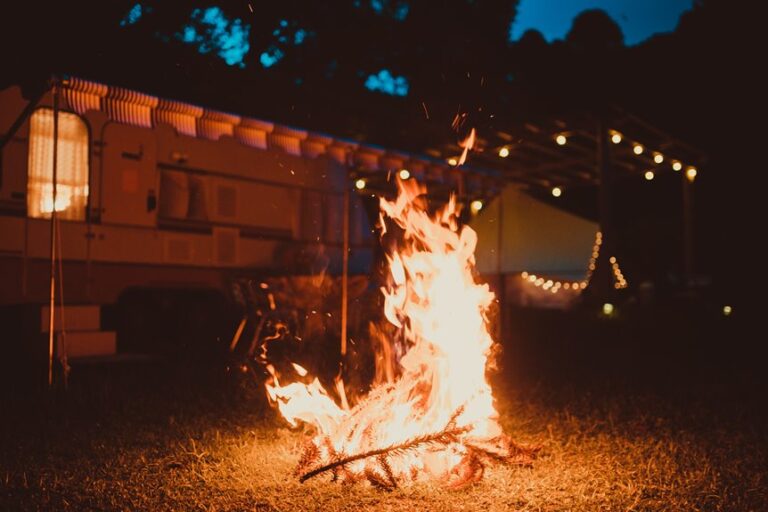
You can pack every item on your checklist and still run into trouble should your campfire or cooking setup get sloppy. You keep the crew safer provided you treat fire like a shared job, not a quick side task. A small mistake can turn a cozy night into a stressful one.
- Clear the ground before you light up.
- Keep water and a shovel close.
- Watch flames, not just smoke.
- Use controlled burns for fire rings only.
- Set portable griddles on stable, level surfaces.
Next, mind your fuel and timing. You don’t want loose gear, long sleeves, or rushed meals near heat. Whenever you cook, stand nearby and stay alert. In case sparks jump or grease pops, you can act fast and keep the camp calm.
How to Avoid Wildlife Risks While Camping
You can avoid a lot of wildlife trouble by storing all food, trash, and scented items in sealed containers and keeping them far from your tent.
Should you do spot an animal, stay calm, give it space, and never feed or chase it.
A little caution goes a long way, and it helps you enjoy the wild without turning your campsite into a snack bar.
Proper Food Storage
Whenever you store food the right way, you lower the chance of a hungry bear, raccoon, or mouse wandering into your camp and turning dinner into a disaster. You help your camp feel safe and welcoming while you keep snacks sealed and scents contained. Use airtight containers for dry goods, and label them so everyone knows where things belong. Then set up coolers organization by grouping meals, drinks, and raw items apart.
- Pack food after each meal
- Lock trash in a sealed bag
- Keep sweet items with meals
- Store spices with the main kit
- Wipe crumbs from tables and seats
Next, place food away from tents and tie bags securely. This simple habit saves space, cuts smells, and lets your crew relax together without unwanted visitors sniffing around.
Safe Animal Encounters
Even in a quiet campsite, wildlife can show up fast, so it helps to stay calm and ready. Keep your Secure Perimeter tight by stowing food, trash, and scented items in locked containers. Then follow Wildlife Etiquette: give animals space, never feed them, and speak softly should you spot one nearby.
| Move | Why it helps |
|---|---|
| Watch tracks | You notice animal traffic sooner |
| Keep lights handy | You avoid startling creatures |
| Stay in groups | You look less like easy prey |
| Back away slowly | You reduce stress for both of you |
Should a bear, deer, or raccoon enter camp, stand tall and retreat together. That way, you protect your crew and fit right in with campers who respect nature.
Why You Should Set Up Camp Early
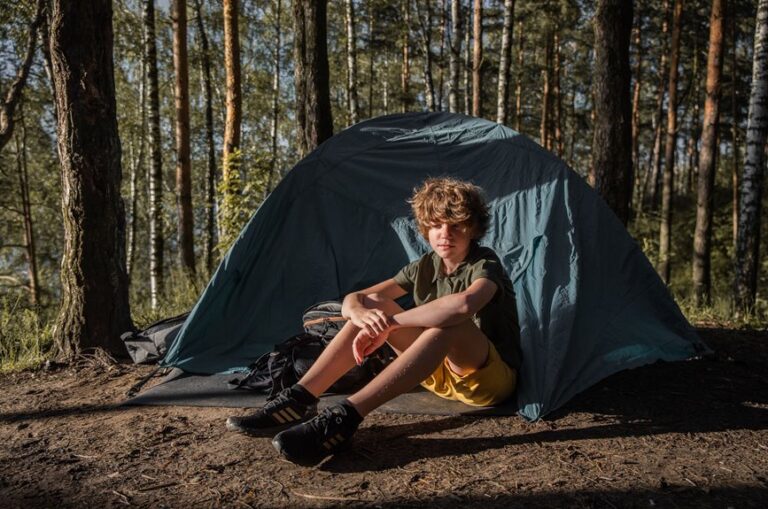
Because daylight slips away faster than most campers expect, setting up camp promptly can save you from a stressful, sloppy night. With prompt setup, you join the calm crowd that gets organized before the rush and feels right at home. The sunset benefits are real, too, since you can settle in while the sky still helps you see.
- Pick a level spot before dusk
- Unpack while you still have energy
- Find water and restrooms with ease
- Check your shelter before dark
- Relax sooner with your camp neighbors
When you move promptly, you make room for small fixes, like a loose pole or a missing stake. That simple head start helps you feel prepared, connected, and ready to enjoy camp without that last minute scramble.
What to Wear on a Camping Trip
Clothing can make or break a camping trip, so it pays to dress with care before you head out. You’ll feel more at ease whenever you choose pieces that work together and keep you ready for changing weather. Focus on layering strategies, because they help you adjust fast without feeling clumsy.
| Item | Best Use | Why It Helps |
|---|---|---|
| Base layer | Near skin | Wicks sweat |
| Mid layer | Cool evenings | Holds warmth |
| Shell | Rain or wind | Blocks weather |
| Socks | Daily wear | Prevents blisters |
| Shoes | Trails and camp | Adds support |
Smart material choices matter too. Pick wool or synthetic fabrics, since cotton stays wet and can make you miserable. Then choose clothes that fit well, move easily, and help you feel like you belong outdoors.
Why Overplanning Can Ruin a Camping Trip
Whenever a camping trip gets packed with too many plans, it can start to feel more like a checklist than a break. You want room to breathe, laugh, and belong with the people beside you, not race the clock. Rigid itineraries can squeeze out the easy moments that make camping feel special. Whenever every hour has a job, you notice missed spontaneity and less joy.
- Leave space for a slow morning.
- Pick one must-do activity.
- Let weather change your route.
- Share decisions with your group.
- Keep one evening open.
That small gap in your schedule helps you notice quiet views, surprise swims, and funny detours. So, instead of stuffing every minute, give the day some shape and some freedom.
How to Avoid Camping Mistakes Next Time
Now that you’ve seen how overplanning can drain the fun, the next step is to keep those same mistakes from following you into your next trip. Pack only what you’ll use, then check your list with a calm eye, not a panicked one.
Next, learn your campsite rules so you can follow Group Etiquette and respect shared space. Bring enough food and water, but don’t haul your whole kitchen along.
Keep your gear simple, trial it at home, and fix weak spots before you leave. Upon your arrival, set up ahead of time, talk with your crew, and make room for everyone’s comfort.
Then clean up with care and follow Leave NoTrace so the next campers feel welcome too. This way, you’ll fit right in and enjoy the trail together.
Frequently Asked Questions
How Do I Clean Myself While Camping?
You can clean up with camping wipes, then use a solar shower for a fuller wash. Bring biodegradable soap, a small towel, and change clothes. You will feel fresh, confident, and part of camp life.
What’s the Best Way to Charge Devices Outdoors?
You’ll charge devices best with a portable power bank or solar panels; 70% of campers run out of battery outdoors. Pack hand crank chargers too, so you and your crew stay connected, confident, and included.
How Can I Stay Comfortable Sleeping on the Ground?
Use an insulated pad under your sleeping bag and add an air mattress if you can. You’ll feel warmer and cushioned and you’ll fit right in with campers who prioritize comfort and a good night’s rest.
Should I Bring Cash for Camping Trips?
Yes, you should bring cash for camping trips. You’ll want small bills for campsite fees, tips, or snacks, plus emergency cash in case cards fail. You’ll feel prepared and part of the group.
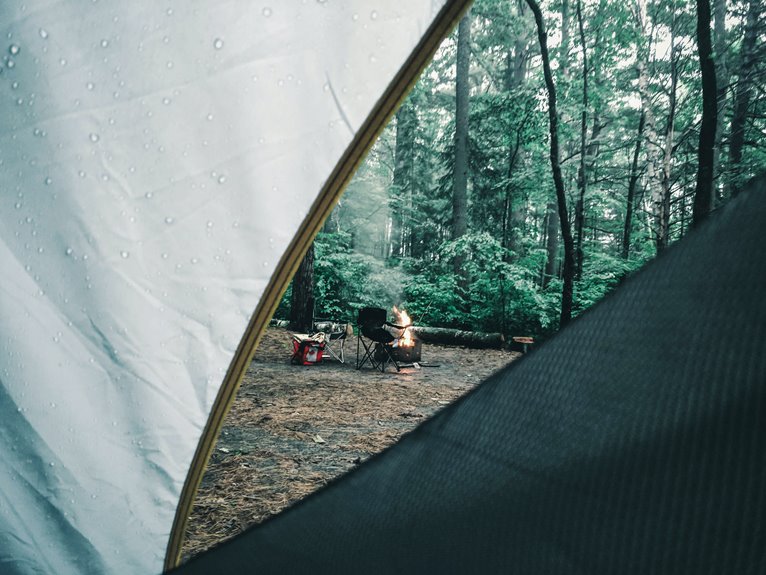
How Do I Keep My Tent Dry in Rain?
Pitch your tent on high ground, use a waterproof footprint and fully stake out the fly. Keep vents open, avoid touching the walls and use ventilation strategies so you and your camping crew stay dry together.