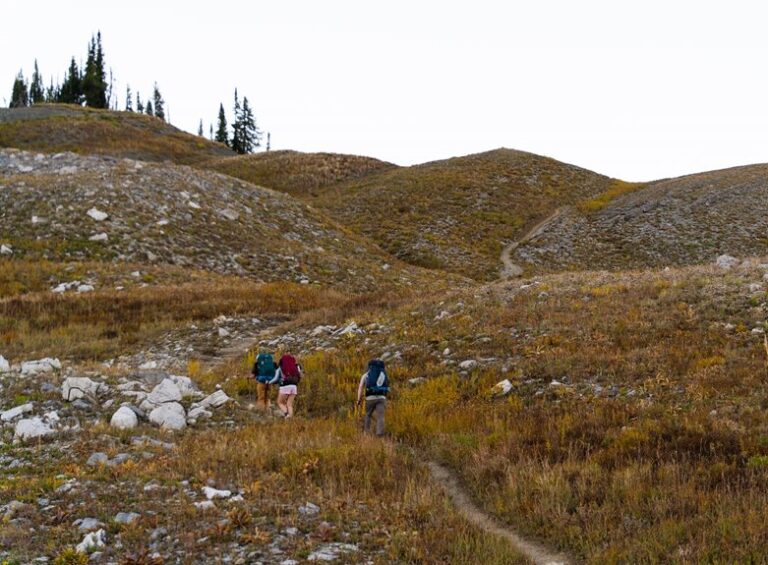


Choose breathable, moisture-wicking fabrics for hot sun and light insulation for cool mornings. Layer a base that moves sweat away, an insulating midlayer for warmth, and a shell that blocks wind and rain. Footwear should match terrain and fit with protective, quick-drying socks. Adjust layers during activity to stay comfortable and avoid overheating or chilling. Small items like a hat, gloves, and spare socks make big differences on variable trails.
Hiking Clothes for Hot Weather
Whenever the trail is hot, the right clothes can make your hike feel much easier and a lot more enjoyable. You want pieces that breathe, dry fast, and keep you feeling like part of the group, not the person stuck overheating in the sun. Choose breathable sunshirts to shield your skin while still letting air move. Pair them with vented hiking skirts should you like extra comfort and freedom on warm climbs. Light colors help reflect heat, and soft fabrics keep rubbing low while you sweat. Add a hat and moisture-wicking socks, since small choices can save the day. Whenever you dress smart, you stay focused on the views, the laughs, and the shared pace ahead.
Hiking Layers for Cold Weather
Whenever the temperature drops, you need a base layer that traps warmth without making you sweat too much.
On top of that, add insulation to hold in body heat, then finish with a shell that blocks wind and light rain.
This simple layering setup helps you stay cozy, dry, and ready to keep moving whenever the trail feels icy.
Base Layer Warmth
Because cold air steals heat fast, your base layer is the part of your hiking outfit that helps you stay warm without feeling bulky. You want it snug, dry, and soft against your skin so you can move with confidence on the trail. Thermal underwear works well for steady warmth, while silk liners feel light whenever you need less bulk.
| Base Layer Choice | Why It Helps |
|---|---|
| Thermal underwear | Holds warmth close |
| Silk liners | Adds light comfort |
| Wool blend tops | Wicks moisture well |
| Synthetic shirts | Dries fast after sweat |
At the time you pick the right layer, you feel part of the hiking crowd, ready for chilly starts and windy ridges. That comfort matters, because staying warm helps you enjoy every step.
Insulation And Shell
A warm base layer sets you up nicely, and now it’s time to add the pieces that trap heat and block the wind. You don’t need bulky gear to feel protected on the trail. With layered insulation, you stay cozy while still moving freely with your crew.
- Start with a light fleece or puffy layer to hold warmth close to your body.
- Choose breathable shells so sweat can escape before you get chilly.
- Zip and unzip as your pace changes, because your body warms up fast.
- Pack both layers, since weather can turn moody without warning.
When you build these layers well, you feel ready, calm, and part of the hike instead of fighting it. Each piece should work with the others, so you can stay warm, dry, and comfortable together.
Rain Gear for Wet Trails
Rain can change a fun hike into a cold, slippery struggle fast, so your rain gear needs to do real work, not just look the part.
You want a jacket with sealed seams and a hood that stays put whenever you move. Pair it with rain pants that fit over your layers, so you can stay dry without feeling trapped. For your hands and feet, waterproof mittens and packable overboots help you keep going whenever puddles turn into streams.
Choose gear that you can pull on quickly, because nobody likes wrestling a soaked sleeve on the trail. Whenever you dress this way, you join the hikers who stay steady, calm, and ready for the next muddy bend.
Windproof Clothing for Hiking
As the trail opens up and the breeze starts biting, windproof clothing can make the difference between feeling steady and feeling worn down. You stay warmer whenever gusts can’t cut through your gear, and you keep your pace without that constant shiver.
A snug windproof balaclava helps protect your face, whilst seam sealed windshirts block sharp air without adding bulk. Choose pieces that move with you, so you still feel like part of the group, not the odd one out.
- Pick a close fit that stops flapping.
- Look for breathable fabric, so you don’t trap sweat.
- Pack light layers that you can trust.
- Check cuffs and hems for wind leaks.
With the right shell, you’ll feel ready, calm, and welcomed on any exposed ridge.
Layering Basics for Changing Weather
As the wind drops or the sky turns moody, layering gives you a safer way to stay comfy without guessing what the day will do. You can build warmth in parts, so you and your trail friends stay ready together.
| Layer | Job |
|---|---|
| Base | Pulls sweat away |
| Mid | Adds warmth |
| Shell | Blocks wind and rain |
| Spare | Gives quick backup |
This setup helps thermal stratification work for you, since warm air stays near your body while cooler air stays outside. Whenever you hike harder, use ventilation strategies like opening a zipper or removing a layer before you get too hot. Then add it back once clouds roll in. With this rhythm, you’ll feel prepared, not trapped, and your pack won’t feel like a stubborn sidekick.
Best Hiking Fabrics for Comfort and Protection
As you pick hiking clothes, start with moisture-wicking fabrics that pull sweat off your skin and help you stay dry and comfortable.
Next add insulating layers like fleece or wool so you keep warmth without feeling bulky or trapped.
The right fabric combo can make a cool trail morning feel a lot less cranky on your body.
Moisture-Wicking Fabrics
Moisture-wicking fabrics can make a huge difference on the trail because they pull sweat off your skin and help it dry fast. Whenever you do a fabrics comparison, look for shirts and base layers that stay light, soft, and quick-drying. That makes sweat management easier, so you can keep moving without that clingy, damp feeling. You’ll fit in better with your group whenever you feel fresh and steady, not soggy and distracted.
- Choose synthetic blends for fast drying.
- Pick merino wool whenever you want less odor.
- Avoid cotton because it holds moisture.
- Try the fit so it moves with you.
Whenever you wear the right fabric, your hike feels smoother, and you can focus on the trail, the views, and the people beside you.
Insulating Layer Materials
Even on a chilly trail, the right insulating layer can keep you warm without turning you into a sweaty mess. You want fabrics that trap heat, breathe well, and move with you.
Fleece feels soft, dries fast, and gives you reliable warmth for cool climbs. Merino wool works too, and merino alternatives like alpaca blends can feel kinder on sensitive skin. Should you run cold or stop often, look for synthetic loft, which stays warm even when damp and won’t weigh you down. You can layer it under a shell, then zip or unzip as the weather shifts.
Whenever your group pauses for snacks, you’ll stay cozy instead of shivering. That little comfort lift helps you feel ready, steady, and part of the trail crew.
What Shoes and Socks to Wear Hiking
The right shoes and socks can make or break your hike, so it pays to get this part right. Choose boots or trail shoes that fit snugly, grip well, and leave room for your toes. Good Trail traction helps you feel steady on rocks, mud, and roots, which keeps your steps calm and confident.
For Blister prevention, wear moisture-wicking socks that hug your foot without bunching. Wool blends often work well because they stay warm when damp and dry fast.
- Match shoe height to the trail.
- Pick socks with smooth seams.
- Break in both before big hikes.
- Replace worn soles when grip fades.
Whenever your feet feel cared for, you can focus on the trail and enjoy the same steady pace as everyone else.
Best Hiking Accessories for Comfort and Safety
Once your shoes and socks feel right, the next layer of comfort comes from the gear you carry.
Trekking poles can steady your steps, hydration systems help you sip often without fuss, and sun protection gear keeps you safer as the trail gets bright.
With the right accessories, you can hike longer, feel better, and worry less about small problems turning into big ones.
Trekking Poles
Trekking poles can make a hike feel a lot smoother, especially as the trail gets steep, rocky, or slick. You’ll feel more balanced, and your knees might thank you whenever the path keeps dropping. In the event that you choose poles with adjustable grips, you can match them to your hands and stay comfortable on longer walks. Shock absorbing tips help soften each plant, so your stride feels steadier on hard ground.
- Use them to steady yourself on loose dirt.
- Shorten them for climbs and lengthen them for descents.
- Keep your shoulders relaxed so you don’t tense up.
- Pick a pair that feels like part of your crew.
With the right poles, you can move with more confidence and feel at home on the trail.
Hydration Systems
A good hydration system can take the stress out of a hike, because it keeps water close at hand without making you fumble through your pack.
Whenever you use hydration reservoirs, you sip as you walk, so you stay steady and focused with your crew.
A soft hose feels easy, and a wide opening makes filling simple.
Should the trail get hot or steep, add electrolyte tablets to your water so you can replace what you sweat out and keep your energy up.
You’ll also want a bottle you can reach fast for quick breaks.
Together, these choices help you feel prepared, calm, and part of the hike instead of fighting it.
Sun Protection Gear
Sun protection gear keeps your hike comfortable whenever the trail opens up and the sun starts working hard. You don’t need a huge setup, but the right pieces help you stay with the group and enjoy the day.
- A broad brim hat shades your face, ears, and neck, so you feel less heat promptly.
- Sunglasses cut glare, which helps you watch the trail with confidence.
- Lightweight, long sleeves add a layer without trapping too much warmth.
- UV rated gloves protect your hands once you grip poles or scramble over rocks.
With these items, you can hike longer and feel like you belong out there, not like you’re fighting the weather. Pack them before you head out, and your skin and energy will thank you.
Hiking Clothes for Sun Protection
Whenever you’re hiking under a strong sky, the right clothes can keep your skin safe without making you feel trapped or overheated. Choose UV rated clothing with long sleeves and a high collar, because it blocks harsh rays while still letting you move freely.
Light colors help you stay cooler, and loose fabric lets air flow as the trail feels hot. Add Cooling neckwear once the sun climbs higher, since it can ease heat fast and feel like a small relief squad for your neck.
A wide-brim hat works well with your shirt, so you stay covered without losing comfort. Whenever you dress this way, you fit in with hikers who know that smart sun protection keeps the day easier, safer, and far more enjoyable.
How to Pack for Mixed Weather on the Trail
Because trail weather can flip fast, your pack needs to handle sunshine, wind, and surprise rain without burdening you down.
Start with layers you can peel on and off, then add a light shell and a dry pair of socks.
Next, check weather forecasting tools prior to you leave, so you can pack with confidence instead of guessing.
Bring these essentials:
- A compact rain jacket
- An extra warm layer
- Snacks and water
- An emergency shelter
After that, use small stuff sacks to keep dry items separate from wet ones.
You’ll feel more prepared, and your trail crew will too, because shared planning builds trust.
Finally, leave a little room in your pack for changes.
That space can save your day in case the sky turns mean.
Frequently Asked Questions
How Do I Choose Hiking Clothes for Desert Hikes?
Choose lightweight, breathable layers and strong sun protection. I learned on a Mojave trek that cotton feels like a wet blanket in heat, so you will want moisture wicking fabrics, a wide brim hat, and light colors.
What Should I Wear for Night Hiking?
You should wear moisture wicking layers, a warm midlayer, reflective layers, sturdy pants, and grippy shoes. Carry a bright headlamp, check headlamp maintenance before you go, and choose gear that helps you feel prepared together.
How Should I Dress for Hiking at High Altitude?
You should dress like a mountain smart teammate: use a layering strategy, choose moisture wicking base layers, add insulation, and a windproof shell. Do not forget sunglasses, gloves, and boots. Prioritize oxygen acclimatization through moving steadily and staying warm.
What Clothing Works Best for Buggy Trails?
You’ll do best in long sleeves, pants, insect repellent fabrics, and bug net headwear. Choose breathable, light layers that keep mosquitoes off while you stay comfortable, confident, and ready to join the trail crew.
How Do I Prevent Chafing on Long Hikes?
You can prevent chafing by wearing moisture wicking layers, seamless underwear, and applying anti chafe balm before you start. Stay dry, adjust fit often, and choose gear that helps you feel confident and comfortable together.