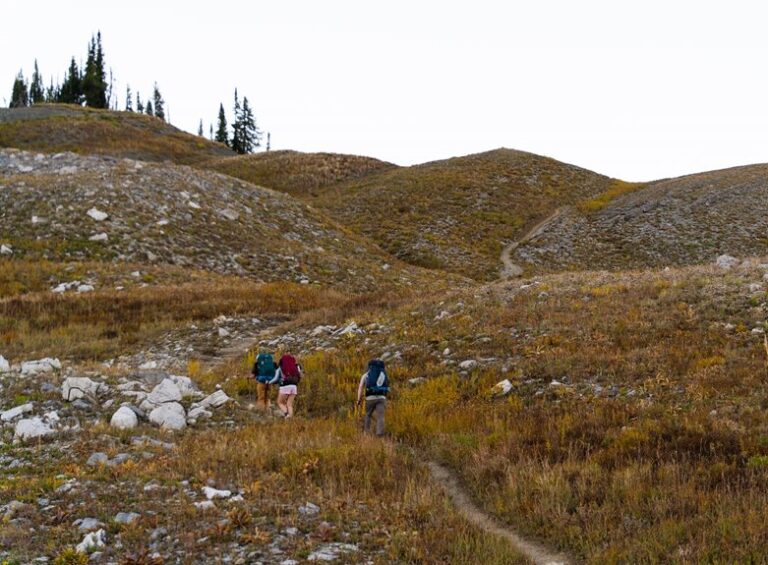
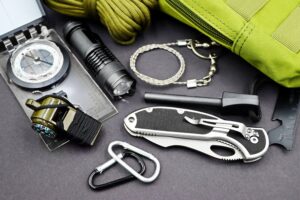

A well-packed daypack keeps small problems from turning into a long, annoying slog. Bring water, snacks, and layers that handle shifting weather, plus a map or GPS and basic safety items. Simple comfort gear—sunglasses, sunscreen, a hat—makes the hike pleasant. A compact first-aid kit and a reliable way to start a fire can save the day. One often-overlooked item in the pack can prevent a fast walk from becoming a long retreat.
What to Bring on a Day Hike: The Essentials
Before you hit the trail, pack the essentials that keep you safe, comfortable, and ready for a few surprises. You’ll want sturdy shoes, weather-ready layers, and a small initial-aid kit, because comfort matters whenever the path gets rough.
Add a map, fully charged phone, and flashlight so you can stay calm in case plans change. A compact knife, whistle, and hat also help you handle simple problems with confidence.
For trail etiquette, bring the basics that let you share space kindly, like a trash bag for your wrappers and a respectful mindset for other hikers.
Good fitness prep starts prior to you leave home, so check your pace, stretch a little, and choose gear you can carry with ease. With the right setup, you’ll feel ready, capable, and part of the trail community.
Pack Water and Snacks
Water and snacks can make or break your day hike, so pack them with care and a little extra thought.
You want enough water to keep you steady, not sluggish, and your hydration strategies should match the trail length, heat, and your own pace.
A refillable bottle or hydration bladder works well, as long as you sip often instead of waiting until you feel thirsty.
For food, choose energy dense snacks that travel well, like trail mix, nut butter packets, jerky, or granola bars.
These foods give you quick fuel without burdening down your pack.
Keep some snacks easy to reach, so you can grab them before your energy dips.
Whenever you plan ahead, you’ll feel prepared, calm, and ready to enjoy the trail with your crew.
Choose Layers for Changing Weather
As the trail changes with the weather, layering your clothes gives you the freedom to stay comfortable without carrying a heavy load.
Start with a breathable base that pulls sweat away from your skin, so you don’t feel clammy as the climb heats up.
Add an insulating midlayer for warmth once the breeze picks up or you stop to rest.
Then finish with a light shell you can slip off or on fast.
- Pick fabrics that dry quickly.
- Choose pieces that fit over each other easily.
- Keep one extra layer in your pack for surprises.
At the point you dress this way, you can join any trail crew feeling ready for a cool morning, a sunny ridge, or a chilly return walk.
Bring Reliable Navigation Tools
You should pack a paper map and a compass, even though your phone feels like enough. They won’t run out of battery, and they can keep you on track whenever trails get confusing.
For extra peace of mind, save an offline GPS map too, so you’ve got a solid backup should service disappears.
Map And Compass
A reliable map and compass can keep a day hike calm and on track, even whenever the trail gets fuzzy or the signs disappear. You don’t need expert skills to feel steady with them.
To begin, study the map before you start, then check magnetic declination so your compass points the right way. With a few orienting techniques, you can match the land to the page and spot ridges, bends, and junctions with less stress.
That simple habit helps you stay with your hiking crew instead of drifting off alone.
- Keep your map dry and easy to reach.
- Set your compass before you leave the trailhead.
- Pause often and confirm where you are.
Once you move with your group and trust your tools, the hike feels safer and more shared.
Offline GPS Backup
Even though your phone has a full charge, offline GPS backup can save the day whenever the signal drops and the trail feels uncertain. You’ll feel calmer whenever you carry tools that still work far from bars and towers.
| Tool | Why it helps | Best use |
|---|---|---|
| offline topoapps | Shows trails, slopes, and water points | Check route before and during hiking |
| satellite communicator | Sends location whenever phone service fails | Share your spot in an emergency |
| downloaded maps | Keeps your route open without data | Follow turns on long stretches |
Before you step out, save your maps at home and trial them once. Then pack a small power bank, because dead batteries don’t care how friendly the trail feels. With offline GPS backup, you stay prepared, connected, and ready to hike with the group’s quiet confidence.
Pack Day Hike Safety Essentials
Because trail plans can change fast, pack your day hike safety essentials before you step out the door. You’ll feel calmer whenever you know you’ve covered the basics, and your group will thank you should a small problem pops up. Keep these items where you can grab them quickly:
- Initially aid kit with bandages, tape, and pain relief
- Headlamp with fresh batteries for late returns
- Map, route planning notes, and a whistle for emergency signaling
After that, add a small knife and an extra layer so you can handle minor surprises without stress.
Once you pack with care, you give yourself more freedom to enjoy the trail and stay steady provided plans shift. That little bit of prep can turn a shaky moment into one you handle like you’ve done this before.
Protect Yourself From Sun and Bugs
Now that your safety basics are packed, make room for sun and bug protection so the trail stays more comfortable.
Start with broad-range sunscreen and put it on before you leave, then reapply provided you’re out for hours.
A hat and sunglasses help too, and they make bright stretches feel less harsh.
For insects, choose bug repellent clothing whenever you can, since long sleeves and pants give you an easy shield.
You can also bring repellent for exposed skin, especially near water or shaded brush.
A little planning keeps you focused on the views, not the bites.
Once you’re comfortable, you’ll feel like you belong on the trail, not like you’re fighting it.
That’s the kind of hike everyone recalls with a grin.
Carry Basic First-Aid Supplies
Keep a small first-aid kit in your pack with bandages, antiseptic wipes, gauze, tweezers, and pain relief so you’re ready for little scrapes and stings.
In case you get a blister, cut, or thorn poke, you can handle it fast and stay comfortable on the trail.
Store everything in a waterproof pouch, and keep it easy to reach so you’re not digging around whenever you need it most.
Essential First-Aid Items
Even on a short day hike, a small initial-aid kit can turn a rough moment into a manageable one. Pack a few essentials so you feel ready, not weighed down.
You’ll hike better whenever you know help is close.
- Sterile gauze and adhesive bandages for clean coverage
- Antiseptic wipes and saline for wound irrigation
- Allergy management items, like your prescribed medication
Add medical tape, tweezers, and a pair of nitrile gloves provided space allows. Keep everything in a waterproof pouch, and tuck it where you can reach it fast.
Once a blister starts or a bee stings, you’ll be glad your group has your back. A small kit doesn’t shout for attention, but it quietly protects your trail day.
Treat Minor Injuries
As soon as a scrape, blister, or splinter slows you down, a small initial-aid kit helps you handle it without turning the whole hike upside down.
You can clean the spot with wipes, cover it with bandages, and keep moving with less worry.
Should a blister start to sting, use blister care right away, since prompt attention saves your feet from a bigger problem later.
Cold compresses can calm a bump or a hot, swollen spot, and they give you a quick reset whenever the trail feels rough.
Add tweezers for tiny splinters, and bring pain relievers in case you use them at home.
With these basics, you stay ready, steady, and part of the trail crowd.
Store Supplies Safely
Stash your basic initial-aid supplies in a small, waterproof pouch so they stay clean, dry, and easy to grab whenever you need them. Keep the pouch near the top of your pack, so you can reach it fast without digging around while your group waits. You’ll feel more at ease once bandages, antiseptic wipes, and pain relievers are sorted and ready.
- Use locked containers for sharp items or medicines at home before you leave.
- Pack small bottles in odor proof bags to contain leaks and keep other gear fresh.
- Check that scissors, tape, and gloves all fit in one place.
- Add a tiny reminder with your emergency contacts.
Whenever your supplies stay neat, you can focus on the trail and stay steady with your crew.
Add Backup Items for Comfort
Whenever the weather shifts or a trail feels longer than you expected, a few backup items can make your day hike a lot more comfortable.
You’ll feel calmer whenever you tuck in an insulated sitpad, because it keeps cold ground from stealing your energy during breaks. A handwarmers packet can also save the day should your fingers get stiff, and it fits easily beside your snacks.
Add a lightweight beanie or buff, too, since a little extra warmth can help you stay in the group and keep your mood up.
In case you like, bring dry socks in a small bag, because wet feet can turn a great outing into a grumpy one fast. These small comforts help you stay steady, relaxed, and ready for the trail.
Check Your Day Hike Pack Before You Go
Before you step out, give your day hike pack a quick once-over so you don’t find a missing item halfway up the trail. You’ll feel calmer when everything has a place and your gear organization makes sense. Open every pocket, check your water, and make sure your snacks, map, and first-aid kit are easy to reach.
Then do simple trail inspections on your pack itself. Look for loose straps, empty bottles, or a jacket you forgot to stow.
- Try zippers and buckles before you leave
- Match your layers to the forecast
- Keep small essentials in one zip pocket
That last check helps you move with confidence, because your pack should support you, not slow you down. When you’re ready, you can join the trail feeling prepared and welcome among other hikers.
Frequently Asked Questions
How Much Should a Day Hike Backpack Weigh?
You should keep your day hike backpack around 10 to 20 percent of your body weight. Adjust pack weight to your fitness level so you feel confident, comfortable, and ready to join the trail with others.
What Shoes Are Best for a Day Hike?
You’d suppose any shoes work, but your feet know better. For most day hikes, you’ll fit in best with trail runners; choose waterproof boots whenever mud, rain, or rough terrain demands extra support and protection.
How Do I Choose the Right Trail for Beginners?
Start with an easy, well marked trail that matches your fitness, then check trail difficulty, distance, and elevation. Choose routes with scenic variety so you’ll feel welcomed, confident, and part of the hiking community.
Should I Tell Someone My Hiking Route?
Yes, you should tell someone your hiking route. Leave itinerary details with trusted emergency contacts so your people can check on you and you will feel supported, connected, and safer in case plans change.
What Time Should I Start a Day Hike?
Start your day hike promptly, ideally in the morning hours, so you have daylight, cooler temps, and time to finish before late afternoon. You will feel safer, prepared, and part of the trail crowd.