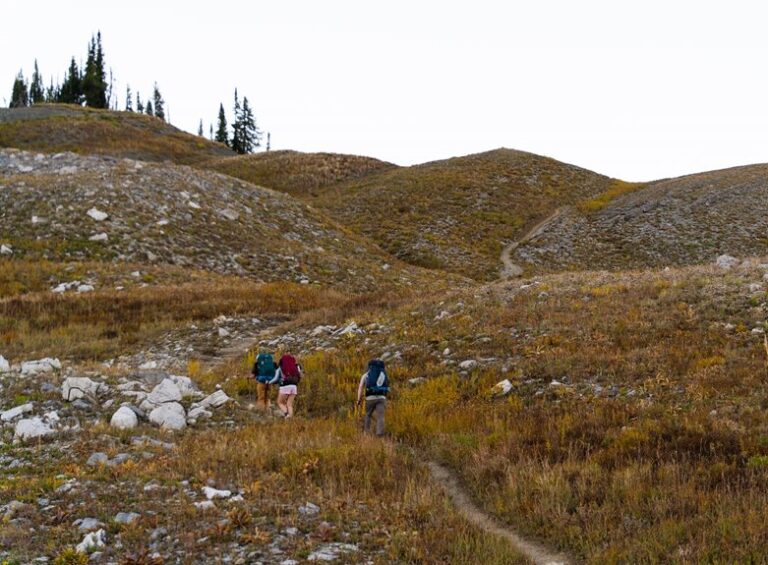


Hiking trail etiquette keeps trails safe, peaceful, and enjoyable for everyone. Greet fellow hikers politely, speak softly, and stay on marked paths to protect plants and prevent erosion. Yield uphill right-of-way and give others room to pass on narrow sections. Keep dogs leashed unless local rules allow off-leash, and always pack out all trash and pet waste. Follow posted signs and observe wildlife from a distance to avoid disturbing animals and their habitats.
Basic Hiking Trail Etiquette Rules
Before you hit the trail, it helps to know the simple rules that keep hiking pleasant for everyone. You’ll feel more at ease whenever you greet others, stay aware of your surroundings, and keep your pace steady.
Good group dynamics start whenever you share the path, speak up kindly, and let everyone move comfortably. In case you hike with friends, use trail leadership to set a calm example, so nobody feels rushed or left out.
Pack out what you bring in, keep noise low, and watch where you step. These small habits show respect and make the trail feel welcoming. Whenever you act with care, you help others relax too, and that sense of belonging can make every mile better.
Yield to Hikers Going Uphill
As you meet hikers coming uphill, give them the right of way because climbing takes more effort and focus. Step aside promptly so they don’t have to stop or squeeze past you, and pick a safe spot where everyone can pass with ease.
That small move keeps the trail calmer, kinder, and a lot less awkward for everyone.
Uphill Right Of Way
On a steep trail, the rule is simple: hikers going uphill usually get the right of way, and that matters more than most people believe. Whenever you practice pace etiquette, you help the climber keep rhythm and breathing steady. Your uphill courtesy sends a clear message: you’re part of the same trail community, and you respect the effort ahead.
- Let the uphill hiker keep moving whenever you can.
- Pause your chatter so they can focus.
- Offer a quick “you’ve got it” provided they look tired.
- Keep your body calm and give them space.
This small choice makes the trail feel kinder for everyone. You don’t need perfect timing, just a little awareness and heart.
Step Aside Early
Stepping aside promptly keeps a good trail rhythm and saves everyone from that awkward dance of shuffling feet and muttered apologies.
Once you notice someone climbing toward you, look ahead often so you can spot them soon. Then make a quick move to the side and give them room to keep their pace. You don’t need a dramatic jump, just courteous stepping and a calm nod.
Should the path be narrow, choose the safest flat spot and wait there for a moment. That small pause helps the hiker uphill keep steady breathing and focus.
You’ll also feel more at ease because everyone knows the trail is shared. A little awareness now can turn a crowded stretch into a friendly, smooth exchange for both of you.
Share the Trail With Bikers
Sharing a trail with bikers gets easier once you know a few simple habits that keep everyone moving safely and calmly. You belong on the trail too, and a little bike etiquette helps the whole path feel welcoming.
- Stay to the side whenever space is tight.
- Watch for passing signals and give room fast.
- Keep your line steady so riders can predict you.
- Offer a quick nod or thanks whenever they pass.
Whenever you hear a rider coming, glance back, then move aside with confidence.
Should the trail feel crowded, let faster bikers go first so nobody feels boxed in.
Clear choices like these build trust, and they make the trail feel shared instead of split.
Keep Noise Low on the Trail
Quiet helps everyone enjoy the trail, so keep your voice and sounds under control as you move along. You’ll fit in better whenever you share calm energy with the group around you.
| What to do | Why it helps |
|---|---|
| Use quiet conversations | Others can hear nature and feel at ease |
| Keep muted devices on | Alerts won’t break the peaceful mood |
| Lower music and calls | You show respect for nearby hikers |
| Pause before speaking loudly | The trail stays welcoming for everyone |
Whenever you hike with friends, talk softly and laugh without carrying your voice far. Should you need to check your phone, keep it muted and step aside. You don’t have to whisper every moment, but you should notice how sound travels outdoors. A little care makes the whole trail feel friendlier, and that’s something you can be proud of together.
Leave No Trace on the Trail
To leave no trace, you need to pack out every bit of trash, even the small stuff like wrappers and tissues.
Stay on marked paths so you don’t wear down plants or widen the trail by accident.
Whenever you respect the natural surroundings, you help keep the trail clean, safe, and beautiful for everyone who follows behind you.
Pack Out All Trash
A full trail bag could feel annoying, but packing out all trash is one of the kindest things you can do for the outdoors. You help your trail crew stay proud of shared spaces, and that feeling matters. Carry a small bag for wrappers, tissues, and snack crumbs. During litter audits, scan your rest spot and grab bits you almost missed. For micro trash removal, check under rocks, near logs, and around benches where tiny scraps hide.
- Keep one pocket for trash.
- Seal food waste before it smells.
- Pick up stray bits you see.
- Bring out every item you brought in.
When you leave nothing behind, you protect wildlife and show other hikers that care is normal here.
Stay On Marked Paths
Staying on marked paths helps the whole trail feel safe, calm, and cared for.
Whenever you keep your boots on the trail, you cut down trail erosion and help the ground hold together.
You also protect plants that need time to grow back after heavy foot traffic.
Should you step around puddles or take shortcuts, you can widen the path and make it harder for everyone to enjoy.
So, follow the signs, stay with your group, and trust the route that trail builders chose for you.
That small choice shows respect, and it helps with habitat protection too.
Plus, it keeps you from getting lost, which is nice whenever your snack break depends on a happy ending.
Respect Natural Surroundings
Once you’ve kept to the marked trail, the next step is caring for everything around you. You help keep the trail welcoming whenever you treat plants, rocks, and streams like shared home space. Skip picking flowers, stacking stones, or carving bark. Watch for seasonal sensitivity, because young growth and nesting areas can be easy to harm. Also, stay out of habitat corridors, since animals use them to move safely.
- Pack out every scrap of trash.
- Keep food sealed so wildlife stays wild.
- Use rest spots without trampling fragile edges.
- Leave shells, feathers, and stones where you find them.
As you move gently, you protect the trail for the next hiker and help everyone feel they belong there too.
Stay on Marked Hiking Trails
From the initial step, stay on marked hiking trails so you protect yourself and the land around you. Whenever you follow the path, you help trail preservation and habitat protection, and you keep the experience welcoming for everyone. Consider the trail as a shared line that helps each hiker feel part of the same outdoor community.
| Good choice | Why it matters |
|---|---|
| Follow signs | You avoid getting lost |
| Walk single file | You reduce trail damage |
| Skip shortcuts | You protect plants and soil |
Staying on route also keeps fragile areas from wearing down. So, whenever a side path looks tempting, pause and keep going straight. Your steady steps show respect, and they make the trail safer, cleaner, and easier for the next hiker who wants to belong too.
Handle Pets the Right Way
Should you bring a pet on the trail, keep them close so everyone stays safe and calm. You’ll fit in better whenever your dog listens and moves with you. Good leash training helps your pet stay beside you, and it also helps you relax.
- Use a short leash on busy paths.
- Give clear cues before turns or stops.
- Bring water and a simple bowl.
- Pack pet waste disposal bags and use them right away.
Whenever you clean up fast, you show respect for the trail crew and other hikers. That small habit makes the whole group feel welcome.
In case your pet gets tired, take a break before things turn messy. A calm, prepared approach keeps your outing smooth and helps you and your trail buddy enjoy the same friendly rhythm.
Respect Wildlife and Fellow Hikers
Wildlife and other hikers both deserve your full attention, and a little care goes a long way. Whenever you see deer, birds, or squirrels, observe distance and let them move on without stress. In case an animal crosses the path, pause quietly and share the space. Use a calm voice with your group so everyone feels welcome, not startled.
| Trail Moment | Your Action | Shared Feeling |
|---|---|---|
| Bird on branch | Keep moving softly | Peaceful |
| Hiker behind you | Step aside kindly | Included |
| Deer ahead | Observe distance | Safe |
| Snack time | Avoid feeding | Respectful |
That same care helps fellow hikers too. Smile, keep your gear close, and pass with room. Small acts like these build trust, and they make the trail feel like a friendly place for all.
Know Trail Signs and Rules
Trail signs can feel like a quiet guide, and they make the path easier to trust. Whenever you learn sign meanings, you fit in faster and hike with more confidence. You also protect yourself and everyone around you through following trail rules.
- Read closures before you step forward.
- Watch for arrows, blazes, and mile markers.
- Yield whenever signs ask you to let others pass.
- Stay on marked routes, even unless a shortcut looks easy.
Next, notice small details, because one sign can change your plan fast. For example, a wetland warning or seasonal closure helps you avoid trouble. Should you pause for a moment, you’ll keep the trail calm, safe, and friendly for the whole group. That’s how good hikers move together with care.
Frequently Asked Questions
What Should I Do if I Get Lost on a Trail?
Stop and breathe; you are not alone. Stay put, signal for help, and use your whistle or phone. Mark your spot, conserve energy, and trust that your trail family has your back until rescue arrives.
How Early Should I Arrive at a Busy Trailhead?
You should arrive beforehand, ideally before sunrise, to beat crowds and secure parking. That parking strategy helps you start calm and connect with fellow hikers before the trail gets busy and the day rushes in.
What Gear Is Essential for a Safe Day Hike?
You’ll need a sturdy water bottle, sun protection, supportive shoes, a small initial aid kit, snacks, and a map, as those basics keep you safe. Add layers, and you’ll feel ready, confident, and part of the trail crowd.
Can I Hike Alone on Unfamiliar Trails Safely?
You can hike alone safely on unfamiliar trails provided you build solo route finding skills, practice personal preparedness, share your plan, carry backup maps, and stay alert. You are not alone once you prepare and trust your judgment.
How Do I Find Trail Conditions Before Hiking?
Check current reports and trail cameras first; they will tell you whether your route is clear. Nearly 70% of hikers say conditions change plans. You are not alone—tap ranger updates and join the community of prepared travelers.