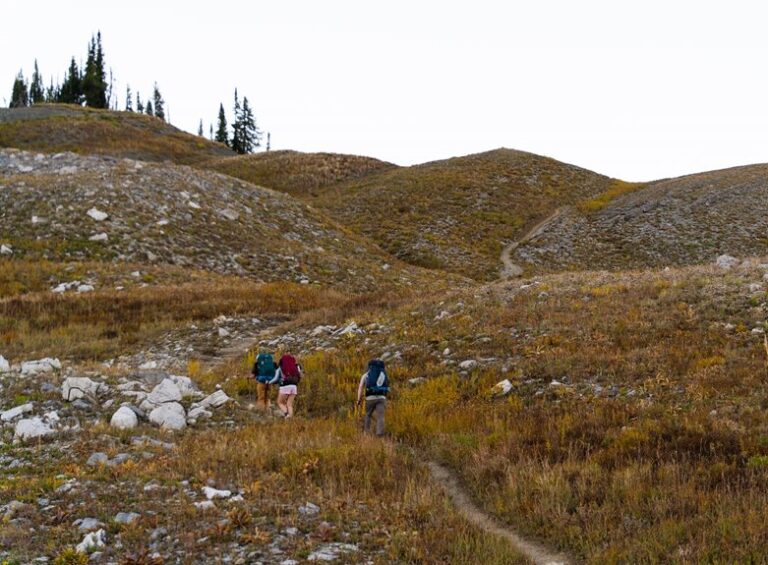


Build hiking endurance by progressing gradually with regular walks, longer weekly outings, and targeted strength work for legs and core. Add hill repeats, squats, step-ups, planks, and loaded carries to boost power and stability. Maintain a steady pace that allows conversation, sip water frequently, and snack small and often to keep energy steady. Use trekking poles on rough or steep sections to save knees and conserve energy. Consistent, focused practice plus smart fueling and pacing yields steady improvements on the trail.
What Helps Hiking Endurance Build?
Building hiking endurance starts with steady effort, not a rush to go harder every time. You help your body adapt whenever you hike often, rest well, and let small gains add up.
Over time, your muscles learn to work longer, and your heart gets better at supporting you on the trail. Good food, enough water, and sleep also matter because they give you the fuel to keep showing up.
In case you hike at higher places, altitude adaptation becomes part of the process, and your body slowly learns to handle thinner air.
Just as crucial, mental resilience keeps you moving whenever your legs feel tired and your doubts get loud. With patient practice, you’ll feel like you belong on tougher trails, not just visiting them.
Set a Hiking Pace You Can Maintain
A pace that feels easy at the start can save your whole hike later. You don’t need to push to fit in with faster hikers. Instead, settle into a steady cadence that lets you breathe in control and keep your steps smooth.
In case you can talk in short sentences without gasping, you’re close to your conversation pace. That’s the sweet spot where your body stays steady and your mind stays calm.
Watch your breathing, your stride, and your effort together. Should the trail get steeper, shorten your steps before you hurry. Provided you feel strong, keep the same rhythm instead of racing ahead. Whenever you pace yourself this way, you stay with the group, protect your energy, and enjoy the trail more.
Build a Weekly Walking Base
Start with walks you can repeat week after week, because your hiking legs need a steady base before they need a big challenge.
You’re not trying to crush yourself here. You’re teaching your body to trust movement, and that’s a good club to join.
Aim for daily stepgoals that fit your life, then add one or two longer walks each week.
Keep them easy enough that you can talk without gasping.
As you build, mix in varied terrain like gravel paths, grass, and gentle trails, so your feet learn to adapt.
Should one day feel rough, shorten the walk and keep going tomorrow.
Consistency beats heroics.
Whenever you show up often, your endurance grows quietly, and your next hike starts to feel like a welcome escapade, not a trial.
Train on Hills to Boost Stamina
Hills can make your walks feel a little tougher, but that extra effort is exactly what helps your hiking stamina grow.
Whenever you train on slopes, you teach your body to keep steady, even though your lungs work harder. Start with short hill intervals, then recover on flat ground and repeat a few times.
This gives you a strong push without leaving you wiped out. In case you plan to hike at higher elevations, hill practice can also support high altitude acclimation so as to help you get used to thinner air.
You don’t need a giant mountain to begin. A nearby trail, park rise, or even a long driveway can do the job.
Keep your pace smooth, breathe deep, and let each climb build your confidence, one step at a time.
Add Strength Training for Legs and Core
Strong legs and a steady core can make a long hike feel far less punishing, because they help you carry your pack, keep your balance, and push through tired moments with better control.
You can build that support with simple moves that fit your week:
- Squats for stronger climbs
- Planks to steady your torso
- Step-ups to mimic trail effort
- Plyometric lunges for quick power
- Weighted carries for pack-ready strength
Start with light sets, then add a little challenge as you feel ready. Also, focus on clean form, because that keeps you safe and confident.
Once your legs and core work together, you join the trail crowd with more trust in your body. That feeling matters on steep miles, and it can make hard hikes feel like shared wins.
Use Hiking Poles to Save Energy
With a pair of hiking poles in your hands, each step can feel a little lighter and a lot more controlled.
You share the load with your arms, and that upper body engagement helps your legs keep more energy for the miles ahead.
On climbs, plant the poles a little ahead of you and push smoothly.
On descents, use them to steady your rhythm and ease the pressure on your knees.
Before you head out, check pole length adjustment so your elbows stay bent at a natural angle.
That small fit change can make every stride feel more comfortable.
Should the trail get rough, shorten your grip and stay relaxed.
Soon, you’ll move with more confidence, and your hiking group will feel like home.
Fuel Before and During Long Hikes
Good fuel can make a long hike feel a lot less like a trial and a lot more like a steady expedition. Before you start, eat something familiar with carbs and a little protein. Then keep portable snacks close so your body never feels ignored on the climb. You’re part of the trail crew whenever you plan well, and that sense of readiness matters.
- Pack trail mix for quick energy
- Bring jerky for lasting bite
- Choose bars you already like
- Time electrolyte timing with heavier effort
- Eat small portions prior to hunger hits
During long miles, nibble often instead of waiting for a crash. That steady rhythm helps you stay strong, focused, and welcome in your own pace.
Stay Hydrated on the Trail
Once you’ve packed the right snacks, keep your water plan just as steady, because even the best fuel feels rough whenever you’re dry. You’re part of the trail crew whenever you sip early and often.
| Trail moment | What you do |
|---|---|
| Start | Drink before you feel thirsty |
| Mid-climb | Take small sips every few minutes |
| Heat | Use cooling strategies like shade breaks |
| Sweat | Watch electrolyte timing with salty snacks |
| Finish | Refill prior to heading home |
This rhythm keeps your pace smoother and your head clearer. In case your mouth feels sticky or your steps feel heavy, you’re already behind. So, keep a bottle where you can reach it fast, and share the same steady habit with your hiking buddies. Small sips can carry the whole day.
Recover Faster After Tough Hikes
After a tough hike, you can help your body bounce back faster through eating a mix of protein and carbs within a couple of hours.
Then, keep the recovery going with light movement like an easy walk or gentle stretching, since staying still all day can make you feel even stiffer.
These simple habits can ease soreness and get you ready for your next trail day.
Post-Hike Nutrition
Once you finish a tough hike, your body needs more than a quick rest, because it has been working hard for hours and could feel drained, sore, and a little worn down. You can help it bounce back via eating soon, and that’s where electrolyte timing and protein snacks matter most. Sip water with sodium or a light sports drink initially, then eat a simple snack within an hour.
- Choose salty foods to replace minerals.
- Add protein to help tired muscles repair.
- Pair fruit with yogurt for easy fuel.
- Keep a snack ready in your pack.
- Eat a fuller meal perhaps hunger returns.
Whenever you fuel this way, you join the hikers who know recovery is part of the trail too.
Active Recovery Strategies
Gentle movement can help your body bounce back faster than total stillness, because stiff muscles often feel even worse while you stay frozen on the couch.
After a tough hike, you can walk lightly for 10 to 20 minutes, then add active mobility like ankle circles, hip swings, and easy arm rolls. These small moves keep blood flowing and help your legs feel less heavy.
Next, use guided stretching for your calves, quads, and hips so you don’t stiffen up overnight. Breathe slowly and stay relaxed, because your recovery should feel safe, not like another workout.
Should you’re sore, join the many hikers who favor easy movement the day after a big trail. Your body usually answers with less tightness, better comfort, and more ready-for-the-next-adventure energy.
Choose Trails That Match Your Fitness
Choosing trails that match your fitness can make hiking feel exciting instead of exhausting. Whenever you check trail grading, you set a pace that feels right for you, and terrain matching helps you stay steady on the move. You don’t need the hardest route to belong outdoors; you just need a trail that meets you where you are. That choice builds confidence rapidly.
- Start with shorter loops
- Pick gentle climbs initially
- Read trail signs before you go
- Match rocky paths to your balance
- Grow your challenge one step at a time
With each smart choice, you join the trail community in a way that feels calm, capable, and real. Soon, your legs and your confidence will work together.
Avoid Common Hiking Endurance Mistakes
Even a strong hiker can lose energy fast whenever small mistakes pile up, so it helps to spot the habits that drain your stamina before they take over your day. You belong on the trail, and you can protect that energy with a few smart choices. Pace misjudgment is common, so start easier than you suppose and let your breathing stay calm. Also, gear overpacking can turn your pack into a nagging burden.
| Mistake | Better move |
|---|---|
| Going out too fast | Set a steady rhythm |
| Carrying too much | Pack only what you need |
| Skipping short rests | Pause before you feel wiped |
Once you check your pace and trim extra weight, you give your legs room to last. That’s how a rough climb starts feeling manageable, mile after mile.
Frequently Asked Questions
How Long Does It Take to Build Hiking Endurance?
You’ll usually build hiking endurance in 4 to 8 weeks with steady outings, altitude adaptation, and smart nutrition timing. You can feel stronger sooner, especially when you hike regularly with your crew and recover well.
Do Shoes Affect Hiking Endurance on Long Trails?
Yes, your shoes can make or break endurance on long trails. Choose supportive trail footwear, and your legs will not waste energy. Lighter packing weight helps too, letting you hike stronger, farther, together.
Can Hiking Endurance Improve Without Running?
Yes, you can absolutely improve it without running. You will build hiking endurance through strength training, altitude training, brisk uphill walks, and steady weekly hikes, and you will feel like you belong with every stronger step.
Is Breathing Technique Important While Hiking Uphill?
Yes, it is. As you climb, your chest tightens and the trail seems steeper; then diaphragmatic breathing and rhythmic cadence steady you, so you join the hill crew, strong, calm, and moving together.
How Often Should I Hike Each Week?
Aim for 2 to 4 hikes weekly, balancing trail frequency with recovery days. You’ll build endurance best by hiking consistently, resting well, and keeping a steady pace of progress rather than pushing too hard.