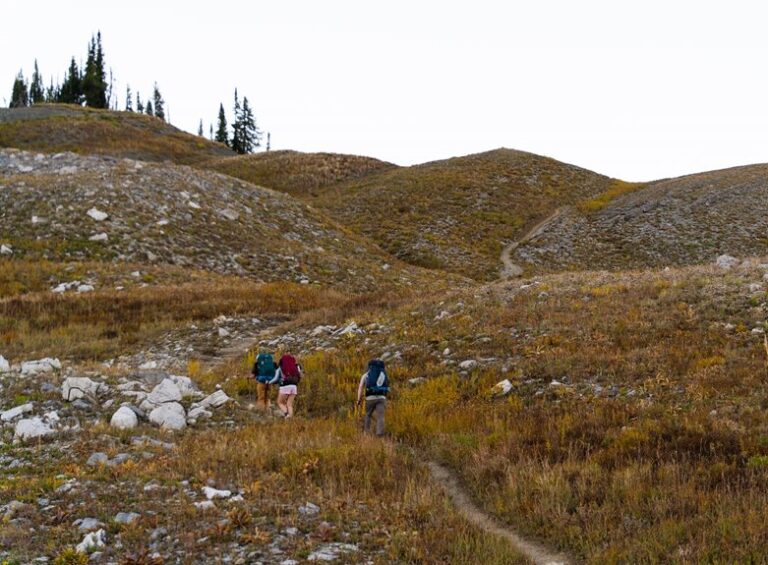


Hiking with kids can be fun, safe, and surprisingly simple with a little planning. Pick a trail that matches your children’s age and energy level. Pack sun protection, insect repellent, plenty of water, and simple first-aid supplies. Set clear stay-close rules and a comfortable pace with regular snack and rest breaks. Have a basic backup plan and contact method in case of unexpected turns.
Choose a Kid-Friendly Hiking Trail
A good trail can turn a family hike into a happy memory instead of a hard slog, so start with a path that fits your child’s age, stamina, and mood that day. You’ll do best whenever you check the trail length, elevation gain, terrain type, and difficulty rating before you leave.
A short loop with gentle climbs and smooth ground often keeps kids smiling and moving. Should your child loves rocks or roots, choose a path that feels fun, not scary.
You want a route that invites your crew in, not one that makes anyone feel left out. Also, read recent trail updates, because muddy spots or washed-out sections can change the plan fast.
Whenever the trail matches your family’s pace, you help everyone feel capable, calm, and ready to belong outdoors together.
Pack Hiking Gear for Kids
Your child’s backpack can make or break the hike, so pack it with comfort, safety, and a little flexibility in mind.
Start with layered clothing so your child can shrug off warmth or add it back fast. Choose child size footwear that fits well and won’t pinch on rocky paths.
Then tuck in a mini initial aid kit with bandages, wipes, and any needed medicine.
A lightweight carrier helps should little legs tire before yours do, and it keeps the day calmer for everyone.
- Bring a spare shirt in case of sweat or spills.
- Pack snacks that are easy to eat on the move.
- Add a small rain shell for quick weather changes.
- Include a water bottle your child can hold easily.
When you pack together, your kid feels prepared, and you feel less like the family pack mule.
Set Trail Rules for Staying Together
Once you hit the trail, clear rules help everyone stay calm and close. Before you start, tell your kids the buddy system means nobody hikes off alone, even for “just a quick look.” Choose a simple rule for spacing, like staying where they can see your shoes or hear your voice.
Next, agree on trail signals for stop, wait, and come back. A raised hand or a short whistle can work well, as long as you all use the same signs. Then, practice these rules on the initial steps so they feel natural, not strict.
Whenever kids know what to do, they feel included and protected. You also get fewer surprises, which keeps the whole group moving together with less stress and more confidence.
Plan Snacks, Water, and Comfort Breaks
Pack easy trail snacks like fruit, crackers, or granola bars so your kids can refuel without a fuss.
Bring more water than you reckon you’ll need, since small hikers can get thirsty fast on warm or hilly trails.
Then plan short comfort breaks before anyone gets cranky, because a quick rest can keep the whole hike calm and happy.
Pack Easy Trail Snacks
A little planning goes a long way whenever you hike with kids, especially whenever it comes to snacks, water, and rest stops. You help everyone stay happy provided you pack simple foods that fit small hands and busy trails.
Choose nut free treats and resealable portions so kids can grab a bite without making a mess. That little win keeps spirits up and leaves more time for fun.
- Slice fruit into easy pieces.
- Pack crackers or pretzels in small bags.
- Add cheese sticks or yogurt tubes provided they stay cool.
- Bring a favorite snack for comfort in case energy dips.
You can also tuck in a few wipes, so sticky fingers don’t turn into big drama. As long as you keep snacks easy, your group feels cared for and ready to keep moving.
Bring Enough Water
Water can make or break a family hike, so you want everyone sipping before they feel thirsty. Pack more than you reckon you need, since kids burn through water fast whenever they’re excited and chatting.
Give each child a bottle they can carry, and keep your own stash easy to reach for quick refills. Set simple hydration cues at regular spots on the trail, like after a snack or prior to a steep stretch. That way, you build a calm rhythm that feels like teamwork, not nagging.
Keep water monitoring part of your routine through checking bottles before they feel light. Should the weather warms up, add a little extra and watch for dry lips, sleepy energy, or complaints that sound bigger than they are.
Schedule Comfort Breaks
Just as essential as water, regular comfort breaks can keep the whole hike feeling cheerful instead of rushed. Whenever you plan them ahead, your kids know they’ll get a chance to snack, sip, and reset. That helps everyone feel like part of the team, not just followers on a trail.
- Aim for a timed restroom stop before moods slip.
- Offer small snacks before kids get overly hungry.
- Build in stretch stops so legs and backs stay loose.
- Use each pause to check shoes, tempers, and energy.
As you move from one break to the next, watch for wiggly steps or quiet faces. Those signs usually mean it’s essential to stop, even though the map says otherwise. A short pause can save the whole outing from turning into a tired, teary march.
Watch for Trail Hazards
Trail hazards can change fast, so you’ll want to keep your eyes moving as you hike with kids. Scan ahead for loose roots, slick rocks, and sudden drop-offs, then point them out in plain words. Should you spot poison ivy, steer the group around it and teach kids to leave plants alone. Whenever the path narrows, stay close enough to guide little feet without crowding their space.
| Hazard | What you do | Why it helps |
|---|---|---|
| Roots | Step over, not on | Cuts slips |
| Poison ivy | Walk wide | Protects skin |
| Rocks | Try each step | Builds trust |
That careful watching helps kids feel safe, included, and ready to follow your lead. Because you’re looking out for one another, the trail feels less scary and more like your shared expedition.
Manage Pace and Prevent Fatigue
Keep your pace steady so kids can match your rhythm instead of racing ahead and wearing themselves out.
Watch their energy closely, and take frequent rest breaks before they get cranky, hot, or too tired to enjoy the trail.
A few short pauses for water and a quick snack can help the whole hike feel easier and much more fun.
Set a Steady Pace
A steady pace can make the whole hike feel safer and a lot more fun for everyone. You help kids stay with the group whenever you choose gentle strides and keep your speed easy to match. Start with a pace that lets everyone talk without gasping, then adjust should the trail get steeper or muddy. Small games can keep minds busy and feet calm.
- Count steps together on a flat stretch.
- Use rhythm games to match footfalls.
- Let kids lead for short, safe sections.
- Notice once someone starts to lag.
Whenever you stay steady, kids feel more confident and less rushed, and that shared rhythm helps your whole crew move as one.
Take Frequent Rest Breaks
Once your group has found a steady rhythm, don’t be afraid to stop and rest before anyone gets worn out. You’ll help kids stay happy provided you plan short pauses every 20 to 30 minutes, even though everyone still feels strong. Let them sip water, grab a snack, and catch their breath. This keeps small tired legs from turning into big meltdowns.
Should the trail feel hot, look for shade seeking spots under trees or rocks. Add frequent stretching so stiff backs and calves loosen up before you move on. You’ll also want to check in with each child. Ask how they feel, and listen closely. Whenever you rest often, you make the hike feel safer, kinder, and more fun for the whole crew.
Protect Kids From Sun, Bugs, and Weather
From the initial mile, your child’s comfort can shift fast as the sun gets strong, bugs get busy, or the weather turns slick and cool. To keep your crew happy, apply sunscreen before you start, and reapply it on breaks. Then add insect repellent on exposed skin and clothing, so bites don’t steal the fun.
- Pack hats with brims and lightweight long sleeves.
- Choose breathable layers you can add or peel off.
- Bring a rain shell should clouds roll in.
- Check socks and shoes for damp spots often.
Whenever you stay ahead of the elements, kids feel protected, and the trail feels easier for everyone. A little planning helps your group keep smiling, even provided the sky changes its mind.
Be Ready for Trail Emergencies
Even on an easy trail, small problems can grow fast, so it helps to plan for the moments while your hike doesn’t go as expected. Pack a small initial aid kit with bandages, wipes, tweezers, and any medicine your child might need. Keep emergency communication tools close, like a charged phone, a whistle, and a paper map in case service drops. Before you start, tell someone your route and return time, and choose simple trail goals that fit your group.
Should a child slips, gets stung, or feels scared, stop, breathe, and check what’s wrong right away. Your calm tone helps everyone feel safe. Once your crew knows there’s a plan, the trail feels less scary and more like your outing together.
Frequently Asked Questions
How Do I Know if My Child Is Ready for a Longer Hike?
You’ll know your child is ready once they handle shorter hikes with physical stamina and an attention span that stays steady. They should stay upbeat, follow directions, and want to keep going with your group.
What Age Can Kids Start Carrying Their Own Backpack?
Around age 4 to 6, you can let kids carry a tiny pack; about 10% of a child’s body weight is a common limit. You will help them feel capable, included, and ready.
How Do I Keep Kids Entertained on the Trail?
You can keep kids entertained with scavenger hunts and song games. Let them spot leaves, birds and rocks then cheer together. You will build teamwork, laughter and a sense of belonging on every trail.
Should I Hike With a Stroller or Child Carrier?
Choose a child carrier for rough trails and a stroller for smooth, wide paths. Match your terrain choice to your child’s age and your comfort as a parent so you both feel included and confident.
How Do I Help a Child Who Gets Scared on the Trail?
You help through staying calm, validate feelings, and offer safety scripting. Use grounding techniques like naming sights and sounds. Practice exposure with short hikes, and celebrate small wins so they feel they belong.