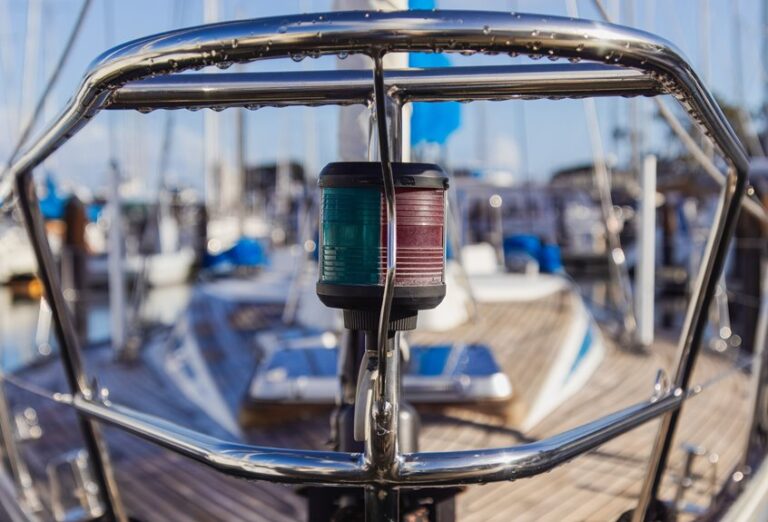


Boat owners keep vessels ready by following a short, regular maintenance routine. Start with a hull rinse to remove salt and grime. Check bilge pumps and drains for clear flow and no odors. Inspect engine oil, fuel lines, clamps, and filters for wear or leaks. Test batteries, lights, radios, and safety gear before every outing to avoid preventable problems.
Essential Boat Maintenance Tasks for Every Owner
Keeping your boat in good shape doesn’t have to feel like a chore that eats up your weekends. You can stay part of the crew by handling a few steady jobs that matter. Wipe down surfaces, rinse salt away, and check for loose fittings so small problems don’t turn into big ones.
Next, protect wood with fresh deck varnish, since it keeps the finish strong and the boat looking cared for. Then, inspect lines, hoses, and seals for wear, and swap them before they fail. Should your canvas tears, canvas repair helps you keep shade and cover without stress.
Also, clean bilges and clear drains so water moves out fast. Whenever you keep up with these tasks, you build confidence, save money, and feel right at home on the water.
How to Inspect Your Boat Before Every Trip?
Before every trip, give your boat a quick but careful check so you can head out with peace of mind instead of last-minute surprises.
Start with the basics: look at fuel, battery power, lights, and the bilge area.
Then examine the radio, piloting gear, and safety equipment so you know they’re ready whenever you need them.
Walk around the deck and watch for loose lines, slippery spots, or anything that could trip up your crew.
A calm weather briefing helps you plan smarter and avoid rough conditions.
Also, follow dock etiquette by moving with care, keeping noise low, and giving others space.
Whenever you inspect with your group in mind, you build trust, feel prepared, and make every departure smoother for everyone aboard.
Boat Maintenance for a Clean, Protected Hull
A clean hull does more than make your boat look sharp, because it also helps protect the surface from damage, drag, and premature wear.
You keep your crew proud whenever you wash it after each outing with fresh water and a soft brush. Then you remove salt, grime, and slime before they settle in.
Should you spot dull spots or scratches, gelcoat restoration can bring back shine and help seal the finish.
After that, check the bottom for growth and use antifouling application as needed to slow future buildup.
You’ll save time later once the hull slides easier and stays healthier.
With steady care, your boat feels ready for the next trip, and you do too, like you belong out there.
What to Check in Your Boat’s Engine
Next, check your boat’s engine so you can catch small problems before they turn into a ruined day on the water.
Start with the fuel system, then look at the oil level to make sure the engine has the protection it needs.
After that, review the cooling system so your engine stays steady and doesn’t run too hot.
Fuel System Check
Your boat’s fuel system deserves a careful check, because a small issue there can quickly turn into a frustrating day on the water.
Start with fuel filtration. Look at the filter for dirt, water, or old debris, and replace it in the event it seems clogged. Then inspect hoses and clamps for cracks, looseness, or leaks, since steady fuel flow keeps your crew confident.
Next, watch for vapor sensing around the tank, lines, and engine bay. Should you smell fuel or notice bubbles, pause and fix it before you head out.
Check the fill cap and vent too, because both help protect the system. Whenever you handle these steps, you’re not just doing upkeep, you’re joining the boaters who know safety and trust go together.
Oil Level Inspection
Slip the dipstick out and check the engine oil before you start the motor, because this quick habit can save you from a rough day and a costly repair. You’re part of a smart boating crew when you make this a normal step. Wipe the stick clean, slide it back in fully, then pull it out again for the true reading. The oil should sit between the marks and look smooth, not milky or gritty. Should it be low, top it off with the right grade. In the event it’s dark and thin, plan service soon.
| Check | What to Look For | Your Next Move |
|---|---|---|
| Level | Between marks | Add oil |
| Color | Amber to dark | Note alterations |
| Texture | Smooth | Inspect further |
| Smell | Normal | Watch closely |
| Timing | Oil change intervals | Schedule service |
Cooling System Review
Take a close look at the cooling system before you head out, because a healthy engine depends on steady water flow and the right temperature.
You want your crew to feel calm, not worried, whenever the engine starts singing.
- Check the Raw water pump for leaks, cracks, or weak flow.
- Feel the hoses for soft spots, bulges, or loose clamps.
- Watch the temperature gauge for sudden jumps that signal trouble.
- Plan Thermostat replacement provided the engine runs hot or won’t warm up right.
Whenever you catch small problems beforehand, you keep the ride smooth and the mood easy.
That’s how boaters look out for each other on the water.
A clean cooling system helps your engine stay ready, so you can leave the dock with confidence and enjoy the trip together.
How to Care for Your Battery and Electrical System
Often, the best way to protect your boat is to give the battery and electrical system steady, simple care before trouble starts. Check the battery case, terminals, and cables for corrosion, cracks, or looseness. Clean the connections, then tighten them so power flows well. Keep battery ventilation open so heat and fumes can escape safely. In case your boat has multiple batteries, label them clearly so you and your crew know what each one does.
Next, inspect fuses, switches, and wiring for wear or damage, and replace anything frayed right away. Good electrical bonding also matters, because it helps reduce stray current and keeps systems working together. Whenever you stay on top of these small jobs, you help your boat feel ready, safe, and part of your crew.
How to Inspect and Maintain Your Fuel System
A healthy electrical system helps your boat start strong, and a clean fuel system keeps it running that way. You can protect that peace of mind with a quick check each trip. Look for leaks, cracks, or loose hose clamps, then wipe away any damp spots. Replace the fuel filter on schedule so dirt won’t choke the engine. Should you boat in warm weather, watch for ethanol issues, since old fuel can pull in water and cause rough starts.
- You’ll feel more confident whenever the engine answers fast.
- You’ll enjoy calmer rides with fewer surprises.
- You’ll avoid the sinking feeling of a stalled outing.
- You’ll join other owners who keep their boats ready.
Keep fuel fresh, cap tanks tightly, and use the right cleaner as required.
Why You Should Check Safety Gear Regularly
Your safety gear quietly protects you as the day turns messy, so it deserves a regular once-over before you head out.
When you check life jackets, you make sure the crew can grab them fast and wear them comfortably. Look for torn straps, weak buckles, or damp stuffing that can cut comfort and trust.
Then examine emergency signaling gear, because a whistle, flare, or light only helps provided it works whenever you need it. You also want labels, dates, and batteries to stay current, so nothing catches you off guard.
A quick routine builds calm confidence for everyone aboard. It says, “We’ve got each other,” and that shared peace of mind can turn a tense moment into one you handle together.
How to Care for Lines, Fenders, and Hardware
Once the dock starts to bump and the wind shifts, the small gear around your boat takes the brunt of it, so lines, fenders, and hardware need steady care.
You can keep your crew proud of the boat by rinsing lines after salty trips and feeling for fuzzy spots, stiff bends, or weak ends. Use soft marine soap on fenders, then dry them before you tuck them away. Clean cleats, shackles, and snaps, and add a light coat where metal rubs.
- You’ll feel calmer whenever a line holds firm.
- You’ll smile whenever a fender stays soft and clean.
- You’ll trust your boat more with tidy line stowage.
- You’ll feel like part of a care-minded dockside group.
Keep gear coiled loosely, out of sun, and ready for the next tie-up.
Seasonal Boat Maintenance for Storage and Launch
Before you store your boat, give it a thorough cleaning so dirt, salt, and grime don’t sit on the finish all winter.
Then winterize the engine, plumbing, and batteries so cold weather doesn’t cause costly damage.
Once spring arrives, check every system, look for leaks or wear, and make sure your boat is ready to launch safely.
Pre-Storage Cleaning
Give your boat a fresh start through cleaning it well before storage, because a little care now can save you a lot of trouble later. Wipe down every deck, seat, and locker so dirt, salt, and crumbs don’t settle in.
Then scrub concealed corners where grime loves to hide, and dry each surface fully for mildew prevention.
Next, open hatches and add a smart ventilation setup so fresh air can move through the cabin. That simple step helps your boat feel ready once you return.
- You’ll breathe easier realizing you protected your boat.
- You’ll avoid that musty surprise next season.
- You’ll step aboard and feel proud right away.
- You’ll keep your boating circle smiling, too.
Winterizing Systems
After your boat is clean and dry, it’s time to protect the systems that keep it running smoothly. You’ll feel better realizing each line and pump is ready for cold weather. Drain water from engines, pumps, and hoses, then add antifreeze flushing where the maker recommends it. This helps prevent cracks that can ruin a carefree start later.
Next, treat fuel with stabilizer and close the tank tightly. Remove batteries, charge them, and store them in a dry place. Check bilges, valves, and filters, too, so small issues don’t grow over winter.
Finally, cover your boat with mooring shrinkwrapping or a snug winter cover. That extra shield keeps out snow, grit, and curious critters, so your boat stays part of the marina family.
Spring Launch Checks
Spring launch checks can save you from a rough start, and they also help your boat feel ready for a new season. You’re not just prepping gear. You’re joining the dock crowd with confidence and care.
- Check the hull, plugs, and seams for cracks or leaks.
- Assess batteries, lights, and bilge pumps before you leave the ramp.
- Review safety gear so everyone feels calm and protected.
- Do wind checks, then plan your route and dock etiquette with respect.
Next, walk the deck and clear last season’s clutter.
Then flush the engine, inspect lines, and confirm fuel smells right. Whenever you take these steps, you’ll feel steady, welcomed, and ready to slip into spring like you belong there.
Frequently Asked Questions
How Often Should I Replace My Boat’s Zinc Anodes?
Replace your boat’s zinc anodes anytime they are 50% worn, usually during your annual inspection. You will protect your hull and propulsion system better, and you will stay in the group of owners who keep sacrificial anodes working.
When Should I Change My Boat’s Propeller?
You should change your boat’s propeller once you spot bends, cracks, vibration, or poor acceleration; don’t wait for a failure. During propeller inspection, use performance tuning to keep your crew confident and your boat running smoothly.
How Do I Prevent Mold Inside My Boat Cabin?
You’ll prevent mold through keeping air moving with smart ventilation strategies, drying wet surfaces fast, and using moisture absorbers. Open hatches, run fans, and join other boaters who keep cabins fresh, dry, and welcoming.
What’s the Best Way to Winterize a Small Boat?
Drain water, add the right antifreeze types, and do engine fogging before storage. You will protect your boat, join other careful owners, and head into spring confident, ready, and connected with your harbor crew.
How Do I Troubleshoot a Noisy Boat Bilge Pump?
Check your bilge pump initially for suction blockage, then clear debris and examine the float switch. Tighten loose wiring, inspect for electrical arcing, and replace worn parts so you and your crew stay confident together.