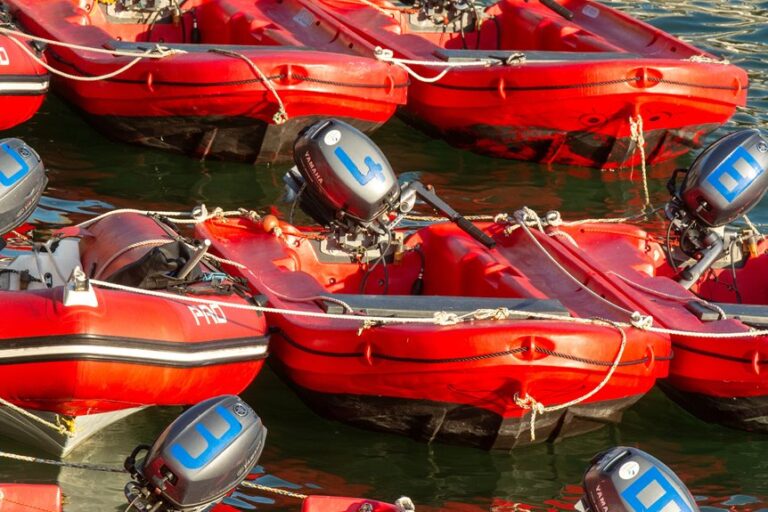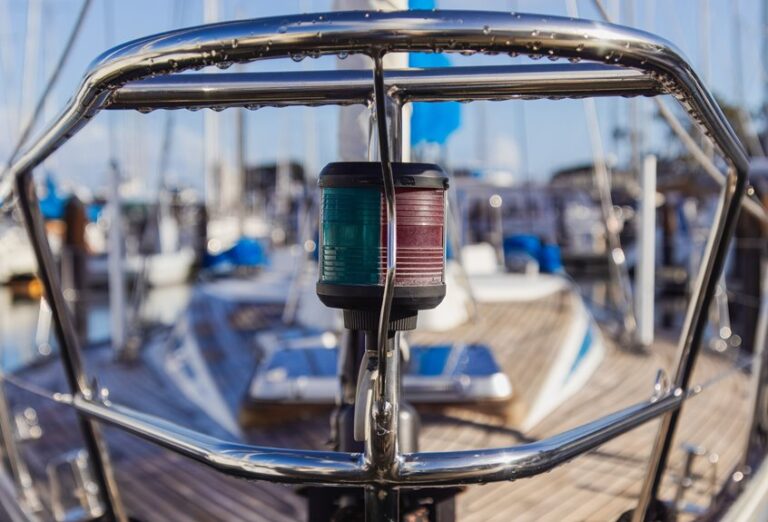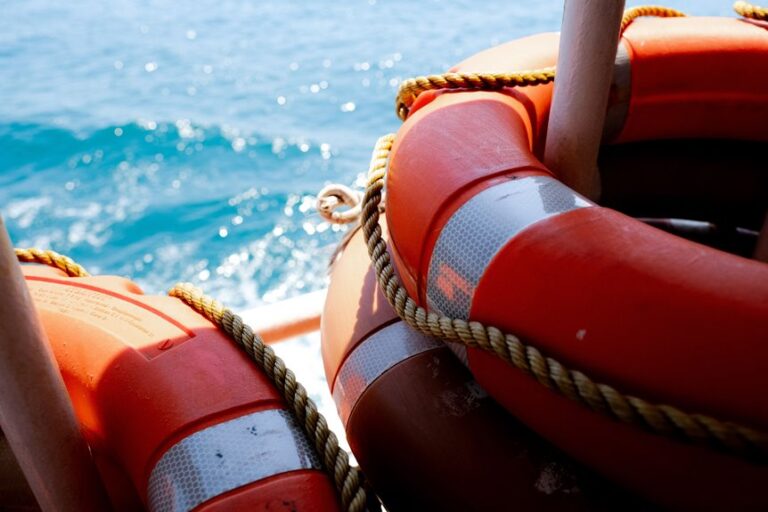


Boating starts safely with a quick, calm checklist: confirm the drain plug is secure, batteries are charged, and the radio works. Check that life jackets fit each person and that everyone knows basic roles aboard. Review charts and weather for the route and hazards before leaving the dock. Stow gear so it won’t shift and secure loose items for rough water. A few solid pre-departure steps prevent common problems and make time on the water more enjoyable.
Boating Basics Every Beginner Should Know
Before you leave the dock, it helps to know the basic rules that keep a boat trip calm and safe. You’ll feel more at home on the water whenever you learn how your boat moves, turns, and stops. Different boat types handle waves and wind in their own way, so take a minute to ask questions and watch how yours responds.
Next, practice knot basics, since a strong line can save time and stress whenever you tie up or anchor. Also, learn simple boating terms like bow, stern, port, and starboard. These words help you speak clearly with others on board.
Once you know the basics, you’re not just a guest on the water. You’re part of the crew, and that makes every trip smoother, safer, and a lot more fun.
Essential Boating Safety Gear
A few smart pieces of safety gear can make your time on the water feel a lot less stressful and a lot more enjoyable.
Start with a well-fitted life jacket, because it keeps you steady whenever the boat shifts or you lose balance.
Next, carry a primary aid kit, a whistle, and bright lights so you can handle small problems fast.
You should also keep VHF radios on board, since they help you reach nearby boats and marinas whenever your phone can’t.
Add a reliable anchor and learn the main Anchor types, so you can stop safely in the right spot.
Once you pack these items, you join a group of boaters who look out for one another and make every trip feel more secure.
Check the Weather Before You Go
Good gear helps you handle problems on the water, but weather can change the whole plan before you even leave the dock. You should check the forecast the night before and again right before launch, because conditions can shift fast.
Look for wind speed, rain, lightning, and wave warnings, then match your trip to what feels safe for your crew. Pay attention to microclimate patterns near bays, bridges, and open shorelines, since those spots can surprise you.
A quick glance at barometer checks can also tell you if pressure is dropping and a storm could be building. Whenever you stay alert, you protect your group and help everyone relax. That calm, prepared feeling makes the boat feel like your place too.
Learn the Basic Navigation Rules
Whenever you’re on the water, you need to know who’s the right of way so you can avoid close calls and keep everyone calm.
You should also watch course markers because they guide you through safe channels and warn you about concealed hazards.
And whenever you hear signal sounds, respond the right way, since those simple blasts can help you prevent confusion and boat with more confidence.
Right Of Way
Grasping who’s the right of way can keep a busy day on the water from turning tense fast. You help everyone feel safer when you slow down, watch ahead, and act promptly. In simple terms, give way to the vessel with the clearer path, and don’t force a last second move.
When two boats meet, you should stay calm and make your choice obvious. Supposing you’re the stand on vessel, keep your line steady so others can judge you. Also, note stern collisions often happen when you assume instead of checking.
Envision the buoy hierarchy as part of the bigger scene, but focus initially on boat to boat movement. A friendly wave and steady throttle can spare you stress and keep your crew feeling like they belong.
Navigation Markers
Channel markers and color-coded buoys do a lot of the talking for you on the water, so your job is to read them before they start feeling like a mystery. You belong out there whenever you know the basics.
Green markers usually keep the channel on your port side as you return, and red markers stay on your starboard side.
Channel buoys help you stay in safe water, especially near narrow bends, docks, and shallow spots. Watch for seasonal shifts, too, because storms, floods, and changing tides can move sandbars and make familiar routes less friendly.
Signal Sound Rules
Because sound can warn nearby boaters before they even see you, learning basic signal rules is one of the easiest ways to stay safe and calm on the water. You can consider whistle signals as your boat’s voice, and that voice should be clear and steady.
Use one short blast to say you plan to turn right, and two short blasts to show a left turn. In case you need to back up, give three short blasts.
In fog or tight areas, keep your horn etiquette simple and predictable so others know what to expect. Also, listen as much as you signal, because good boating feels like team play.
Whenever you follow these sounds, you help everyone share the water with confidence, kindness, and a little less guesswork.
Wear Your Life Jacket Correctly
You should pick a life jacket that fits your body and matches your boating activity, because the right type keeps you safer and more comfortable.
Next, fasten every strap and buckle so it stays secure, even in case the water gets rough.
Then check that it feels snug, since a jacket that rides up can’t protect you the way it should.
Choose Proper Life Jacket
Safety starts with comfort, and a life jacket can only protect you well provided it fits right and stays on the right way. You belong on the water whenever your gear feels secure, not awkward. Check sizing standards on the label, then match them to your chest size and body weight. A snug fit helps the jacket stay in place should you slip. Look for a model made with durable fabric and simple material maintenance, so you can clean it after each trip.
| Check | Why it matters |
|---|---|
| Label size | Guides proper fit |
| Chest room | Supports comfort |
| Fabric care | Extends jacket life |
Also, choose bright colors and low-bulk styles that suit your boating plans. Whenever you wear the right jacket, you join the crew with more confidence and less worry.
Fasten All Straps
Clip every buckle before you step away from the dock, since a loose life jacket can shift just as you need it most.
You belong on the water with gear that works for you, so take a moment to secure straps across your chest, waist, and sides.
Pull each one through its keeper, then press the ends flat so they stay put.
Should your jacket have extra tabs, tuck them in so they don’t flap around in the breeze.
That small habit keeps your jacket neat and ready. It also supports tether maintenance, because tidy hardware is easier to inspect later.
Once you fasten everything now, you help your crew feel safe and calm. Then you can focus on the fun, not on fixing gear midride.
Check Snug Fit
Now that your straps are fastened, take a moment to check the fit, because a life jacket only protects you well once it stays close to your body. You should feel secure, not squeezed, like you belong on the water with your crew.
Use the Adjustable straps to tighten the sides and shoulders until the jacket sits high and firm. If it rides up past your chin, loosen it and try again.
Move your arms, then lean back a little to assess it. Good Chafe prevention matters too, so smooth out twisted straps and avoid rough rubbing near your neck.
| Check | What to feel | Fit | Snug, but comfy | Straps | Flat and even | Movement | Free arms, no riding up | Friends | Safe, confident, ready |
|---|---|---|---|---|---|---|---|---|---|
| What you look for | Why it helps | ||||||||
| Distant shapes | You notice promptly changes | ||||||||
| Bright reflections | You handle glare reduction | ||||||||
| Floating objects | You steer with care | ||||||||
| New ripples | You read the water better |
Keep your head up, blink often, and let your eyes move in a steady pattern. That simple rhythm helps you feel calmer and more in control.
Watch Surrounding Traffic
Most of the time, safe boating starts with one simple habit: watch everything around you, not just what’s straight ahead. You help your crew feel secure when you keep your head up and your eyes moving. Check mirror traffic often, then look left, right, and behind you for boats, paddlers, and swimmers.
Watch for wake, fast turns, and sudden course changes. Also, give extra attention to blind spots near your bow and beside larger boats. Should you need to turn, slow down initially so you can spot trouble sooner.
Then, speak up clearly with your group so everyone stays alert together. Whenever you stay aware, you protect your space and make the water feel calmer for everyone nearby.
Avoid Alcohol and Other Distractions
Alcohol and boating don’t mix, because even one drink can dull your reflexes, cloud your judgment, and turn a calm trip into a risky one. Whenever you stay clear headed, you help everyone on board feel safer and more confident.
You also make it easier to react fast whenever the water changes. Keep your group in sync by setting a simple plan before you leave.
- Skip alcohol until you’re back on shore.
- Put one person in charge of driving and watching for hazards.
- Store phones, loud music, and extra chatter so you can keep focus.
If you’ve got friends with you, remind each other that safety is part of the fun. That shared habit builds trust and keeps your crew steady.
Understand Waterway Signs and Signals
Waterway signs and signals help you read the water before it reads you. Whenever you spot a marker, slow down and match your course to the channel. Red markers often stay on your right whenever you return from open water, and green markers stay on your left. That simple rhythm helps you feel at home fast. Pay attention to bouy etiquette too, because a marker isn’t a toy, and it deserves space.
Next, watch light patterns on docks, bridges, and vessels. A steady or flashing light can show direction, danger, or movement. In case you’re unsure, pause and look again. You don’t need to guess alone. Ask a nearby boater or marina staff, and you’ll fit in with the crew.
How to Respond to Boating Emergencies
Even though you know the markers and lights, emergencies can still happen fast, so it helps to stay calm and act in a clear order. You’re part of a boating crew now, and that means everyone looks out for each other.
Initially, check for danger, then speak clearly so your group knows the plan. Should someone falls in, use your man overboard response right away: point, throw a flotation aid, and keep eyes on them. Should the boat is in serious trouble, follow distress procedures and call for help with your location and problem.
- Secure life jackets.
- Assign one person to radio.
- Keep communication short and steady.
With calm steps, you can protect your people and stay ready together.
Know What to Do in Rough Water
As the wind picks up and the waves start to slap the hull, your best move is to stay calm and slow everything down. You’re not alone out there; every skipper learns rough water with practice. Trim the bow up a bit, keep a steady throttle, and meet each wave at a safe angle. Use swell avoidance by watching sets early, then steer around the biggest peaks instead of charging through them. Should you need to pause, try smart anchor techniques in protected water, and let the boat settle before you continue.
| Move | Why it helps |
|---|---|
| Slow down | Keeps control |
| Watch swell | Spots patterns |
| Angle the boat | Reduces pounding |
| Secure gear | Stops surprises |
| Communicate clearly | Builds teamwork |
Protect Kids and New Passengers
As kids or new passengers step aboard, put life jackets on initially so everyone has built-in protection right away. Keep a close eye on them at all times, because a calm moment can change fast on the water.
Also, make sure seating areas stay secure and clear so nobody slips, tumbles, or gets caught off guard.
Life Jackets First
Life jackets are your boat’s initial safety rule, and they matter most for kids and new passengers who may not know what to expect on the water. You help everyone relax when you make the right fit easy and normal.
- Pick Coast Guard approved jackets that match each person’s weight and size.
- Check inflatable preferences only for swimmers who can wear them safely and know how they work.
- Choose bright color visibility so you can spot each person fast.
Whenever you hand out jackets before you cast off, you send a clear message: you belong here, and you’re covered. Adjust buckles snugly, then tug the shoulders to examine the fit. Should a child wiggle or a guest seems unsure, pause and fix it. That small step builds trust and keeps the whole crew feeling welcome.
Supervise Constantly
Keep eyes on kids and new passengers every minute, because boats can shift fast and a small slip can turn stressful in seconds. You help everyone feel safe whenever you stay close, speak up promptly, and watch how each person moves.
Use crowd supervision through checking who’s wandering, who looks unsure, and who needs a quick reminder. That simple habit keeps the whole group calm and included.
Practice supervision etiquette by introducing safety rules in a friendly way, then repeating them once the deck gets busy or noisy. Should someone seem nervous, answer with patience and give clear directions.
You’re not being strict for no reason; you’re building trust. Whenever you stay alert, your boat feels more welcoming, and new passengers settle in faster.
Secure Seating Areas
A few smart seating choices can make your boat feel safer right away, especially for kids and new passengers who perhaps don’t know where to brace themselves.
- Pick seats with solid back support and use anchor points so people stay put whenever wakes roll through.
- Keep little ones on the inside, away from rails, and make sure they can reach non slip flooring with both feet.
- Show guests where to hold on before you cast off, then remind them to stay seated unless you say it’s okay.
You help everyone relax when the seating area feels steady and clear. Should someone’s unsure, guide them gently and give them a spot that feels secure. That simple care builds trust fast, and it makes your crew feel like they belong.
Common Boating Safety Mistakes to Avoid
As you’re new to boating, it’s easy to make small mistakes that can turn into big problems, but fortunately most of them are simple to avoid. You can start through checking your gear before you leave the dock, since missing life jackets or a dead radio can leave your crew uneasy.
Next, watch your speed near other boats, because quick turns and wake can throw people off balance.
Also, learn the basics of improper anchoring, since a weak hold can send you drifting into danger.
Another common slip is overloading vessels, which can make your boat sit low and handle badly.
Finally, keep your focus on the weather, the rules, and your passengers, so everyone feels safe and part of the trip.
Frequently Asked Questions
How Do I Choose the Right Boat for My First Outing?
You’ll choose a boat by matching engine power and hull type to your planned waters, comfort level, and group size. Start small, ask experienced boaters for advice, and pick one that feels welcoming.
What Permits or Licenses Do Beginners Need to Operate a Boat?
You’ll usually need boater education certification, plus vessel registration for your boat; some places also require a license or age specific permit. Check local rules, then you’ll join the water confidently and legally.
How Can I Dock a Boat Safely for the First Time?
Angle in and ease your approach angle slowly with stern control steady. You will feel welcome as you join the dockside crew: match speed, line up straight, fend off gently, and secure lines before drifting.
What Should I Pack in a Beginner Boating Emergency Kit?
You should pack basic first aid supplies, signaling devices, bottled water, a flashlight with extra batteries, a whistle, rope, a knife, sunscreen, gloves, and a fully charged phone. You’ll feel prepared, confident, and like part of the crew on board.
How Do I Anchor a Boat Properly in Different Conditions?
You’ll anchor by dropping it upwind, paying out enough anchor scope for a low rode angle, then setting it gently. In storms, use extra scope; in calm water, you’ll feel like a pro.