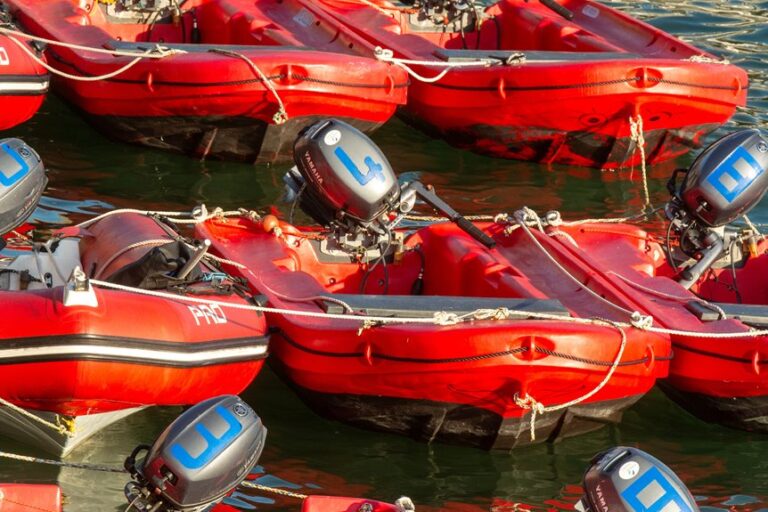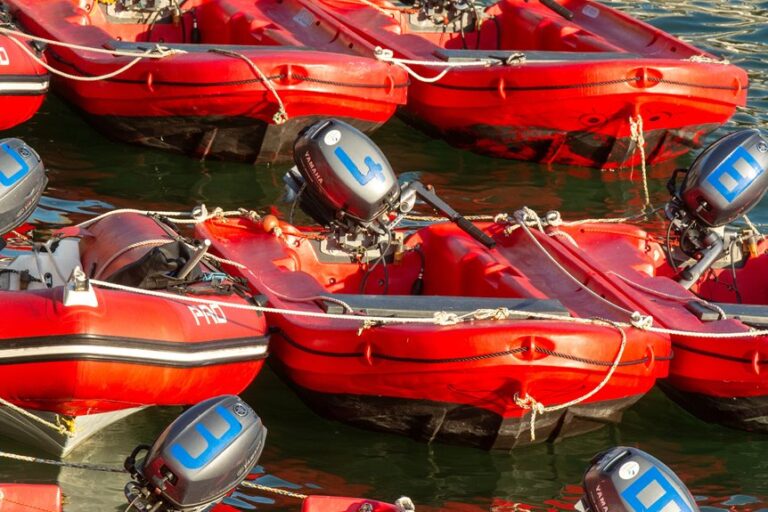

Boating safely starts with a few simple checks and basic rules. Check weather forecasts, fuel levels, and safety gear before casting off. Learn marker meanings, chart basics, speed limits, and right-of-way to avoid collisions and fines. Use clear signals, practice careful docking, and keep a calm plan for emergencies. Paying attention to small details prevents common beginner mistakes and makes time on the water more enjoyable.
Boating Rules Every Beginner Should Know
Before you cast off, it helps to know the basic rules that keep every trip safer and calmer. You’ll fit in faster whenever you learn the posted limits, respect right-of-way, and keep your hands and feet inside the boat.
Next, check that your boat maintenance is current, because a clean, ready boat lowers stress for everyone aboard.
Then use anchoring techniques that match the bottom and give you steady holding without crowding others.
You should also assign simple jobs, like who watches lines and who helps dock.
Speak up promptly should something feel off, because quiet worry can turn into a messy day.
With a little practice, you’ll move like part of the crew, and that confidence makes the whole ride feel more welcoming.
Check Weather and Water Conditions First
On the dock or at the kitchen table, start with the weather and the water report, because both can change a calm outing fast. You’ll feel more at ease once you check weather forecasting before you launch. Look for storms, strong wind, and sudden temperature drops. Then watch water clarity too, since muddy or choppy water can hide surprises and make the ride feel rougher.
| Check | Why it helps |
|---|---|
| Weather forecast | Helps you avoid surprise storms |
| Water clarity | Shows if conditions might be hard to read |
| Wind and waves | Tells you whether the lake feels safe |
When the sky looks steady and the water seems clear, you are able to head out with a lighter heart and a better plan.
Learn the Basic Boating Navigation Rules
Once you know the weather is steady, you can turn your attention to the basic boating piloting rules, because they help you move with confidence instead of guessing your next step. You’re not out there alone; every boater shares the water, so simple charting basics and marker aids keep everyone in sync.
- Read the channel markers before you move.
- Stay to the right in narrow passes.
- Give way early whenever another boat has priority.
- Watch speed near docks and busy turns.
- Match your route to the chart, not your hunch.
Whenever you follow these habits, you feel less lost and more connected to the boating crowd. You’ll spot patterns faster, make calmer choices, and keep your trip smooth.
Tiny rules, big peace of mind.
Know Your Required Safety Gear
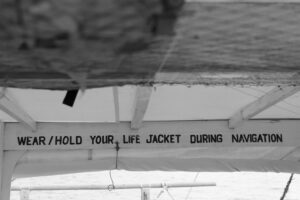
Your safety gear can make the difference between a small problem and a scary day, so it helps to get it lined up before you leave the dock. Check that every person has a Coast Guard approved lifejacket, and make sure the lifejacket fit feels snug, not loose or bulky.
Kids need special attention, and you should try each vest on before launch.
Next, keep signaling devices close and easy to reach, because you might need them quickly should plans change. A whistle, horn, or flare can help others notice you, even while the water feels calm.
Also, look for fire extinguishers, anchor gear, and course lights in case your boat needs them.
Whenever you know the basics, you’ll feel more at home on board, and your crew will feel safer too.
Follow Speed and Right-Of-Way Rules
You need to watch your speed because posted limits help you stay safe and give other boaters room to react. You also need to know right-of-way basics, since they tell you who should move initially whenever paths cross.
Initially you pass another boat, leave a wide, safe distance so everyone feels calm and stays in control.
Speed Limits
Boat speed isn’t just about getting there faster; it’s about keeping everyone safe and giving other boaters space to move. Whenever you build speed awareness, you read the water, notice posted limits, and match your pace to the area. That helps you stay calm, confident, and part of the boating crowd.
- Slow down near marinas and docks
- Watch for no-wake zones
- Use boat wake management to limit splashing
- Ease off whenever visibility drops
- Keep your speed steady around others
These habits protect swimmers, small craft, and your own crew. You don’t need to race to belong on the water. Instead, you show good judgment through moving at a speed that fits the scene. A smooth ride feels better, and it keeps the day friendly for everyone.
Right-Of-Way Basics
Once the boat is moving at a safe pace, the next big habit is being aware who has the right of way, because that’s what helps everyone avoid a messy close call. You’re not guessing here; you’re joining a shared set of rules.
| Situation | You should | Why |
|---|---|---|
| Crossing paths | Yield should you be the give-way boat | It keeps traffic calm |
| Head-on approach | Turn promptly and clearly | Others can read you |
| Overtaking | Stay alert and patient | You keep things fair |
| Sailboat meeting powerboat | Check local rules | They often differ |
| Dock traffic | Watch for stern priority | The boat behind might need room |
Good crossing etiquette means you signal with purpose, watch other boats, and stay predictable. Provided that you do, you fit in with the crew on the water, and they’ll return that respect.
Safe Passing Distance
A little extra space goes a long way as you pass another boat, because safe passing distance gives everyone room to react without stress.
You fit in better on the water whenever you respect the minimum distance and keep your speed steady. That way, you show passing etiquette that helps the whole crew feel calm.
- Watch ahead for smaller boats and wake.
- Slow down before you come close.
- Pass on the side with clear room.
- Leave extra space whenever wind or waves build.
- Signal promptly so others know your move.
Once you follow right-of-way rules, you don’t just avoid trouble. You also help other boaters trust you.
That shared confidence makes the water feel friendlier for everyone around you.
Use Navigation Lights the Right Way
Lights matter more than many new boaters expect, especially once the sun drops and the water starts to look the same in every direction.
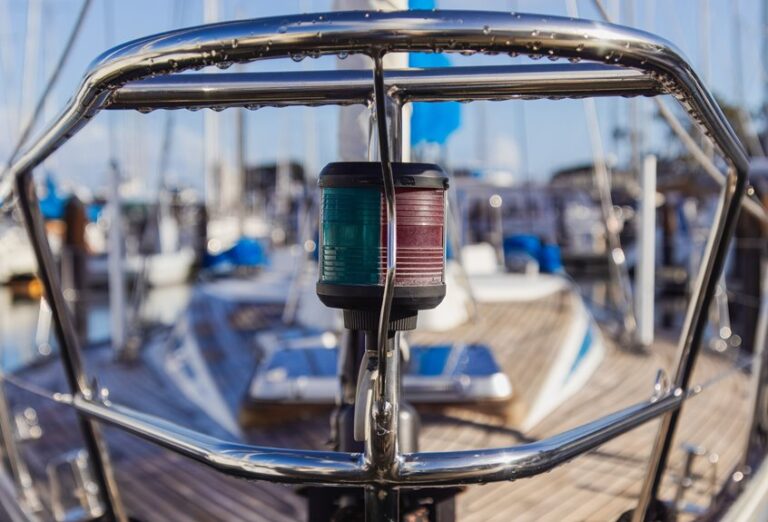
You can keep your crew confident by learning the lightchart and checking bow/stern identification before you leave the dock. Match the red and green lights at the bow with the white light at the stern so other boaters can read your boat fast.
Should your lights be dim, missing, or pointed wrong, fix them before you head out.
You’ll also want to turn them on as soon as dusk begins, not after darkness has fully settled.
Whenever you follow this simple habit, you help everyone feel safer, and you fit right in with boaters who watch out for each other.
Follow No-Wake and Restricted Zone Rules
Once you enter a no-wake zone, slow down right away so your boat barely disturbs the water. You help keep everyone safe and calm when you respect these limits. Consider it as being part of a good boating crowd.
- Watch signs near marinas, docks, and bridges.
- Keep wake monitoring in mind as you throttle back.
- Give anchored boats extra room.
- Follow anchored etiquette so you don’t rock others’ boats.
- Stay alert in restricted zones where extra rules apply.
Whenever you ease off early, you avoid stress, fines, and awkward looks from nearby boaters. You also protect shorelines, swimmers, and smaller craft. Should the area feel crowded, stay patient and move like you belong there. Good timing and quiet control make you a better neighbor on the water, and that feeling matters more than rushing through.
Use Signals and Communication Correctly
Good signals can smooth out a busy day on the water fast, because they help you say what you mean before confusion builds.
Whenever you steer near other boats, use a clear hand signal to show your plan, and keep your moves steady so others can follow along.
Should you need help, speak on the radio with calm, simple words and keep radio etiquette in mind. That means you wait your turn, state your boat name, and avoid chatter that clogs the channel.
You’ll feel more relaxed whenever your crew knows the code, and nearby boaters will usually return the favor. A quick wave, a nod, or a brief call can save awkward moments and help everyone stay in sync without stress.
Practice Safe Docking and Launching
Before you tie up or back down the trailer, take a slow breath and look over the area around you.
You’re part of a boat crowd that works best whenever everyone stays calm and courteous.
Good dock etiquette keeps stress low and helps strangers feel like teammates.
- Check for moving boats and people.
- Keep lines neat and ready.
- Approach slowly, then adjust promptly.
- Use ramp technique with steady steering.
- Smile, say thanks, and move on.
Once you dock, line up cleanly and step lightly so others can use the space too.
As you launch, stay organized and give the next crew room.
That kind of rhythm builds trust fast.
You don’t need to be perfect.
You just need to stay aware, respect the flow, and act like you belong there because you do.
Avoid These Common Beginner Boating Mistakes
You can make a great start on the water through avoiding a few simple mistakes that trip up many new boaters.
Always check your safety gear before you leave, because skipping that step can turn a small problem into a big one fast.
Also, keep your boat within its weight limit and follow local rules, since both help you stay safe and keep your day calm.
Skipping Safety Checks
Whenever a boat is ready to leave the dock, it’s tempting to trust that everything will work just fine, but skipping safety checks can turn a fun day into a stressful one fast. You fit in better on the water whenever you slow down and do a quick pre departure checklist with your crew. Then you catch small issues before they become big worries.
- Assess lights and horn
- Check fuel and oil
- Confirm fire gear is easy to reach
- Inspect lines and dock points
- Do a concealed compartment inspection
Each step helps you feel calm and ready, and your group will notice the care you bring. Whenever you speak up and double-check together, you build trust and keep the ride smooth.
That’s how you protect your outing and enjoy the day with confidence.
Overloading The Boat
A boat can feel roomy at the dock, but space, weight, and balance change fast once people, gear, and supplies all come aboard. You can keep everyone safer by watching weight distribution before you leave. Place heavier items low and near the center, then spread people so one side doesn’t lean. That simple habit helps the boat ride steadier and gives you more control.
Next, count every cooler, bag, and extra chair, because small extras add up quickly. Capacity monitoring isn’t just a number on a plate, it’s your guide for a calmer trip. Should you feel crowded, lighten the load and ask your group to pack smarter. Whenever you make room ahead of time, your crew relaxes, and the day feels easier for everyone.
Ignoring Local Rules
Even a skilled beginner can run into trouble should they skip local boating rules, because the water often has its own set of limits, signs, and customs. You help yourself whenever you learn the rules before you launch, because that knowledge keeps you calm and welcome.
- Check speed limits near marinas and homes
- Respect no-wake zones and marked channels
- Learn local customs for meeting other boaters
- Give extra space near private docks
- Ask at the ramp whenever signs confuse you
Whenever you follow these basics, you avoid fines and awkward moments. You also show other boaters that you belong on the water and care about shared safety. Small choices like these build trust fast.
Know What To Do in an Emergency
Staying calm in a boating emergency can make all the difference, and that starts before trouble ever shows up. You should run emergency drills with your crew so everyone knows who grabs the radio, who throws a life ring, and who helps children or nervous guests feel safe.
Then keep distress signals easy to reach, because seconds matter whenever help is close. Should someone fall overboard, point at them, shout, and turn the boat slowly. If fire starts, cut the engine, use the extinguisher, and move people upwind.
Once the weather turns fast, head for shore and tell others your plan. You’re not alone out there, and a clear routine helps your whole boating crew act fast, stay connected, and bring the day back under control.
Frequently Asked Questions
How Do I Choose the Right Boat Size for My First Trip?
Start with a boat that fits your crew, gear, and sea conditions, not a whale’s chariot. You will feel safer and welcomed aboard. Check trailer size too, so launching is easy and your initial trip feels right.
What Should I Bring in a Beginner Boater’s Checklist?
You should bring life jackets, course lights, sunscreen, water, snacks, a primary aid kit, map, phone, and whistle. Pack light, stay ready, and you will fit right in with confident boaters.
How Do I Find a Boating Course Near Me?
Search your state boating agency, marina, or community college for local classes, and check national boating groups for online workshops. You will quickly find a welcoming crew, compare schedules, and choose the course that fits your needs.
What Insurance Do I Need for My Boat?
You’ll usually need liability coverage and, if the boat is financed or kept at a marina, all risk and collision coverage as well. About 40% of boat claims involve liability, so protect yourself. Check policy limits and then join fellow boaters who have solid coverage.
How Do I Store My Boat Safely After Use?
Store your boat in dry storage, cover it well, and secure it. Remove valuable items, flush the engine, and check battery maintenance. You will keep your boat ready, protected, and part of the crew.