
Rough water kills quickly, so prepare before stepping onto the water. Check forecasts, tides, and local alerts, and tell someone your route. Watch the sea for steep waves, strong gusts, and sudden whitecaps that can turn conditions hazardous. Carry proper safety gear and make a clear plan for travel and emergency response. Learn clear limits for turning back and stick to them to stay safe.
What Should You Do Before Heading Out?
Before you launch into rough water, take a few quiet minutes to prepare, because that small pause can make a big difference.
Initially, finish your route planning so you know where you’re going and where you can turn back in case needed.
Next, check a weather briefing and match it with local tides, wind, and daylight.
Then tell someone your plan, so your crew and shore support feel included and ready.
Pack your life jacket, whistle, and dry clothes, because comfort helps you stay calm.
Also, inspect your boat or gear for anything loose, missing, or tired.
Finally, listen to your gut. Should the day feel rushed or unsure, wait.
You’re part of a smart safety-minded group, and that patience keeps you connected and protected.
How Do You Judge Rough Water Conditions?
How do you tell what time water has crossed from choppy to risky? You read the scene like a teammate would.
Initially, watch wave height. Small, steady swells usually stay manageable, but steep, breaking waves can push you off balance fast.
Then check wind direction. In case the wind blows against the current, the surface can turn messy and unpredictable.
Also notice how fast the water changes. Should whitecaps spread, provided spray starts flying, or suppose waves stack close together, the conditions are getting tougher.
You should trust your gut, too. In the event the water feels meaner than before, it probably is.
Whenever you and your group agree on what you see, you make smarter choices together, and that shared judgment can keep everyone calmer and safer.
Essential Gear for Rough Water Safety
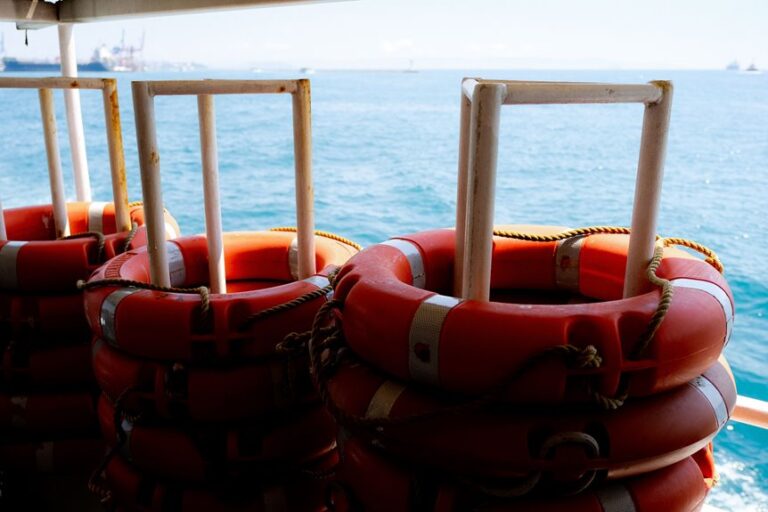
Whenever you face rough water, a well-fitted personal flotation device can keep you afloat whenever fatigue or panic sets in.
You should also keep emergency signaling tools close, like a whistle or bright flare, so you can get help fast should things change.
Together, these tools give you a safer start before the waves get the last word.
Personal Flotation Devices
A life jacket can feel like a small detail, but in rough water, it can make the biggest difference.
You belong on the water, and the right personal flotation device helps you stay there safely.
Choose a Coast Guard approved jacket that fits snugly without pinching.
Should you like inflatable vests, make sure they stay ready, and assess the inflation system before you go out.
For kids, child fitment matters even more, because a loose jacket can slip whenever waves hit.
Check the straps, buckles, and leg fit before every trip.
Wear your PFD the whole time, not just whenever the water looks wild.
Once you trust your gear, you can relax, paddle with confidence, and focus on enjoying the moment with your crew.
Emergency Signaling Tools
Carry a signaling kit that you can reach fast, because rough water can turn a small delay into a big problem. You’ll feel more in control whenever you keep signal mirrors and handheld flares in a dry pouch near your PFD. A mirror helps you catch a rescue crew’s eye in bright daylight, and a flare gives you a bold flash whenever you need it most.
Before you head out, check the dates, read the instructions, and practice using each tool on shore. Then, should the weather shift and your group gets spread out, you can signal clearly without panic. That small habit helps you stay connected to your crew and gives rescuers a better chance to spot you quickly.
How Do You Swim Safely in Choppy Water?
Whenever you face choppy water, start by watching the wave patterns so you can time your strokes between the swells. Keep your breathing calm and steady, because a relaxed rhythm helps you stay in control whenever the water feels hectic.
Should the waves knock you off pace, reset your focus and keep moving with smooth, deliberate strokes.
Check Wave Patterns
Before you swim into choppy water, take a quick look at the wave pattern, because the sea often tells you what it plans to do next. You can spot sets, pauses, and bigger swells, and that helps you choose a safer moment to enter.
Should the water rise fast and breaks close together, stay alert and wait for a calmer gap. Also, check wave forecasting before you go, since local updates can reveal changing conditions.
Then watch shoreline currents, because they can pull you sideways even whenever the surface looks simple. Once you notice a steady rhythm, you can move with more confidence and feel less alone out there.
Small clues matter, and reading them helps you join the water with care, not guesswork.
Use Calm Breathing
Now that you’ve read the water’s mood, you can help your body stay steady through keeping your breathing slow and calm. In choppy water, tense breaths make you feel rushed, so give yourself a steady rhythm.
Use diaphragmatic breathing by letting your belly rise, then fall, instead of gasping high in your chest. Next, try paced inhalation: breathe in for a count, then exhale longer. That longer out-breath tells your body to ease up.
Should a wave splashes your face, don’t panic or hold your breath. Just reset, blink, and keep breathing with your group’s rhythm.
Once you stay relaxed, you save energy and reckon more clearly. Your calm breath can be the quiet anchor that helps you move safely through the chop.
Boating and Kayaking Tips for Rough Water
Out on rough water, a calm plan can make all the difference, and that starts with grasping how to handle your boat or kayak with care. You fit in best whenever you prepare ahead of time and trust your skills. Use tide awareness to match your route to the water’s mood, and check wind forecasting before you launch. Then stay close to shore whenever you can.
- Keep your speed steady so the craft responds cleanly.
- Sit low and stay centered to help your balance.
- Turn into waves at a slight angle, not straight on.
You also do better whenever you paddle with a buddy, since shared focus brings comfort and quick support. Should conditions shift, head back before you feel rushed. That choice keeps you confident.
How Do You Stay Afloat in Rough Water?
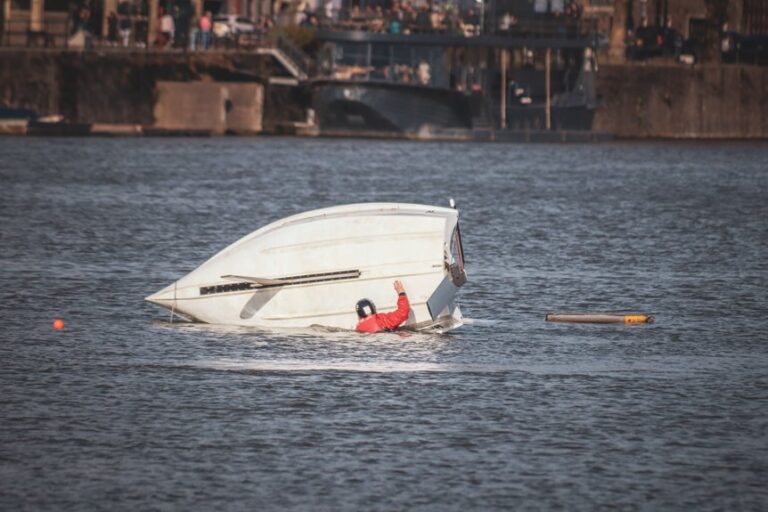
In case you end up in rough water, staying afloat starts with calm breathing and smart body position, because panic burns energy fast. Keep your body loose and lean back slightly so your chest and face stay clear. Should you be able, spread your arms and legs to create more balance.
Then use a steady treading technique: kick in a smooth rhythm and make small, controlled arm circles. In the event waves knock you off shape, protect your airway first, then reset your position.
With your group nearby, call out so others know you’re okay and can stay connected. Whenever you need rest, switch to a float recovery by lying back and letting the water support you. That little break can help you save strength and stay in the game.
When Should You Turn Back or Stay Ashore?
In case the water starts to look angry, your safest move is often to turn back before you get trapped in a problem you can’t easily fix.
You belong on the shore whenever storm warnings, dark clouds, or sudden whitecaps show up.
Trust your gut provided the beach feels tense or the current looks pushy.
- Check local alerts before you go.
- Leave should shoreline erosion have made the edge unstable.
- Stay ashore while wind and waves keep growing.
You don’t need to prove anything to the water.
Smart people know that pausing today keeps your group ready for tomorrow.
Assuming the scene changes fast, step back with confidence and choose the safer path.
How Do You Help Someone Safely?
Should someone be in trouble in rough water, your primary job is to keep yourself safe so you can help without becoming another victim. Initially, call for emergency help and point to the person so others can act fast.
Then, reach for a throw rope, flotation device, or anything that floats, and tell the person to grab on. In the event you must enter the water, wear a life jacket and go with a buddy when possible.
Move calmly, because panic can spread quickly. Next, communicate clearly with rescuers and the person in distress, using short, direct words.
After that, guide the person toward shore or the boat while staying aware of waves, rocks, and cold water. Your steady voice can make a scared stranger feel less alone.
Frequently Asked Questions
How Can I Tell if a Storm Is Approaching Quickly?
Watch for darkening clouds, sudden wind shifts, and falling temperatures; check your rapid barometer for a quick drop, and trust sky cues like shelf clouds or distant thunder, as these often mean a storm is closing in fast.
What Should I Do if I Lose My Phone in Rough Water?
If you lose your phone, let it go and focus on staying safe. Next time, use waterproof cases or floatable pouches so you are part of the prepared crowd, not the panicked one.
Are Certain Swimsuits Better for Cold, Choppy Water?
Yes, thermal suits and buoyant fabrics can help you stay warmer and feel steadier in cold, choppy water, like a snug shield against the spray. You’ll fit in with swimmers who choose comfort, protection, and confidence.
How Do I Prevent Seasickness During Rough Conditions?
You can prevent seasickness by staying on deck, focusing on the horizon, and sipping water. Try acupressure bands or ginger supplements. Join your crew in fresh air, and keep your stomach light.
What Emergency Signals Work Best if I Need Help?
Use bright, bold hand signals and whistle blasts initially; they are best whenever you need help. You will stand out, stay seen, and signal safety. If possible, wave a light too so others can rally around you.