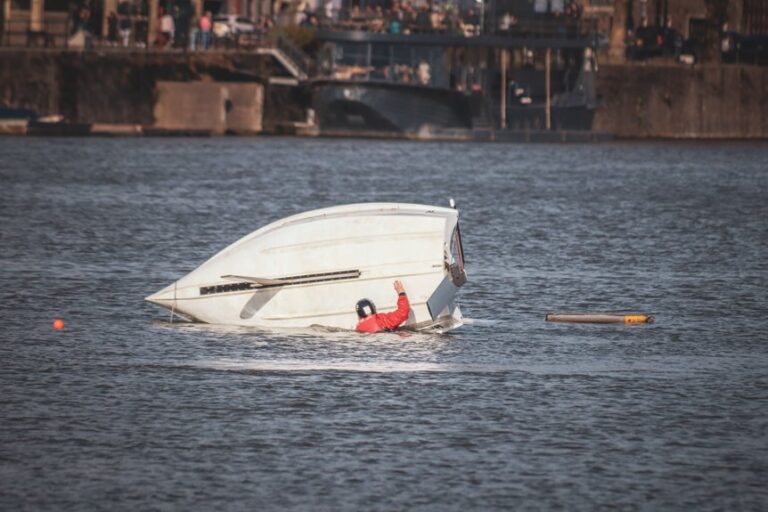

Boats suit different uses, budgets, and storage needs. Rowboats and canoes work well for calm lakes and solo or quiet trips. Sailboats rely on wind and hull shape for speed and handling on open water. Motorboats and fishing boats provide power and stability for sport or angling. Pontoons offer spacious, family-friendly platforms for relaxed days on the water.
Main Types of Boats
Once you start looking at boats, you’ll notice that each type has a clear job, and that can make choosing one feel much easier. You can match your plans to the right hull, size, and power, so you feel confident before you even launch.
Small personal boats, like kayak touring models, help you move with speed and control, while inflatable dinghies give you a light, handy option for short trips and easy storage.
Then you’ll see larger boats built for carrying friends, gear, or both, which can change how you plan your day on the water. As soon as you understand these main types, you stop guessing and start joining the boating crowd with a clearer sense of fit.
Rowboats and Canoes for Calm Waters
Whenever you want a calm day on the water, rowboats and canoes give you an easy way to investigate lakes, slow rivers, and quiet ponds. A rowboat feels steady and gives you strong control with each stroke, while a canoe stays light and lets you glide smoothly whenever you paddle with a steady rhythm. As you get to know both boats, you’ll see how their simple designs help you enjoy peaceful trips without much hassle.
Ideal Calm Water Uses
On calm water, rowboats and canoes really shine because they let you move with ease, quiet, and control.
You can drift along a lake, paddle a slow river bend, or investigate a still marsh with a steady rhythm that feels almost peaceful. They’re great for fishing, picnic trips, and wildlife observation, since you won’t scare away ducks, herons, or turtles.
Should you like a close, gentle connection to the water, these boats help you feel part of the scene instead of rushing through it. They also work well for shallow water anchoring, so you can pause near a quiet shore and enjoy the view.
With simple handling and a friendly pace, you’ll feel right at home.
Rowboat Stability And Control
A calm lake can still surprise you, so a rowboat or canoe should feel steady before it feels stylish. You stay balanced whenever you sit low, keep your weight centered, and trust the boat’s natural rhythm. Good oarlocks placement helps your strokes land cleanly, so you don’t twist the hull with each pull. In case you use a sculling technique, let the blades move smoothly and evenly; that light touch gives you more control than force ever will.
| What you feel | What you do |
|---|---|
| Wobble | Shift gently, not fast |
| Drift | Square your stroke |
| Ease | Stay relaxed and alert |
That kind of control helps you feel like you belong on the water, even on your initial quiet outing.
Canoe Design And Paddling
Even on calm water, a canoe asks for smart design and gentle hands, because it moves best whenever the hull stays light, narrow, and balanced under you. You’ll feel more secure whenever Hull shapes match your trip, since a flatter bottom gives steadier standing while a rounder bottom slides faster.
Next, sit low and keep your weight centered so the boat tracks straight instead of wobbling like it’s trying to join the wrong team. With Paddle techniques, reach forward, dip the blade fully, and pull close to the side for clean strokes. Then switch sides often to stay on course.
Suppose you share the canoe, talk softly, move together, and enjoy the easy rhythm. That simple teamwork makes calm-water paddling feel welcoming, steady, and fun.
Sailboats for Cruising and Sport
Whenever you step onto a sailboat for cruising, you’ll notice features that help you stay comfortable, steady, and ready for longer trips, like a roomy deck, a cozy cabin, and easy-to-handle sails.
These boats let you enjoy calm days on the water while giving you the freedom to travel farther and relax along the way.
In case you want more excitement, sport sailing adds speed, sharp turns, and a fun challenge that keeps you fully engaged from start to finish.
Cruising Sailboat Features
Cruising sailboats invite you to slow down and enjoy the water, but they still need the right features to feel safe and fun. You’ll feel more at home whenever the cabin gives you spacious berths, a cozy galley, and enough room to move without bumping elbows.
Good storage keeps your gear neat, so you can settle in instead of hunting for lost items. You should also look for waterproof electronics, because they help protect your systems whenever spray or rain shows up.
A steady keel, easy-to-handle sails, and strong handholds add comfort and confidence while you’re aboard. With these features, you can relax, share the space, and enjoy cruising with people who love the same calm, open-water rhythm you do.
Sport Sailing Benefits
Sport sailing adds a lively edge to time on the water, and it can make you feel more alert, skilled, and connected to the boat. You don’t just ride the wind; you learn to read it and trust your crew. That shared focus gives you a strong sense of belonging.
| Benefit | What it means for you |
|---|---|
| Fitness | You build strength and balance. |
| Skill | You sharpen timing and control. |
| Teamwork | You work closely with others. |
| Racing | You enjoy competitive racing. |
| Strategy | You practice tactical maneuvers. |
As you trim sails and shift weight, you stay involved in every move. Also, the challenge stays fresh, so each trip feels earned. Whether you sail for fun or speed, sport sailing lets you join a circle that values courage, practice, and trust on the water.
Motorboats for Speed and Convenience
Motorboats bring quick movement and easy control together, which is why so many people choose them for busy days on the water. You can head out with friends, reach your spot fast, and still feel relaxed behind the wheel. High performance outboards give you strong power, smooth starts, and better control whenever the water gets rough.
Inside, compact cabinets help you stash gear, snacks, and safety items without crowding the deck. That means you stay organized and ready for whatever the day brings. Should you want a boat that fits family fun, short trips, or easy lake cruising, a motorboat makes joining the action simple. You don’t need much practice to feel confident, and that welcoming ease is part of the charm.
Fishing Boats Built for the Catch
A good fishing boat does more than carry you to the water, because it helps you stay steady, ready, and focused on the catch. You want a hull that cuts chop, rod holders that keep gear close, and storage that keeps bait and tackle easy to reach.
Should you love deep sea trips, choose a boat with range, power, and a dry deck. For dawn or dusk runs, night vision gear can help you read the water with confidence.
Suppose fly fishing is your style, look for open decks and a quiet motor.
Once you head into a tournament, you need a tournament ready setup that lets you move fast, fish smart, and feel like part of the crew, even though the bites are slow.
Pontoon Boats for Relaxing on Lakes
Pontoon boats offer a calmer way to enjoy the water after all that action on a fishing run, and they fit right in on lazy lake days.
You can spread out, feel steady underfoot, and settle into easy lake lounging with friends or family.
Their open deck gives you room to move, talk, and breathe without feeling cramped.
Should you love deck picnics, you can bring snacks, drinks, and a blanket, then relax while the water does its slow, peaceful work.
These boats also make it simple to watch the shoreline glide by and share quiet laughs.
Because they feel welcoming and easy to use, you can step aboard and belong right away, like the lake made space just for you.
How to Choose the Right Boat for Your Needs
When you start choosing the right boat, it helps to take into account about how you really plan to use it, because the best fit for a quiet fishing morning isn’t always the best fit for a busy family day or a fast ride across open water.
Reflect on who’ll come with you, where you’ll go, and how often you’ll launch. Should you want easy weekends, a simple boat can feel like home on the water. In case you need speed or space, choose one that matches that life.
Also, check maintenance costs so your budget stays calm, not sneaky. Look at storage options too, because a boat that fits your driveway, marina slip, or garage makes ownership easier.
Whenever you choose with care, you join a boating life that feels right for you.
Frequently Asked Questions
What Boat Maintenance Is Needed for Saltwater Use?
You’ll need corrosion control, zinc anodes, fresh water rinsing, and engine flushing after every saltwater trip. You will also check hardware, clean fittings, and keep your boat protected so you can be on the water confidently.
How Do Boat Insurance Costs Vary by Vessel Type?
You’ll usually pay more for boats with higher vessel valuation and greater claims frequency; fast, expensive, or hard to repair models cost more, while simpler vessels often keep your premiums lower and fit your budget better.
What Safety Gear Is Required on Different Boats?
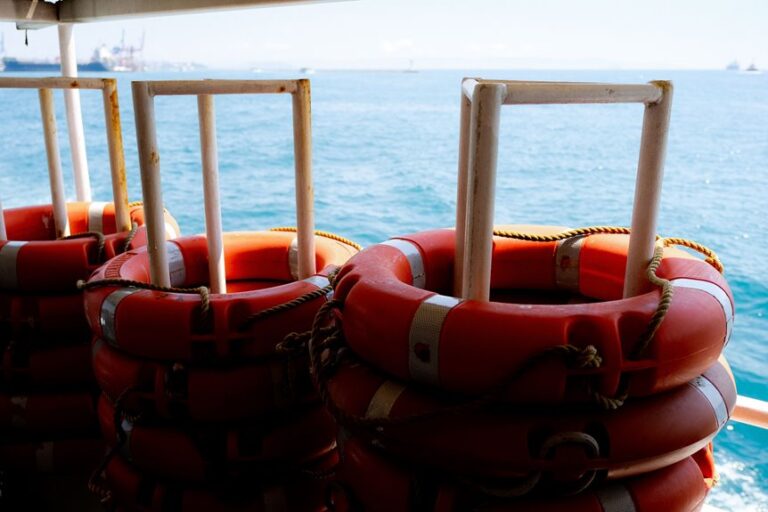
You’ll need life jackets for everyone, plus fire extinguishers on many boats. Depending on your vessel you might also carry flares, sound devices, lights and throwable flotation, helping you stay safe together.
Which Boat Is Best for Overnight Camping Trips?
You’ll love a houseboat for overnight camping trips; it’s basically a floating hotel with room for your crew. For canoe camping, choose a stable tandem canoe, but houseboat lounging gives you the comfiest stay.
How Much Storage Space Do Boats Typically Need?
You’ll need enough storage capacity for gear, safety items, and supplies, plus smart locker organization so everything fits neatly. For a night trip, choose a boat with dry spaces, easy access, and room to feel at home.