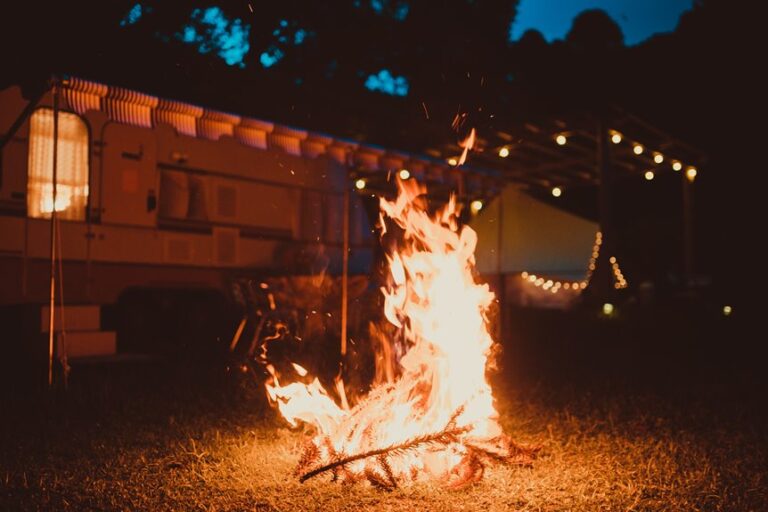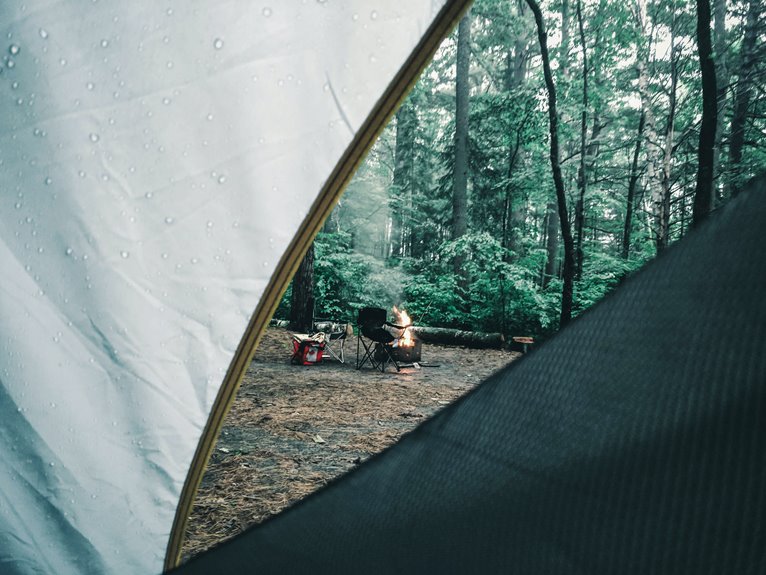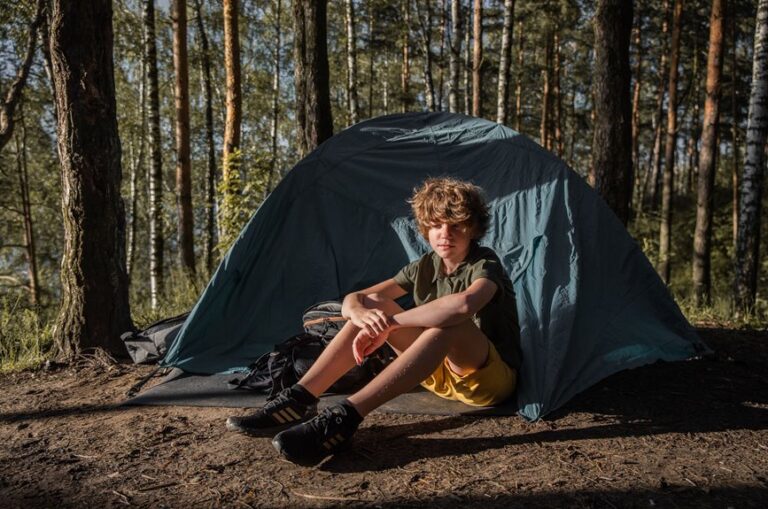

Wildlife encounters while camping become less likely with a few smart habits. Pick a campsite with clear sight lines away from water, berry patches, and animal trails. Cook and eat well away from sleeping areas to avoid attracting animals. Store food, toiletries, and trash in bear canisters or sealed odor-proof bags. Keep the camp clean and remove food scents to reduce visits by wildlife.
Know What Attracts Wildlife
Wildlife usually doesn’t come looking for trouble, but it will wander in once your campsite feels like an easy meal. You can help your group stay safe by spotting what draws animals in.
Food scraps, dirty dishes, open trash, and scented toiletries all act like scent attractants that travel far on the breeze. Even a coolers lid left cracked can invite curious noses.
You should also bear in mind that seasonal migrations can push animals through familiar camping areas, so a quiet site can still see unexpected visitors. Assuming you pack food tightly, clean up quickly, and keep smells sealed away, you lower the odds of a surprise. As soon as you understand these triggers, you give your camping crew a better chance to relax together without unwanted company.
Choose Campsites Away From Animal Activity
Whenever you pick the right spot, you can lower the odds of an unwanted animal visit before you even pitch your tent. You should scan for tracks, droppings, fresh digging, and worn trails, then move on whenever you spot them.
Choose campsites that sit away from water edges, berry patches, and carcass sites, since animals often travel there. You’ll feel safer in remote glassless clearings, where visibility stays open and surprise visitors have fewer hiding places.
In case the land allows it, pick raised rocky ridges, because many animals avoid steep, exposed ground. Also, stay clear of dense brush and quiet animal corridors.
Whenever you camp with others nearby, you build a small circle of comfort, and that shared presence can help you settle in with more ease.
Store Food Safely at Camp
Once you’ve picked a smart campsite, keep food storage just as careful, because a good spot can still turn risky should smell drifts out at night. Set up your camp kitchen a little away from your tent, and store every bite in sealed containers or a bear canister. Hang food, trash, and cooking gear whenever you can’t lock them away.
You’ll feel more at ease whenever snacks, spices, and pet food stay out of reach. Keep scented toiletries, like lotion and toothpaste, with the same care, since animals notice those smells too.
After cooking, pack leftovers right away and never leave fruit or wrappers in open air. Provided you stay organized, you help your whole camping crew sleep better and keep curious wildlife wandering on by.
Keep a Clean Campsite All Day
A tidy camp helps you stay safer all day, not just after dark, because scraps and smells can draw in curious animals fast. You can keep your group comfortable by wiping tables, picking up dropped bits, and stashing trash as soon as you finish eating.
Whenever you use rationed cooking, you make only what you’ll finish, so there’s less to clean and fewer scents left behind. After each meal, sweep the ground, rinse dishes right away, and check corners where crumbs hide.
Then do daily inspections of your campsite, especially near tents, coolers, and fire rings. Should you spot spilled food, clean it at once so it doesn’t invite trouble. A neat site helps everyone relax, share space, and feel like a solid camp team.
Pack Wildlife-Resistant Gear
Strong gear choices can save you a lot of stress before an animal ever gets close. Whenever you pack smart, you help your crew feel calm and confident at camp. Use scent proof packs for food, soap, and trash, so smells stay contained. Choose animal proof coolers that latch tightly and stay shut, even though curious paws bump them.
| Gear | Why it helps |
|---|---|
| Scent proof packs | Hide food smells |
| Animal proof coolers | Block easy access |
| Tight straps | Stop loose spills |
| Hard bins | Add extra protection |
| Small dry bags | Sort scented items |
Next, keep gear in one shared spot, away from sleeping areas, so everyone knows where it belongs. That simple habit makes the whole campsite feel more organized and safer.
Handle Cooking Areas Safely
Keep your cooking area clean and calm, because that space can attract animals fast. You help your whole campsite feel safer whenever you set up meals away from tents and trails. Use camp stove safety through placing your stove on flat ground, checking fuel lines, and keeping flames steady. Then stay nearby while you cook, so nothing bubbles over or burns.
Good cooking etiquette matters, too. Keep voices low, move with purpose, and don’t leave food out while you chat. Wash pans right after use and wipe crumbs from tables and gear.
Should a wild animal wanders close, stop cooking, step back, and give it room. Your calm habits protect your group and make everyone feel more at ease outside.
Dispose of Trash and Waste Properly
Once you’ve finished cooking, the next step is to handle every scrap with care, because trash can draw animals just as fast as food does.
You fit right in with campers who keep a clean site, and that small habit protects everyone nearby.
Use trash segregation so cans, food scraps, and recyclables stay separate.
Then tie each bag tightly and place it in a secure bin or hang it where rules allow.
- Pack out greasy wrappers
- Rinse food containers
- Cover the waste station
- Store fruit peels for waste composting
- Check the ground for dropped crumbs
When you sort waste well, you leave less scent behind and fewer clues for curious wildlife.
Your camp feels calmer, and your neighbors appreciate the tidy space too.
Keep Wildlife Out of Your Tent
You can keep curious animals out of your tent through storing food far from your sleeping area, sealing every opening, and checking that zippers stay fully closed.
It also helps to use scent-free gear, since strong smells can draw wildlife closer than you’d like. These small steps make your tent feel safer, so you can relax and sleep without worrying about a midnight visitor.
Secure Food Storage
Food smells can pull wildlife in from surprisingly far away, so secure storage should start before dinner is even packed away. You can keep the campsite feeling like your shared safe space by using odor proof containers and placing them in raised lockers whenever you can. Should those aren’t available, stash food, trash, and scented gear in a locked bear canister or hang it well away from camp.
- Seal snacks before the stars come out
- Pack leftovers in tight, sturdy bins
- Keep toothpaste with the food stash
- Wipe sticky hands after meals
- Check your pack for crumbs before bed
Once you store food carefully, you lower the chance that a curious raccoon or bear will wander near your tent. That simple habit helps everyone nearby relax and sleep easier.
Seal Tent Openings
A good night’s sleep starts through locking down every opening before dark settles in. Walk around your tent and seal gaps where poles, seams, or corners meet. Then zip flaps fully and check that every zipper pull meets the end stop. Should the mesh door have a small tear, patch it before you climb inside.
Next, press the rainfly tight so it covers the body without loose edges that can invite a curious paw or nose. Keep the entry area tidy too, because a cluttered doorway can make closing up harder whenever you’re tired.
Before bed, do one last slow check with your headlamp. You’ll feel calmer appreciating your tent is snug, private, and ready for the night’s wild neighbors.
Use Scent-Free Gear
Once your tent is sealed, the next layer of protection starts with what you bring inside it. Choose unscented toiletries so your soap, lotion, and toothpaste don’t send out a dinner signal. Pack food, trash, and snacks in odor lock bags, then stash them away from your sleeping area. You’re not being fussy; you’re helping your whole campsite feel safer.
- A plain bar of soap on a clean shelf
- Toothpaste in a quiet, scent-free pouch
- A zip bag tucked beside your pack
- Odor lock bags lined up like shielded supplies
- A tidy tent corner with no food crumbs
When you keep gear scent-free, you lower the chance of curious wildlife drifting close. That gives you and your camping crew a calmer night and a better chance to wake up rested.
Avoid Pet Problems While Camping
Tuck your pet’s needs into your camping plan before you pack the car, because a happy dog or cat can make the trip feel calm instead of chaotic.
Bring pet leashes, vaccination records, and a familiar bed so your companion feels safe in a new place. You should also pack food, water, bowls, and any medicine your pet needs.
Keep your pet close at the campsite, and never let it wander into brush or toward other campers. A short leash helps you stay in control, and it also keeps your pet from chasing smells that stir up trouble.
Should your pet get nervous, give it a quiet spot and stay nearby. Once you prepare well, you and your furry friend can relax together and fit right in.
Stay Alert During Dawn and Dusk
As dawn breaks and dusk settles, wildlife gets busy, so you need to stay extra alert during those quieter hours.
With early vigilance, you notice soft rustles, fresh tracks, and sudden movement before they grow risky.
Your camp feels calmer whenever you build low light awareness into your routine, so you scan paths, water edges, and tree lines before you wander.
- Keep a flashlight ready beside your tent
- Watch the trail for dark shapes
- Listen for snaps, huffs, or wing beats
- Move with your group, not alone
- Check the sky, ground, and brush often
These small habits help you feel steady and included in a smart camping crew.
Whenever you pay attention together, you create a safer space and enjoy the peaceful edge of day without surprise.
What to Do When Wildlife Approaches?
Should wildlife approaches, stay calm and keep your movements slow so you don’t startle it.
Back away slowly while facing the animal, and give it plenty of space to leave on its own.
Your steady response can help turn a tense moment into a safe one.
Stay Calm
Most of the time, the best move in case wildlife approaches is to stay calm and keep your body still. You help the animal feel less threatened, and you help your group stay steady too. Take controlled breathing, in through your nose and out slowly, so your chest loosens and your mind stays clear. Use mental rehearsal before trips so you can envision this moment and know you belong in the woods with respect.
- Keep your eyes soft, not fixed like a spotlight.
- Stand upright and let your hands rest.
- Speak in a low, even voice.
- Notice the animal’s ears, tail, and distance.
- Stay together with your campmates, quietly and confidently.
That calm energy can make a tense moment feel smaller, and it helps everyone trust the space around you.
Back Away Slowly
Start to back away slowly the moment the animal gives you a clear opening. Keep your body turned toward it, but don’t stare hard or reach for anything. You want to maintain eye contact without seeming hostile, so move with calm, steady steps.
Should you be able, move diagonally toward nearby cover, like a car or tree, because that gives you space without crowding the animal. Speak softly should it be necessary, but keep your voice low and even. Don’t turn and run, since sudden motion can trigger a chase.
In case the animal follows, stop and freeze until it settles. You’re part of the same wild space, and these quiet moves help everyone keep a safe distance, including you.
Handle Bear and Coyote Encounters Safely
A sudden rustle in the brush can make your stomach drop, but you can handle a bear or coyote encounter calmly and safely with the right moves. Stay together, keep your voice steady, and make yourself look bigger. That simple bear awareness helps you read the moment without panic. Should a bear lingers, back away slowly and never run. Should a coyote watches you, use coyote behavior to guide your response: hold your ground, wave your arms, and speak firmly.
- A black bear near pine shadows
- A coyote at the edge of camp
- Your group clustered by a lantern
- A calm hand raised toward the trail
- Footprints fading in soft dirt
When you protect your space, you also protect the people beside you.
Check Local Wildlife Rules
Before you set up camp, check the local wildlife rules so you know what’s allowed in that area.
Different parks might’ve special regulations for bears, coyotes, and other animals, and these rules can change how you store food and trash.
Whenever you follow the local food storage rules, you lower your chances of drawing wildlife near your campsite.
Research Area Regulations
Whenever you camp in a new area, checking the local wildlife rules can save you a lot of stress and keep both you and the animals safe. You’ll fit in faster once you learn the permit requirements and notice seasonal closures before you pack up.
That way, you can join the campground crowd with confidence.
- Read trail signs at the ranger station
- Look for maps with protected zones
- Ask about dawn and dusk access limits
- Follow posted quiet hours near habitats
- Watch for special rules after heavy rain
Whenever you respect these regulations, you help protect shared spaces and avoid awkward surprises. You also show other campers that you care about the same wild places they do.
Small steps like these make the whole trip feel calmer and more welcoming for everyone.
Learn Food Storage Rules
Lock up your food the smart way, and you’ll cut down the chance of a nighttime visitor nose-deep in your campsite.
You should check local wildlife rules before you pack, because every park has its own food storage plan. Some places want bear canisters, while others require a locker or a hanging system.
Use proper packaging so smells stay trapped and easy snacks don’t advertise your site. Then place all meals, trash, and toiletries in the approved storage spot right away.
Should your campsite has a shared locker, keep the door shut and trial the latch. Good locker maintenance matters, so report dents or broken hinges fast.
Whenever you follow the rules, you help protect your crew and the animals, and you fit right in with campers who know the routine.
Avoid Wildlife Problems on Future Trips
After a good trip, the best way to stay calm in the wild is to learn from what happened and plan smarter for next time. You can protect your camp crew by talking through trail etiquette and group planning before you leave.
Whenever everyone knows how to move, who carries snacks, and whenever to check in, you lower surprises that can pull wildlife closer.
- Choose campsites near open sight lines
- Pack lights for dusk walks
- Keep voices steady on the trail
- Store trash before sleep
- Review sightings with your group
Next, share one simple rule for every stop: keep food sealed, stay together, and watch for animal signs. That habit helps your circle feel prepared, included, and ready for the next friendly outing.
Frequently Asked Questions
What Should I Do if I Find Animal Tracks Near My Tent?
Check tracks at a distance and only approach if it is safe. If you are unsure about what you see call the park ranger or local wildlife authority. Stay with your group and do not wander off alone. Store all food securely away from the tent and move your shelter only if it is necessary for safety. Remain calm give wildlife plenty of space and continue to watch for additional signs nearby.
How Can I Tell if Wildlife Is Active Around My Campsite?
You can spot wildlife activity by listening for nearby noises and checking daylight signs like tracks, scat, torn plants, or disturbed food. Stay alert, trust your group’s observations, and you will feel prepared together.
Are Flashlights Enough to Deter Animals at Night?
No, flashlights alone aren’t enough; bright beams can startle some animals, but you’ll still need battery backups and smart habits. You’re safer whenever your camp feels like a guarded family circle, not a lone glow.
Should I Camp Alone in Areas With Wildlife?
No, you shouldn’t camp alone in wildlife areas; you’ll feel safer with camping companions. Follow shared safety protocols, keep your group close, and you’ll enjoy belonging together while lowering risks and enhancing confidence.
Can Scented Toiletries Attract Animals to Camp?
Yes. Scented toiletries can attract animals to camp because scented products and food odors might smell like food to them. You’ll be safer by storing them sealed, keeping them away from your tent, and cleaning up after use.