

Bears get drawn to campsites mainly by strong food and trash smells. Common attractants include cooking pans, coolers, pet food, toothpaste, and dirty grills. Even small crumbs or scented toiletries can lead a bear straight to a campsite. Storing food and scented items improperly makes a campsite an easy snack stop for wildlife. Simple habits like keeping scents secured and cleaning cooking areas greatly reduce unwanted visits.
What Attracts Bears to Campsites?
Bears usually wander into campsites whenever they catch an easy meal, and that’s the main reason your site can turn into a bear hotspot quickly. You can help your group stay safer through noticing what draws them in.
Loose trash, coolers, pet food, and even dirty dishes send strong signals. Strong odors can travel far, so scent masking matters whenever you store gear and clean up.
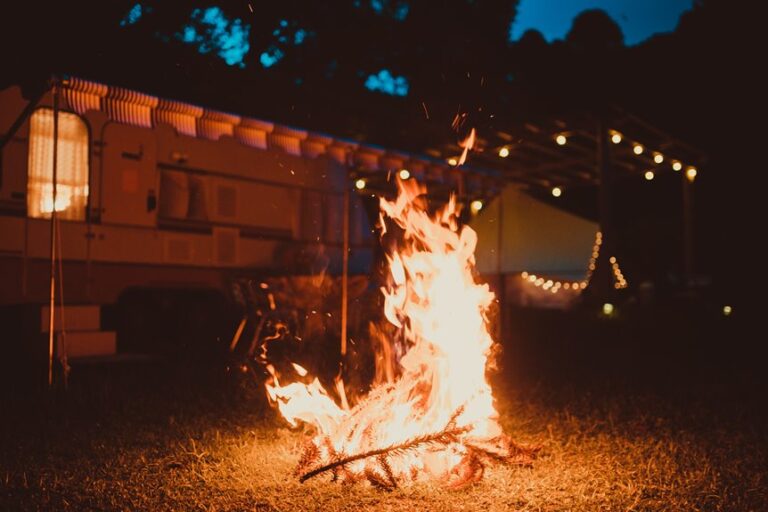
Fire pits with scraps and greasy wrappers also invite curious bears. Good trail etiquette helps too, because careless campers often leave signs that animals learn to follow.
Once you pack food, wash up, and keep a tidy space, you protect your crew and the next campers. Small habits build trust in the outdoors and keep your campsite calm.
Food Smells Bears Can’t Ignore
Food smells can pull bears in fast, even provided you believe your campsite looks clean.
| Smell | Why It Matters | What You Do |
|---|---|---|
| raw meat | Strong scent travels far | Seal it tightly |
| fruit scraps | Sweet odor lingers | Pack them out |
| fish | жир? | Keep it covered |
| cooking grease | Sticky aroma stays | Clean pans well |
| pet food | Easy meal signal | Store it inside |
You belong in camp whenever you control scent, not whenever it controls you. Bears notice every open cooler, every messy prep spot, and every dripped marinade. So cook with care, wipe surfaces, and store food right away. Even a small bite can send a big message. Whenever you handle food safely, you protect your group and keep the night calmer.
Trash and Recycling Left Overnight
Whenever you leave trash or recycling out overnight, the odors can spread far beyond your campsite and pull bears in from a surprising distance.
Even a recycling bin can hold sticky smells from cans, bottles, and food containers, and that scent can be enough to get a bear curious.
Should you leave food residue in bags or bins, you’re basically giving bears an easy reason to come check things out.
Odors From Open Trash
Open trash can turn a quiet campsite into a strong smell signal that travels much farther than you could expect. Whenever you leave bags open overnight, you give bears an easy scent trail.
Rotten garbage, food wrappers, and scented packaging all mix into one clear message: a meal could be nearby. Even a small spill can pull a curious bear closer to your tent or table.
You can help your group feel safer through sealing every bag, tying it tight, and placing it in a locked bin or bear-safe storage. Also, keep trash away from cooking spots and sleeping areas.
Should you pack out waste right after dinner, you cut the odor fast and protect the calm, shared feeling every camper wants around the fire.
Recycling Bin Smells
Recycling bins can send up a strong smell of their own, especially whenever trash and bottles sit out overnight after a long day at camp. That recycling odor can drift farther than you expect, and bears might notice it before you do. You can help your campsite feel safer by keeping lids tight and emptying containers before dark.
Good bin placement matters too. Set recycling well away from tents, coolers, and sleeping areas, so smells don’t gather where you rest. Should your group share the site, remind everyone to rinse containers and pack them out whenever possible.
That small habit helps your camp feel calmer and cleaner. Once you cut down on scent, you make it easier for everyone to settle in and enjoy the night with less worry.
Overnight Food Residue
Leftover food scraps can quietly turn a calm campsite into a bear magnet overnight. You help your whole camp stay safer whenever you bag trash right after dinner and store it in a bear-proof bin or locked vehicle. Even small bits matter, because campfire grease on foil, pans, or utensils leaves a strong smell that travels far.
Next, check for concealed messes around picnic tables, coolers, and tents. Bears also notice toiletry spills, so wipe up toothpaste, soap, and sunscreen before dark.
As you pack recycling, rinse cans and bottles so sweet residue doesn’t linger. Provided you keep every scent under control, you protect your group and the campers beside you, and you make the campsite feel like a place where everyone can relax.
Scented Toiletries That Draw Bears In
Scented toiletries can pull bears in faster than you could expect, because their sharp noses catch even small traces of smell from far away. Whenever you bring scented soaps, shampoo, or lotion bottles, you might leave a trail that feels harmless to you but stands out to wildlife.
Coolers, Leftovers, and Dirty Cookware
Even while your toiletries are packed away, a bear can still notice the smells coming from your food area. So keep your ice chest locked and your cool bag sealed tight. You help your group whenever you stash leftovers in clean containers and pack them out fast. Bears love campsite scraps, and they can smell a dropped crust or spilled juice from far away.
- Rinse plates right away.
- Scrape food into trash bags you carry out.
- Wash greasy pans far from sleeping spots.
- Store all food gear in your vehicle or bear box.
Whenever you handle dinner with care, you make camp feel safer for everyone. A tidy site also helps your friends relax and enjoy the evening without worry.
Pet Food and Animal Feed Risks
Provided that you keep pet food in your campsite, you should seal it in bear-resistant containers or lock it in your vehicle right away. Bears can smell kibble, treats, and wet food from far away, so even a small spill can bring one into camp.
You also need to clean up animal feed leftovers quickly, since a few scraps in a bowl or trough can teach a bear that your site is an easy meal.
Pet Food Storage
Packing pet food carefully can make a big difference at camp, because bears don’t just chase trash and leftovers, they also go after dog food, cat food, and livestock feed. You can keep your camp wildlife safe by treating every kibble bag like food for a bear. Use sealed containers, and store them away from your tent so smells don’t drift into your sleeping space.
- Pack only what you need for the trip.
- Put food in sealed containers right after feeding.
- Use raised storage whenever a bear box isn’t nearby.
- Keep bowls clean and put them away promptly.
Whenever you handle pet food this way, you help protect your group and the animals around you. It also makes camp feel calmer, and everyone can relax a little more.
Animal Feed Leftovers
Leftover animal feed can bring bears into camp just as fast as pet food can.
Whenever you leave grain, pellets, or cracked corn out, you’re not just feeding animals, you’re inviting a hungry bear to check your site.
Store feed in hard containers, and sweep up every spill after meals and chores.
Even a few crumbs can teach a bear that your camp offers easy food.
Whenever you’re camping near farms or corrals, watch for livestock attraction too, since loose feed draws more than one kind of visitor.
Keep buckets closed, move leftovers right away, and never use wildlife feeding habits as a shortcut for scraps.
Your camp feels safer whenever every camper helps guard the food.
Why Campsite Layout Matters
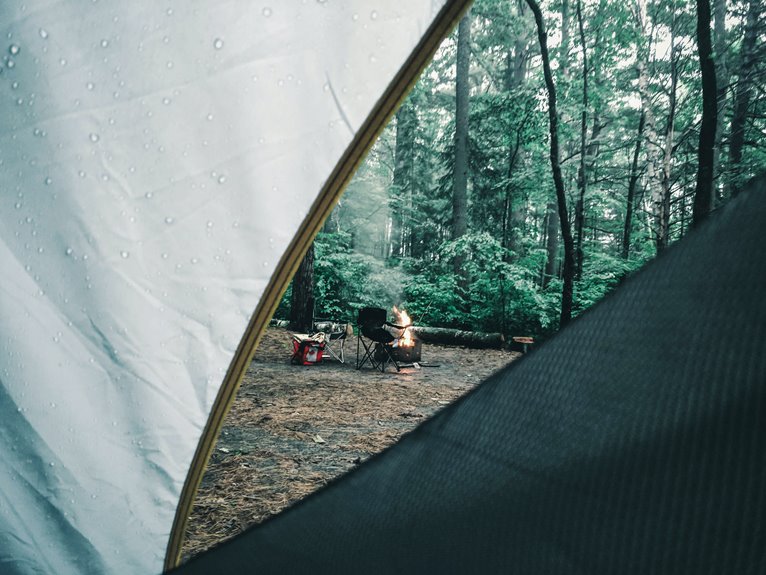
A smart campsite layout can make a big difference because bears often follow the easiest path to food, shelter, and scent. Whenever you reflect about site planning, you help your group feel safer and more connected to the space. Put sleeping areas apart from cooking spots, and choose fire placement with care so smells stay away from where you rest. A tidy layout also helps you move with confidence after dark.
- Keep food storage in one clear area.
- Set cooking gear away from tents.
- Use paths that stay open and simple.
- Leave room for everyone to gather safely.
Whenever you arrange things well, you lower confusion and make smart habits feel natural. That calm setup helps your crew enjoy camp without worry.
Common Mistakes That Attract Bears
Even though a campsite looks tidy, a few small mistakes can still draw bears in fast. You could leave campfire embers warm under ash, and a bear can smell that food-cooking scent long after you’ve sat down. Crumbs on tables, greasy pans, and open coolers also give off easy rewards. Even small trash bits can stand out.
Next, watch your walking paths. Whenever trail erosion widens a route, people often step off it and spread food scraps, smells, and gear around camp. That mess can make your group feel less safe and more exposed. Provided you keep snacks, dishes, and leftovers scattered, you’re basically sending an invite. A little extra care helps your camp feel calmer, cleaner, and more like home.
How to Keep Bears Away From Camp
To keep bears away from camp, start with the little things that make a big difference. You’re not just protecting food, you’re protecting the calm your group came for.
- Store food, trash, and toiletries in bear-proof containers or hang them away from sleeping areas.
- Follow campfire etiquette by cleaning grates, packing out scraps, and never leaving sweet smells behind.
- Use bear deterrents like noise makers, lights, or approved spray, and keep them ready.
- Cook and eat far from tents, then wash dishes right away and change clothes should they smell like food.
When you stay organized, you help everyone feel safer and more relaxed. Bears notice easy meals, so don’t invite them in.
Keep your camp tidy, and you’ll build a better shared space for everyone around you.
Frequently Asked Questions
How Far Can Bears Smell Food From a Campsite?
You’re often within several miles of a bear’s scent threshold, where food smells drift like a shared signal through camp. Keep food sealed, and you will help everyone belong safely together tonight.
Do Bears Visit Campsites During the Day or Night?
You’ll see bears at campsites during both daytime sightings and nocturnal activity, though they’re often more active at night. You can help your group stay safe through keeping food secured and staying alert always.
Which Bear Species Are Most Likely to Approach Campers?
You’ll most often encounter a black bear near camp, while grizzly bear encounters happen where their range overlaps. You can stay safe by storing food properly and camping with your group together.
Can Strong Wind Spread Campsite Odors to Bears?
Yes, strong wind can carry windborne scents from your campsite, though odor dilution often weakens them. You can reduce risk by sealing food, storing trash, and staying with your group so everyone feels safer together.
What Should I Do if I See a Bear Nearby?
In case you see a bear nearby, stay calm; 90% of encounters end safely when you back away slowly, make noise, avoid sudden movements, and join others so you do not feel alone.