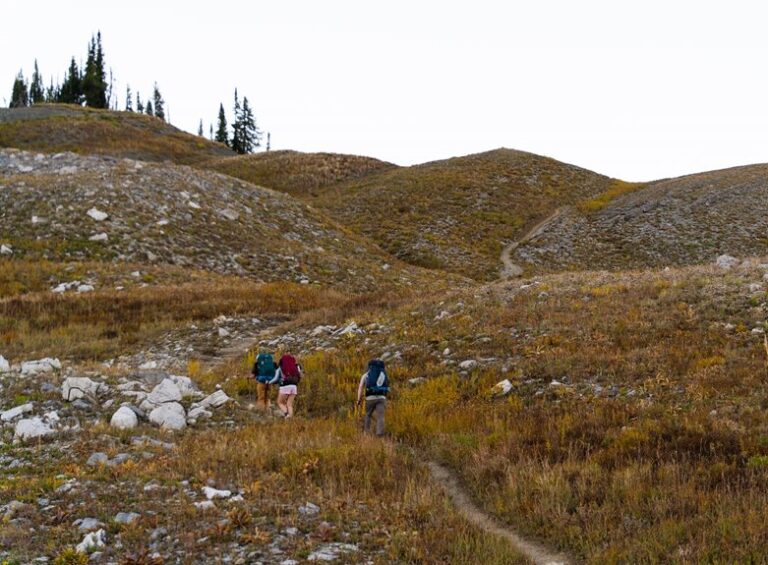

Higher elevation reduces available oxygen, so breathing feels faster and harder. Muscles tire sooner and a once-easy pace can require more effort. Headache, dizziness, and mental fog can develop as the body adjusts. Slower ascent, steady pacing, and extra rest help maintain performance. Watching for worsening symptoms and adjusting effort protects health and keeps the hike enjoyable.
What Altitude Does to Hiking Performance
Most hikers notice it fast: as you climb higher, the air feels thinner, and your body has to work harder for every step. You might feel slower, less steady, and a little more drained than you expected, even on a trail you usually handle well.
That shift can shake your rhythm, but it doesn’t mean you’re weak. Your body starts a respiratory adaptation process, and your pace often changes whilst that happens. At the same time, your mental resilience matters too, because staying calm helps you keep moving without panic.
Whenever you understand this, you can trust your own pace, share the trail with others, and feel less alone out there. Altitude changes performance, but it also shows how tough and adaptable you really are.
Why Thin Air Makes You Breathe Harder
As you climb into thinner air, your lungs have to work harder just to bring in the same amount of oxygen. That’s because reduced oxygen means each breath carries less fuel for your muscles, so your body answers with increased respiration. You’ll notice this shift fast, and you’re not alone out there. Every hiker on the ridge is coping with the same air, the same effort, the same need to stay steady.
- Your chest might rise quicker
- Your breaths might feel shorter
- Your pace might slow a little
- Your body might ask for more breaks
This change isn’t weakness. It’s your system adapting so you can keep moving with the group and still feel like yourself on the trail.
Common Signs of Altitude Sickness on the Trail
As you’re hiking high, altitude sickness can start with a pounding headache and a dizzy, off-balance feeling.
You could also feel nausea, and your body can suddenly drag with unusual fatigue.
Should these signs show up together, listen to them promptly and slow your pace before they get worse.
Headache And Dizziness
A headache can hit you hard on the trail, and it often shows up right alongside dizziness whenever your body starts struggling with thinner air. You may feel pressure behind your eyes, steady throbbing, or quick spins whenever you stand.
These signs can point to altitude induced migraines or vestibular disturbances, and they can shake your confidence fast.
- Pause and breathe slowly with your group.
- Tell a trail buddy how you feel.
- Sit down before you lose your balance.
- Rest until the trail feels safe again.
You don’t have to push through alone. Your hiking crew wants you steady, not stubborn. Should the pain grow or the world keeps tilting, turn back promptly and protect your strength. That choice shows care, not weakness.
Nausea And Fatigue
Nausea can sneak up on you at altitude and make every step feel harder, and fatigue often tags along right behind it. You’re not weak should this happen. Your body is asking for help.
| Sign | What you might notice |
|---|---|
| Nausea | A churning stomach |
| Fatigue | Heavy legs and slow thinking |
| Appetite loss | Food feels unappealing |
| Weakness | Simple climbs feel tough |
| Recovery need | You want to rest more |
Use acclimatization strategies like slowing your pace and taking extra breaks. Keep hydration importance front and center, because dry air can wear you down fast. Sip often, eat light snacks, and stay with your group so you don’t push alone. Should nausea or fatigue grow stronger, descend when possible and listen closely to your body.
How Altitude Changes Your Pace and Endurance
As you climb higher, your pace usually slows because your body has less oxygen to work with.
You might notice that the same trail feels harder, and your endurance drops sooner than it would at lower elevations. That doesn’t mean you’re out of shape, just that altitude makes your body work a lot harder for every step.
Pace Slows At Elevation
Whenever you climb higher, your body has to work harder for every step, so your pace usually drops even though you feel strong initially. That slower rhythm is normal, and it doesn’t mean you’re falling behind the group. You’re just adjusting to the mountain’s push.
- You might notice a reduced cadence.
- Each stride can feel like steeper effort.
- Breathing could ask for more attention.
- Your crew can slow together and stay connected.
Once you accept the change, you move with less stress and more control. So, keep your focus on steady steps, not speed. That shared pace helps you feel included, calm, and ready to keep climbing with everyone else.
Endurance Drops With Altitude
Even though your legs still feel ready, altitude can quietly shrink your endurance and make each mile cost more than it did at lower elevation. You could start strong, then notice your breathing works harder and your rhythm slips sooner. That’s normal. Your body is doing more with less, and reduced VO2max means you can’t use oxygen as well during steady effort.
At the same time, lower muscle oxygenation can make your steps feel heavy, even when the trail looks easy. So, should you join a hiking group at higher ground, you may need shorter pulls, calmer breathing, and more patience with your pace. Don’t read that as weakness. It just means your mountain day asks for teamwork, self-respect, and a slower, smarter finish.
Oxygen Limits Output
Why does a short climb at altitude suddenly feel like a bigger job? You’re not weak; oxygen is thinner, so your muscles get less fuel. Your VO2 max drops, which means you can’t use oxygen as fast. Soon after, your Ventilatory threshold arrives sooner, and you start breathing harder at a pace that felt easy at home.
That shift can sting, but you’re in good company on the trail.
- Your legs might burn faster.
- Your breath could get sharp.
- Your pace might slip.
- Your confidence might falter.
Still, you can adjust. Once you slow down, your body finds a new rhythm, and you stay with the group instead of fighting the mountain.
How to Prepare for High-Altitude Hiking
Before you head up to thin air, give your body a little time to catch up. Start with a gear checklist that keeps you warm, dry, and fed. Bring layers, rain protection, a headlamp, water, snacks, and a map.
Next, build an acclimation strategy that fits your trip. Should you be able, spend a night or two at a lower peak prior to going higher. Also, sleep well in the days prior to your leave, drink enough water, and eat simple meals with carbs and protein.
Then, tell a friend where you’re going, because the trail feels better once someone knows your plan. Pack light, but not careless. With steady prep, you give yourself a real chance to join the mountain crowd with confidence.
How to Pace Yourself When the Air Gets Thin
As the air gets thinner, slow your pace before your body forces the issue. You’re not lagging behind the group; you’re hiking smart with them. Keep your breathing rhythm steady and match it to your steps. Should you start gulping air, shorten your stride and ease into effort zoning, where you choose control over speed.
- Take two or three calm breaths before steeper moves.
- Let stronger hikers pass without pressure.
- Pause often enough to stay comfortable.
- Sip water and reset your rhythm.
When you listen to your body, the trail feels less lonely. You’ll still climb, but you’ll do it with steady feet, clear lungs, and the quiet confidence that you belong out there.
When Altitude Becomes a Safety Concern
Sometimes the hardest part of hiking at altitude isn’t the climb itself, but grasping at what point your body is telling you to stop and pay attention.
In the event you feel a pounding head, nausea, dizziness, or confusion, altitude could be turning unsafe fast.
You want to respect your acclimatization timeline, because pushing ahead too soon can make mild symptoms worse.
Also, watch for shortness of breath at rest, trouble walking straight, or swelling in your hands and face.
These signs mean you shouldn’t just “tough it out” with the group.
Instead, tell your hiking partners, rest, and descend to lower ground should things not improve.
A calm emergency descent can protect you, and it’s a smart move, not a failure.
Frequently Asked Questions
How Long Does It Take to Acclimate to High Altitude?
You’ll usually acclimate in 1 to 3 days, but slow acclimatization and individual variability mean it can take a week or longer. Listen to your body, rest, hydrate, and join others who pace themselves.
Can Drinking Water Reduce Altitude-Related Fatigue?
Yes, drinking water can ease altitude fatigue, but it will not erase it. You will feel better when you pair smart hydration strategies with steady fluid timing: mountain air is harsh, yet your body can stay steadier together.
Do Trekking Poles Help at Higher Elevations?
Yes, trekking poles can help you at higher elevations by improving balance, providing support, and easing strain. With good pole technique, you will feel steadier, more confident, and more connected with your trail crew.
Is Altitude Harder on Beginners Than Experienced Hikers?
Yes. Altitude usually affects you more if you’re new to it. You’ll feel the effects sooner, but good physical conditioning and psychological resilience help you keep up with more experienced hikers and maintain pace.
Should I Change My Diet Before a High-Altitude Hike?
Yes, you should adjust your diet before a high altitude hike. Focus on carb loading, stay hydrated, and consider iron supplementation in case you are prone to deficiency. You will feel stronger, recover better, and belong on the trail.