
About one in three campers packs too much and still forgets the single item they need most. Start with the essentials: shelter, sleep system, hydration, navigation, and basic first aid. Cut extras that only add weight and choose gear that serves multiple purposes. Trim clothing to versatile layers and perform a final gear check before leaving. Knowing which items earn a spot in your pack makes trips lighter and more focused.
Start With a Camping Packing List
Before you toss gear into your car and hope for the best, start with a camping packing list. It keeps you calm, and it helps you feel like part of a prepared crew.
Build your minimal checklist around essential categories: shelter, sleep, food, water, clothing, light, safety, and hygiene. Write down each item you truly need, then trim anything that only seems nice to have.
This step helps you spot gaps before you leave, so you’re not hunting for a flashlight at dusk or borrowing socks from someone else. Keep the list on your phone or paper, and update it after every trip.
Soon, packing feels less stressful and more like a shared ritual that sets you up for a smoother campsite routine.
Choose Multiuse Gear for Camping
Whenever you pack for a camping trip, choose gear that can do more than one job, because that helps you keep your bag light and your setup simple.
A pot can hold your dinner and your morning coffee, and a bandana can work as a towel, shade, or quick wipe.
As soon as you pick versatile items initially, you save space for the things that really make your trip comfortable.
Versatile Gear Essentials
A smart camping kit starts with gear that can do more than one job, because every item you leave behind makes your pack lighter and your setup easier.
You can trust compact cookware that nests together and handles cooking, boiling, and serving without crowding your bag.
Then choose modular clothing, so you can add or remove layers as the weather changes and still feel ready with your group.
A headlamp with a clip, a bandana, and a sturdy mug can also pull extra weight while keeping your kit small.
Whenever you pick pieces that flex with your plans, you feel less cramped and more at home outdoors.
That simple shift helps you join the trip with confidence, not clutter, and it keeps your energy on the campfire, the trail, and the people beside you.
Save Space With Multipurpose Items
Multiuse gear helps you save space without making your camping trip feel stripped down. You can swap single-use items for pieces that do more, and your pack will feel lighter fast.
Choose packable cookware that nests together, so one pot can cook dinner and warm coffee. Pick a mug that doubles as a bowl, and you’ll need fewer dishes to wash at camp.
Then add convertible clothing, like pants that zip into shorts or a jacket with a removable layer. These pieces help you handle changing weather without stuffing your bag.
Whenever each item earns its spot, you stay organized and feel like you’re camping with a smarter crew, not lugging extra junk.
Pack Fewer Clothes and Toiletries
Start with fewer clothes than you believe you need, because extra outfits can fill your bag fast and add stress you don’t need. Choose pieces that mix easily, and lean on layering techniques so one shirt can do more than one job. You’ll feel lighter, and your pack will feel friendlier too.
Pick one spare set of socks and underwear, then skip the “just in case” pile.
For toiletries, use minimalist toiletries like a small toothpaste, a tiny soap, and a travel brush. Keep each item in a slim pouch so nothing rattles around.
Whenever you cut back here, you make room for the things that actually help you enjoy camp, like your cozy spot, your food, and your good company.
Plan for Weather and Activities
As you consider ahead about the weather and the activities you actually plan to do, packing gets much easier and a lot less stressful. Whenever you check forecasts, you can match your layers to real conditions instead of guessing. Then build a simple activity timeline so your gear fits each part of the trip.
| Weather | What to pack |
|---|---|
| Warm sun | Hat, light shirt |
| Cool night | Fleece, socks |
| Rain chance | Shell, dry bag |
| Windy trail | Extra layer |
| Busy campfire | Cozy jacket |
This way, you stay ready without stuffing your bag. Provided you know you’ll hike, cook, and relax, you can skip items that won’t help. You’ll feel more settled, and your group will too, because everyone carries only what the trip really needs.
Use the Right Bag Sizes
Choosing the right bag size can save you from a lot of camping stress, because a pack that fits your trip helps you carry only what you need. When you select bag options, check the weight limit initially so your gear won’t drag you down on the trail. Then use a size guide to match your tent, clothes, and food to the space you have.
A simple fit trial at home can show you whether the straps feel right and whether the load sits close to your body. In case the bag feels huge, you might pack extra just because you can. Should it feel too small, you’ll fight for space and feel rushed. Pick a bag that fits your trip, and you’ll feel like you belong on the trail.
Pack Smarter to Save Space
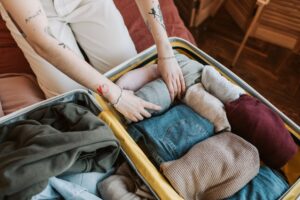
Now that your bag fits the trip, you can make every inch work harder for you. Roll soft clothes and tuck socks inside shoes so gaps disappear.
Use layering techniques to stack items according to need, with rain gear on top and sleep clothes low, so you stay organized without digging around. Keep heavy items close to your back for better weight distribution, which helps you carry the load with less strain.
Slip snacks, chargers, and toiletries into small pouches so they don’t wander through the pack like lost cousins. Then press flat items along the sides to create tidy panels that hold shape.
Whenever you pack this way, you save space, protect gear, and feel more at home on the trail with your crew.
Do a Final Gear Check
Before you zip up your pack and head out, give everything one last look so small mistakes don’t turn into big trail hassles.
A calm final gear check helps you feel ready, and it keeps your group from juggling missing items at camp. Use your final checklist to confirm your shelter, sleep gear, food, water, and light are all packed.
Then scan for last minute essentials like chargers, medicines, rain gear, and matches.
Next, open every pocket and compare what you see with your list. That quick pause can save the whole trip from a forgotten stove or a lonely spoon.
Whenever you check together, you also feel part of the crew, and that shared confidence makes the trail feel a little friendlier.
Frequently Asked Questions
How Do I Choose Between a Backpack and Duffel Bag?
Choose a backpack if you need better frame options and carry comfort on trails; choose a duffel if you’re mostly car camping and want easy loading. Either will work as long as it suits you.
What Should I Do if I Forget an Essential Item?
If you forget an essential item, stay calm and ask nearby campers or staff to borrow from them; they will often help. You can also improvise gear, and you will still feel part of the camping community.
How Can I Reduce Food Weight for a Camping Trip?
Choose dehydrated meals and calorie dense snacks, and you’ll cut pounds fast. You’ll feel part of the savvy crew once you repackage food into small portions, skip bulky containers, and plan each day’s meals carefully.
Are Luxury Camping Items Worth Bringing?
Yes, provided they truly fit your trip. You will feel like royalty at camp with a portable espresso machine or a heated blanket, but only bring them when they enhance comfort without isolating you from the shared journey.
How Do I Pack for Kids Without Overpacking?
You’ll pack for kids by setting size limits and relying on shared gear, then choosing essentials they’ll actually use. Let them pick one comfort item so they feel included, prepared, and part of camp.