
Choose a sleeping bag that matches the climate, your sleeping style, and the trip length. Look at temperature ratings first, then insulation type, shape, size, and material. Synthetic fills handle wet conditions better, while down packs more warmth for weight. A snug mummy bag retains heat; a rectangular bag gives room to move. Small details like zipper placement, hood design, and seam construction affect comfort and performance.
What Sleeping Bag Temperature Rating Do You Need?
As you choose a sleeping bag, the temperature rating can feel a little confusing at initially, but it gets much easier once you match it to how and where you sleep. Consider it as your comfort guide, not a hard rule.
A lower number usually means more warmth, while a higher number works better in milder weather. Your own temperature comfort matters too, because one person might sleep warm while another gets chilly fast.
Match Your Sleeping Bag to the Trip
Once you know the warmth level you need, the next step is to match that bag to the trip you’re actually taking.
You’ll feel more at home in camp whenever your bag fits the setting, your pack, and your pace. Consider campsite compatibility, travel considerations, and how much room you’ll really have.
- Choose a compact bag for backpacking, so your load stays easy to carry.
- Pick a roomier bag for car camping, where comfort can shine.
- Check your campsite setup, because a small tent or tight shelter changes what works.
- Match your bag to the season and your route, so every night feels familiar and calm.
As you plan this way, you don’t just buy gear.
You join the trip with confidence and sleep easier, aware your bag belongs there too.
Choose the Right Sleeping Bag Insulation
Whenever you choose sleeping bag insulation, start by comparing down and synthetic fill, because each one handles real trips a little differently.
Down usually gives you a better warmth-to-weight ratio, so you can carry less bulk, while synthetic insulation often keeps working better when things get damp.
In case you expect wet weather or lots of condensation, that moisture resistance can make your nights feel a lot safer and more comfortable.
Down Vs Synthetic
Choosing between down and synthetic insulation can feel tricky at the outset, but it gets much easier once you know how each one works for you. You want a bag that fits your trips and your values, so consider how you’ll care for it and what matters to your group.
- Down feels soft and keeps its loft with good loft maintenance.
- Synthetic keeps working better when damp, which can calm your nerves.
- Should ethical sourcing matters to you, check the label and the brand story.
- Choose the fill that matches your shared camping habits and comfort needs.
Whenever you compare them this way, you join a camp-minded crowd that picks with care, not guesswork. That little confidence can make your next night outside feel a lot more welcoming.
Warmth-To-Weight Ratio
A lighter sleeping bag can make every mile feel easier, but it still needs to keep you warm enough to let you rest well. Whenever you compare bags, look at thermal efficiency initially. That tells you how much warmth you get for each ounce you carry. In case you hike with a group, you’ll notice the best bags feel almost effortless in your pack.
| Fill Type | Warmth Per Weight | Feel |
|---|---|---|
| Down | High | Very light |
| Synthetic | Good | Slightly heavier |
| Hybrid | Strong | Balanced |
Next, check loft retention, because a bag that keeps its puff stays warmer longer. So, choose insulation that matches your trips, your pace, and your comfort. That way, you’ll feel ready, included, and confident on the trail, even whenever the night gets chilly.
Moisture Resistance
Warmth matters most, but dry insulation helps that warmth last through real trail weather. Whenever you pick a sleeping bag, look past loft alone and check how it handles damp nights, sweaty mornings, and tent drips. You want gear that supports your crew, not one that quits whenever clouds move in.
- Choose down with waterproof membranes provided you camp in wet climates.
- Pick synthetic fill whenever you expect easy drying and steady performance.
- Check for breathable coatings, because trapped sweat can chill you fast.
- Match moisture resistance to your trip, so you stay cozy and included in the good camp vibe.
Assuming you often wake to mist, choose a bag that dries fast and keeps its shape. That way, you sleep easier and wake ready.
Pick a Sleeping Bag Shape
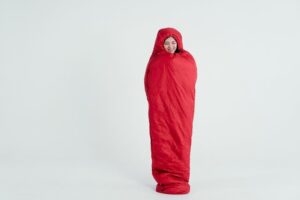
Slide into sleeping bag shapes with care, because the cut you pick can make or break your comfort on the trail or at camp. You’ll find mummy alternatives should you desire room to shift, stretch, or sleep on your side without feeling boxed in.
A rectangular bag feels roomy and relaxed, while tapered comfort gives you a snugger fit that still leaves space where you need it most. In case you like moving your knees or keeping a pillow close, choose a shape that supports that habit.
Should you prefer less empty space around your body, pick a closer cut. The right shape helps you feel settled fast, so you can relax with your crew and sleep better wherever the night takes you.
Find the Best Sleeping Bag for the Season
Whenever the weather shifts, your sleeping bag should shift with it. You want the bag that fits your nights, not just your gear closet. For warm trips, choose lighter insulation and breathable climate specific fabrics so you stay comfy without waking up sweaty. For chilly camps, look for stronger fill and room for seasonal layering, because a spare base layer can make a big difference whenever the temperature drops.
- Spring: Pick a bag that handles damp mornings and cool evenings.
- Summer: Choose airflow and light insulation for easy sleep.
- Fall: Add warmth for crisp air and changing nights.
- Winter: Go for serious insulation and snug comfort.
At the point you match the bag to the season, you join your campsite with less worry and more rest.
Check Sleeping Bag Weight and Packability
Next, look at the bag’s weight and how small it packs down, because those two details can make a big difference on the trail. You’ll feel the gain on long miles, so compare the pounds before you buy. Weight testing helps you see whether the listed number matches real use, and that can save you from a painful pack later.
Then check stuff sack capacity, since a tight sack can waste space and trial your patience before sunrise. A bag that compresses well leaves room for food, layers, and the little comforts that keep your crew moving. In case you hike as a group, choosing gear that feels light and stows neat helps everyone carry their share with confidence. That kind of fit makes the whole trip smoother.
Look for Sleeping Bag Features That Matter
Upon selecting a sleeping bag, focus on the features that match the way you actually camp.
Check the temperature rating, the insulation type, and how much weight and bulk you can carry without regret on the trail.
These details help you stay warm, sleep better, and avoid hauling gear that feels like a small, stubborn bear.
Temperature Ratings
Temperature ratings give you the initial big clue about how warm a sleeping bag will feel, but they don’t tell the whole story. You still need to match the number to your own nights outside. Comfort testing helps you notice whether you sleep warm or cold, and it cuts through user misconceptions that one rating fits everyone.
- Check the comfort number first, not the lowest limit.
- Add a few degrees of safety for wind or damp ground.
- Consider about your sleep style, since restless sleepers lose heat faster.
- Trust your group’s trail wisdom, but trial your own needs too.
That way, you’ll pick a bag that feels like it belongs with you, not one that leaves you shivering while everyone else zips up and laughs.
Insulation Type
Insulation type is where the sleeping bag starts to feel personal, because the fill inside does the real work of holding in your heat.
In case you want a cozy, familiar feel, down often gives you strong warmth and a softer shape around your body.
In case you expect damp nights or want easier care, synthetic fill can keep working when moisture shows up.
You should also check loft testing, since fluffy insulation traps more air and usually feels warmer.
Next, consider allergy considerations in case feathers bother you or make you sneeze.
Whenever you match the fill to your needs, you don’t just buy a bag, you join the camp crowd that sleeps better and wakes up ready for the trail.
Weight And Packability
Weight and packability matter more than many new campers expect, because a sleeping bag lives in your pack long before it ever reaches your tent. Once you join the trail crowd, every ounce starts to count, and a bulky bag can make the whole trip feel harder. Choose a model that uses ultralight compression so you can carry less without giving up warmth. A backpacker friendly stuff sack also helps you fit the bag neatly and keep your pack organized.
- Check total weight before comfort extras.
- Compare compressed size, not just loft.
- Try how fast it stuffs away.
- Make sure it fits your pack’s layout.
That way, you’ll move with more ease, feel prepared, and stay part of the camping rhythm.
Consider Sleeping Bag Size and Fit
A sleeping bag that fits well can make the difference between a cozy night and a long, chilly one, so size matters more than many people believe.
You should check body length initially, because a bag that’s too short can squeeze your feet and make rest feel impossible. Next, look at shoulder room and hip room so you can turn without feeling trapped. Should you like a snug feel, choose a closer cut. In case you want more space, pick a roomier shape.
Also, pay attention to gender fit, since some bags shape the torso and hood differently for a better feel.
Once the fit matches your body, you settle in faster, sleep warmer, and wake up feeling like you belong outdoors.
Compare Sleeping Bag Materials and Durability
Once the fit feels right, it makes sense to look at what the bag is made of, because the outer fabric and the fill work together to shape how long it lasts. You want materials that feel strong in your hands and still stay light enough for easy nights outdoors.
Synthetic fills often dry faster, while down can feel softer and warmer. Then, check the shell for fabric longevity and look closely at stitching reinforcement, since both help the bag hold up through many trips.
- Choose shells that resist wear.
- Compare fills for your weather needs.
- Feel for even seams and sturdy stitching.
- Pick a bag that matches your trail life, so you feel ready with your people.
Avoid Common Sleeping Bag Buying Mistakes
Even though a sleeping bag looks warm and cozy, small buying mistakes can still leave you cold, cramped, or frustrated on the trail. You can avoid that through checking the fit initially, because a bag that’s too tight traps you like a burrito gone wrong.
Next, read the temperature rating with care. A misleading temperature rating can make you trust a bag that won’t protect you whenever the night turns sharp.
Also, watch for overstuffed insulation, since extra fill can add weight without adding real comfort.
Then match the bag to your trip, your sleep style, and the season. Should you sleep cold, choose a little extra warmth. In case you move a lot, make room.
Whenever you shop this way, you join the crowd of campers who sleep easier.
Frequently Asked Questions
What Sleeping Bag Length Should I Choose for My Height?
Choose a sleeping bag about 6 inches longer than your height. Most hikers feel cramped in bags that are too short, so use the fit guideline and check the footbox size to ensure a cozy fit.
How Do I Clean and Store a Sleeping Bag Properly?
You can machine wash it gently, then air dry it completely. For down care, use a specialized cleaner. Store it loose in a storage bag so you will keep it cozy, protected, and ready for your next excursion.
Can I Use a Sleeping Bag Inside a Hammock?
Yes, you can use a sleeping bag inside a hammock, but you’ll fit best with underquilt compatibility and asymmetrical insulation. You’ll stay warmer, avoid compression, and feel part of the hammock camping crew.
What’s the Difference Between Left-Zip and Right-Zip Bags?
Left-zip bags place the zipper on your left shoulder; right-zip bags place it on your right. Left-zip bags are better when you want easier pairing with another left-zip bag, while right-zip bags are ideal for pairing with another right-zip bag and for friendly shared sleeping setups.
How Long Does a Good Sleeping Bag Usually Last?
Usually, you’ll get 5 to 10 years from a good sleeping bag, depending on usage frequency and material degradation. Treat it like a trusty campfire companion, and you’ll stay warmly part of the crew longer.