
Rivers and streams can look peaceful while strong currents and submerged hazards exist beneath the surface. Plan ahead by checking weather forecasts and local water level reports before visiting any river. Keep children and inexperienced swimmers within arm’s reach and wear a properly fitted life jacket near moving water. Wear good-grip shoes and use a trekking pole or walking stick for stable footing on slippery rocks. Watch for sudden rises in water level or faster flow after rain and move to higher ground quickly.
Know the Common River Hazards
Before you step close to a river or stream, it helps to know what can go wrong. Water can hide sudden drop-offs, slippery rocks, and fast currents that pull at your legs.
You might also meet seasonal wildlife, like nesting birds or startled fish, that need space. Watch for bank erosion, because a crumbling edge can break under your feet without warning.
Stay alert for debris, logs, and tangled plants that can trip you or trap your line of sight. Even shallow water can move hard after runoff, so trust your eyes and keep your balance.
Once you understand these common hazards, you can move with more confidence and feel like part of the place, not a stranger to it.
Check Weather Before You Go
Weather can change a calm riverbank into a risky place fast, so check the forecast and local conditions as soon as you start planning your trip. When you look at the local forecast, pay attention to rain chances, storm timing, and temperature drops. Strong wind patterns can make your day feel rough, so choose a safer time should gusts might build.
| What to check | Why it matters |
|---|---|
| Rain timing | It can change your plans |
| Wind patterns | They can add risk |
| Storm alerts | They can end your outing |
If the sky looks uneasy, trust that feeling and wait. You belong out there, but you don’t need to rush it. A few minutes with the forecast can save you stress and help you arrive calm, prepared, and ready to enjoy the water safely.
Check Water Conditions Too
Even on a bright day, the river can tell a different story than the sky does, so take a close look at the water itself. You deserve a trip that feels safe and calm, and a quick check helps your group stay connected.
- Watch water clarity. Murky water can hide rocks, logs, and sudden drops.
- Notice flow rate. Fast moving water can pull you off balance faster than you expect.
- Look for changes after rain. Swollen water often carries extra force and debris.
If the surface looks foamy, brown, or choppy, slow down and reassess together. You don’t need to guess here. Talk with your friends, trust what you see, and give the water the respect it asks for. That shared caution can keep everyone feeling steady and included.
Choose Safe Entry Spots
A safe riverbank starts with a smart initial step, so pick your entry spot with care.
You should look for shallow entries where you can feel the bottom and move with confidence.
Then check for graded slopes, because a gentle edge helps you step in without slipping or scrambling.
Next, choose a wide area with clear footing, so you and your group can enter one at a time without crowding.
Should the bank feels muddy, broken, or too steep, keep moving until you find a better place.
Also, pick a spot near the waterline that lets you lower yourself slowly.
Once you enter calmly, you help everyone around you feel steadier too.
That little bit of patience makes your whole outing feel safer and more welcoming.
Watch for Strong Currents
Strong currents can lurk just below the surface, so you need to watch the water closely before you step in.
You could see swirling foam, fast-moving ripples, or drifting debris that show concealed pull areas.
Stay clear of rapids, because they can push you off balance fast and leave you struggling before you know it.
Identify Hidden Currents
Because river water can look calm on top and still move hard underneath, you need to watch for concealed currents before you step in or near the edge. These veiled pulls can twist your balance and catch you off guard, but you can spot clues provided you slow down and look closely.
- Watch for spinning foam, leaves, or bubbles that drift sideways.
- Notice places where the surface dips, darkens, or moves against nearby water.
- Stay alert near rocks, logs, and bends, where underwater eddies and submerged hydraulics often form.
When you stand with your group, share what you see and ask someone else to check the same spot. That way, you build a safer habit together. Should the water seem odd, trust that feeling and step back.
Stay Clear of Rapids
Rapids can look exciting from afar, yet they can turn risky fast, so keep your distance unless a trained guide says it’s safe to enter. You belong on the bank, where you can watch the water and stay in control.
Strong currents can pull you under, spin you around, and sweep you into rocks. So, check the route before you step near the edge.
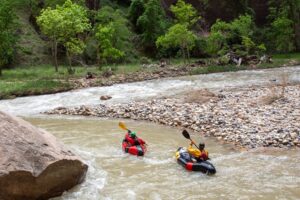
Should you want whitewater photography, use a safe spot with firm footing and a clear exit. In case you’re curious about river rescue training, learn from experts on shore initially, not in the rush of the flow.
Also, wear a life jacket near moving water. Then, listen for warning signs from your group, and move back provided the water starts to roar.
Stay Off Slippery Rocks and Banks
You need to watch your footing every time you step near a riverbank, because wet rocks can shift fast under your shoes.
Stay away from the edge whenever the ground looks slick or soft, and choose firm, stable spots instead.
Should a surface feel unsure, trust that feeling and move to safer ground before you take the next step.
Watch Your Footing
Slippery rocks and steep riverbanks can turn a fun outing into a quick fall, so it’s smart to slow down and watch every step. When you move with care, you help yourself stay steady and feel confident with your group. Check footing before you shift your weight, and keep your eyes on the ground ahead.
- Wear shoes with good grip so you can keep balance on uneven ground.
- Take mindful steps and leave space between you and the person ahead.
- Use your hands for balance when the path feels narrow or rough.
If the bank starts to crumble, back up and choose a safer route. You don’t have to rush to belong; you can move at your own pace and still enjoy the river with others.
Avoid Wet Edges
Even though your footing feels steady, wet edges can change the game fast. You can belong on the riverbank without standing at its slick rim. Keep a little distance from shiny rocks, muddy slopes, and soaked grass, because one quick slip can send you into cold water.
Should the edge crumbles, back up at once and give the bank room to recover. That simple habit helps you avoid erosion and keeps the trail safer for everyone who follows. You’ll also stay drier, which means fewer surprises from damp footwear and less chance of sliding when you move again.
Whenever you want a closer look, pause, breathe, and choose a safer spot to begin with. Your group will thank you, and you’ll feel more at ease near the water.
Choose Stable Surfaces
Pick your footing with care, because the ground near rivers and streams can fool even careful walkers. You deserve a path that feels steady, so examine each step before you trust it.
- Stay off mossy rocks, since they act like soap and can send you sliding fast.
- Choose dry soil, packed gravel, or flat logs only provided they feel firm under your weight.
- Use trees, roots, or other natural anchors for balance, but never pull hard on anything loose.
When you move with friends, call out slick spots so everyone can stay together. Should a bank crumble or wobble, back away right away and find firmer ground. Your secure footing keeps you calm, and calm helps you enjoy the water without that stomach-drop feeling.
Wear Proper River Safety Gear
A few smart pieces of gear can make a big difference whenever you’re near a river or stream. Whenever you dress for the water, you give yourself a better shot at staying calm and in control.
| Gear | Why it helps |
|---|---|
| Life jackets | Keep you afloat should you slip |
| River helmets | Protect your head from rocks |
| Quick-dry shoes | Grip wet surfaces better |
| Wetsuit or layers | Help in cold water |
| Whistle | Lets others find you fast |
You’ll fit in better with cautious, prepared people whenever you wear the right gear. Before you step closer, check that your life jackets fit snugly and your river helmets sit low and secure. Also, choose gear that matches the water conditions. That way, you’re not just hoping for safety. You’re setting yourself up for it, and that feels good.
Keep Kids Close Near Water
Whenever you’re near moving water, keeping kids close can make all the difference. You help them feel calm and included whenever you stay within arm’s reach and keep hand holding natural during busy moments.
Choose a designated place on the bank where they can wait, watch, and stay out of the way while you check the area. That simple routine gives everyone a shared plan and cuts down on wandering feet.
- Tell kids where to stand before you arrive at the water.
- Keep your eyes on them while you talk, pack, or move gear.
- Practice quick call and response words so they know to come back fast.
Whenever you stay steady and present, kids trust you more, and you build a safer rhythm together.
Never Swim Alone in Moving Water
Moving water can look calm, but it can pull hard and change fast, so never swim alone in a river or stream. You’re safer when you use the buddy system, because a partner can spot trouble, call for help, and keep you calm.
Before you step in, agree on simple hand signals and a meeting location on shore. Then stay within easy reach, so you can help each other quickly. Keep an emergency whistle with you, too, since your voice mightn’t carry over rushing water.
Should your buddy drift or gets tired, act right away and move together toward safety. Swimming with a trusted friend doesn’t take away the thrill. It adds support, confidence, and the comfort of being sure someone’s got your back.
Spot Flooding Warning Signs Early
Watch the water level closely, because a fast rise can mean flooding is starting nearby.
In case the current suddenly speeds up, swirls, or pulls harder than before, you should treat that as a serious warning.
You should also notice muddy water, floating sticks, and other debris, since they often show that runoff is rushing in and conditions are getting more dangerous.
Rising Water Levels
As soon as rain falls hard or snow melts fast, rivers and streams can rise much faster than they look like they should. You can stay ahead via checking a rain gauge and watching for seasonal runoff after storms or warm spells. Once water starts covering rocks, roots, or banks you usually walk on, take it as a real sign to step back with your group and stay calm together.
- Notice muddy water climbing onto grass or trails.
- Watch low spots, because they fill initially.
- Compare today’s level with yesterday’s mark on a bridge or bank.
If the water keeps inching up, give yourself more space and choose a safer route. Your caution helps everyone nearby feel steady, and that matters whenever nature gets a little pushy.
Sudden Current Changes
Sudden shifts in the current can be one of the clearest flood warnings, even as the water still looks calm on top. You might feel the pull speed up, slow down, or twist without warning. That change can signal unexpected hydraulics below the surface, and it means the river isn’t acting steady anymore.
| What you notice | What it could mean |
|---|---|
| Water starts moving sideways | A channel shift could be building |
| Small swirls appear | Submerged vortices could be forming |
When you’re out there with friends or family, trust that uneasy feeling. Step back from the edge, keep your group together, and watch the flow for a few moments. Should the current keep changing, treat it like a warning and move to safer ground.
Debris And Muddy Water
Should the water turn cloudy and start carrying sticks, leaves, or foam, pay close attention, because that can mean flooding is building upstream. You’re not overreacting should the river suddenly looks wrong. Floating debris and muddy turbidity often show that rain has swollen feeder streams and stirred up banks. Stay with your group, and keep an eye on the shore for new trash lines or fast-rising color changes.
- Watch for water that turns brown fast.
- Notice logs, branches, or grass moving with the flow.
- Move to higher ground in case the water climbs or the bank cracks.
When you notice these signs promptly, you give yourself and the people with you a better chance to get out calmly and together before the current gets louder.
Cross Streams on Foot Safely
Before you step into a stream, stop and read the water with care. You belong to a careful crowd, and that helps. Pick a calm spot with a firm bottom, then face upstream. Keep three points of contact when you can, and try each step before you trust it. Watch your foot placement so you do not slip on slick rocks. Use vision scanning to check for swirls, holes, and fast lanes ahead.
| Check | Why it matters |
|---|---|
| Slow water | Feels steadier |
| Wide stance | Gives balance |
| Trekking pole | Adds support |
| Shoes with grip | Cuts slips |
| Short steps | Keeps control |
Move with a buddy nearby, and cross only when you feel steady. If the water pulls harder, step back and wait.
Know What to Do If Someone Falls In
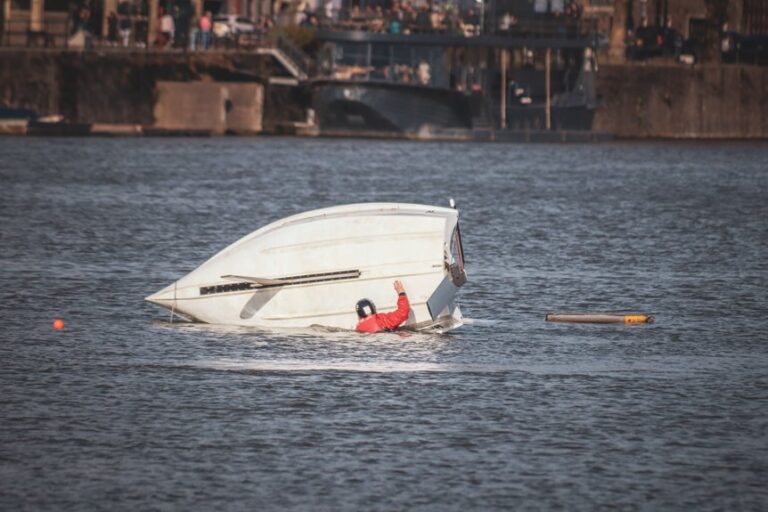
Should someone plunge into a river or stream, act fast but stay calm, because your clear reasoning can help them most.
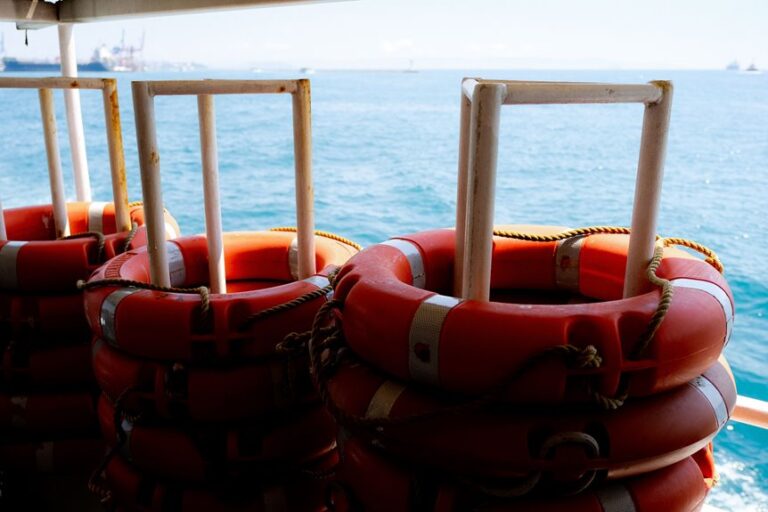
To begin, call out to them so they know you’re there, then point to the shore and tell them to float on their back provided they can. In case you’re close enough, use throw ropes, a branch, or a long stick to reach them without stepping into the water yourself.
- Keep your feet planted and spread apart.
- Use an emergency whistle to alert others nearby.
- Keep watching their head and body until help arrives.
Afterward, guide the crowd to make space, because too many voices can confuse them. Your steady voice can ease fear, and that calm matters when every second feels heavy.
Pack a River Safety Kit
A small dry bag can make a big difference whenever you’re near moving water. Pack yours with initial aid items, an emergency whistle, and a snacks pack so you’re ready provided plans change fast. Use a waterproof bag for matches, phone, and a map, because wet gear can turn a calm outing into a stressful scramble.
| Item | Why it helps | Where to keep it |
|---|---|---|
| Initial aid | Treat cuts | Top pocket |
| Emergency whistle | Signal for help | Neck strap |
| Snacks pack | Keep energy up | Side pouch |
| Water | Stay hydrated | Center space |
| Waterproof bag | Protect essentials | Main compartment |
Whenever you build this kit, you’re looking out for your group too. That shared care brings confidence, and it helps everyone relax and enjoy the river with less worry.
Frequently Asked Questions
What Should I Do if I Lose My Balance Midstream?
Drop low, spread your arms, and face upstream to steady yourself. If you’re swept, grab a rock or branch, use emergency signaling, and shout for a throw rope. Do not stand until you are stable.
Can Pets Safely Accompany Me Near Fast-Moving Water?
Not always. You’ll keep pets safer with leash training and a snug life jacket fit, but fast water can overwhelm them. Stay close, choose calm edges, and trust your pack’s instincts together.
How Do I Tell if a Riverbank Is Stable Enough?
You’ll know it’s stable whenever the bank feels like a sturdy shared path, not a crumbling edge; check soil composition, vegetation cover, and cracks, and should it slump, you’re better off backing away.
What Clothing Dries Fastest After a Cold-Water Fall?
Synthetic fabrics dry fastest after a cold water fall, especially quick dry layers. You’ll feel more comfortable and stay connected with your group whenever you choose lightweight polyester or nylon instead of cotton.
Are There Apps That Track Sudden River Level Changes?
Yes, you can use apps with real time alerts from sensor networks to track sudden river level changes. You will stay connected, informed, and ready, joining a community that looks out for each other.