

Outdoor workouts that burn the most calories push your muscles, heart, and lungs together. Steep hikes, fast cycling, trail runs, open-water swims, and paddle sports rank high for calorie burn. Terrain, pace, and sustained effort determine how intense a session becomes. Low-impact options like swimming and paddling spare joints while still raising energy expenditure. You don’t need elite fitness to get meaningful calorie burn; consistent effort and progressive challenge do the trick.
Which Outdoor Activities Burn the Most Calories?
Assuming you want to make your outdoor time count, some activities will help you burn far more calories than others. You’ll usually get the biggest payoff from hiking steep trails, trail running, and cycling at a steady pace.
Should you like a stronger challenge, rowing on water or playing soccer outdoors can keep your body moving hard and fast. In cold weather, brisk snowshoeing or cross-country skiing can also turn a simple outing into a real workout.
Were you to prefer city scenes, urban exploration on foot, with stairs, hills, and longer routes, can add up quickly too. The best choice is the one you’ll keep doing with your people, because sticking with it matters more than chasing the perfect sweat.
What Makes Outdoor Workouts Burn More Calories?
What makes an outdoor workout burn more calories is a mix of effort, terrain, weather, and how much of your body has to work at once.
Whenever you push harder, your muscles ask for more energy, and your heart keeps up with the demand. Uneven ground also makes you steady yourself, so you use more small muscles without even considering it.
Then temperature effects can raise the challenge, because your body works to stay comfortable in heat or cold. Should you train in a group, that extra push can help you stay moving longer. Altitude training can also raise the burn, since thinner air makes each breath count more.
Together, these factors make your outdoor session feel tougher and more rewarding.
Hiking Steep Trails for Big Calorie Burn
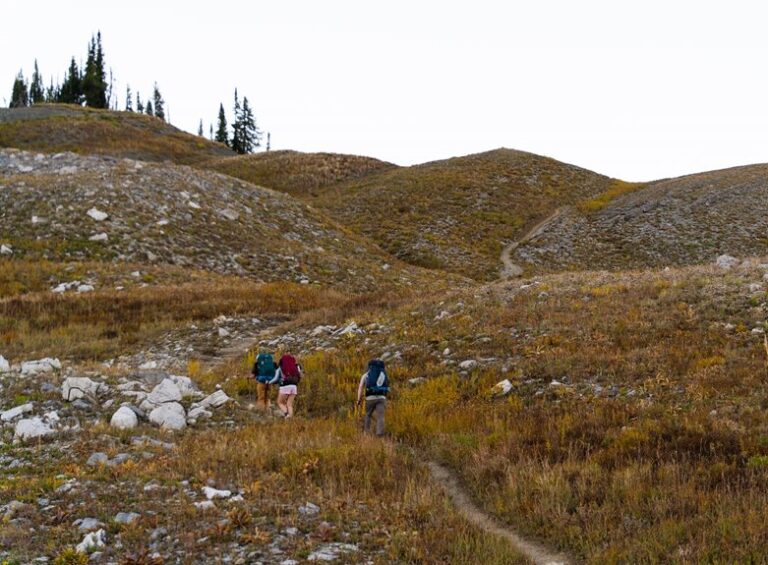
Hiking steep trails can turn a simple walk into a serious calorie burner, because your body has to work much harder to move uphill with every step. You’ll feel Steep ascents in your legs, lungs, and core, and that effort adds up fast.
To stay comfortable and keep going, focus on Gear selection that supports you well. Choose sturdy shoes with grip, a pack that fits close, and layers that breathe whenever you heat up. Then pace yourself, drink often, and take short breaks whenever your breathing gets heavy.
These trails don’t just challenge your strength; they help you feel capable, steady, and part of a trail crew that knows uphill work pays off.
Running Outdoors for Maximum Calorie Burn
Running outdoors can give you one of the biggest calorie burns you can get from a simple workout, because your body has to handle your full weight while also pushing against wind, hills, uneven ground, and changing pace.
You don’t need a fancy plan to feel strong and welcome in your own run. Start easy, then build speed in small bursts.
- Use trail sprinting to wake up your legs and lift your heart rate fast.
- Add hill repeats whenever you want more effort without running longer.
- Keep your arms relaxed and your steps quick so you stay smooth and steady.
As you mix these efforts, you’ll burn more energy and feel like you belong with every mile, every breath, and every small win.
Cycling Fast Roads and Hard Climbs
Whenever you want a big calorie burn without spending all day on the bike, fast roads and hard climbs can give you exactly that. You push harder, breathe deeper, and feel your legs wake up rapidly.
On smooth roads, aero positioning helps you cut wind and keep your pace strong with less wasted effort. Once the route tilts upward, your body works even more, and every pedal stroke asks for power. Stay steady, shift promptly, and keep your cadence comfortable so you can hold on longer.
Good gear maintenance matters too, because clean chains, tuned brakes, and proper tire pressure help you ride safely and efficiently. In case you enjoy feeling challenged and supported, this style of cycling fits right in. It’s tough, rewarding, and never boring.
Open-Water Swimming for Calorie Burn
Open-water swimming can burn a lot of calories because your whole body has to work against moving water, changing waves, and cooler temperatures.
You also stay alert, which adds to the effort and keeps you engaged with the group around you.
- Check open water safety before you enter. Pick a spot with lifeguards, clear markers, and a buddy who knows your route.
- Choose wetsuit selection carefully. A snug suit helps you stay warm, move well, and feel confident in shared water.
- Keep your pace steady. Smooth strokes help you last longer, and that longer session can raise calorie burn.
If you’re new, start short and build trust in your skills.
With each swim, you’ll feel stronger, calmer, and more connected to the water.
Rowing and Paddling for More Calories
Should swimming leaves you wanting a little more variety, rowing and paddling can give your body the same kind of full effort with a fresh feel. Whenever you sit low and pull or stroke, you ask your legs, back, arms, and belly to work together. That teamwork increases calorie burn fast.
Keep your Core technique steady so you don’t waste energy twisting or slouching. Then watch your Stroke cadence, because a smooth, steady pace often helps you stay strong longer than a rushed one. You’ll feel challenged, but you won’t feel alone.
These sports also fit well with friends, and that shared rhythm can make hard work feel a little easier. With each pull, you build power, balance, and confidence on the water.
Cross-Country Skiing and Snow Sports
- Your legs drive every stride and keep your heart rate high.
- Your arms and core join in, so you burn more calories than you could anticipate.
- Your balance and control grow as you learn the snow under you.
When you dress warmly and trust your pace, the cold feels less harsh. You don’t need perfection. You just need steady motion, a good path, and the shared joy of moving through winter.
Team Sports That Burn Serious Calories
Once the game gets fast, your body has no time to coast. In team sports, you push, sprint, cut, and jump with your crew beside you. That shared drive helps you stay locked in, even as match intensity climbs and your legs start to burn.
During team drills, you keep moving, and those quick bursts can raise your heart rate fast. Sports like soccer, basketball, rugby, and hockey ask for nonstop action, so you rarely get a true break. You also react, defend, and chase the ball or puck again and again. That mix of speed and effort can burn serious calories while still feeling fun.
Whenever you play with others, you’re not just exercising. You’re joining a group, building trust, and sweating toward the same goal.
How Terrain Affects Calorie Burn
Hiking on a steep trail can make the same mile feel a lot harder, and that’s because terrain changes how much work your body has to do.
Whenever you move uphill, your legs push against elevation gains, so you use more energy with every step.
On loose dirt or sand, your muscles work harder to stay steady, and surface traction drops fast.
As you move over uneven rocks, your core joins the effort, and that extra balance work raises calorie burn too.
- Steep climbs increase effort quickly.
- Soft ground makes each step sink.
- Rough paths keep you active longer.
Best Outdoor Activities for Weight Loss
In case you want to lose weight outside, pick activities that keep your heart rate high and your body moving, like trail running, mountain biking, or rowing on open water.
You can also burn a lot of calories with expedition sports such as hiking steep trails, kayaking, and rock climbing, since they challenge your muscles and stamina at the same time.
The best choice is the one you’ll actually enjoy, because that makes it easier to stay consistent and keep showing up for yourself.
High-Calorie Outdoor Exercises
At the time you want to burn a lot of calories outdoors, the best activities are the ones that keep your whole body moving and your heart pumping. You don’t need to feel fit initially; you just need to start.
- HIIT circuits push you through fast bursts of jumping, squats, and push-ups, so you work hard in less time.
- Stair sprints challenge your legs and lungs, and each climb helps you build power while torching energy.
- Hill runs or brisk intervals add variety, which keeps you interested and helps you stay with the group.
When you mix these moves, you’ll feel stronger, and you’ll belong to a pace that matches your goals. Choose a spot outside, bring your grit, and let your body do the rest.
Fat-Burning Adventure Sports
Excursion sports can turn a regular day outside into a serious calorie burn, and they often feel more exciting than a plain workout. Whenever you join exploration racing, you get running, biking, and paddling in one fast-paced challenge, so your whole body stays busy and your energy use climbs.
Then mountain bouldering adds powerful climbing moves that work your arms, core, and legs at the same time. You’ll also build balance, grit, and the happy feeling that comes from pushing through hard moments with others beside you. In case you like being part of an active crowd, these sports make it easier to stay motivated.
Start with a local group, bring water, and choose routes that match your level so you can enjoy the burn safely.
Outdoor Workouts for Beginners
You can start with easy walking routines that get your body moving without feeling overwhelming.
Then you can try low-impact trail workouts, which add fresh scenery and a little extra challenge while still staying gentle on your joints.
Once you feel ready, beginner interval sessions can help you burn more calories by mixing short bursts of effort with simple recovery breaks.
Easy Walking Routines
Start with a simple walk, and let your body ease into movement without pressure or stress.
You’re not racing anyone here.
You’re building comfort, one step at a time, with easy walking routines that fit your day and mood.
- Pick a steady path and walk for 10 minutes.
- Use posture tips: stand tall, relax your shoulders, and look ahead.
- Try cadence drills by taking shorter, quicker steps for 30 seconds, then return to your normal pace.
As you repeat these walks, your legs wake up, your breathing settles, and your confidence grows.
Should you miss a day, that’s okay.
You still belong in the group that keeps going.
Keep your pace friendly, your mind calm, and your routine simple so walking feels like something you want, not something you have to force.
Low-Impact Trail Workouts
Low-impact trail workouts give you a gentle way to move your body while you enjoy fresh air, steady ground, and a change of scenery that can lift your mood.
You can start with a short loop and keep your pace easy so you feel included, not rushed. Choose shoes with grip, then let your steps stay smooth on dirt or packed paths.
As the trail rises, a gentle uphill lets you build strength without pounding your joints. Should you want extra balance, try Nordic walking poles and let them guide your rhythm.
You can also pause to breathe, look around, and connect with others on the trail. With each calm outing, you’ll feel stronger, steadier, and more confident.
Beginner Interval Sessions
Breathing a little faster is part of the fun with beginner interval sessions, because they let you work hard in short bursts without feeling swamped. You can join the pace, even should you be new, and still feel like you belong on the path. Start with gentle Interval pacing: walk fast for one minute, then recover for two. That simple rhythm builds trust in your body.
- Try Tabata walks on a flat trail.
- Keep your shoulders loose and your steps light.
- Breathe in through your nose whenever possible.
Then repeat your set three or four times, and notice how each round feels a bit easier. In case you’re tired, slow down and stay with the group. Your effort still counts, and that matters.
How to Track Calories Burned Accurately
Getting a true image of calories burned can feel tricky, but it gets much easier once you use the right tools and methods. You can start with a good wearable, but trust its wearable accuracy as a guide, not a promise. Your pace, hills, heat, and rest breaks all change the number.
That’s because metabolic variability means your body might burn more or less than your friend’s body during the same hike or run. So, pair your tracker with time, distance, heart rate, and how hard you felt the effort. Then compare those details after each outing.
Should the numbers look close, you’re on track. Were they not, stay calm. You’re not doing it wrong. You’re just learning your body’s pattern, and that helps you belong in your own progress.
How to Pick the Best Outdoor Workout
Now that you know how to estimate calories burned with more confidence, you can use that information to choose an outdoor workout that fits your body and your goals. Pick what feels right, not just what looks hardest, because you’ll stick with the plan when it feels like your crowd.
- Match the workout to your energy. Should you want a steady burn, try brisk walking or hiking. Should you want a bigger challenge, go for trail running or cycling.
- Check gear selection promptly. Good shoes, weather-ready layers, and water can keep you comfy and safe.
- Consider time preferences. Should mornings calm you, train then. Should evenings fit better, choose that slot.
When you line up effort, comfort, and timing, you make space for a routine that feels like yours.
Frequently Asked Questions
How Does Weather Change Calorie Burn During Outdoor Exercise?
How does weather affect calorie burn during outdoor exercise?
Weather affects calorie burn by making your body work harder to regulate temperature in cold exposure and heat acclimation. You can burn more calories as your body maintains its core temperature, but you should pace yourself and prioritize safety.
Can Outdoor Activities Improve Mental Health While Burning Calories?
Yes, you can feel your mind lift like dawn clearing fog as you walk, bike, or hike outside. You will burn calories, enhance mood regulation, and build social connection, helping you feel seen, steady, and included.
Which Outdoor Activities Are Safest for People With Joint Pain?
You’ll usually do best with low impact hiking and aquatic aerobics, since they are gentle on joints and still let you stay active with others. Choose supportive shoes, pace yourself, and join a welcoming group.
Do You Burn More Calories Exercising Alone or With Others?
You usually burn more with others, because social motivation and group interactions can push you harder, like a lantern drawing you forward. You will belong, keep pace, and often stay longer, enhancing calories.
How Often Should Outdoor Workouts Be Done for Best Results?
You should do outdoor workouts 3 to 5 times weekly for best results. Keep a consistent frequency, then add progressive overload gradually. You will build fitness, stay motivated, and feel part of a supportive routine.