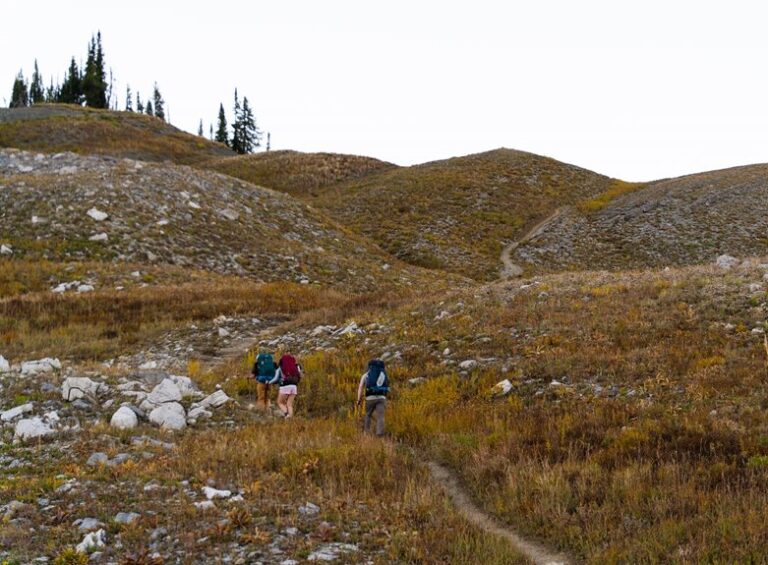


Travel sustainably in outdoor destinations by choosing low-impact routes, packing lightweight and reusable gear, and respecting local communities and habitats. Use public transit, shuttles, biking, or walking instead of extra driving to cut emissions and reduce crowding. Conserve water, bring refillable containers, and manage food and waste with reusable containers and proper disposal. Select durable, multi-use gear to lower resource use and limit single-use plastics. Small, consistent choices save money, protect wild places, and make outdoor trips cleaner and more enjoyable.
Why Sustainable Travel Matters Outdoors
As you head outdoors, the way you travel can shape the place you came to enjoy. Whenever you choose mindful travel, you help protect trails, waters, and wildlife that make each trip feel special.
Your choices also support community stewardship, so local people can keep caring for the land they know best. That care matters because healthy outdoor places stay open, welcoming, and safe for everyone who loves them.
You also help cultural preservation by respecting traditions, stories, and sacred spaces tied to the destination. In this way, your visit becomes more than a getaway. It becomes a quiet act of belonging. You show that you value the land, the people, and the shared future that connects you all.
Choose Low-Impact Transportation
Whenever you can, pick public transit to reach outdoor spots, since buses and shuttles can cut traffic and lower pollution.
In case the route is short, walking or biking lets you move at your own pace and feel more connected to the place.
These choices often make your trip simpler too, because you can skip parking stress and enjoy the expedition as much as the destination.
Public Transit Options
Getting around a wild place doesn’t have to mean adding more cars, noise, or stress to the trailhead. You can often lean on buses, park circulators, and rail links that get you close without crowding the road. Whenever you choose public transit, you help keep mountain towns calmer and cleaner, and you usually skip parking drama too.
Look for integrated ticketing, since one pass can connect your train, shuttle, and local bus with less fuss. In remote areas, rural shuttles can bridge the last miles to the trailhead, so you still feel welcome even far from town. Check schedules beforehand, because some routes run less often, but they can still fit your plan and save you money.
Bike And Walk
Biking and walking often give you the closest, calmest way to experience a place, and they cut your impact at the same time. You’ll notice birds, trail signs, and local faces in a way cars miss.
- Choose bike commuting or a shared bike whenever roads feel safe and short.
- Walk between sights, since your feet work well on village paths, park loops, and waterfronts.
- Support pedestrian advocacy by using crosswalks, slow zones, and local walkways that keep everyone safer.
Whenever you move this way, you join a calmer travel crowd that values the land and the people who live there. You also spend less on fuel, parking, and stress, which leaves more room for real connection.
Even a short stroll can turn a busy stop into a memory you’ll keep.
Plan a Lower-Impact Outdoor Trip
A lower-impact outdoor trip starts long before you lace up your shoes or load the car.
To begin, choose places you can reach with the least travel stress, then match your plans to the season, trail rules, and local limits. Whenever you book nearby stays, you support community engagement and keep your visit closer to home. You also get more time for cultural immersion, since you can slow down, talk with locals, and notice what makes the place feel alive.
Next, build one clear plan instead of chasing too many stops. That helps you waste less fuel and energy. Also, leave room for weather changes, so you won’t rush or need last-minute detours. Small choices like these help you travel with care and feel welcome, too.
Pack Reusable Gear and Refills
Reusable gear can quietly make your trip easier and lighter on the land. Whenever you pack smart, you join a crowd of travelers who care about the same trails, rivers, and campsites you do. Bring a bottle, a mug, and containers that you can wash and use again.
- Use refill stations for water, soap, or snacks whenever you find them.
- Carry bamboo utensils so you can skip single-use cutlery at picnics or takeout stops.
- Refill soaps and lotions in small bottles before you leave home.
These simple choices help you settle in anywhere with less hassle. You’ll feel ready for shared meals, quick breaks, and long days outside. And honestly, it’s nice realizing your kit works with the place, not against it.
Travel Light to Cut Waste
Once you pare down what you pack, the whole trip tends to feel calmer and easier to manage. You don’t need a heavy bag to feel ready. Build a minimal wardrobe with pieces that mix, dry fast, and handle weather shifts. Then choose ultralight cookware that covers the meals you actually plan to make, not every perhaps.
You’ll move faster, find things sooner, and avoid stuffing your pack with extras that never earn their keep. That lighter setup also helps you make smarter choices at the store, because you buy only what fits your plan. Whenever you travel with less, you join the kind of traveler who keeps things simple, practical, and kind to the places you love.
Follow Leave No Trace Basics
Whenever you follow Leave No Trace basics, you help keep wild places clean and safe for everyone.
Pack out all your waste, even the tiny bits like wrappers or food scraps, so nothing gets left behind.
Also, stay on durable surfaces and keep a respectful distance from wildlife, since a little space protects both you and the animals.
Pack Out All Waste
Beside every beautiful trail, campsite, or overlook, there’s one simple habit that helps keep nature clean: pack out all waste. Whenever you carry your own trash home, you help the whole outdoor community feel welcome and cared for. Start with a quick check before you leave.
- Use trash audits to spot wrappers, food scraps, and tiny bits of litter.
- Keep a small bag handy so you can sort waste as you go.
- Add waste education to your group plans so everyone knows what leaves with you.
Next, consider beyond your own snack pack. Ask your friends to do the same, and remind new hikers with kindness. As you model this habit, you protect the place and show others they belong there too.
Stay On Durable Surfaces
After you pack out your trash, the next step is to protect the ground under your feet. Whenever you stay on durable surfaces, you help keep the path strong for everyone in the group. Follow established trails, rock, gravel, and dry grass instead of cutting switchbacks or wandering through soft soil. That small choice lowers trail erosion and keeps boots from carving deep ruts.
| Surface | Best Use | Why It Helps |
|---|---|---|
| Trail | Foot travel | Limits spread |
| Rock | Rest spots | Resists damage |
| Gravel | Camp edges | Stays firm |
| Dry grass | Short crossings | Recovers faster |
| Existing sites | campsite rotation | Reduces wear |
If the ground is muddy, wait or choose a tougher route. You’re helping the whole outdoor community stay welcome, clean, and ready for the next outing.
Respect Wildlife Distance
Wildlife makes every outdoor trip feel alive, but keeping your distance helps those animals stay calm and safe. Whenever you travel with care, you protect the wild space everyone came to enjoy.
- Maintain distance so animals don’t feel trapped or threatened.
- Observe quietly and let your eyes do the work, not your feet.
- Should an animal change behavior, step back right away.
Stay on the trail, and use binoculars or a zoom lens whenever you want a closer look. That way, you can share the moment without interrupting it. Also, keep food sealed, because scent can pull animals toward you fast. Whenever you act this way, you help the whole group of travelers belong in nature, not disturb it.
Respect Wildlife and Habitats
Whenever you step into a wild place, your visit matters more than you may suppose. You help protect the home that animals need whenever you stay on marked paths, keep noise low, and never feed them. That simple care lets wildlife act naturally, and it helps you feel like part of the place instead of a stranger in it.
Your choices also shape the ground beneath your feet. Whenever you avoid trampling plants, moving rocks, or picking flowers, you support habitat restoration without even trying. Should you enjoy wildlife photography, use a zoom lens and wait patiently so you can capture the moment without crowding nests or dens. Small acts like these build trust between you and the land, and they make every shared trail safer for everyone.
Choose Eco-Friendly Stays
A good trip starts with where you lay your head, so choose stays that treat the land with care. Whenever you book, look for green certifications and places that cut waste with real action, not vague promises. Then you can settle in appreciating your rest helps the place stay beautiful for others too.
- Pick tiny eco lodges that use less energy and water.
- Check for refill stations, solar power, and thoughtful recycling.
- Read reviews for honest signs that the stay walks its talk.
These choices help you feel part of a wider group of travelers who care. And that feeling matters, because comfort gets better once it matches your values. You’re not just sleeping there. You’re joining a kinder way to roam.
Support Local Guides and Businesses
Local know-how can turn a good trip into a richer one, so support guides and businesses that live with the place year-round. Whenever you hire a local guide, you get real stories, safer routes, and a warmer welcome.
You also keep money in the community, which helps shops, cafes, and outfitters grow with pridefulness. Look for community partnerships that share income fairly and respect the land. Ask questions about skill training, because trained locals can lead tours, fix gear, and teach visitors with confidence.
Then choose family-run places, buy local snacks, and book lessons from residents who know the trails best. Small choices like these help you feel less like a passerby and more like part of the place.
Save Water and Energy on the Road
The same care you give to local people and places can also show up in how you use water and power on the road. Whenever you pack light and stay mindful, you help small destinations breathe easier.
Start with efficient showers at campsites or lodges, and turn off the tap while you soap up. Then keep a reusable bottle handy so you’re not asking for extra cleanups.
- Choose lodgings that use low-flow fixtures.
- Unplug chargers and lights when you leave.
- Use solar chargers to top off your phone or headlamp in daylight.
These small habits fit right into a shared travel spirit, where everyone protects the trail together. And whenever you save a little power, you often save stress too.
Reduce Food Waste While Traveling
You can cut food waste on the road by planning your meals ahead, so you buy and pack only what you’ll actually eat.
Once you map out snacks and meals before you leave, you save money and avoid tossing half-used food later.
Reusable containers make it easy to store leftovers safely, and they help you keep your trip cleaner and simpler too.
Plan Meals Ahead
A little meal planning can save a lot of stress whenever you’re far from home and trying to travel lightly. You’ll feel more relaxed once you map out simple breakfasts, lunches, and trail snacks before you leave.
Start with:
- Check local seasonal sourcing so you can enjoy fresh foods that fit the area.
- Use portion planning to match your appetite, so you don’t buy more than you’ll eat.
- Build meals around a few flexible ingredients that work across the day.
This helps you join the rhythm of the place instead of fighting it. Whenever you plan ahead, you waste less food, spend less time guessing, and keep your energy steady for the trail. A little prep also makes it easier to share a meal and feel like part of the outdoor community.
Pack Reusable Containers
Packing reusable containers can make your trip feel calmer from the start, because you’ll have a simple way to store leftovers, snacks, and picnic meals without relying on throwaway packaging.
You can slip a few sizes into your bag, and they’ll help you keep food fresh on the trail, at camp, or in the car. Silicone pouches work well for sauces, trail mix, and cut fruit, while sturdy boxes protect sandwiches and grains.
Whenever you stop near refill stations, you can top off drinks and skip extra bottles too. That small habit helps you fit in with other travelers who care about the place they’re visiting.
Plus, you’ll waste less food, save money, and feel more prepared. It’s a quiet win that travels with you.
Handle Trash and Recycling Correctly
Even on the most beautiful trail, trash can pile up fast provided everyone leaves a little behind, so it helps to plan for what you’ll carry out before you even start.
Whenever you sort waste, you protect the place and help your group feel like good guests. Keep food scraps, cans, and paper separate, and check signs for proper sorting. In case bins are missing or confusing, hold onto it until you find the right spot.
- Pack out what you brought in.
- Rinse recyclables lightly when you can.
- Use community drop offs for items the trail can’t handle.
That small effort keeps shared spaces cleaner and makes it easier for everyone to belong out there.
Pick Sustainable Activities and Tours
With your waste packed out, you can look at the next choice that shapes your trip: what you actually do once you get there. Pick operators who respect trails, wildlife, and local people, because your time should help the place feel stronger, not busier.
Look for community based excursions that hire local guides, serve local food, and keep money close to home. Then choose small groups, since quieter trips usually leave less stress on the land and on you. Should you want to give more than you take, try Conservation volunteering with clear rules and trained leaders. You can also ask how they handle permits, wages, and animal care. As you choose well, you join a better kind of crowd, and that feels good.
Frequently Asked Questions
How Can I Offset Travel Emissions Responsibly?
Choose verified carbon offsets, support community projects, and reduce your flights. You will belong to a group that values real impact: track emissions, buy only certified credits, and favor local, transparent initiatives.
What Certifications Prove a Tour Operator Is Truly Sustainable?
B Corp and Green Key can help, but you will want more: look for third party audits, transparent reporting, local hiring, and community partnerships. You will feel confident choosing operators whose sustainability claims actually stand up.
Are Digital Maps Better Than Paper Maps for Eco-Travel?
Digital maps can be better for eco travel, but you’ll weigh battery drain and signal dependence against paper’s reliability. You’ll belong to a smarter, lighter travel community whenever you choose what fits your route and habits.
How Do I Find Climate-Friendly Outdoor Destinations?
You can find climate friendly outdoor destinations by choosing places with local seasons that fit your trip and by supporting community led projects; you will feel welcomed, connected, and responsible while exploring nature with care and purpose.
Can I Travel Sustainably on a Tight Budget?
Yes, you can. If you’re budgeting like a student in Patagonia, choose local volunteering and camping options such as hostels or farm stays. You will cut costs, support communities, and still feel part of the trek.