

Bicycle back racks make a bike far more useful, whether you commute with a laptop bag, run errands after work, or head out for a weekend tour. The right rack changes how your bike carries weight, how steady it feels under load, and how much gear you can bring without juggling a backpack. Some are built for simple trunk bags, others are made for heavier cargo and wider platforms.
Quick Look at the Shortlist

ThreeH Bicycle Rear Rack Adjustable Aluminum Alloy Bike Rack

Lumintrail Bike Cargo Rack, Seatpost Mounted Bicycle Luggage Carrier

Bike Cargo Rack w/Bungee Cargo Net & Reflective Logo Universal Adjustable Bicycle Rear Luggage Touring Carrier Racks
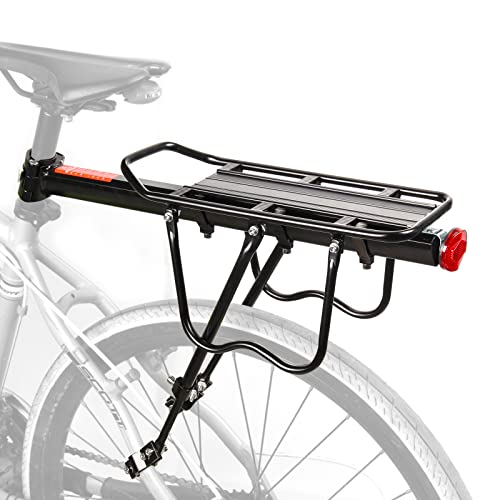
HOMEE Rear Bike Rack, Bike Cargo Racks Frame Aluminum Alloy

Rear Bike Rack, Bike Cargo Rack w/Fender & Large Size Reflective

ROCKBROS Rear Bike Rack Quick Release Bike Cargo Rack

Rear Bike Rack with Basket, 165 LB Load
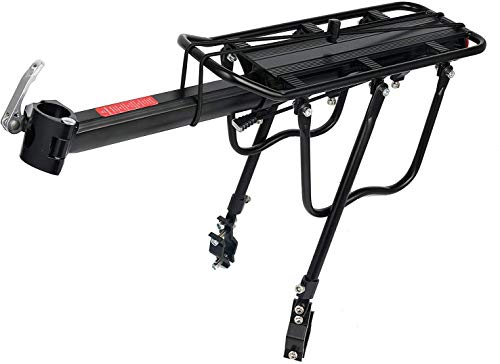
Amarine Made Bike Rear Rack 110 Lbs Capacity Aluminum Alloy or Iron Bicycle Rear Rack
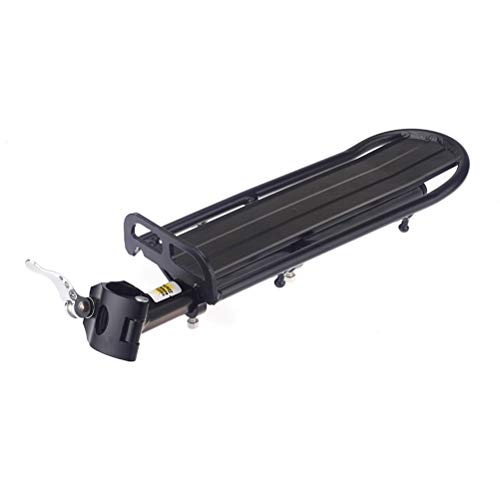
UPANBIKE Bike Rack Bicycle Cargo Rack Quick Release Lever Mounted on Seat

CXWXC Rear Bike Rack, Bike Cargo Rack for Disc Brake Mount
More Details On Our Top Picks
ThreeH keeps the shape straightforward, with an aluminum-alloy build, a reflector, and a quick-release setup that suits everyday hauling without much drama. The fit range covers seat post diameters under 32 mm, so you may find it most at home on standard road, mountain, or fat bikes rather than folding frames or bikes with rear suspension.
The 110 lb capacity gives it real carry room for commutes, school runs, and market trips, though the final comfort level still depends on how your bike handles weight at the back. Compared with the lighter Lumintrail pick, this one is built for more serious cargo, while the CXWXC rack offers a more brake-specific path for riders who need that mount style.
Strong Points
- Aluminum alloy keeps weight sensible for regular use.
- 110 lb rating supports heavier bags and loads.
- Quick-release hardware makes removal less of a hassle.
- Reflector adds a useful visibility cue for street riding.
- Works across several common bike styles.
Points To Note
- Seat post sizing matters, so measuring first helps.
- Folding bikes and suspension frames are outside its fit.
- Heavy rear loads can change handling on smaller bikes.
Feature Snapshot
Who It Suits Best
Daily commuters and errand riders who want a sturdy rear carrier with a clean, simple layout will get the most from this one.
A Better Fit Elsewhere
Choose the ROCKBROS Rear Bike Rack if your rides lean toward commute duty and you want a more steel-forward, side-protected setup.
Seatpost-mounted racks like this Lumintrail model make sense for lighter errands, especially on bikes where a full rear carrier feels like overkill. The spring clamp arm helps hold trunk bags in place, and the standard-angle layout keeps the design simple for short city rides.
Its 20 lb weight limit is modest, so it suits lunch bags, a small backpack, or a compact grocery run rather than heavier touring loads. Compared with the ThreeH rack, this one is far more about convenience than muscle, and the ANGGOER pick makes more sense once your cargo grows beyond light daily carry.
What We Like
- Seatpost mounting keeps the profile compact.
- Spring clamp arm helps steady trunk bags.
- Simple layout suits short trips and errands.
- Lower cargo height can feel handy for loading.
Minor Gripes
- 20 lb capacity limits heavier haul use.
- Seatpost mounting can feel less substantial than frame-mounted racks.
- Best suited to small cargo, not bulky weekend gear.
Details At A Glance
Made For
Urban commuters carrying lighter bags on short rides will find this a tidy, low-fuss setup.
Where A Sibling Pick Shines
The HOMEE Rear Bike Rack fits better for riders who want a more traditional frame-mounted carrier with broader bike compatibility.
This RELIANCER rack leans into touring utility, with a bungee cargo net and a reflective logo that add a little more everyday usefulness than a bare platform. The 26 to 29 inch frame range keeps it relevant for many common bikes, though setup still depends on matching the rack to your frame and brake layout.
The 55 lb capacity sits in a comfortable middle ground for groceries, panniers, and travel gear, which makes it a useful step up from Lumintrail without jumping all the way to the heavy-haul ANGGOER rack. The honest read is that it fits riders who want one rack for mixed-duty use, not a stripped-down minimalist setup.
Best Bits
- Bungee net gives your load a little extra hold.
- Reflective logo adds a useful visibility cue.
- 55 lb capacity covers many day-to-day hauling jobs.
- Adjustable design suits common city and trail bikes.
- Good middle-ground choice for mixed cargo needs.
Room For Improvement
- Frame and brake fit still need a careful check.
- Cargo net adds convenience, but not full enclosure.
- Touring riders with heavy kit may want a larger platform.
Core Details
Right Fit For
Riders who split time between commuting, light touring, and grocery runs will get the best balance from this one.
A Better Fit Elsewhere
The ThreeH Bicycle Rear Rack suits you better if heavier loads matter more than the added cargo net extras.
HOMEE takes the familiar frame-mounted route, and that usually helps with stability compared with lighter seatpost-only designs. The included tools are useful for riders who want less scavenging around the garage, while the reflector adds a small but practical visibility touch.
Its 26 to 29 inch compatibility keeps it in the same general zone as the RELIANCER rack, but this one leans more toward a classic rear-carrier setup than bundled accessories. For city commuting and weekend errands, that plain approach often works just fine, though suspension bikes sit outside the intended fit.
Upsides
- Frame-mounted structure tends to feel secure in use.
- Universal adjustability suits several common bike sizes.
- Included tools make setup a little easier.
- Reflector offers a useful low-light detail.
Small Caveats
- Not meant for suspension bikes.
- Plain rack format may feel basic next to more accessory-heavy options.
- Fit still depends on correct setup and alignment.
Feature Card
The Right Fit
You suit this rack well if you want a straightforward rear carrier for a standard non-suspension bike.
Skip It When
The Amarine Made Bike Rear Rack makes more sense for riders who want extra brake compatibility and higher stated load capacity.
YONTUO gives this rack a more weather-aware feel by pairing a rear carrier with a fender and a large reflective element. That combination matters on wet streets, where splash control and visibility are part of the daily routine rather than bonus features.
The quick-release approach keeps it closer to the convenience side of the category, and the universal angle makes it easier to imagine on a road bike or a mountain bike used for errands. Compared with the HOMEE rack, this one offers a more thoughtful set of accessories, while the ANGGOER model is the bigger step up for sheer cargo capacity.
Highlights
- Built-in fender adds useful splash control.
- Large reflective element helps with visibility.
- Quick-release style suits riders who remove racks often.
- Universal layout broadens the fit appeal.
Areas To Watch
- Accessory-heavy design still needs a clean installation.
- Extra parts can mean a little more upkeep.
- Heavy hauling riders may want a larger platform.
Spec Overview
Whose Shelf It Belongs On
Commuters who ride in mixed weather and want one rack with a little extra practical polish will appreciate this setup.
Another Choice May Suit
The ROCKBROS Rear Bike Rack is the cleaner fit for riders who prefer a more workmanlike cargo rack without the added fender focus.
ROCKBROS has the kind of straightforward cargo-rack setup that suits commuting, grocery runs, and occasional touring without asking for much attention. The aluminum-alloy frame, stainless steel screws, side protection, and red reflector point to a practical design that tries to keep cargo stable and the rack itself durable in regular use.
Its 55 lb capacity puts it in the same working range as the RELIANCER option, though the more utilitarian styling may appeal to riders who want function first. The honest read is that it feels especially sensible for everyday use, although setup takes more care than the smallest seatpost racks.
What We Like
- Aluminum alloy keeps the rack from feeling overly heavy.
- Stainless steel screws support a sturdier hardware feel.
- Side protection helps guide cargo and pannier bags.
- Red reflector adds a useful visibility detail.
- 55 lb limit works well for daily hauling jobs.
Worth Noting
- Proper installation matters for stable carrying.
- Works best when you want a functional look over extras.
- Rack height and fit can take a little adjustment.
Technical Sheet
Built With In Mind
You fit this rack well if your bike sees weekday commuting, shopping runs, or light travel duty.
Look Elsewhere When
The ANGGOER Rear Bike Rack with Basket works better for riders who need a much larger load platform.
ANGGOER sits at the heavy-cargo end of this list, and the basket-style format makes that intent obvious. The included bungee cord, waterproof cover, and installation tool help round out the package for riders who carry bulkier loads or leave bikes parked in changing weather.
The 165 lb load rating is far beyond the lighter racks here, so this pick makes sense for hauling more than just a lunch bag or laptop sleeve. Depending on your bike’s geometry, that extra capacity can feel like the difference between a helper and a workhorse, though the fit restrictions mean it’s not for folding, e-bikes, or suspension designs.
Reasons To Buy
- Basket-style format gives you a larger carry zone.
- 165 lb rating suits heavier cargo needs.
- Bungee cord helps secure awkward items.
- Waterproof cover adds useful weather coverage for stored gear.
- Installation tool is included in the package.
Soft Spots
- Fit exclusions are broad, so checking bike type matters.
- Larger cargo setups can add noticeable weight to the bike.
- Basket-style carriers take more storage room when not mounted.
Feature Rundown
Perfect Match For
Riders who haul large grocery loads or carry heavier daily cargo will get the strongest use from this rack.
Reach For A Different Pick When
The ThreeH Bicycle Rear Rack is the easier match for standard commuting and lighter, less bulky cargo.
Amarine Made gives you a more flexible material path than most racks here, with aluminum alloy or iron in the build and quick release hardware for easier handling. That mix matters if your bike setup changes from season to season or you want a rack that works across different frame and brake combinations.
The shelf dimensions are useful to know because they hint at how much flat support you get for panniers or strapped cargo, and the 110 lb rating makes this a serious step up from lighter seatpost racks. Compared with the ThreeH model, it brings a similarly strong load ceiling but a broader hardware story for riders who like options.
Plus Points
- Aluminum alloy or iron build gives material flexibility.
- Quick release helps with installation and removal.
- Works with V-brake and disc brake bikes.
- 110 lb rating suits heavier everyday cargo.
- Listed shelf dimensions help you judge carry space.
Areas To Watch
- Installation detail matters to reach the stated capacity.
- Material options can mean more decision work up front.
- Larger frame support may feel oversized for very light errands.
Feature Rundown
Who Will Love This
You fit this rack best if you want a stronger-capacity carrier that still leaves room for setup flexibility.
Swap It Out When
The Lumintrail Bike Cargo Rack suits smaller, lighter loads more neatly, especially on compact city bikes.
UPANBIKE is the tidy, seat-mounted option in this lineup, and the retractable format helps keep the rack visually and physically lighter than the frame-mounted models. For riders with smaller garages, tighter storage space, or a bike that already feels crowded with accessories, that simpler footprint matters.
The quick-release lever makes it easier to take on and off than many fixed racks, though the trade-off is that you should think carefully about how much weight you plan to carry. Compared with the ROCKBROS rack, this one leans more toward compact convenience than everyday cargo duty.
Bright Spots
- Retractable design keeps the setup compact.
- Seat-mounted style can suit tighter bike layouts.
- Quick-release lever helps with removal.
- Aluminum alloy construction keeps things light enough for regular handling.
Things To Consider
- Seat-mounted racks usually suit lighter jobs.
- Smaller profile means less room for bulky cargo.
- May feel less substantial than full frame-mounted carriers.
Core Details
Best Suited To
Apartment dwellers and short-hop commuters who want a small, removable rear carrier will appreciate this format.
Another Choice May Suit
The HOMEE Rear Bike Rack is the better match for riders who want a more traditional frame-mounted platform with broader support.
CXWXC stands out for riders who need a rack that can work across disc brake and non-disc brake mounts, which makes compatibility easier to sort out on more modern bikes. The 26 to 29 inch and 700c fit range keeps it useful for a broad spread of touring and commuting frames.
That kind of flexibility is valuable when you want one rack to cover a few bike setups instead of shopping by brake style first. Compared with the Amarine Made rack, this one is more about mount versatility than raw load details, and it makes a sensible finishing point for riders building a touring-ready setup.
Positives
- Works with disc brake and non-disc brake mounts.
- Fits 26 to 29 inch and 700c bikes.
- Touring carrier format suits longer rides.
- Broad compatibility helps simplify rack selection.
Honest Caveats
- Compatibility still depends on the exact bike frame.
- Touring fit can take a little more setup attention.
- Mount flexibility matters most if your bike uses those brake types.
Details At A Glance
The Right Fit
You suit this rack if your bike setup needs brake-aware compatibility and you want a touring-friendly rear carrier.
Where Shoppers Go Wrong
The Lumintrail Bike Cargo Rack is a better match for lighter cargo and a simpler seatpost-mounted setup.
How To Choose The Right Bicycle Back Racks
Mount Style Sets The Tone
Seatpost-mounted racks suit lighter errands and compact bikes, while frame-mounted racks usually feel steadier for regular cargo. That difference matters more than most specs on the page, because your bike’s rear triangle and seatpost shape decide how cleanly the rack sits.
Compatibility should always come first. A rack built for 26 to 29 inch frames, 700c wheels, or disc-brake mounts sounds flexible, yet your exact bike still needs to match the mounting points and clearances.
Capacity Should Match Real Cargo
A small seatpost rack makes sense for a lunch bag or a light messenger bag. A 55 lb or 110 lb rear carrier works better for groceries, work gear, or weekend packing, and a 165 lb basket-style setup pushes into serious hauling territory.
The trick is staying honest about your routine. A rack rated for more than you ever carry can still be the right call, because extra headroom often means less wobble and fewer packed-tight compromises.
Materials Affect Feel And Maintenance
Aluminum alloy keeps a rack manageable in weight, which helps with install, removal, and everyday handling. Steel or mixed-material designs can feel more rigid, though the trade-off is usually a bit more bulk.
Think about upkeep too. Reflectors, side rails, fenders, and quick-release parts can be useful, but they also give you more to check, tighten, and clean after wet rides.
Small Details Change Daily Use
Cargo nets, clamp arms, and basket-style trays are not just add-ons, they shape how confident the rack feels with loose or awkward loads. A bungee net helps on grocery trips, while side protection helps panniers ride more quietly.
For commuting, those details matter in the same way a good shoulder strap matters on a bag. They do not change the core job, but they make repeated use smoother.
A Quick Reality Check
Common Shopping Slip Ups
The easiest mistake is matching the rack to your cargo before matching it to your bike. A sturdy-looking carrier still fails the job if it does not fit your wheel size, brake setup, or frame shape.
Another common miss is underestimating how much room rear gear takes up. A rack that looks compact in a listing can still interfere with panniers, heel clearance, or a mudguard once it’s on the bike.
The Upgrade Payoff
Higher-tier racks usually earn their keep through stronger materials, broader fit ranges, and better cargo control. That can mean a more secure feeling under load, especially for touring, grocery runs, or daily riding on mixed pavement.
Spending up makes the most sense when your bike carries weight several times a week or when setup flexibility matters. For light, occasional use, a simpler seatpost carrier often makes more sense than a heavy-duty platform.
Frequently Asked Questions
Do rear racks fit every bicycle?
No, fit depends on frame shape, wheel size, brake type, and mounting points. Suspension frames, folding bikes, and some cruiser styles are common exceptions.
What load rating should you look for?
Match the rack to the heaviest load you actually plan to carry. Light errands work well with smaller ratings, while commuting and touring usually benefit from more capacity.
Is aluminum better than steel for a rear rack?
Aluminum usually keeps weight down and feels easier to handle. Steel can feel stiffer, though it often adds bulk.
Do quick-release racks stay secure?
They can, as long as the mounting system is set up correctly and checked regularly. They are handy for riders who remove the rack often.
Should you choose a rack with a fender?
A fender helps on wet roads by reducing splash on the back of the bike and on your cargo. It is especially useful for commuters and year-round riders.
Final Thoughts
A good rear rack turns your bike into a more capable everyday tool, and the right one depends on more than load rating alone. You get the best results by matching the mount style to your frame, the capacity to your routine, and the extras to how you actually ride. The lighter Lumintrail suits simple carry jobs, while the ANGGOER and Amarine Made options step up for heavier or more versatile hauling. Choose the one that fits your bike first, and the rest becomes much easier.