

You’re probably here because moving bikes should feel simpler than planning the trip itself. A good carrier keeps the load steady, protects your vehicle, and saves you from wrestling with awkward straps in a driveway or parking lot.
This roundup leans toward real use, like family outings, weekend trail runs, and e-bike hauling. You’ll see which racks suit hatchbacks, hitch receivers, trunks, and heavier bikes, so you can match the carrier to the way you actually travel.
The Shortlist At A Glance
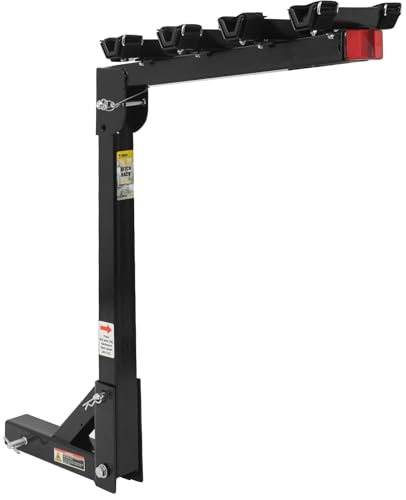
MaxxHaul Hitch Mount 4 Bike Rack 150 lb Capacity Heavy-Duty Swing Down Design (70210)

MaxxHaul Platform Bike Rack for 2 Bikes

Yakima DoubleDown 4-Bike Hitch Mount Rack

Rear Bike Rack, Bike Cargo Rack w/Fender & Large Size Reflective, YONTUO

Saris Bones 3-Bike Trunk Rack Bicycle Carrier

WILDROAD Hitch Bike Rack, Wobble Free Smart Tilting Bike Rack, Foldable 2-Bike Rack

Rear Bike Rack, 310 LB Capacity Solid Bearings Bike Cargo Rack w/Fender & Large Size Reflective, YONTUO

TANX Bike Racks for Ebikes, Fat Tire Bike Rack for Tow Hitch 2-Bike 160 lbs Capacity

Young Electric E-Bike Rack with Ramp, Hitch 2 Bike Rack, 200 lbs Capacity Electric Bike Carrier

Wildroad Hitch Cargo Carrier with Bike Rack 60″ x 24″ x 14″ Folding Trailer Hitch Cargo Carrier
More Details On Our Top Picks
The swing-down design matters most here, because it keeps rear access from turning into a hassle after you’ve loaded the rack. Families with several bikes will appreciate the 150 lb capacity, especially on weekend trips where you want one setup to handle kids’ bikes and adult bikes together.
The honest read is that a four-bike hitch rack needs more care than a smaller tray-style carrier, so tight parking spots may feel less friendly. Still, the safety reflector and broad vehicle fit make this a practical match for SUVs, vans, trucks, and minivans.
What We Like
- Holds four bikes for group outings.
- Swing-down function keeps the rear area reachable.
- Fits a wide range of vehicle types.
- Safety reflector adds a useful visibility cue.
- Useful for households that rotate between errands and trail days.
Things To Consider
- Four-bike racks need more driveway space during loading.
- Heavier setups can feel bulky on compact vehicles.
- Mounting and removal take more effort than a trunk carrier.
Feature Snapshot
Who It Suits Best
Families and small groups who haul several bikes from an SUV, van, truck, or minivan will get the most from this layout.
A Better Fit Elsewhere
MaxxHaul Platform Bike Rack for 2 Bikes suits commuters or couples who want a smaller, easier-to-manage rack with less bulk.
Tray racks like this one suit riders who want the tires supported rather than hanging from the frame. The adjustable tire cradles and foam-padded hooks make sense for repeated use, especially for SUV and truck owners who move bikes often.
Compared with the MaxxHaul 4-bike hitch rack above, this setup is easier to live with for pairs of bikes and takes less vehicle space. The trade-off is obvious, though, since it’s built around two bikes, so larger families will outgrow it fast.
Highlights
- Tray-style layout gives each bike its own support path.
- Foam padding helps soften contact points.
- Adjustable cradles help with different tire setups.
- Works well for regular weekend transport.
Worth Noting
- Two-bike capacity limits group hauling.
- Hitch size compatibility is specific to 2-inch Class III and IV receivers.
- Tray racks usually need careful strap tensioning during setup.
Core Details
Who Will Love This
Couples, solo riders with a spare bike, and SUV owners who want a tidy two-bike setup will get the best fit here.
Swap It Out When
MaxxHaul Hitch Mount 4 Bike Rack 150 lb Capacity Heavy-Duty Swing Down Design (70210) suits larger households that need room for more than two bikes.
This Yakima rack leans into flexibility, because it fits both 2-inch and 1.25-inch receivers. The tilting rear mount also helps you reach the cargo area without fully removing the carrier, which is useful on road trips and busy trailhead days.
Anti-sway cradles and folding arms point to a more settled, organized carry than basic hanging racks. Compared with the MaxxHaul 4-bike hitch rack, it brings a similar family-ready count but with a more refined access pattern, though the folding parts add a bit more handling.
Strong Points
- Fits two common receiver sizes.
- Tilt feature helps preserve cargo access.
- Anti-sway cradles help bikes sit more orderly.
- Folding arms make storage and transport simpler.
- Works for mixed family and recreation use.
Room For Improvement
- Moving parts bring more setup steps.
- Four-bike capacity still asks for careful loading.
- Hanging-style racks can require better strap management than tray systems.
Spec Overview
Best Suited To
Drivers who want a hitch rack with broad receiver compatibility and regular rear access will feel at home with this one.
Where A Sibling Pick Shines
MaxxHaul Platform Bike Rack for 2 Bikes fits smaller households that want a lighter two-bike carry without the extra hardware of a four-bike setup.
Rear racks like this YONTUO model suit people who want more from the back of a bike than a place to strap a bag. The fender and reflective details make it feel better thought out for daily riding, especially on commutes or short touring runs.
It sits in a different lane from the hitch carriers above, since it attaches to the bike itself rather than the vehicle. That makes it useful for riders who need cargo support while already in motion, though it does ask more of the bike’s rear frame and setup.
Reasons To Buy
- Rear cargo support adds utility for commuting.
- Fender can help keep road spray from reaching the load area.
- Reflective detail improves visibility cues in low light.
- Quick-release phrasing suggests easier removal and adjustment.
Points To Note
- Mounts to the bicycle, not a car.
- Rear rack hardware often needs periodic tightening.
- Compatibility depends on the bike’s frame and mounting points.
Details At A Glance
Built With In Mind
Commuters and light touring riders who want rear cargo support on the bike itself will get the most from this layout.
Look Elsewhere When
Saris Bones 3-Bike Trunk Rack Bicycle Carrier fits drivers who need vehicle-based transport rather than a rack attached to the bicycle.
The arc-based frame gives this Saris rack a more distinctive shape than the square-shouldered hitch carriers above. That matters because the design is meant to work over most spoilers while spacing bikes at different levels, which can help cut down on the awkward overlap you get with flatter trunk racks.
For drivers who use a trunk mount and want a clean, proven shape, this one feels especially easy to understand. The 100% recyclable materials and injection-molded arms and legs add another layer of appeal, though trunk racks still need careful vehicle fit checks and strap management.
Best Bits
- Fits most vehicles for broad trunk-rack use.
- Arc layout helps separate the bikes more clearly.
- Works over many spoilers better than flatter frames.
- Anti-sway straps help bikes sit more securely.
- Made in the USA for shoppers who value domestic production.
Softer Spots
- Trunk racks usually demand more strap checking than hitch mounts.
- Three-bike limit will not suit larger groups.
- Vehicle shape still plays a big role in fit.
Core Details
Whose Shelf It Belongs On
Drivers who need a trunk-mounted carrier for a few bikes and prefer a shape that works around spoilers will benefit most.
Another Choice May Suit
Yakima DoubleDown 4-Bike Hitch Mount Rack fits households that already have a receiver and want a more hitch-based routine.
This WILDROAD rack is built for riders who need stronger hauling confidence without moving up to a larger platform carrier. The 180 lb capacity and foldable design make sense for standard bikes, fat-tire setups, and e-bikes that still need a tidy two-bike solution.
The tilting function is useful in the same way Yakima’s rear tilt helps access, but the WILDROAD version keeps the focus on heavier loads. That makes it a smart fit for garage dwellers and road-trippers who want fewer compromises in a two-bike hitch setup, though the weight and size still call for careful handling.
Upsides
- High stated capacity supports heavier two-bike loads.
- Works with standard, fat-tire, and e-bike formats.
- Tilt feature helps preserve rear access.
- Foldable structure is easier to store between trips.
Areas To Watch
- Heavier-duty hardware can feel bulkier during installation.
- Two-bike limit still caps family hauling.
- Hitch racks benefit from occasional bolt checks after long use.
Technical Sheet
Right Fit For
You’ll get the most from this rack if your garage, SUV, or truck routine involves heavier two-bike trips and you want less wobble in the back.
Where Shoppers Go Wrong
Young Electric E-Bike Rack with Ramp suits people who want a built-in loading ramp instead of a more traditional lift-and-set approach.
This YONTUO rear rack pushes farther into cargo-focused territory than the earlier bike-mounted option. The 310 lb capacity stands out on paper, and the solid bearings wording suggests a setup built for smoother wheel behavior under load, which matters on longer touring days.
The added fender and reflective element give it a more everyday personality than a bare-bones rack. That said, a rear rack on the bicycle still asks for a stable mounting point and regular attention to hardware, so it suits riders who don’t mind a little upkeep.
Bright Spots
- High stated load capacity supports serious cargo use.
- Solid bearings can improve the feel of moving parts.
- Reflective detail adds another visibility cue.
- Quick-release wording suggests easier handling during removal.
- Works well for touring and day-to-day hauling.
Small Caveats
- Bike-mounted cargo racks need occasional re-tightening.
- Rear load handling depends on the bicycle’s frame.
- More capacity can invite overpacking, which still needs restraint.
Feature Card
Who Should Grab It
Touring riders and utility cyclists who want a rear rack with more load headroom will find the best match here.
Skip It When
Wildroad Hitch Bike Rack, Wobble Free Smart Tilting Bike Rack suits people who want to move bikes on a vehicle instead of carrying cargo on the bicycle.
TANX leans into the details that matter for modern e-bike transport. The foldable, tilting setup and 160 lb capacity make it a practical two-bike option for people hauling heavier frames, especially fat-tire models that need more room than a standard cradle can give.
Compared with the WILDROAD rack, this one stays in the same heavy-use lane but drops the load ceiling a bit. That trade-off may be fine for riders who value a simpler two-bike layout and want a receiver-mounted carrier that still feels prepared for bigger bikes.
Positives
- Built with e-bikes in mind.
- Fat-tire support broadens compatibility.
- Foldable form helps during storage.
- Tilt function improves rear access at the vehicle.
Trade Offs
- Two-bike capacity limits larger group transport.
- Receiver-mounted gear still needs secure hitch engagement.
- Heavier frames can make loading more physical.
Feature Rundown
The Right Fit
Riders with two heavy bikes, especially fat-tire e-bikes, will find this a practical receiver-mounted choice.
Consider Something Else When
MaxxHaul Hitch Mount 4 Bike Rack 150 lb Capacity Heavy-Duty Swing Down Design (70210) makes more sense for families that need space for more than two bikes.
The ramp changes the whole loading experience here, because heavy e-bikes no longer need to be lifted as high by hand. That’s a meaningful comfort upgrade for solo riders, older riders, and anyone who regularly moves a 5-inch fat-tire bike onto a 2-inch receiver rack.
Young Electric also states a 200 lb capacity, which puts it in a more serious hauling tier than several other two-bike options in this roundup. The trade-off is size and complexity, since a ramped platform rack usually takes more storage space and more patience during setup.
Standout Traits
- Ramp helps reduce the lifting burden.
- High stated capacity suits heavier e-bike transport.
- Foldable platform keeps the rack easier to stash.
- Fits vehicles that use a 2-inch receiver.
- Up to 5-inch fat-tire support widens use.
Areas To Watch
- Ramp systems usually need more room behind the vehicle.
- More parts can mean more setup steps.
- Heavier platform racks deserve regular hardware checks.
Key Specs
Who Will Love This
You’ll appreciate this most if you load heavier e-bikes often and want the ramp to do some of the physical work for you.
Where Shoppers Go Wrong
TANX Bike Racks for Ebikes, Fat Tire Bike Rack for Tow Hitch 2-Bike 160 lbs Capacity suits people who want a similar format with a lighter overall weight rating.
This Wildroad setup does something the other carriers in the list don’t, it combines a cargo basket with bike support. The 60 by 24 by 14 inch basket gives you room for gear, coolers, or travel bags, which makes it useful for camping weekends and mixed-load trips where bikes are only part of the story.
The 500 lb capacity is the headline detail, but the real value is flexibility. That said, cargo baskets can be more exposed to road grime than enclosed storage, so this fits people who want open, practical hauling and don’t mind a larger rear footprint.
What We Like
- Basket and bike support in one setup.
- Large platform helps with mixed cargo trips.
- Foldable design eases storage when parked.
- Fits standard, fat tire, and electric bikes.
- Receiver mount keeps the setup vehicle-based.
Worth Noting
- Large rear footprint needs more parking space.
- Open cargo area leaves gear more exposed.
- More use cases also mean more weight to manage.
Core Details
Who It Suits Best
People who haul bikes and cargo together for travel, camping, or long weekends will get the most value here.
Hide It When
Saris Bones 3-Bike Trunk Rack Bicycle Carrier is the cleaner choice for drivers who want a lighter, bike-only trunk setup.
How To Choose The Right Bicycle Carriers
Start With Mount Type And Vehicle Fit
The first decision is where the carrier attaches. Hitch racks usually feel steadier for regular driving, trunk racks avoid the need for a receiver, and bike-mounted rear racks serve a completely different purpose.
Vehicle shape matters more than many people expect. A trunk rack like the Saris Bones can work well across many cars, while hitch options such as the MaxxHaul and WILDROAD models make more sense on SUVs, trucks, and minivans with a proper receiver.
Match Capacity To Real Trips
Capacity sounds simple, but it should match the way you travel, not just the number you wish you had. Two-bike racks work well for couples and solo riders with a spare bike, while four-bike carriers make sense for families and group rides.
Heavier e-bikes need more than a basic frame hanger. That’s where the Young Electric rack and TANX model stand apart from lighter-duty options, since loading comfort and weight handling matter as much as the count.
Look Closely At Access And Stability
Tilt functions and swing-down designs are more useful than they sound. They let you reach the rear hatch or tailgate without treating every stop like a full unload, which saves time on errands and road days.
Stability features also deserve attention. Anti-sway cradles, foam-padded hooks, tray-style support, and solid bearings each solve a slightly different movement problem, so you want the feature that matches your bike shape and trip length.
Think About Storage, Setup, And Upkeep
Foldable arms and compact frames help a rack live more easily in a garage. Bigger carriers can be fine for frequent hauling, but they usually ask for more space, more lifting, and more care during installation.
Regular checks matter too, especially on trunk straps, folding joints, and rear-mounted bike racks. A little routine attention keeps the setup calmer on the road, like tightening a backpack strap before a long walk.
What To Weigh Before You Choose
Common Shopping Slip Ups
One frequent mistake is matching the rack to the bike before matching it to the vehicle. A hitch carrier needs the right receiver size, and a trunk rack still depends on your car shape and spoiler clearance.
Another common miss is underestimating the weight of e-bikes and fat-tire bikes. A carrier built for standard road bikes can feel strained once heavier frames enter the picture, so weight limit and tire width need a careful read.
When Paying More Pays Off
Higher-tier models usually spend the extra money on loading ease, stronger hardware, better tilt or ramp access, and broader compatibility. That’s why racks like the Young Electric carrier or Yakima DoubleDown can feel more ready for frequent use.
The upgrade makes sense for people who load bikes every week or handle heavier frames. Casual riders who only move a pair of lighter bikes a few times a season can often stay with a simpler build and lose nothing important.
Frequently Asked Questions
Can a hitch rack fit every vehicle?
No, the vehicle needs the right receiver size and enough rear clearance. A trunk rack or bike-mounted carrier may fit a different setup better.
What matters most for e-bike transport?
Weight limit, loading comfort, and tire clearance matter most. A ramp or low-lift platform also helps a lot with heavier frames.
Are trunk racks good for long trips?
They can work well, especially for smaller loads and occasional travel. You still need to check strap tension and vehicle fit more carefully than with many hitch racks.
Do rear bike racks on the bicycle need upkeep?
Yes, they usually need periodic tightening and occasional attention to mounting points. That keeps cargo support steadier over time.
What’s the simplest carrier for a small household?
A two-bike hitch rack is usually the easiest place to start. It keeps loading straightforward without taking up the space a four-bike setup needs.
Final Thoughts
You now have a clear spread of options, from trunk-mounted simplicity to heavy-duty hitch carriers and bike-mounted cargo support. The right choice comes down to where you mount it, how many bikes you move, and whether your bikes are light enough for a basic rack or heavy enough to justify a ramp or higher capacity. Match the carrier to your routine, not to a wish list, and the whole setup feels more natural from the first trip onward.