
You want climbing roses that earn their space, not just cover a trellis and call it done. This roundup focuses on fragrance, repeat or continual bloom habits, and the kind of plant form that fits fences, arbors, planters, and pots without turning maintenance into a second job.
Some picks lean into scent, others into flower count or color, and a couple bring more practical support than petals. That mix helps you match the rose to your yard, porch, or garden frame instead of forcing one plant type to do everything.
Quick Look At The Shortlist

Heirloom Floribunda Roses Parfuma Earth Angel

Heirloom Climbing Roses Eden Climber
Heirloom Climbing Roses Arborose® Florentina
Heirloom Climbing Roses Lady in Red™

Heirloom Climbing Roses Red Eden®

100pcs Plant Support Clips (Green)

Rosa ‘New Dawn’ (Climbing Rose) Rose

Mixed Climbing Rose Vine Seeds 230pcs
More Details On Our Top Picks
Fragrance leads the conversation here, and that’s exactly why Parfuma Earth Angel stands out among the roses in this list. In a front border, a patio container, or a small garden bed near a seating area, the continual bloom habit gives you more than a one-season show.
Its hardiness zone range of 5 to 9 keeps it aimed at a broad slice of temperate gardens, though colder corners will want a different pick. Compared with the more climbing-focused roses later in the roundup, this one fits better where you want a compact, aromatic presence rather than a wall-trained display.
Strong Points
- Strong fragrance suits seating areas and entry paths.
- Continual blooming keeps color coming through the season.
- Own-root growth usually appeals to gardeners who want a plant that stays true to type.
- Works in beds, planters, and pots, so you have placement flexibility.
Points To Note
- It is not a true climber, so vertical coverage is not its role.
- Gardens outside zones 5 to 9 need a different fit.
- Container plants still need routine watering and pruning attention.
Feature Rundown
Who It Suits Best
You suit this rose best when you want a fragrant focal plant for a patio, border, or mixed container display.
A Better Fit Elsewhere
Heirloom Climbing Roses Eden Climber suits you better when you need a rose to cover an arch, fence, or taller support.
Classic climbing structure is the point here, and Eden Climber fits the job cleanly. Compared with Parfuma Earth Angel, it gives you height and repeat bloom potential rather than a compact fragrance-forward habit, so it makes more sense on fences, pergolas, and taller garden frames.
Its lightly fragrant flowers and zone range of 5 to 10 make it a practical middle ground for a lot of yards. The honest read is that scent takes a back seat to coverage, but that trade-off suits anyone who wants the rose to act like living architecture.
Upsides
- Climbing habit suits vertical displays and screening.
- Repeat blooming keeps the plant active through the season.
- Zone range of 5 to 10 broadens planting flexibility.
- Own-root form can be appealing for gardeners who want a more consistent plant start.
Softer Spots
- Fragrance is light, so scent seekers may want a stronger option.
- Needs a support structure to show its best form.
- Training and tying can take patience during the first stretch of growth.
Core Details
Built With In Mind
You suit this rose best when your garden needs height, repeat bloom cycles, and a dependable training plant for a trellis or arch.
Swap It Out When
Heirloom Floribunda Roses Parfuma Earth Angel makes more sense for smaller patios that need stronger fragrance and a tighter footprint.
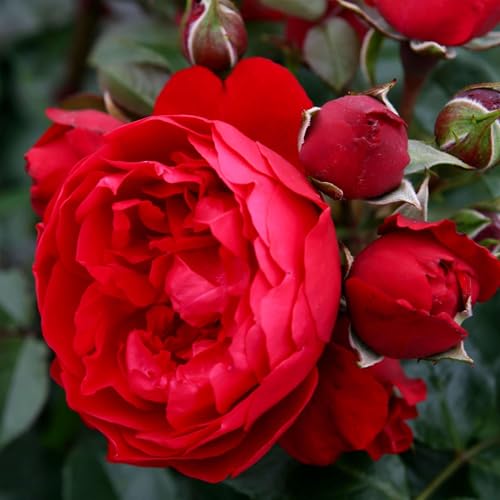
Arborose® Florentina leans into abundance, and that makes it a strong match for gardeners who want a climbing rose that keeps working across the season. Compared with Eden Climber, it reads as a bit more bloom-driven, while still keeping the same upright, training-friendly shape.
The moderately fragrant profile lands in the middle ground, which suits you if you want scent without making it the whole story. One thing worth considering is that continual blooming can ask for a little more deadheading and routine care than a once-blooming climber.
Best Bits
- Climbing habit supports arches, fences, and tall trellises.
- Continual blooming keeps the display going for longer stretches.
- Moderate fragrance gives you noticeable scent without overwhelming nearby spaces.
- Own-root growth can be a plus for gardeners who prefer a plant that stays true to the listed type.
Small Caveats
- Moderate fragrance may feel subtle in open, windy yards.
- Climbers need support and regular tying as they settle in.
- Ongoing bloom cycles can mean a bit more garden attention.
Technical Sheet
Best Suited To
You suit this pick best when you want a steady-blooming climber with noticeable scent and a flexible zone range.
Where A Sibling Pick Shines
Heirloom Floribunda Roses Parfuma Earth Angel is the better fit for a smaller porch or patio where fragrance matters more than vertical spread.
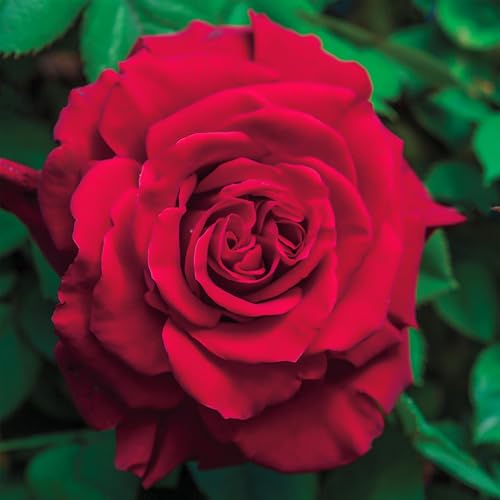
Lady in Red™ stands out for gardeners who want a climbing rose with a broader climate window. The zone range of 4 to 10 gives it an edge over the earlier Heirloom climbers for colder properties, and the repeat bloom habit keeps it useful beyond one short flush.
Its lightly fragrant flowers make it more about color and structure than perfume, which is fine in a busy yard where the plant needs to hold its own visually. Compared with Red Eden®, this one is the more flexible choice for tougher climates, though scent lovers may prefer the stronger fragrance of the next pick.
Highlights
- Hardiness zone range reaches from 4 to 10.
- Repeat bloom habit helps extend seasonal interest.
- Climbing form suits fences, posts, and other support structures.
- Own-root growth appeals to gardeners who want one consistent rose type from root to flower.
Areas To Watch
- Light fragrance may feel modest in larger outdoor spaces.
- Climbing roses still need training and space to spread.
- Gardeners in colder areas should still think through winter siting and protection.
Details At A Glance
The Right Fit
You suit this rose best when you need a climbing plant that can handle a wider range of climates and still give you repeat bloom cycles.
Look Elsewhere When
Heirloom Floribunda Roses Parfuma Earth Angel suits you better when scent is the main goal and the plant will live near a porch or sitting area.
Red Eden® is the scent-heavy pick in this group, and the fragrance level is exactly what sets it apart from the lighter and moderate options above. In a backyard entry, along a fence, or near a walkway, that richer scent can make the plant feel more present even before the blooms fill in.
It shares the own-root climbing format with the other Heirloom roses, so the real difference is the fragrance-first personality and its zone range of 6 to 10. The trade-off shows up in climate flexibility, since gardeners in colder zones will need to look at Lady in Red™ instead.
Positives
- Very fragrant profile makes it the scent-first choice in the roundup.
- Continual blooming supports a longer display cycle.
- Climbing growth works well on fences and garden supports.
- Own-root form can simplify the sense of having one consistent plant from top to bottom.
Honest Caveats
- Zone range starts at 6, so colder gardens need another option.
- Strong scent is a plus for some spaces and too much for others.
- Like most climbers, it needs a support plan and regular guiding.
Quick Facts
Whose Shelf It Belongs On
You suit this rose best when fragrance is the main job and your climate sits within zones 6 to 10.
Another Choice May Suit
Heirloom Climbing Roses Lady in Red™ is the smarter pick for colder gardens that still want a climbing rose with repeat bloom potential.
This is the support tool in the list, not a rose, and that matters because climbing roses rarely look tidy without help. The 25 mm clip size and reusable plastic build make it useful for trellis training, tomato vines, and grape stems, especially in a small home garden where clean spacing matters.
Compared with the rose plants above, these clips are about control and organization rather than bloom color or scent. The honest read is that they fit gardeners who want a simple way to guide stems without pinching them hard, though you still need to check clip placement as growth thickens.
Reasons To Buy
- Helps keep climbing stems upright and organized.
- Reusable plastic construction suits repeated seasonal use.
- 25 mm diameter works for a range of slender garden stems.
- Open structure supports airflow around the plant.
- Useful for tomatoes, grapes, and vegetable vines as well as roses.
Room For Improvement
- Plastic clips need periodic checking as stems thicken.
- They support plant training, but they do not replace a sturdy trellis.
- Clear plastic language in the source and green product color naming can make the exact appearance easy to overlook.
Spec Overview
Right Fit
You suit these clips best when your climbing roses already have a support system and you want neater, more controlled stem placement.
Skip It When
Heirloom Climbing Roses Eden Climber is the better starting point when you need the rose itself rather than the training hardware.
New Dawn brings the traditional climbing-rose look that a lot of gardens still lean on, especially for soft pink coverage along fences or vertical frames. The #3 size container gives you a more established starting point than seeds, while the double blush pink flowers keep the visual tone gentle rather than bold.
Compared with the Heirloom climbers, this one feels more like a classic landscape plant than a fragrance-led specialty rose. One practical note, though, is that container-grown roses still need time to settle after planting, so the early months often reward patience over fussing.
Bright Spots
- Climbing form suits traditional rose arches and fence lines.
- Double blush pink blooms bring a soft, familiar look.
- #3 container size gives you a stronger starting plant than seed-based options.
- Works well for gardeners who want a time-tested rose style.
Minor Gripes
- The source does not spell out fragrance strength, so scent-focused shoppers may want more detail before choosing.
- Climbing roses need support and regular tying in the first stage.
- Container plants still need thoughtful transplant care after arrival.
Feature Snapshot
Made For
You suit this rose best when you want a classic pink climber for a support frame, fence, or cottage-style planting scheme.
Reach For A Different Pick When
Heirloom Climbing Roses Red Eden® makes more sense when fragrance matters more than the traditional pink flower look.
Seeds are a very different path from the live plants in this roundup, and that difference is the whole story here. You get a larger quantity and more room to experiment on fences, trellises, or arches, but you also take on the patience and variability that comes with starting from seed.
That makes this a better fit for hands-on gardeners than for anyone wanting an instant climbing display. Same story with the source details, which lean more toward return and shipping notes than plant traits, so the value here is really about project flexibility rather than a clearly defined mature rose form.
What We Like
- Seed format gives you room to start more than one planting plan.
- Works well for gardeners who enjoy the process from the beginning.
- Useful for arches, trellises, fences, and decorative outdoor features.
- Large count suits experimentation across several garden spots.
Worth Noting
- Seeds demand more patience than live rose plants.
- Results can vary, so the finish is less predictable than a named live cultivar.
- The source material gives little plant detail beyond the seed count and intended use.
Core Details
Who Will Love This
You suit these seeds best when you want a longer project, more planting freedom, and the hands-on pace of growing from the beginning.
Where Shoppers Go Wrong
Heirloom Climbing Roses Eden Climber is the easier route when you want a defined live plant with a clearer starting shape and bloom habit.
How To Choose The Right Fragrant Climbing Roses
Start With Scent, Then Check Structure
Fragrance matters most when the rose sits near a doorway, patio chair, or walkway. A very fragrant rose like Red Eden® changes the feel of a small outdoor space more than a lightly fragrant climber, even before you notice the bloom count.
Structure matters just as much. True climbers such as Eden Climber and Lady in Red™ need a trellis, fence, or arbor, while a floribunda like Parfuma Earth Angel works better where you want a fuller, lower plant with scent.
Match The Plant To Your Climate
Hardiness zone ranges tell you where a plant is meant to live comfortably. Lady in Red™ stretches from zones 4 to 10, while Red Eden® starts at zone 6, so colder gardens have a clear reason to lean toward the broader-range option.
That kind of match saves frustration later. A rose that suits your climate usually settles in with less fuss, and that often matters more than chasing the flashiest bloom name.
Decide How Much Garden Work You Want
Continual and repeat bloom habits can ask for more grooming than a plant that flowers once and rests. Deadheading, tying, and seasonal pruning become part of the rhythm, especially with climbing forms that need direction.
Own-root plants appeal to gardeners who want the whole plant to come from one variety, from root to flower. That can feel cleaner to manage than a mixed grafted setup, although it still expects normal planting care and patience.
Think About Space And Support
Support hardware matters more than many gardeners expect. Clips like the FXOICMI set help keep stems tidy, but they do not replace a solid frame, and climbers still need enough room to spread without crowding nearby plants.
Container size matters too. A #3 container gives you a more established start than seeds, while a seed pack like BuggyBeds Mixed Climbing Rose Vine Seeds 230pcs asks for more time and uncertainty before the first real display.
A Quick Reality Check
Mistakes Worth Dodging
One common slip is choosing fragrance without checking growth habit. A scent-rich floribunda can be wonderful near a seating area, but it won’t cover a fence the way a true climber will.
Another is overlooking support needs. Climbers look effortless once they’re trained, yet the first season usually asks for tie-in work, spacing, and a little patience around growth direction.
The Upgrade Payoff
Higher-tier roses usually cost more because you’re paying for named cultivars, live own-root plants, and more specific plant traits such as fragrance level or zone range. That added detail matters when you want a rose that fits a narrow job instead of a generic garden filler.
Spending up makes sense for visible spaces, especially arches, front borders, and entry paths. The extra precision is less useful for experimental corners, where a seed pack or support clip may solve the problem more neatly.
Final Thoughts
The right fragrant climbing rose depends on what you want the plant to do in your yard. Parfuma Earth Angel is the best scent-forward choice for compact spaces, Eden Climber and Lady in Red™ cover vertical structure with different climate reach, and Red Eden® brings the richest perfume of the group. If you want a rose that feels at home in real garden use, start with the role first and the flower color second. That usually leads you to the plant you’ll actually enjoy living with.