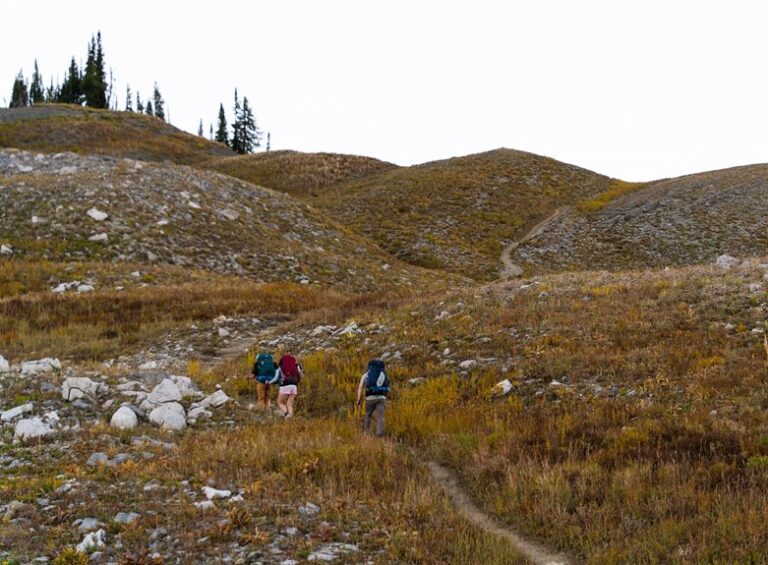

Hiking gaiters earn their keep in the messy parts of a trail, where wet brush, grit, and rough ground can turn a short walk into a nuisance. Some of these picks lean toward ankle coverage for muddy paths, while others are built for snake country, tick-heavy terrain, or colder seasons. You’ll also see one neck gaiter here, since many shoppers use that style for sun cover and quick coverage on the trail.
The mix matters because the right pair depends on your route, not just your boot size. A light, stretchy option feels very different from a stiff, protective leg guard, and the trade-off shows up fast on longer hikes. This roundup keeps the focus on fit, material, coverage, and the kind of day each pick handles best.
The Shortlist At A Glance

BUFF Original EcoStretch Neck Gaiter

Adjustable Snake Gaiters Men Women Snake Boot Gators
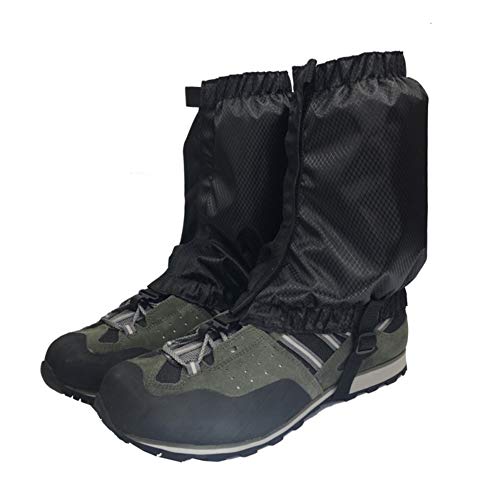
Leg Gaiter Waterproof Anti-Tear Ankle Gaiters

MDSTOP Snake Gaiters Leg Guards

Gonex Snake Gaiters Guards Chaps for Lower Legs

Outdoor Research Unisex Rocky Mountain Low Gaiters


Leg Gaiters Waterproof and Adjustable Snow Boot Gaiters
More Details On Our Top Picks
This BUFF piece suits hikers who want one light layer that can handle sun, dust, and a sudden breeze without feeling bulky. The stretchy build and quick-dry fabric make it easy to wear around the neck, over the lower face, or pulled up for extra coverage on exposed ridgelines.
Unlike the heavier lower-leg gaiters later in this list, this one is about comfort and versatility rather than hard shell protection. The honest read is that it’s better for warm or mild days, not for brushy terrain that demands real leg shielding.
Strong Points
- UPF 50 fabric helps with strong sun exposure on open trails.
- Quick-dry construction makes it easier to manage sweat and light moisture.
- Stretchy fit adapts well to different ways of wearing it.
- Light feel works well for long hikes and travel days.
Things To Consider
- It’s a neck gaiter, so it doesn’t replace a true leg guard.
- Coverage is light, which suits comfort more than rugged brush protection.
Key Specs
Who It Suits Best
Trail walkers, commuters, and casual hikers who want light coverage without stiff fabric.
A Better Fit Elsewhere
Outdoor Research Unisex Rocky Mountain Low Gaiters suit hikers who want actual ankle coverage and a lower trail profile.
This pair is built for brushy ground, where lower legs take more abuse from thorns, sticks, and uneven cover. Compared with the BUFF neck gaiter, the focus here is protection, not comfort layering, so the feel is naturally more serious.
You’ll appreciate it most on overgrown paths, hunting land, or any stretch of trail where snake-prone areas are part of the picture. The trade-off is bulk, since protective gaiters usually feel less airy and less casual than lighter hiking gear.
What We Like
- Adjustable build helps it sit more securely over boots and lower legs.
- Waterproof construction adds confidence in damp brush and wet ground.
- Designed for men and women, so the use case is broad.
- Works well for hiking and hunting where trail debris is part of the day.
Room For Improvement
- Protective gear like this usually feels stiffer than light trail fabric.
- It’s better suited to defense-focused outings than all-day warm-weather comfort.
- Storage takes more room than a simple stretch gaiter.
Feature Snapshot
Who Will Love This
Hikers, hunters, and land workers who spend time in thick cover or snake country.
Look Elsewhere When
Gonex Snake Gaiters Guards Chaps for Lower Legs make more sense for someone who wants reinforced panels and a more feature-heavy setup.
These ankle gaiters are the kind of straightforward trail accessory that makes sense for mixed conditions. Compared with the snake-focused picks above, this one stays broader in purpose, so you can use it for hiking, climbing, walking, or snow travel without treating it like specialty armor.
The waterproof and anti-tear setup points toward everyday outdoor wear where wet ground and scrapes are part of the routine. You may find the lower-cut design more comfortable than taller guards, though it won’t wrap as much of the shin.
Upsides
- Waterproof build helps keep splash and wet brush from soaking your socks.
- Anti-tear material suits rougher trail contact better than thin fabric.
- Low ankle style feels less intrusive on long walks.
- Broad outdoor use makes it an easy all-season carry piece.
Areas To Watch
- Lower coverage means less protection than taller leg guards.
- The simpler shape may not satisfy hikers who want a tighter technical feel.
- After muddy use, the fabric should be cleaned promptly to keep grit from building up.
Details At A Glance
Best Suited To
Everyday hikers and walkers who want a simple barrier against moisture and trail grit.
Where A Sibling Pick Shines
Outdoor Research Unisex Rocky Mountain Low Gaiters suit someone who wants a more polished low-gaiter profile for faster-paced trail days.
This MDSTOP pair pushes further into serious lower-leg coverage, which makes it a better match for field work than the lighter ankle styles. In wet grass, brush, or farm edges, the waterproof build and adjustable fit give you a more stable feel around the shin.
It’s a good fit for people who spend real time in dense outdoor cover and don’t want to think about their lower legs after stepping into the brush. The trade-off is simple, you’re carrying more structure, so it won’t feel as airy as a casual hiking gaiter.
Positives
- Waterproof construction helps in wet, rough outdoor settings.
- Adjustable fit improves comfort around different lower-leg shapes.
- Designed for both men and women, which broadens its use.
- Useful for hunting, outdoor work, and farm tasks where brush is common.
- Lower-leg coverage gives more confidence in thicker ground cover.
Softer Spots
- More structure can feel less relaxed than lighter trail gaiters.
- It may take a little more room in a pack than simple fabric sleeves.
Core Details
Whose Shelf It Belongs On
Field workers and hikers who want stronger lower-leg coverage in rough terrain.
Swap It Out When
BUFF Original EcoStretch Neck Gaiter suits you better for sun coverage, travel, and lighter trail use.
The Gonex model stands out for the way it stacks protective details into one package. Compared with the simpler MDSTOP option, this one leans harder into reinforced construction, which helps make sense for longer brush exposure and more demanding trail days.
The 1000D Oxford exterior, which is a dense woven polyester fabric, adds a sturdier feel than lighter gaiters, while the PP board inserts raise the protective character even more. You’ll notice the trade-off in weight and bulk, so it suits serious outdoor use more than casual walking.
Highlights
- Thirteen PP board inserts add a more structured protective setup.
- 1000D Oxford fabric points to stronger wear resistance.
- Adjustable sizing helps it fit calves from 12 to 20 inches.
- Lightweight for its class, which matters on longer outings.
- Waterproof build helps in damp grass and wet brush.
Points To Note
- The more protective build usually feels less flexible than plain trail gaiters.
- Pack space matters here, since structured inserts take more room.
Feature Rundown
Made For
Hikers, hunters, and campers who want a more reinforced lower-leg guard.
Another Choice May Suit
HomDSim Leg Gaiter Waterproof Anti-Tear Ankle Gaiters suit someone who wants lighter coverage for walking and mixed trail use.
This pair has a cleaner, lower-profile trail feel than the heavier snake gaiters above. For hikers who want coverage without extra drama, that’s a useful middle ground, especially on routes where loose gravel, light mud, or debris keep working into your boots.
Because the cut sits low, it tends to feel more natural on faster hikes and long miles. The trade-off is obvious, you get trail practicality, not the taller shield you’d want in thicker brush or snake country.
Bright Spots
- Low-gaiter design keeps the profile streamlined.
- Good match for active hiking and steady movement.
- Less bulky than taller leg guards, so it’s easier to live with on long days.
- Useful for keeping trail grit from sneaking into boots.
Minor Gripes
- Low coverage means it’s not meant for heavy brush defense.
- The simpler shape may not satisfy hikers who want more leg protection.
At A Glance
Perfect Match For
Hikers who want a low-profile gaiter for fast miles and lighter debris control.
Where Shoppers Go Wrong
Gonex Snake Gaiters Guards Chaps for Lower Legs suit anyone who needs more structure and coverage than this low-cut style provides.
The mesh build here changes the feel right away, since it favors airflow over thick shielding. For hikers moving through brushy, bug-heavy zones, that can be a smart compromise, especially on warm days where heavy fabric turns into extra baggage.
It’s the kind of pick that suits outdoor use where breathability matters as much as coverage. The catch is that mesh rarely feels as rugged as denser leg guards, so you’re choosing comfort and lightness over a tougher shell.
Reasons To Buy
- 3D mesh construction supports airflow during warm-weather hikes.
- Light build is easier to carry and wear for long stretches.
- Good fit for trail days where breathability matters more than bulk.
- Useful in tick-prone areas where covering the lower leg is part of the plan.
Worth Noting
- Mesh is lighter, so it won’t feel as tough as thicker gaiters.
- Open structure can be less reassuring in very rough brush.
Feature Card
Built With In Mind
Warm-weather hikers and walkers in areas where airflow and lower-leg coverage both matter.
Skip It When
Outdoor Research Unisex Rocky Mountain Low Gaiters make more sense for hikers who want a cleaner, more trail-tough low gaiter.
This model sits in the middle of the pack in a useful way, since it aims for broad trail coverage without narrowing itself to one niche. Compared with the higher-structure snake guards, it feels like the more general-purpose option for walking, hiking, backpacking, and outdoor climbing.
The waterproof and adjustable setup gives it a practical edge for mixed weather and different boot shapes. One thing worth considering is that one-size gear can be convenient, but it still depends on how your boots and pants sit together on the trail.
Plus Points
- Waterproof build helps in damp, snowy, or wet trail conditions.
- Adjustable fit makes it easier to adapt around your lower leg.
- Broad outdoor use keeps it versatile for more than one season.
- Good match for hikers who want a simple all-around gaiter.
Small Caveats
- One-size sizing can be less exact than a more tailored fit range.
- It’s a general-purpose option, so it won’t feel as specialized as the snake-focused picks.
Quick Facts
Who Should Grab It
Hikers who want a versatile gaiter for mixed outdoor use and changing weather.
Reach For A Different Pick When
MDSTOP Snake Gaiters Leg Guards suit you better for more demanding lower-leg protection in brush and field settings.
How To Choose The Right Gaiters For Hiking
Match Coverage To The Trail
Coverage is the first thing to sort out. An ankle gaiter helps with grit, light mud, and snow slipping into your boots, while a taller lower-leg guard makes more sense in thick brush or rough ground. The more brush you expect, the more useful extra height becomes.
That’s why a light piece like the BUFF Original EcoStretch Neck Gaiter belongs in a different lane from the snake gaiters in this list. They solve different problems, and mixing them up usually leads to disappointment.
Pick Fabric For The Weather
Fabric decides how the gaiter feels after the first hour on the trail. Stretchy knit and mesh options breathe well, which suits warm hikes, while denser woven builds usually hold up better in abrasive terrain. Quick-dry material also matters more than it sounds, especially after brush, sweat, or wet grass.
The trade-off is simple: more breathable often means less armor-like protection. Heavier construction brings more structure, but it can feel warmer and less relaxed on long days.
Think About Fit And Boot Pairing
Fit is about more than size labels. You want a gaiter that sits securely over your boots, stays put around the calf or ankle, and doesn’t bunch where your pants meet the cuff. Adjustable straps and wider calf ranges help a lot here.
One-size models can be convenient, but your boot shape still affects how tidy the result feels. Taller boots often pair more cleanly with structured gaiters, while lighter trail shoes work well with low-profile designs.
Choose By Trip Type, Not Just By Style
Weekend trail walks, desert hikes, snow travel, hunting, and farm work all ask for different things from the same category. A warm-weather hiker may value airflow and sun cover, while someone on rough land needs tougher leg defense and easier cleanup afterward. Storage matters too, since structured gaiters take more space in a pack.
The best choice is usually the one that fits your most common route, not the most dramatic one. That keeps the gear useful instead of sitting in a closet between trips.
What To Weigh Before You Choose
Common Shopping Slip Ups
One easy mistake is buying too much protection for an easy trail. That adds bulk without giving you a payoff you’ll notice on flat paths or mild weather walks. Another common miss is forgetting boot compatibility, which can leave gaps at the cuff.
Cleaning also gets overlooked. Mud, grit, and damp grass can shorten the useful feel of any gaiter, so the simpler the material, the easier it is to keep in shape after a messy hike.
What The Higher Tier Buys
More expensive gaiters usually pay for denser fabrics, extra reinforcement, stronger closures, and more careful shaping around the leg. That matters in brush, snow, or field use where a loose fit or thin material becomes annoying fast.
You’re also paying for better day-to-day handling, like a gaiter that stays put and feels less fiddly to adjust. For occasional use on tame trails, that upgrade may be more than you need, but for frequent hikes in rough terrain, it’s easier to justify.
Closing Thoughts
The right gaiter depends on the ground under your boots and the kind of weather that usually greets you. Light coverage works well for comfort and sun protection, while taller, tougher designs suit brush, snow, and field use. Choose the shape that matches your routes most often, and you’ll end up with gear that earns its place instead of riding along unused.