

You want a Geiger counter that fits the job, not just the label. Some of these picks suit routine home checks, others make more sense for field work, data logging, or a more connected setup. The right call depends on how much detail you need, how often you plan to carry it, and whether you care more about simple alerts or logged readings you can review later.
The Shortlist At A Glance
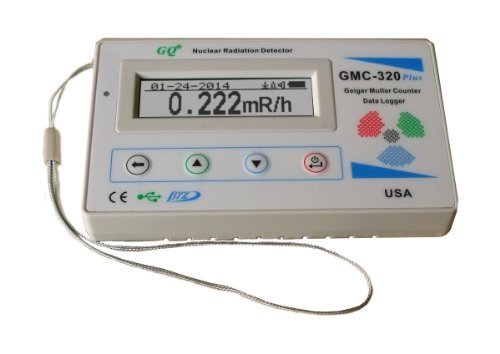
GQ GMC-320 Plus Geiger Counter Data Recorder

Soonkoda 3 in 1 EMF Meter

Radiacode-103 Smart Geiger Counter

GQ 320S Digital Radiation Detector Monitor Meter
Radiacode-102 Smart Geiger Counter

GQ 600 PRO Geiger Counter Dosimeter

GQ GMC-500 Geiger Counter Dosimeter

MOESAPU Geiger Counter FS5000
More Details On Our Top Picks
The GMC-320 Plus speaks to the kind of use case where logged readings matter just as much as the live number on the screen. GQ builds it for beta, gamma, and X-ray work, so it fits home checks, lab-adjacent tasks, and field notes where you want a paper trail in digital form.
The honest read is that this style suits you best when you like a more traditional handheld monitor and care about recording sessions over time. It gives you the shape of a serious instrument, but the trade-off is that it feels less like a modern app-first gadget than the Radiacode models later in this list.
What We Like
- Data recorder support helps you keep a history of readings instead of relying on memory.
- Beta, gamma, and X-ray coverage broadens its use across common inspection scenarios.
- The handheld format stays straightforward for quick checks in a garage, basement, or workshop.
- GQ’s industrial-leaning design makes it feel suited to regular task-based use.
Small Caveats
- The interface looks more utilitarian than polished, so setup may feel less friendly than app-led models.
- It does not lean into modern cloud-style convenience, which matters for your app-heavy workflow.
- Carrying and storage are easier with a case, since handheld instruments like this often live in a toolkit.
Feature Snapshot
Who It Suits Best
You fit this one best if you want a straightforward GQ handheld with logging built into the workflow and you prefer a more instrument-like feel.
A Better Fit Elsewhere
Radiacode-103 is the stronger fit for you if app connectivity and a more modern digital experience matter more than the old-school GQ layout.
This Soonkoda meter sits in a different lane from the true Geiger counters above, because it’s built for electromagnetic field checks rather than nuclear radiation monitoring. That makes it handy around home electronics, office spaces, and workshop setups where sound and light alerts give you a fast read without a lot of menu work.
You may find it especially useful in homes with dense wiring, multiple appliances, or a desk setup packed with devices. The trade-off is simple, it solves a narrower problem than the GQ and Radiacode picks, so you should want EMF detection first and radiation monitoring second.
Bright Spots
- Three-in-one design keeps the form factor simple for quick checks.
- Sound and light alerts make readings easier to notice during short walkthroughs.
- Home, office, and outdoor use all fit the same basic tool.
- Useful around appliances, high-voltage lines, and protective film or clothing checks.
Worth Noting
- This is not a straight substitute for the radiation-focused models elsewhere in the roundup.
- The ghost-hunting angle feels niche, so most people will use it for practical field checks instead.
- For battery care and storage, a small pouch or drawer slot helps keep the meter ready between uses.
Feature Rundown
Who Should Grab It
You fit this pick best if your main job is EMF spotting around electronics, wiring, and general living spaces rather than radiation-specific monitoring.
Another Choice May Suit
GQ GMC-320 Plus is the more relevant option for you when beta, gamma, and X-ray monitoring are the real requirement.
The Radiacode-103 feels built for people who want the phone to be part of the process. Compared with the more traditional GQ units, this one leans into app-based viewing, which is useful for longer monitoring sessions, clearer history tracking, and a setup that travels well in a bag.
That app angle matters most in real life when you want to review readings later instead of staring at the handheld screen the whole time. One thing worth considering is that this style makes more sense for data-minded use than for someone who wants a plain button-and-display tool.
Highlights
- Free mobile app support gives you a more connected workflow.
- The smart format fits people who like to track changes over time.
- Portable size works nicely for travel bags and grab-and-go inspection kits.
- Compared with the GMC-320 Plus, this one feels more modern and more phone-friendly.
- Useful for users who want a compact tool with a richer digital side.
Areas To Watch
- The app-based approach asks for a little more setup than a plain handheld meter.
- You may prefer a more direct display if you only want fast spot readings.
- Keeping the device and phone charged matters more here than on simpler meters.
Core Details
Made For
You’ll get the most from this model if you like app-linked gear and want a compact detector that feels more digital than old-school.
Look Elsewhere When
GQ GMC-500 suits you better if you want a more classic instrument feel without leaning on a phone for the main experience.
The 320S lands in a sweet spot for people who want a simpler GQ detector without moving up to the more elaborate 600 Pro. It pairs a digital monitor style with a black silicone case, so the shape feels ready for a tool drawer, a travel kit, or a shelf in a workshop.
That silicone layer is a small but useful detail, because it usually makes a handheld meter easier to grip and a bit less fussy in a packed bag. The trade-off is that this model sounds more straightforward than feature-heavy, so it fits steady everyday use better than deep data work.
Upsides
- Black silicone case adds a practical layer for handling and storage.
- Digital monitor format suits quick checks without a steep learning curve.
- The compact shape works well in a home kit or service pouch.
- GQ’s familiar layout helps it feel approachable for routine use.
Points To Note
- It looks more basic than the Radiacode smart models.
- You won’t get the same data-centric feature set as the 600 Pro.
- The silicone cover helps with grip, but it still deserves careful storage in tight tool cases.
At A Glance
Whose Shelf It Belongs On
You fit this one best if you want a no-drama GQ meter for everyday checks and prefer a protective case over extra software features.
Skip It When
Radiacode-103 is the better match for you when app-based tracking and a more connected workflow matter more than a basic monitor layout.
The Radiacode-102 follows the same app-friendly direction as the 103, but it sits lower in the family and suits a more compact, travel-minded setup. That makes it a neat fit for people who want a smart Geiger counter without stepping all the way up to the more feature-heavy option above.
For short trips, kit bags, and occasional checks, the smaller scope can be a strength rather than a compromise. The catch is the same one you get with the 103, you’re buying into a phone-linked style of use, so it rewards people who enjoy that extra layer.
Standout Traits
- Mobile app support keeps readings easier to review after the fact.
- Compact format works well in carry cases and travel kits.
- Radiacode’s smart approach feels more modern than the traditional GQ meters.
- Good fit for occasional users who still want organized data.
Softer Spots
- It asks for a phone-based workflow, which not everyone wants.
- Serious log-heavy use may push you toward the Radiacode-103 instead.
- Keeping track of accessories matters more in a smaller travel setup.
Details At A Glance
Built With In Mind
You’ll like this one most if you want a compact smart detector for travel, occasional checks, and easy phone-based review.
Where A Sibling Pick Shines
Radiacode-103 is the better fit for you if the same smart format needs to carry more weight for frequent tracking and longer monitoring sessions.
The 600 Pro is the most feature-dense GQ pick in this roundup, and the extra tools explain why. It uses an LND 7317 pancake Geiger tube, a flat detector style that helps the unit respond with a broader sensing area, and it adds WiFi, cloud history, real-time logging, and export options for people who want the numbers to live beyond the screen.
That combination makes sense for serious monitoring work, especially in settings where you want readings recorded every second and accessible later through graphs or files. Compared with the GMC-320 Plus, this one feels far more data-forward, though the richer setup also asks for more attention during setup and file handling.
Best Bits
- LND 7317 pancake tube gives it a more advanced sensing setup.
- Alpha, beta, gamma, and X-ray coverage makes it unusually broad for a handheld meter.
- Built-in WiFi and cloud history help you review data from more than one location.
- Automatic one-second logging supports longer sessions without manual note-taking.
- Graph, text, and large-font display modes make the screen easier to match to the task.
- USB export to Excel, CSV, or HTML suits detailed record keeping.
Room For Improvement
- The richer feature set can feel heavy if you only need quick spot checks.
- WiFi and file export add setup steps that casual use may not need.
- Keeping the device charged and organized matters more once you rely on logs and cloud history.
Quick Facts
Right Fit For
You’ll get the most from this pick if you want a serious handheld with broad sensing, live logging, and a connected data workflow.
Another Choice May Suit
GQ GMC-320 Plus is the easier fit for you if you want radiation logging without the extra layer of WiFi and export management.
The GMC-500 gives you the familiar GQ formula in a slightly older, more straightforward form than the 600 Pro or the Radiacode line. It monitors beta, gamma, and X-ray exposure, which keeps it useful for common inspection work, especially where you want a classic handheld that doesn’t lean hard on software extras.
That simpler stance makes sense for garages, hobby spaces, and general household checks where a basic instrument is often enough. The trade-off is that it lacks the cloud and app polish of newer smart models, so it suits practical use more than data-heavy routines.
Positives
- Classic GQ layout feels easy to recognize in a mixed toolkit.
- Beta, gamma, and X-ray support covers the core monitoring needs for many homes and workspaces.
- The no-frills style helps it stay approachable for routine checks.
- It sits neatly between the simpler 320S and the more elaborate 600 Pro.
Trade Offs
- You miss the app-driven convenience that makes the Radiacode models feel more modern.
- It does not bring the advanced cloud workflow of the 600 Pro.
- As with many handheld meters, a protective pouch helps keep the screen and body in better shape during storage.
Feature Card
The Right Fit
You fit this model best if you want a dependable GQ handheld for routine radiation checks without extra software layers.
Where Shoppers Go Wrong
Radiacode-102 is the better match for you if your priority is a smaller smart unit with mobile app support.
The MOESAPU FS5000 leans into portability, and the rechargeable format makes that easier to live with during regular carry. Its 2.4-inch TFT display gives you a color-style screen in a handheld body, while the GM tube support covers X-ray, beta, and gamma detection for day-to-day radiation checks.
This one makes sense for you when you want a compact handheld that feels ready to grab, use, and put away without much fuss. The main trade-off is that the listing reads more like a practical handheld than a deeply connected data tool, so it fits straightforward monitoring better than heavy logging.
Positives
- Rechargeable design cuts down on battery churn during routine use.
- 2.4-inch TFT display gives the screen a clearer, more modern feel.
- GM tube support covers the main radiation types in a portable body.
- The yellow finish makes it easier to spot in a busy drawer or kit.
Minor Gripes
- It looks more straightforward than the app-linked Radiacode units.
- The compact body is handy, though small handhelds can be easy to misplace without a dedicated storage spot.
- It feels aimed more at simple checks than at heavy record keeping.
Core Details
Who It Belongs On
You’ll like this pick most if you want a compact rechargeable handheld for quick radiation checks and you value portability over advanced software.
Swap It Out When
GQ 600 PRO is the smarter match for you if you need richer logging, WiFi, and more elaborate data handling.
How To Choose The Right Geiger Counters
Start With The Radiation Types You Actually Need
Radiation meters are not all built for the same job, and that matters more than the case color or screen style. A basic handheld that handles beta, gamma, and X-ray works for many household checks, while a more advanced unit with a pancake tube or cloud logging makes sense for deeper inspection work.
Match the detector to the setting you care about, whether that’s a workshop, a basement, a travel bag, or a field kit. The wrong tool often looks fine on paper, then feels too limited once you start using it around real equipment or materials.
Decide How Much Data Handling You Want
Some shoppers only need a live number and a visible alert, while others want records they can review later. Data recorders, app support, USB export, and cloud history all add convenience, but they also add setup steps and a little more upkeep.
For quick checks, a plain handheld keeps things simple. For repeat inspections or long sessions, logged readings and graph views save you from writing notes by hand.
Think About Size, Power, And Carry Style
A compact rechargeable model suits a go-bag or glove box, while a larger instrument often feels better on a desk or in a shop. Silicone cases, protective shells, and easier grip shapes matter more than they first seem, because these tools usually move between drawers, bags, and work surfaces.
Battery convenience matters too. Rechargeable gear fits frequent use, but a device with a more traditional power setup can still make sense for occasional owners who want a simple standby tool.
Choose The Interface You’ll Actually Use
App-driven models are helpful when you want richer history and a cleaner way to review readings later. Plain screen-first meters stay easier for fast spot checks, especially for people who do not want to pair a phone every time they start a session.
The best fit is the one that matches your routine. A field tech, a hobbyist, and a home inspector can all need different amounts of detail from the same general category.
Things Worth Knowing Before You Choose
Common Shopping Slip Ups
A frequent mistake is buying for the longest feature list instead of the actual job. EMF tools, radiation dosimeters, and app-linked smart counters solve different problems, so the category name needs a careful read.
Another miss is overlooking the practical side of ownership, like storage, charging, and how easy the screen is to read outdoors. Small details often decide whether a meter feels handy or annoying after the first few uses.
When Paying More Pays Off
Higher-tier models usually cost more because they give you better sensing hardware, more detailed display modes, and richer ways to keep records. WiFi syncing, cloud history, and USB export are the kinds of extras that save time for people who monitor often.
That upgrade is worth it for you when the readings feed into routine work, documentation, or repeat comparisons over time. For occasional home checks, a simpler meter can be the saner choice.
Final Thoughts
Your best Geiger counter depends on how much detail you need and how often you’ll carry it. The GQ 600 PRO stands out for serious logging, the Radiacode models feel right for app-minded use, and the simpler GQ units stay appealing for direct handheld monitoring. For EMF work, the Soonkoda serves a different purpose entirely, so it only makes sense when that’s the real task. Pick the tool that matches your routine, and the rest gets a lot easier.