

Trail miles ask a lot from your kit, especially when the route shifts from smooth paths to loose dirt, steep climbs, and long stretches without a break. The right mix of storage, hydration, and foot comfort can keep your run feeling steady instead of fussy. This roundup focuses on practical pieces that suit everyday training, longer trail sessions, and race-day carry needs.
The Shortlist At A Glance

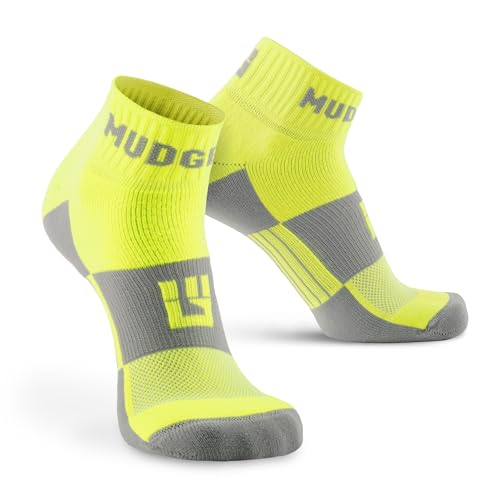
MudGear Quarter Crew Trail Socks 2-Pack

INOXTO Running Hydration Vest Backpack 1.5L
IX INOXTO Running Hydration Vest 3L

Zelvot Running Vest with 2L Water Bladder

Zelvot Running Vest for Women Men 500ml Soft Flask
AONIJIE Hydration Vest Pack Backpack 5L 5.5L

KUYOU Running Vest for Women Men 2L
More Details On Our Top Picks
Salomon belongs in the smallest-carry lane, which makes it a sensible fit for trail sessions where you want the bare minimum on your body. The listing points to a running waist pack, so you’re looking at a low-profile option that keeps pockets and essentials close without the bounce of a bigger vest. That trade-off matters most on short to mid-length outings, where comfort often beats capacity.
Compared with the hydration vests farther down the list, this style feels cleaner and less involved. The honest read is that you give up room for bottles, layers, and extras, but you gain simpler movement and less bulk around your torso. For daily runs, that can feel like a small luxury.
Strong Points
- Waist-pack format keeps carry centered and unobtrusive.
- Good match for keys, gels, and a phone on shorter routes.
- Less harness around your chest than a vest, which suits runners who dislike a lot of contact.
Points To Note
- Storage room will feel tight for long outings or changeable weather.
- A waist setup can shift more than a vest during steep or choppy terrain.
Core Details
Who Will Love This
Trail runners who prefer a minimal carry setup for short routes, quick laps, or race-day basics will get the most from this shape.
Swap It Out When
IX INOXTO Running Hydration Vest 3L suits you better when you want more water on hand and a snugger all-around carry system.
Socks rarely get the spotlight, yet trail comfort can fall apart fast when the fabric traps moisture or bunches in the wrong place. MudGear’s quarter-crew cut aims for a middle ground, giving you more coverage than a no-show sock without climbing too high on the calf. For long climbs, mixed terrain, and warm days, that balance can make a real difference.
The cushioned footbed is the detail that matters most here, because extra padding underfoot softens the feel of repeated impact inside trail shoes. Compared with the more gear-heavy picks in this roundup, this one solves a quieter problem, but it’s a practical one. Made in the USA also helps set expectations for finish and consistency, though the sock height may feel a touch too warm for runners who like the lightest possible setup.
Highlights
- Quick-drying and sweat-resistant materials help keep your feet drier on humid outings.
- Cushioned footbed adds comfort inside trail shoes, especially on longer runs.
- Quarter-crew height gives more coverage than ankle socks without feeling overly tall.
- Two-pair pack makes rotation easier during a busy training week.
Room For Improvement
- More cushioning can feel warmer than thin racing socks.
- Quarter height may not suit runners who prefer a barely-there profile.
Feature Snapshot
Built With In Mind
Trail runners who want a more comfortable sock for repeated mileage, muddy conditions, or long training blocks will appreciate the balance here.
Look Elsewhere When
Salomon fits better for runners who want a small carry solution instead of a footwear upgrade.
This INOXTO vest sits in the middle of the hydration-pack category, with a 1.5L bladder that suits shorter trail runs, training days, and cross-use like cycling or hiking. The insulated pack design is handy when you want your drink handled a little more carefully than in a plain soft-flask setup. For most city-to-trail runners, that blend of lightness and structure feels easy to live with.
Compared with the Salomon waist pack, this gives you a real hydration carry system rather than just space for essentials. The trade-off is more contact on your torso, plus more to clean and dry after use, which is normal for hydration gear. Still, for runners who want a simple way to carry water without going all the way up to a larger pack, the fit is sensible.
Bright Spots
- 1.5L bladder capacity supports shorter to moderate trail outings.
- Insulated build helps reduce the harsh feel of heat in the reservoir area.
- Works across trail running, hiking, cycling, and race use.
- Vest style keeps water closer to your body than a handheld bottle.
Minor Gripes
- Hydration packs need regular rinsing and drying to stay pleasant in daily use.
- 1.5L can feel modest on very long routes or hot-weather efforts.
Core Details
The Right Fit
Trail runners who want a light hydration vest for regular training, shorter races, or mixed outdoor use will get good mileage from this one.
Where A Sibling Pick Shines
IX INOXTO Running Hydration Vest 3L is the better call when your routes last longer and you want more water carried from the start.
Stepping up from the 1.5L INOXTO vest, this 3L version is aimed at longer trail runs, marathon training, and days when you’d rather carry more water up front. That added capacity matters when routes are remote or aid points are sparse. It also makes the pack feel more like a true training tool than a minimal add-on.
The wider water reserve is the main appeal, though it naturally brings a bit more bulk than the smaller INOXTO vest. For runners who dislike stopping often, that trade-off is easy to understand. In most trail settings, a 3L setup gives you more breathing room before the next refill.
Upsides
- 3L capacity is suited to longer outings and race prep.
- Vest carry keeps hydration close to your upper body.
- Good step-up choice from smaller hydration options in this roundup.
- Works for both women and men, which makes shared use easier.
Softer Spots
- More capacity usually means more pack presence on your torso.
- Cleaning and drying a hydration system takes a bit of routine care.
At A Glance
Best Suited To
You’ll like this most if your trail routes run long enough that smaller carriers start feeling undersized.
Another Choice May Suit
Zelvot Running Vest with 2L Water Bladder is a better middle ground for runners who want lighter carry with a bit less bulk.
Zelvot’s 2L vest sits in a very useful middle lane, because it carries more water than a tiny race vest without jumping all the way into the larger 3L class. The gear holder and reflective chest pack wording suggest a setup built for runners who want visible, organized storage rather than a bare-bones carrier. On trail loops that cross roads or start before dawn, that practical tilt can matter.
Compared with the IX INOXTO 3L vest, this one trims water capacity but keeps the format leaner. That makes it easier to recommend for mixed training, weekday runs, and people who want a vest that feels less packed out. The design-patent note is also a useful signal that Zelvot is paying attention to shape and layout, though the real value still comes from fit and carry comfort.
Reasons To Buy
- 2L bladder gives a strong middle-ground hydration setup.
- Gear holder adds everyday utility for gels or small items.
- Reflective chest carry helps with visibility during low-light starts.
- Lightweight build suits runners who want less bulk than larger vests.
Small Caveats
- 2L capacity may still feel short for longer unsupported routes.
- More features can mean more straps and pockets to organize.
Details At A Glance
Whose Shelf It Belongs On
Runners who want a well-rounded vest for trail training, short races, and mixed outdoor mileage will find the balance appealing.
Reach For A Different Pick When
AONIJIE Hydration Vest Pack Backpack 5L 5.5L suits long-haul trail days better, especially when you need more room than a 2L setup provides.
This Zelvot vest leans into fit tuning, and that’s a nice change from the more storage-led picks above. Adjustable chest straps help the vest sit closer and feel less busy as you move, while the 500ml soft flask keeps the hydration setup compact. For runners who get annoyed by bouncing gear, that tighter feel can be the whole point.
It also makes a lot of sense for shorter training loops, tempo work, and race efforts where you want hydration without a larger reservoir riding on your back. The soft flask format is simpler to refill than a bladder in some cases, though it obviously carries less fluid. That makes this a more focused choice than the 2L Zelvot or the 3L INOXTO vest.
What We Like
- Adjustable chest straps help fine-tune the fit across different body shapes.
- 500ml soft flask keeps the front carry light and tidy.
- Reflective details are useful for dusk or dawn runs.
- US patent note hints at a more considered vest layout.
Areas To Watch
- 500ml is modest for long routes or hot conditions.
- Soft flasks can take a little practice to organize cleanly in the pocket system.
Feature Rundown
Who Should Grab It
Trail and road runners who care more about a snug, low-bounce fit than maximum water capacity will appreciate this vest most.
Skip It When
IX INOXTO Running Hydration Vest 3L makes more sense for longer outings where a 500ml flask could feel too small.
The AONIJIE vest moves toward the larger-carry end of the group, with a 5L to 5.5L range that suits long trail runs, marathon efforts, and routes where you want more on hand. That extra volume is the reason it stands apart from the smaller INOXTO and Zelvot options. In plain terms, you get more room for gear and fluids, which helps on all-day outings.
The honest trade-off is bulk, because more space almost always means a bit more structure on your body. Still, runners who plan longer sessions tend to accept that quickly. Compared with Salomon’s waist-pack approach, this is a much more committed carry system, and that commitment can be exactly right for big-mile days.
Best Bits
- 5L to 5.5L carry range supports longer trail missions.
- Good choice for runners who need more than just hydration.
- Unisex fit keeps the use case broad.
- Useful for trail running, hiking, and jogging without changing packs.
Worth Noting
- More capacity usually brings a more noticeable vest presence.
- Larger packs take more time to empty, clean, and dry after runs.
Spec Overview
Perfect Match For
Long-distance trail runners and endurance-focused athletes who need a larger vest for extended time between stops.
Where Shoppers Go Wrong
KUYOU Running Vest 2L is the smarter call for shorter runs or lighter carry, especially when a 5L-plus pack would feel excessive.
KUYOU aims at the practical end of the hydration-vest range, and the 2L bladder gives you a useful middle ground for training runs, hiking, and cycling. It’s lighter than the larger AONIJIE pack, but still more committed than a waist pack like Salomon. That balance makes it easy to understand for everyday trail use.
For runners who want a straightforward vest without chasing extra volume, this looks like a sensible place to land. The lighter build should suit shorter-to-moderate outings and mixed outdoor activity, though very long routes will ask more from the 2L capacity. Sometimes that’s enough, and sometimes that’s the point.
Plus Points
- 2L bladder offers a practical amount of hydration for many training sessions.
- Lightweight build supports easier movement on rolling terrain.
- Works across trail running, hiking, cycling, and marathon training.
- Good middle step for runners moving up from handheld bottles.
Honest Caveats
- 2L may not be enough for longer unsupported routes.
- Like most hydration packs, it needs periodic cleaning and drying to stay ready for the next outing.
Feature Card
Made For
You’ll get the most from this vest if you want a lighter hydration setup for regular trail mileage and mixed outdoor workouts.
Hidden Buying Traps
AONIJIE Hydration Vest Pack Backpack 5L 5.5L is the better step up for runners who know they need more carry space from the start.
How To Choose The Right Gear For Trail Running
Start With Carry, Not Hype
Trail gear works best when it matches the distance you actually run, not the distance you wish you ran. A waist pack like Salomon makes sense for short outings and pocket-sized essentials, while a 2L or 3L vest fits longer training blocks and warmer days. Think about water, gels, phone, keys, and any layer you’d want once the wind picks up.
Capacity matters, but so does how that capacity rides on your body. A larger vest can feel steady and useful, yet it also brings more structure and more cleaning after use. That’s why smaller carriers often suit quick runs, and bigger hydration setups suit steady, supported mileage.
Match The Sock Or Vest To The Terrain
Loose gravel, steep climbs, and heat all change what feels comfortable in the first hour versus the last. MudGear trail socks help with moisture control and foot cushioning, which matters a lot when your shoes start to feel less forgiving on descents. Hydration vests matter just as much, because a stable torso carry can keep your hands free on technical sections.
For smoother paths and short loops, simpler gear can feel perfect. For rocky routes or longer trail races, you usually want more structure, better weight distribution, and fabrics that manage sweat without turning heavy.
Look At Fit Details Before Anything Else
Chest straps, harness shape, and vest cut often decide whether a pack feels settled or fussy. Zelvot’s adjustable chest straps are a good example of why fine-tuning matters, especially for runners whose torso shape sits outside a generic fit. A secure fit helps cut bounce, which can matter more than extra pocket count.
You should also think about how much maintenance you’re willing to handle. Hydration bladders and soft flasks need rinsing and drying, while socks need quick recovery between runs so they don’t stay damp in your bag. The right setup is the one that stays easy to use on a normal Tuesday, not just on a perfect race day.
Spend More Only Where It Changes Your Run
Higher-tier trail gear usually costs more because it adds better fit tuning, more storage layout, or more refined materials. That shows up in a vest like AONIJIE’s larger-carry model, where added volume can support longer miles and less frequent refill stops. It also shows up in socks with targeted cushioning and moisture control.
Upgrade spending makes the most sense when your current setup fails in a specific way, like bouncing, chafing, or running out of room too soon. That’s the honest test here: does the extra feature solve a problem you deal with every week, or just add another pocket you won’t use?
Things Worth Knowing First
Common Shopping Slip Ups
Trail runners often chase capacity and forget comfort. A vest that looks roomy can sit poorly once loaded, especially on hot days or on rolling terrain.
Another common miss is ignoring care needs. Hydration gear needs more upkeep than a simple pack, so a bladder or soft flask can become annoying fast if you don’t want to rinse and dry it regularly.
What The Higher Tier Buys
More money in this category usually goes toward fit tuning, added storage logic, and smarter carry balance. That’s why premium vests often feel more stable on longer runs, even when they don’t look drastically different on paper.
The upgrade pays off for runners who spend serious time on trails and notice small annoyances right away. For casual laps or short weekday sessions, simpler gear can still be the more sensible call.
Closing Thoughts
For trail running, the best gear is the kit that disappears into the run and leaves you focused on the route. Salomon keeps things minimal, the MudGear socks handle foot comfort, and the hydration vests cover everything from short training days to longer outings with fewer stops. Start with your distance, your terrain, and how much water you really want to carry, then choose the setup that fits that routine cleanly. That’s usually where the smart answer lives.