

Quiet power matters a lot more once you’re sharing a campground loop, parking beside an RV, or keeping a few essentials running after dark. The right generator for camping should stay manageable to carry, behave politely around sensitive electronics, and give you enough output without sounding like a lawn crew in the next site. This roundup focuses on compact inverter styles and a few higher-output picks, so you can match noise, runtime, and portability to your kind of trip.
Quick Look At The Shortlist

Genkins 2300 Watt Portable Inverter Generator

Oxseryn Power Equipment 4400 Watts Inverter Generator

ERAYAK 2400W Portable Inverter Generator

WEN 3600-Watt Portable Inverter Generator 56360i

AIVOLT 4300W Inverter Generator Gas Powered Quiet RV Generator
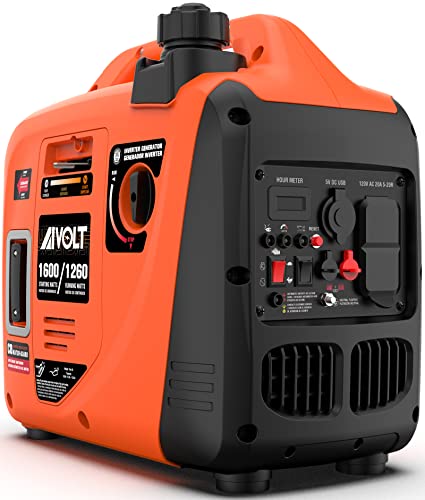
AIVOLT 1600W Super Quiet Inverter Generator 28lbs Portable

Pulsar PGD40ISCO Ultra Light Quiet 4000W Portable Gas Inverter Generator

WEN Quiet and Lightweight 4800-Watt RV-Ready Portable Inverter Generator 56477i
More Details On Our Top Picks
Genkins lands in that useful middle zone where campsite convenience matters more than brute force. The 2300-watt size suits light appliance loads, charging gear, and a small RV setup, so you’re not lugging around more generator than you need.
The inverter design matters because it aims to keep output steadier for sensitive electronics, which is handy on a weekend trip with phones, battery packs, or a compact fridge. The trade-off is straightforward, smaller output means less headroom for heavier cabin-style loads, so this pick fits modest setups best.
What We Like
- Portable size keeps campsite handling simple.
- Inverter output suits electronics better than basic open-frame units.
- Works well for light RV or tent-camp power needs.
- Lower output can mean easier packing and storage.
Points To Note
- Output is best for lighter-duty use, not larger power-hungry gear.
- Small portable units usually need routine fuel and storage care.
Core Details
Who It Suits Best
Campers with modest power needs and RV owners who want a lighter, easier-to-manage generator will get the most from this one.
Where A Sibling Pick Shines
WEN 3600-Watt Portable Inverter Generator 56360i is a stronger fit for travelers who want more breathing room for RV appliances and a bit less compromise.
Oxseryn moves into a higher-output lane than the Genkins, so it makes more sense for larger campsite needs and emergency backup planning. The open-frame style usually signals a sturdier, less compact build, which can be fine when your main concern is more usable power and less finesse.
The ECO mode feature is worth attention because it adjusts engine behavior to the load instead of keeping the same pace all the time. That can help with fuel efficiency in lighter-use moments, though the larger frame and stronger output mean you’ll give up some portability compared with the smaller picks above.
Upsides
- Higher wattage supports more demanding campsite equipment.
- ECO mode can suit slower, lighter loads during a trip.
- Open-frame build is often easier to live with for backup-style use.
- Good fit for RV owners needing more output than compact models offer.
Areas To Watch
- Open-frame construction usually feels bulkier than enclosed inverter designs.
- More output often means more storage and handling effort.
- Routine maintenance is easier to overlook on larger gas units, so upkeep matters.
Feature Snapshot
Built With In Mind
RV owners and campers with bigger electrical demands will benefit most from this larger, more capable setup.
Another Choice May Suit
ERAYAK 2400W Portable Inverter Generator is the better fit for travelers who care more about easier handling and smaller campsite footprints.
ERAYAK keeps the footprint tight, which makes sense for solo campers, tight garage storage, or a small trailer that already feels packed. Compared with the Oxseryn above, it gives up output for easier handling, and that trade-off is usually worth it for shorter trips or lighter power habits.
The ECO mode is a nice fit for lighter draws, and the inverter design is the main reason this model belongs in a camping roundup at all. The honest read is that it suits modest loads first, then everything else second, so it’s a calm choice rather than an overbuilt one.
Bright Spots
- Small size helps in cramped vehicle storage.
- Inverter output is friendlier to electronics.
- Gas engine keeps it in a familiar camping format.
- ECO mode supports lighter everyday demand.
Small Caveats
- Lower output means less flexibility for larger appliances.
- Compact models can feel more limiting during group trips.
Details At A Glance
Whose Shelf It Belongs On
This belongs with campers who want a compact generator that is easier to move than a larger RV-first unit.
Swap It Out When
WEN Quiet and Lightweight 4800-Watt RV-Ready Portable Inverter Generator 56477i makes more sense for RV travelers who want noticeably more headroom.
This WEN sits in a useful middle lane, larger than the tiny travel units but not so bulky that it starts feeling like a permanent garage resident. For weekend RV use, that balance can be exactly right, especially when you want a quieter inverter style without jumping all the way to the heavier 4,000-plus watt class.
Fuel shut off is the detail that stands out, because it helps the generator run the fuel system down before storage. That matters for campers who only use power a few times a month, since cleaner shutdown habits usually make storage less annoying later on.
Reasons To Buy
- 3600-watt output gives more room than compact camping units.
- RV-ready design suits travel trailers well.
- Fuel shut off supports easier long-term storage habits.
- Lightweight positioning helps compared with larger output models.
Worth Noting
- Still less powerful than the 4,000-plus watt picks here.
- Campers with larger appliance loads may outgrow it.
Feature Rundown
Best Suited To
You get the most from this pick when you want a practical RV generator that doesn’t push into oversized territory.
Look Elsewhere When
AIVOLT 4300W Inverter Generator Gas Powered Quiet RV Generator makes more sense for campers who know they need extra output and more feature depth.
AIVOLT brings together several camping-friendly details that matter once you start using a generator for more than phone charging. The 3450-watt running output, low-disturbance 60 dBA rating, and parallel-ready design point to a unit that can handle more serious trip setups without drifting into full contractor territory.
The clean-power language and CO auto-shutoff feature are the headline items here, and both are worth understanding in plain terms. Clean power, usually described as low total harmonic distortion, means smoother output for devices that dislike rough electrical noise, while auto-shutoff tied to carbon monoxide is a built-in protective behavior rather than a comfort feature.
Plus Points
- Higher running output opens the door to more campsite gear.
- 60 dBA rating helps keep the unit in a quieter camp-friendly range.
- Parallel readiness gives you a path to expand later.
- CO auto-shutoff and clean-power output suit modern electronics well.
- ECO mode can help the engine ease back during lighter use.
Trade Offs
- More capability usually means more weight and storage commitment.
- Feature-rich units need a little more attention during ownership.
- Campers with very light power needs may find this more generator than necessary.
Spec Overview
Who Will Love This
RV travelers and campers with larger, mixed electrical demands will appreciate the stronger output and extra feature set.
Reach For A Different Pick When
WEN 3600-Watt Portable Inverter Generator 56360i is the cleaner fit for campers who want a simpler middle-ground option without as many extras.
At 28 pounds, this AIVOLT makes sense for campers who value easy carrying more than high output. It’s the kind of unit that fits into a small vehicle corner without starting a storage argument with the rest of your gear, and that matters on short trips where setup should stay simple.
The 57 dBA noise rating is the other detail that stands out, especially for a quiet campsite or a backyard backup scenario. That lower output ceiling is the trade-off, though, so you’re choosing a light travel companion rather than a generator built to cover bigger appliance clusters.
Standout Traits
- 28-pound build keeps transport easier than larger units.
- 57 dBA rating suggests a calmer camping presence.
- Pure sine wave output supports sensitive gear better.
- 8-hour ECO mode suits longer light-duty stretches.
- CO auto-shutoff adds an extra safety-minded behavior.
Room For Improvement
- 1260-watt running output is best for lighter demand.
- Small fuel capacity expectations usually suit shorter sessions.
- Storage and transport are easy, but total power is limited.
Feature Card
Who Should Grab It
Solo campers, short-trip travelers, and anyone packing light will get the most from this generator.
Where A Sibling Pick Shines
Genkins 2300 Watt Portable Inverter Generator is the stronger pick for campers who need more output but still want a manageable portable unit.
Pulsar’s PGD40ISCO sits between the small travel units and the larger RV-focused machines, which is useful territory for campers with mixed needs. The 4,000 peak watt and 3,200 rated watt split gives you a more practical sense of its ceiling and its steady operating level, and that distinction matters because peak power is just the short burst while rated power is the long-haul number.
The 1-gallon tank and 4-hour half-load runtime point to a generator built for shorter sessions rather than all-day fuel-free convenience. That makes it a good fit for weekend use, emergency backup, or a campsite where you only run power in stretches instead of leaving it on continuously.
Strong Points
- 4000 peak watts and 3200 rated watts give useful mid-range flexibility.
- 59 dB operation keeps it in a quieter category for the output class.
- Useful for RVs, air conditioning units up to 13,500 BTU, and sensitive electronics.
- 1-gallon tank keeps the footprint compact.
Honest Caveats
- Four-hour half-load runtime means refueling planning still matters.
- Open use around larger loads can shorten the stretches between stops.
- White finish may show campsite dust and grime more readily.
Quick Facts
The Right Fit
Campers who want a mid-size generator for RV use, emergency backup, or mixed outdoor loads will find this one well matched.
Skip It When
AIVOLT 1600W Super Quiet Inverter Generator 28lbs Portable is a smarter match for ultra-light packers who care more about carrying ease than power reserve.
This WEN is the biggest-output option in the group, so it naturally suits campers who want more reserve than the 3600-watt version can give. For RV travel, that extra headroom is the real story, because larger appliances and more simultaneous use tend to expose a smaller generator pretty quickly.
Fuel shut off returns here as a useful storage-friendly feature, and it pairs well with the unit’s quieter, portable framing. The trade-off is size and weight, which usually rise as output climbs, so this makes more sense for trips where capacity matters more than minimal carrying effort.
Best Bits
- 4,800 watts gives the most output in this shortlist.
- RV-ready design fits trailer-oriented setups well.
- Fuel shut off helps with simpler storage routines.
- Quiet and lightweight positioning keeps it camping friendly for its class.
Areas To Watch
- Higher output usually means a larger unit to move and stow.
- Casual campers may find it more generator than they need.
Feature Rundown
Made For
You’ll get the most from this model when your RV or campsite setup needs more room to grow.
Not Your Match When
ERAYAK 2400W Portable Inverter Generator is a better call for campers who want something smaller and easier to carry.
How To Choose The Right Generators For Camping Quiet
Noise, Size, And Load Matter Together
Quiet camping power starts with honest load matching. A 1600W unit like the AIVOLT is fine for lighter gear, while a 4800W model makes more sense for RV appliances or longer backup needs.
Noise level matters just as much, because 57 to 60 dBA feels noticeably different from a louder open-frame machine. That gap shows up most at packed campgrounds, where a calmer generator makes setup feel less awkward.
Portability is the other side of the equation. A 28-pound model is easier to move, but a heavier higher-output unit usually gives you more headroom and less compromise.
Inverter Output And Clean Power
Inverter generators reshape electrical output so it’s steadier for phones, laptops, battery chargers, and other sensitive gear. That’s why most of the best camping picks here use inverter designs rather than basic construction-site style units.
Total harmonic distortion, often shortened to THD, describes how clean the electricity looks to the device. Lower THD is the friendlier choice for modern electronics, especially on trips where one bad power habit can turn into a headache.
For most campers, that matters more than raw wattage alone. A smaller inverter unit can be the smarter call than a larger open-frame model that sounds rougher and takes up more room.
Fuel Use, Run Time, And Storage
Tank size and runtime shape how often you need to stop and refuel. Pulsar’s 1-gallon tank and 4-hour half-load runtime show why short trip planning matters, while ECO mode on several models helps the engine ease back during lighter use.
Storage features such as fuel shut off are worth real attention. They make post-trip cleanup less annoying and help keep the machine ready for the next outing without unnecessary hassle.
Maintenance habits matter too, because gas generators ask for basic care over time. Clean storage, fresh fuel, and routine checks usually keep ownership smoother than relying on a set-it-and-forget-it mindset.
RV Travel Versus Tent Camping
RV travelers often need steadier output and more flexibility, so the WEN 4800W and AIVOLT 4300W feel better suited to that life. Tent campers and solo travelers usually care more about carrying ease and noise, which is where the ERAYAK and AIVOLT 1600W stand out.
The middle group is the easiest to miss. That’s where models like the WEN 3600i and Genkins 2300W live, giving you enough power for real campsite use without making the generator the main event.
Think in terms of your longest typical weekend, not your rarest power need. That keeps you from overbuying a machine that sits half-used and takes up more space than your camping kit deserves.
Things Worth Knowing First
Mistakes Worth Dodging
Many shoppers focus on peak watts and ignore the steady rating, which is the number that matters for regular use. That mistake can leave you underpowered once the generator settles into normal operation.
Another common slip is overlooking how often you’ll carry the unit. A model that feels fine on paper can become a nuisance the second you have to move it around gravel, tailgates, and cramped storage.
The Upgrade Payoff
Higher-tier generators usually cost more because they combine cleaner output, more wattage, and nicer storage features such as fuel shut off or parallel readiness. You’re paying for flexibility, not just for a bigger number on the housing.
The upgrade makes sense for RV travelers, frequent campers, and anyone running multiple devices at once. For lighter trips, a simpler unit often keeps life easier and the setup less crowded.
Final Thoughts
The quiet camping generator you want depends on how you travel, not just how much power sounds impressive. ERAYAK and the AIVOLT 1600W make sense for light packing, WEN 3600i and Genkins cover the middle ground, and the larger WEN, AIVOLT 4300W, Oxseryn, and Pulsar models step in when your RV or backup needs grow. Match the unit to your real trips, and you’ll end up with something that feels useful instead of oversized. That’s the cleanest way to choose.