

Camping gets a lot easier when your power setup matches the trip instead of fighting it. You want something that can run lights, a fan, a coffee maker, or charge phones without turning your campsite into a headache. That’s especially true for long weekends, RV stops, and home backup use that spills into outdoor travel. The eight picks below cover the range from featherweight campsite units to high-capacity power stations with real staying power.
Quick Look At Our Shortlist
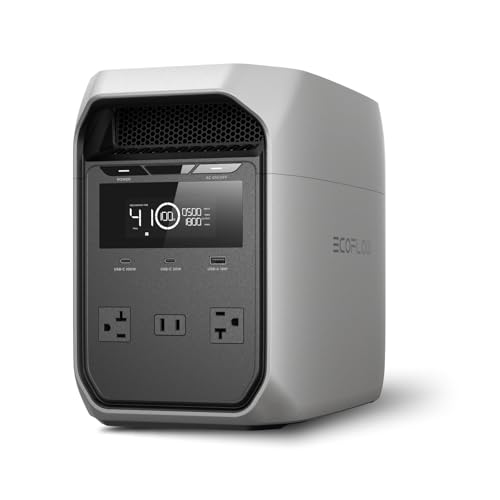
EF ECOFLOW Delta 3 Classic, 1024Wh Power Station

Westinghouse 2550 Peak Watt Portable Inverter Generator

Jackery Explorer 2000 v2 Portable Power Station
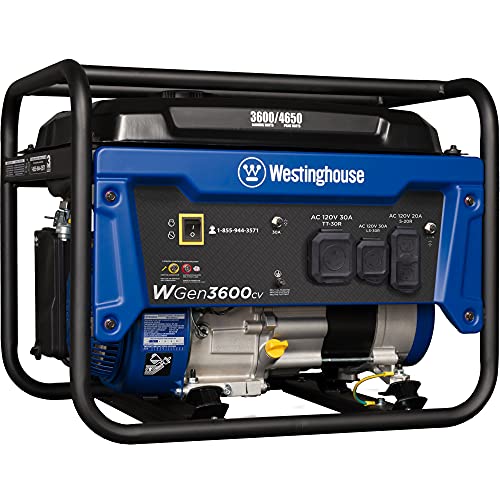
Westinghouse 4650 Peak Watt Portable Generator

Oxseryn Power Equipment 4400 Watts Inverter Generator
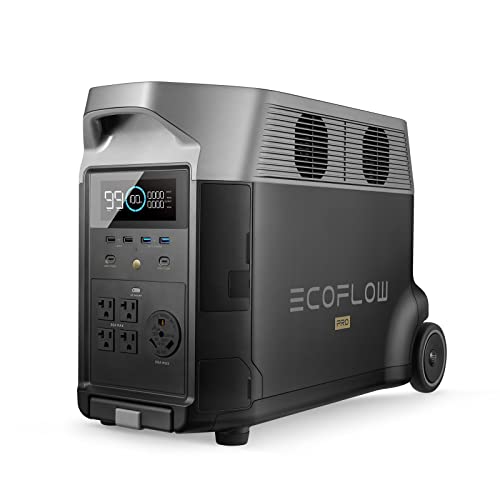
EF ECOFLOW DELTA Pro 3600Wh Portable Power Station

WEN Quiet and Lightweight 3600-Watt Dual Fuel RV-Ready Portable Inverter Generator (DF360iX)
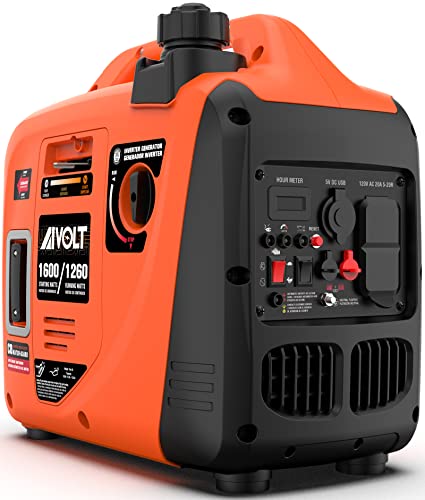
AIVOLT 1600W Super Quiet Inverter Generator 28lbs
More Details On Our Top Picks
A campsite power station like this suits you when silence matters more than fuel storage. The 1024Wh battery gives you room for lighting, device charging, and smaller appliances, while the 1800W AC output with 3600W surge covers brief startup spikes that many electronics need. The 100W USB-C output is handy for laptops and newer devices, and the 10ms UPS mode means fast switchover for gear that dislikes interruptions.
The trade-off is capacity, because a unit in this class fits most weekend routines better than a full-family power marathon. LiFePO4, or lithium iron phosphate, is the battery chemistry here, and that usually appeals to campers who want steadier long-term use patterns rather than a gas-powered routine. Compared with the Westinghouse gas picks below, this one is cleaner to store and simpler to place inside an RV or cabin setup.
Strong Points
- 1024Wh capacity gives you practical room for phones, lights, and small cooking gear without feeling tiny.
- 1800W AC output suits many campsite appliances that need more than a basic charging station.
- 100W USB-C helps you keep a laptop or tablet powered without extra adapters.
- 10ms UPS behavior matters for equipment that should not lose power during a quick switch.
- LiFePO4 chemistry is a good fit for frequent travel use and regular recharge routines.
Things To Consider
- Large appliances can drain this class of station faster than casual users expect.
- It makes more sense for electric loads than for long, fuel-style off-grid duty.
- Storage still takes planning, since a higher-capacity station is not a pocket item.
Feature Snapshot
Who It Suits Best
You get the most from this pick as a weekend camper, RV traveler, or home backup user who wants quiet power without fuel handling.
Where A Sibling Pick Shines
Jackery Explorer 2000 v2 Portable Power Station suits longer off-grid stays better, since its larger battery gives you more cushion for heavier daily use.
This one fits the camping rhythm where portability still matters more than brute force. The gas-and-propane setup gives you fuel flexibility, and the RV-ready 30A outlet lines up neatly with travel trailers that need a straightforward hookup. Parallel capability is useful for outings that start simple but sometimes need more output later, which is where this unit feels more adaptable than the AIVOLT compact pick.
Its CO sensor adds a sensible layer for enclosed or semi-enclosed use zones, though you still need normal generator placement habits and common sense around exhaust. The honest read is that you’re trading some simplicity for more setup than a power station, but that trade suits campers who already think in fuel, runtime, and outlet placement. For couples and small trailer setups, it lands in a very usable middle ground.
What We Like
- Dual-fuel setup gives you more flexibility around campsite fuel planning.
- RV-ready 30A outlet makes trailer hookups feel less improvised.
- Parallel capability gives you room to expand output later.
- Lightweight design helps on trips where you move gear in and out often.
- CO sensor adds a practical safety-minded feature for travel use.
Room For Improvement
- Fuel-based operation asks for more storage and setup than a battery station.
- The output class fits modest loads better than heavy cabin duty.
- Owners commonly keep up with oil and fuel maintenance, so it is less hands-off than a power station.
Core Details
Who Will Love This
You fit this generator best as a camper or trailer owner who wants fuel flexibility and a simple RV-ready outlet setup.
A Better Fit Elsewhere
EF ECOFLOW Delta 3 Classic, 1024Wh Power Station suits you better for quiet overnight use and indoor-adjacent backup tasks.
For longer camping runs, this power station starts to make more sense than the smaller EcoFlow Delta 3 Classic. The 2042Wh battery gives you a noticeably larger reserve, and the 2200W AC output opens the door to more demanding appliances that a modest unit may leave out. USB-C PD at 100W is useful for newer laptops and tablets, so your charging kit stays simple.
The LiFePO4 battery chemistry usually appeals to people who expect repeat use across seasons rather than occasional weekend duty. The optional solar panel setup adds flexibility for off-grid routines, though you still need to plan around panel placement and sunlight. It feels like a solid match for extended stays, cabin weekends, and outage backup where a larger reserve matters.
Upsides
- 2042Wh capacity gives you extra breathing room for multi-day camping.
- 2200W AC output supports more power-hungry gear than smaller stations.
- 100W USB-C PD is a clean fit for modern laptops.
- LiFePO4 battery chemistry suits repeated charging cycles and regular travel use.
- Solar-panel-ready setup adds flexibility for off-grid charging plans.
Softer Spots
- More capacity usually means more to carry and store.
- Big battery reserves are useful, but they still depend on careful recharge planning.
- The optional solar panel means the full setup can take more space than a basic station.
Details At A Glance
Best Suited To
You suit this pick best as an extended-stay camper, cabin user, or backup-focused household that wants larger reserve power.
Look Elsewhere When
Westinghouse 2550 Peak Watt Portable Inverter Generator makes more sense for lighter trailer trips where fuel flexibility matters more than battery capacity.
This gas generator pushes farther than the smaller Westinghouse inverter above, so it belongs in camps where higher power matters more than quiet, battery-style convenience. The RV-ready 30A outlet makes trailer hookup easier, and the CO sensor adds a sensible protection feature for routine travel use. It suits camp kitchens, larger trailers, and backup-minded setups that need more running room.
The trade-off is straightforward, because fuel handling and maintenance sit at the center of ownership. You also give up the low-noise, plug-and-play feel of the ECOFLOW stations, which matters in crowded campgrounds. For folks who want a firmer generator workhorse and do not mind the usual gas-generator routine, this one has a clear role.
Highlights
- Higher peak output helps with larger campsite electrical needs.
- 30A RV-ready outlet keeps trailer use practical.
- CO sensor supports more cautious setup habits.
- Gas power fits trips where runtime planning matters more than battery charging.
- Better suited to heavier loads than the compact camping stations.
Areas To Watch
- Fuel operation means more upkeep than a battery station.
- Noise matters more here than on the quieter inverter and power-station picks.
- Storage and transport feel more involved than with lighter compact units.
Core Details
Who Should Grab It
You fit this generator best as an RV camper or home-backup user who needs more output than a compact inverter usually provides.
Skip It When
Jackery Explorer 2000 v2 Portable Power Station suits you better for quieter camping and simpler storage.
The open-frame style puts this Oxseryn unit in a different lane from the quieter inverter and power-station picks. You get a gas-powered generator with ECO mode, which can help make its behavior feel less wasteful during lighter loads, and RV-ready compatibility keeps it relevant for travel use. It makes sense for campers who want a stronger portable generator without moving all the way up to the heftier Westinghouse 4650.
The honest read is that open-frame generators usually feel more utilitarian than refined, so noise and storage deserve attention before you commit. That said, the 4400-watt class gives you useful headroom for gear that simply asks for more than compact stations can comfortably provide. It fits budget-conscious RV trips and emergency backup thinking, especially where output matters more than a sleek footprint.
Reasons To Buy
- 4400-watt class gives you stronger output than smaller camping generators.
- ECO mode helps tailor fuel use during lighter demand.
- RV-ready design keeps it useful for travel trailers.
- Open-frame construction usually makes service access feel straightforward.
- Good match for mixed home-and-camp use.
Minor Gripes
- Open-frame designs usually occupy more visual and physical space.
- Noise is a more visible trade-off than on inverter or battery picks.
- Storage can feel less tidy in packed vehicle cargo areas.
Feature Rundown
The Right Fit
You suit this pick best as an RV camper or homeowner who wants stronger portable output without stepping into larger premium gear.
A Better Fit Elsewhere
WEN Quiet and Lightweight 3600-Watt Dual Fuel RV-Ready Portable Inverter Generator suits you better if fuel flexibility and a more refined travel setup matter more.
This is the heavyweight power station in the lineup, and that shows up fast in both capacity and output. With 3600Wh on tap and 3600W AC output, it belongs in bigger camping setups where you want to keep multiple devices and larger appliances moving without reaching for a gas unit. The 2.7-hour fast-charge spec and expandable design up to 25kWh make it feel more like a system than a single box.
That scale comes with a real-world trade-off, since this is more station than casual campsite companion. It suits you best for long-haul RV life, frequent outage backup, or campsite setups with serious electrical demand. Compared with the Jackery Explorer 2000 v2, it gives you more headroom, but also asks for more budget and more planning.
Best Bits
- 3600Wh capacity supports long, demanding use cases.
- 3600W AC output gives you broad appliance compatibility.
- 2.7-hour fast-charge spec helps reduce wait time between uses.
- Expandable design lets you build a larger system later.
- Works well for camping, RV living, and backup-minded ownership.
Points To Note
- Size and cost of ownership are clearly above smaller stations.
- More power means more planning around placement and transport.
- It suits committed use better than occasional pack-and-go trips.
Spec Overview
Who Will Love This
You fit this pick best as a long-stay camper, RV traveler, or backup-focused home user who wants a large battery reserve.
Reach For A Different Pick When
Jackery Explorer 2000 v2 Portable Power Station suits you better for a lighter large-capacity choice with less overall scale.
Dual-fuel flexibility is the main reason this WEN stands out, because it gives you options without pushing you into a giant generator footprint. The RV-ready design keeps it practical for trailer use, and the fuel shutoff feature is useful for storage routines that value cleaner shutdown habits. For campers who split time between home backup and travel, that balance lands nicely.
The CO Watchdog feature and lightweight framing make it feel more travel-aware than the larger gas units, though it still asks for normal generator care. Compared with the Westinghouse 2550 Peak Watt model, this one gives you a different scale and a stronger sense of versatility. The catch is that you still deal with fuel, so it rewards people who are comfortable with the usual maintenance routine.
Plus Points
- Dual-fuel operation gives you useful flexibility on longer trips.
- RV-ready design works well with trailers.
- Fuel shutoff helps make storage and shutdown habits cleaner.
- CO Watchdog adds a smart-minded monitoring feature.
- Quiet and lightweight framing makes transport feel less burdensome.
Worth Noting
- Fuel-based ownership still brings routine maintenance.
- It is not as simple to store as a battery station.
- Travel convenience is better than ultra-compactness, not magic.
Quick Facts
Built With In Mind
You fit this generator best as an RV camper or mixed-use shopper who wants fuel flexibility and a more travel-focused format.
Where Shoppers Go Wrong
Westinghouse 4650 Peak Watt Portable Generator suits you better when heavier output matters more than dual-fuel versatility.
Portability is the whole point here, and the 28-pound weight tells you exactly who this is for. The 1600W maximum output, 1260W running figure, and pure sine wave output make it a reasonable fit for lighter campsite electronics, while the 57dBA noise claim keeps it in the quieter camp of gas generators. For solo campers and short trips, that mix is easier to live with than a bulkier unit.
The ECO mode and CO auto-shutoff add practical touches, though this still behaves like a fuel generator rather than a plug-and-forget station. Compared with the WEN or Westinghouse units, it asks less of your vehicle space and more of your load discipline. That’s the trade-off, and it’s a fair one for people who want a small, easy-carry generator for basic camping tasks.
Bright Spots
- 28-pound weight keeps campsite carry much easier.
- 57dBA noise rating is a helpful fit for quieter camp settings.
- Pure sine wave output is friendly to sensitive electronics.
- ECO mode helps the unit adapt to lighter demands.
- CO auto-shutoff adds a useful monitoring feature.
Small Caveats
- Output suits lighter gear better than heavy appliances.
- Fuel ownership still means storage and routine attention.
- Smaller size works well for travel, but not for bigger campsite loads.
Technical Sheet
Whose Shelf It Belongs On
You fit this generator best as a solo camper or short-trip traveler who wants a light, quiet option for basic power needs.
Another Choice May Suit
Westinghouse 2550 Peak Watt Portable Inverter Generator suits you better when you need more output and RV-ready flexibility.
How To Choose The Right Generators For Camping
Match Output To Your Actual Load
Your first job is to match power output to the gear you really plan to run. A small lantern-and-phone setup can live with a compact inverter like the AIVOLT, while a trailer with a microwave, coffee maker, or air support needs more headroom from something like the WEN, Westinghouse 4650, or the ECOFLOW DELTA Pro. Surge rating matters too, because appliances often ask for extra power at startup.
Decide Between Fuel And Battery
Battery stations suit quieter camps, indoor-adjacent storage, and low-hassle charging. Fuel generators suit longer runtimes, faster refueling, and stronger output for heavier campsite loads. The trade-off is simple, battery units are easier to live with, while gas units usually ask more of you in storage and maintenance.
Think About Portability And Storage
Weight changes how often you actually carry the thing. A 28-pound generator can be moved by one person without much drama, while a bigger station like the DELTA Pro belongs in a planned setup rather than casual packing. Trailer owners can tolerate more bulk than backpack-style campers, so the right answer depends on how often you load and unload gear.
Look At Camping-Friendly Details
RV-ready outlets, pure sine wave output, CO sensors, ECO mode, and fast charging all matter in different ways. RV-ready outlets save hassle at hookup time, while pure sine wave output helps sensitive electronics feel better supported. ECO mode and fast-charge features matter most for campers who want to conserve fuel or reduce downtime between outings.
A Quick Reality Check
Common Shopping Slip Ups
A lot of camping power problems start with underestimating load. A station that handles phones and lights may struggle with a kettle or compressor, so the smarter move is to check startup demand before you commit. Noise and storage are easy to overlook too, then suddenly your “portable” unit feels awkward in a packed SUV.
What The Higher Tier Buys
Higher-tier models usually spend their extra cost on larger batteries, stronger output, faster recharge behavior, or expandable setups. You also see more polish in charging options, outlet variety, and battery chemistry choices like LiFePO4. That upgrade makes the most sense for frequent campers, RV users, and anyone treating the unit as backup power at home too.
Closing Thoughts
Camping power gets much easier once you match the machine to the trip. A compact inverter suits light, mobile use, a midrange fuel unit works for RVs and modest campsite loads, and the larger power stations earn their place when you want quieter operation with stronger reserve power. The best choice is the one that fits how you camp most often, not the one with the longest feature list.