

Cold rides ask a lot from your hands. You want grip on the bars, enough dexterity for brakes and shifters, and warmth that does not turn into bulky regret halfway through the commute. The eight picks below cover liner-style gloves, insulated winter gloves, and handlebar pogies, so you can match the solution to your route instead of forcing one setup to do everything. For daily riders, that difference matters more than flashy claims.
The Shortlist At A Glance
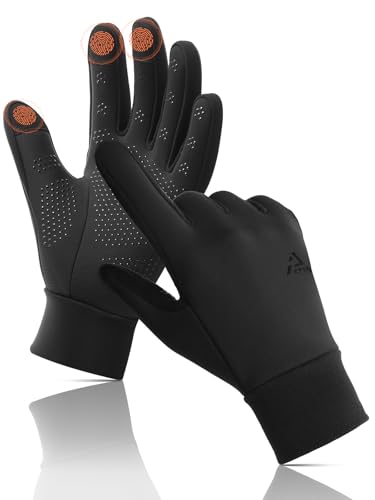
Aerynx Winter Gloves Women Men Cold Weather Touch Screen 3-Layers Liner Glove
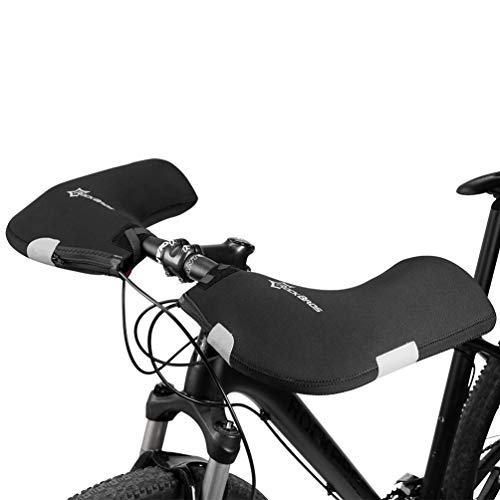
ROCKBROS Bike Pogies Windproof Neoprene Handlebar Mitts
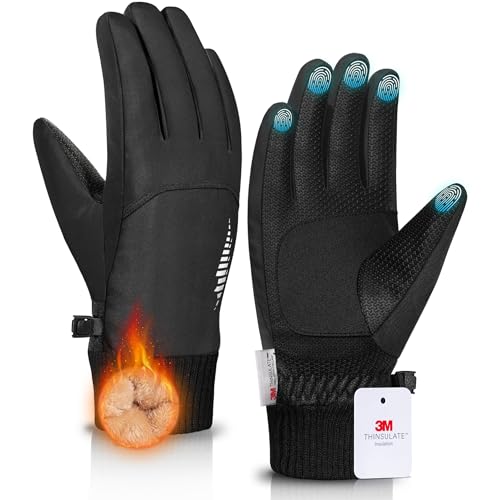
rivmount Snow Winter Gloves with Waterproof Touchscreen Thermal Warm

GripGrab Waterproof Knitted Thermal Cycling Gloves Full Finger Rain Glove

GripGrab Ride Waterproof Winter Cycling Gloves Windproof Thermal Padded

rivmount Winter Gloves Women Men Cold Weather Touch Screen Liner Glove
krosa Winter Gloves Men Women Made with 3M Insulation Plush Lining

GXCROR Winter Gloves Windproof 3M Thermal Insulation Touchscreen Anti-Slip
More Details On Our Top Picks
This liner-style pair makes sense for commuting, walking the bike to the curb, and short winter errands where you still need brake feel. The three-layer build points toward a warmer, less bulky hand feel than a thin knit glove, though that also means less room for a personal fit experiment. Men XS to S and women S to M, plus Men S to M and women M to L, show a sizing spread that suits smaller to medium hands.
Touchscreen fingertips matter most on a cold stoplight or a train platform, because you do not need bare skin just to check a map. The honest read is that this style works best for moderate cold and layering, not for the deepest winter rides. Compared with the more insulated krosa and GXCROR picks, this one stays simpler and more flexible.
Strong Points
- Three-layer construction suits cooler rides without feeling overly stiff.
- Touchscreen support helps you handle phone tasks without pulling the gloves off.
- Multiple size bands make it easier to match smaller hands.
- Thin profile fits well for commuting, errands, and casual spins.
Points To Note
- Less bulk usually means less insulation than thicker winter cycling gloves.
- Liner-style gloves can feel too light for long, exposed descents.
- No palm padding is listed, so comfort depends more on your bar setup.
Core Details
Who It Suits Best
These suit commuters and casual cyclists who want a lighter winter glove for short to moderate rides.
A Better Fit Elsewhere
GripGrab Ride Waterproof Winter Cycling Gloves fit better for you if your winter rides are longer and you want more weather sealing than the Aerynx liner style provides.
Pogies change the equation by covering the handlebar area instead of only dressing your hands, so they can feel like a shelter for exposed winter riding. The 6mm neoprene shell, meaning a thick synthetic rubber foam used for insulation, is the headline feature here, and it pairs well with a thin glove underneath for riders who hate bulky finger gloves. Reflective details and Velcro attachment make this a more purpose-built setup than the liner gloves above.
For cold, windy routes, the trade-off is obvious, because you gain serious weather blocking but give up the simplicity of a normal glove. This suits commuters and riders on familiar bikes far more than people who swap bikes often. Compared with GripGrab’s glove options, these handlebar mitts shift the warmth burden away from your fingers and onto the cockpit itself.
Highlights
- 6mm neoprene helps block wind before it reaches your hands.
- Works with a thin inner glove, so you can keep more finger control.
- Reflective details add visibility for early starts and dark returns.
- Velcro attachment keeps installation straightforward on many bars.
Areas To Watch
- Handlebar mitts are bulkier to store than a normal pair of gloves.
- They suit one bike setup better than frequent bike changes.
- Rain and snow resistance help, but cockpit coverage still needs a proper fit.
Feature Rundown
Built With In Mind
These suit cold-weather cyclists who ride the same bike often and want maximum hand shelter without oversized gloves.
Swap It Out When
GripGrab Waterproof Knitted Thermal Cycling Gloves make more sense for riders who want the same bike-ready feel on different bikes and prefer a normal glove format.
This rivmount pair sits in the middle ground, which is useful for riders who see changing weather on the same week. Waterproofing, touchscreen support, and thermal warmth make it a broad-appeal option for commutes, mixed errands, and casual cold-weather rides. You get less specialization than the ROCKBROS pogies, but also less setup fuss.
That balance usually helps more than a flashy spec sheet when your ride starts dry and ends with light snow. The feel here should suit people who want one glove for cycling, walking, and daily carry, rather than a race-oriented shape. Compared with the Aerynx liner glove, this one aims at colder, wetter days.
Reasons To Buy
- Waterproofing suits slushy or damp winter rides.
- Touchscreen support keeps phone handling simple at stops.
- Thermal warmth makes it a stronger cold-weather choice than light liners.
- Works across running, cycling, and general outdoor use.
Small Caveats
- Broader use usually means less cycling-specific refinement than dedicated road gloves.
- Waterproof builds can feel warmer but also less airy on milder days.
- Touchscreen function often depends on fingertip contact and fit.
Details At A Glance
The Right Fit
These suit everyday cyclists who want one pair for winter travel, short exercise rides, and routine outdoor tasks.
Look Elsewhere When
GripGrab Ride Waterproof Winter Cycling Gloves are the stronger match for riders who want a more cycling-specific fit and a closer bar feel.
Road riders who spend time in wet winter weather usually notice the difference between a glove that just covers the hand and one that manages grip, moisture, and finger control together. This GripGrab model is built around a windproof, breathable membrane, meaning a thin barrier that resists gusts while still letting some moisture escape, plus an anti-slip palm and reflective details. It feels more technical than the liner-style Aerynx and rivmount picks, and less bulky than the pogies.
The reinforced thumb crotch, the join between thumb and palm, is the kind of detail that matters on longer rides because that zone takes a lot of wear from gripping and shifting. For gravel and MTB use, the secure palm pattern should help when the bars get wet or rough. The honest trade-off is that full-finger rain gloves often work best for riders who accept a snug fit and want weather control more than plush padding.
What We Like
- Breathable membrane helps manage wet, windy rides without feeling sealed off.
- Anti-slip palm supports steadier control on slick bars.
- Reflective details are useful for darker commutes.
- Reinforced thumb zone should hold up well under repeated use.
Worth Noting
- Snug cycling gloves can feel restrictive for riders who prefer a looser fit.
- No padding is listed, so longer rough-road rides may call for a different style.
- Knitted outer construction may need more careful drying after wet outings.
Feature Snapshot
Whose Shelf It Belongs On
These suit road, gravel, and mountain cyclists who want a rain-ready glove with a tidy, performance-first fit.
Where A Sibling Pick Shines
GripGrab Ride Waterproof Winter Cycling Gloves make more sense for you if padded comfort matters more than the lighter, rain-focused feel here.
This is the kind of glove that makes sense once your winter rides get longer and rougher, because it combines weather sealing with padding in the palm. The fleece lining gives it a warmer, softer interior than the GripGrab rain glove above, while the 4mm DoctorGel padding, a gel insert in the palm area, aims to take pressure off your hands on bumpy roads or gravel. Hook-and-loop closure at the cuff helps you dial in the wrist opening.
One detail worth considering is the close fit, since GripGrab recommends sizing up relative to summer cycling gloves for comfort. That makes it a better match for riders who pay attention to fit and want a more dialed-in bar feel than a loose winter mitt. Compared with the Aerynx and rivmount liner styles, this one is much more bike-specific and less casual.
Upsides
- Fleece lining adds a warmer, softer interior for winter mileage.
- 4mm DoctorGel padding helps cushion pressure on longer rides.
- Windproof and waterproof membrane supports wet, cold conditions.
- Hook-and-loop cuff helps keep the wrist area secure.
- Close fit supports better lever feel and handling.
Room For Improvement
- Close-fitting cycling gloves can feel fussy until you choose the right size.
- More insulation and padding can mean less airy comfort on milder days.
- Padding and lining add warmth, but they also make drying time longer after wet rides.
Core Details
Perfect Match For
These suit cyclists who ride in colder weather, want real palm cushioning, and prefer a snug, performance-style glove.
Not Your Match When
GXCROR Winter Gloves Windproof 3M Thermal Insulation Touchscreen Anti-Slip are easier to live with for casual winter use and less demanding ride lengths.
For everyday winter layering, this rivmount liner glove keeps things simple. The three-layer windproof build points toward more warmth than a basic knit glove, and touchscreen fingertips make it handy for riders who stop for messages, maps, or route changes. It feels closer in purpose to the Aerynx pair than to the heavier GripGrab options.
That simplicity is the appeal, especially for riders who already wear a shell jacket and only need a lighter hand layer. The trade-off is predictable, because liner gloves rarely give the same weather shield as padded cycling gloves or handlebar pogies. Still, for short commutes and mixed errands, the lighter profile can be the easier thing to live with.
Best Bits
- Three-layer construction gives a warmer feel than a basic knit liner.
- Touchscreen support keeps cold-stop phone use more manageable.
- Light profile works well under a shell or outer glove.
- Useful for cycling, walking, hiking, and driving in one setup.
Softer Spots
- Thin liner styles are less protective than insulated cycling gloves.
- Close contact fit can highlight sizing issues more than looser gloves.
- Touchscreen fingertips can wear faster with heavy daily use, depending on handling.
Quick Facts
Who Should Grab It
These suit riders who want a straightforward liner for commuting, layering, and low-fuss winter errands.
Reach For A Different Pick When
GripGrab Ride Waterproof Winter Cycling Gloves fit better for riders who want a more specialized cycling glove with stronger weather sealing and palm support.
Some winter rides call for a glove that leans warmer right from the start, and this krosa pair is built around that idea. 3M insulation, a well-known synthetic insulation material, and plush lining point to a thicker, more heat-focused feel than the liner gloves in spots one and six. The listed windproof and water-resistant design, plus touchscreen fingers and reflective strips, make it feel suited to dark, cold, mixed-use days.
The trade-off is bulk, plain and simple, because warmth usually comes with a more substantial hand profile. That can be fine for riders with exposed commutes or long waits at transit stops, but not everyone wants a thicker glove on the bars. Compared with GXCROR, this one leans a bit more into cold protection than flexibility.
Bright Spots
- 3M insulation and plush lining point to stronger cold-weather comfort.
- Windproof and water-resistant construction helps in rough winter conditions.
- Reflective strips are useful for darker commutes.
- Touchscreen fingertips keep phone use more convenient in the cold.
Areas To Watch
- Thicker insulation can feel less nimble on the bars.
- Bulkier gloves may take longer to dry after wet storage or a damp ride.
- Heavier warmth can be too much for mild winter afternoons.
Feature Card
Made For
These suit cold-weather cyclists who want more warmth than a liner glove and do not mind extra hand volume.
Another Choice May Suit
GXCROR Winter Gloves Windproof 3M Thermal Insulation Touchscreen Anti-Slip suit riders who want a similar warmth-first idea with a slightly more flexible everyday feel.
GXCROR lands in a useful middle lane for riders who want winter warmth without a heavily specialized feel. The fabric blend, 44 percent nylon, 40 percent polyester, and 16 percent spandex, gives the glove stretch and structure, while fleece at the knuckles and a double-layer cuff aim to keep the cold from creeping in. Compared with the krosa pair, this one sounds a little more flexible and less locked into deep-winter bulk.
3M Thinsulate insulation, a lightweight insulating fill, is the part that usually attracts attention because it promises warmth without making the glove feel overbuilt. Anti-slip grip and touchscreen support round out a setup that fits cycling, hiking, driving, and general outdoor use. For mixed winter routines, that balance can be the sweet spot, not fancy, just sensible.
Plus Points
- Stretchy fabric blend should help the glove follow hand movement more naturally.
- 3M Thinsulate insulation brings warmth without a heavy, padded feel.
- Fleece at the knuckles adds comfort in a sensitive spot.
- Double-layer cuff helps seal in warmth near the wrist.
- Anti-slip and touchscreen features make day-to-day use easier.
Honest Caveats
- General-purpose winter gloves rarely match the fit precision of dedicated road gloves.
- More fabric layers can mean more drying time after wet storage.
- Touchscreen performance usually depends on fingertip contact and glove fit.
Core Details
Who It Suits Best
These suit commuters and mixed-activity cyclists who want one winter glove that stays flexible, warm, and easy to live with.
Skip It When
GripGrab Ride Waterproof Winter Cycling Gloves make more sense for you if a dedicated cycling fit and stronger rain protection matter more than everyday flexibility.
How To Choose The Right Gloves For Cycling In Winter
Fit Starts With Your Ride Length
Cold-weather cycling gloves work best when they match the length and intensity of your ride. A short commute often suits liner-style gloves like Aerynx or rivmount, since you get dexterity and less bulk, while longer exposed rides usually call for more insulation or a more protective setup like the GripGrab pair or ROCKBROS pogies.
Fit matters more than many shoppers expect. A snug glove helps keep control on the bars, but a glove that feels tight from the start can get worse once you wrap your hand around the grip for twenty minutes.
Warmth, Wind Control, And Moisture
Warmth is only part of the equation, because winter rides also bring wind chill, spray, and damp cuffs. Windproof membranes, neoprene, fleece lining, and 3M insulation each solve a different part of that problem, so the right match depends on your weather.
For wet city routes, water resistance and reflective details help the most. For dry but bitter mornings, thicker insulation may matter more than extra waterproof layers.
Dexterity Versus Protection
Cycling is a hand-sensitive activity, so you still need to feather brakes, shift cleanly, and handle a phone at a stop. Thin liner gloves usually keep dexterity high, while padded winter gloves and pogies improve protection at the cost of some finger freedom.
That trade-off is normal. Riders who value crisp bar feel often prefer a closer glove, while those who freeze easily usually accept a little bulk in exchange for warmth.
Extra Details That Change Daily Use
Touchscreen fingertips, hook-and-loop cuffs, reflective strips, anti-slip palms, and reinforced wear zones all sound small, but they influence how a glove lives in real use. Touchscreen materials help on cold mornings, while a secure cuff and grippy palm make messy weather easier to manage.
Cleaning and drying also matter. Warmer, more layered gloves usually take longer to dry, so commuters who ride daily often appreciate simpler construction that does not stay damp overnight.
Things Worth Knowing First
Wrong Turns To Avoid
A common mistake is buying for temperature alone and ignoring handlebar control. Thick winter gloves can feel cozy in the living room and clumsy on brakes or shifters, especially on twisty routes or stop-and-go commutes.
Another slip-up is choosing a one-pair solution for every winter scenario. A lightweight liner, a weather-sealed cycling glove, and a handlebar mitten each serve a different use case, and that difference shows up fast once the weather turns rough.
Where The Extra Money Goes
Higher-tier gloves usually spend more on the parts you feel every minute: membrane fabrics, better insulation, palm padding, reflective trim, and more specific shaping. In cycling terms, that means less leaking wind, better grip, and a fit that stays steadier on the bars.
That upgrade makes sense for daily riders and longer winter routes. For casual weekend spins, a simpler liner or middle-ground glove often covers the need without the extra bulk.
Final Thoughts
The right winter cycling glove depends on how exposed your hands are and how much control you want at the bars. For pure weather shielding, ROCKBROS pogies change the game by covering the cockpit, while GripGrab’s cycling gloves lean harder into fit and ride feel. For easier everyday use, the Aerynx, rivmount, and GXCROR options keep things more flexible. Match the glove to your route, not to the coldest day on the calendar, and your winter rides should feel a lot more manageable.