
Hunting trips get messy fast, especially once cover thickens, battery life starts to matter, and your phone loses signal. The right handheld or satellite messenger keeps routes, waypoints, and check-ins organized without turning your pack into a brick. You’ll also want gear that holds up to rain, cold mornings, glove use, and rough handling in camp or on the trail.
That’s why this shortlist leans hard on practical details like satellite support, button layout, waterproofing, display size, and battery span. Some picks are better for deep-woods navigation, while others suit backup tracking, trip sharing, or emergency messaging.
Quick Look At The Shortlist

TACTACAM Reveal X 3.0 Cellular Trail Camera 4K Photo 1080p Video

Spot X with Bluetooth 2-Way Satellite Messenger

Garmin eTrex 32x Rugged Handheld GPS Navigator

Garmin eTrex SE GPS Handheld Navigator

Spot Gen 4 Satellite GPS Messenger
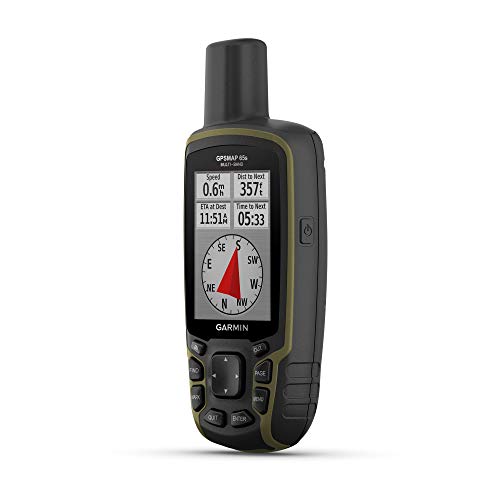
Garmin GPSMAP 65s Button-Operated Handheld with Altimeter and Compass

Garmin Oregon 700 Handheld GPS

Bushnell BackTrack Mini GPS Navigation
Remote scouting gets a lot easier with this camera because the built-in LTE system automatically picks between AT&T and Verizon coverage. That matters on properties where signal strength changes from one tree line to the next, and it cuts out the hassle of swapping SIM cards.
The 4K photo and 1080p video support give you a much clearer sense of movement than a bare-bones trail cam, while the IP66 housing is made for dust and hard rain. You may find the cell-based setup best suited to hunters who check locations often and want fewer trips back into the brush.
What We Like
- Dual-network auto-connection helps the camera stay useful in patchy service areas.
- 4K stills and 1080p clips make animal movement easier to interpret from a distance.
- No SD card requirement trims one more thing to manage in the field.
- IP66 protection gives you better peace of mind in wet, dusty conditions.
- Long battery span suits property monitoring without constant battery checks.
Points To Note
- Cellular cameras depend on the strength of local network coverage.
- Battery life can shift with signal load, image volume, and check-in frequency.
- Setup is more involved than a basic non-cell trail camera.
Feature Snapshot
Who It Suits Best
Hunters who manage feeders, trails, or private land from a distance get the most from this kind of connected camera.
Where A Sibling Pick Shines
Garmin GPSMAP 65s suits you better when handheld navigation matters more than remote camera monitoring.
This messenger fits hunts where you want a direct line back to home base, even far from cell coverage. Bluetooth pairing lets you manage messages from a phone, which feels handy in camp or in a truck between stops.
The trade-off is obvious, you need the service plan to make the unit useful as intended. For backcountry hunters, that recurring step is worth weighing against the confidence of two-way satellite messaging and SOS access.
Highlights
- Two-way satellite messaging lets you send and receive check-ins.
- Bluetooth pairing keeps phone-based control close at hand.
- SOS access adds a serious backup layer for remote travel.
- Handheld size fits well in a pack pocket or vehicle console.
Small Caveats
- Service is required, so the ongoing plan matters in your budget.
- The device is more messenger than full mapping navigator.
- Bluetooth setup adds one more connection step before use.
Quick Facts
Who Should Grab It
Backcountry hunters, overland travelers, and campers who travel outside reliable cellular coverage are the best fit.
A Better Fit Elsewhere
Garmin eTrex SE suits you better when route finding and battery life matter more than two-way messaging.
Compared with the satellite messengers above, this handheld is about dependable navigation, not communication. That makes it a cleaner fit for hunters who want a straightforward map companion without paying for messaging they may never use.
The rugged shell points toward rough use in a pack, truck, or vest pocket, and that simple approach is often enough for tree stands, public land, and route marking. The honest read is that it suits practical field work better than fancy extras.
Reasons To Buy
- Rugged handheld design feels suited to rough outdoor carry.
- Simple navigation focus keeps the interface less distracting.
- Compact form works well in smaller packs or jacket pockets.
- Good match for users who want a dedicated GPS tool.
Room For Improvement
- You do not get satellite messaging here.
- Rugged handling helps, but a screen protector still makes sense in daily carry.
- It can feel plain beside the touchscreen Oregon 700.
Details At A Glance
Best Suited To
Hunters who want a tough, no-nonsense handheld for navigation and waypoint work are the clearest match.
Swap It Out When
Garmin GPSMAP 65s suits you better when multi-band positioning and extra navigation tools matter more.
Battery life stands out here, and up to 168 hours puts this handheld in a different lane from the more basic route tools. For hunters spending full weekends away from a charger, that kind of margin can make the day feel less fragile.
Bluetooth pairing with Garmin Explore adds a useful planning layer, while the 2.2-inch display keeps the unit small enough for pocket carry. You may find the screen compact for detailed map checking, but that trade-off helps keep the device trim and efficient.
Bright Spots
- Long battery span suits multi-day field use.
- Multi-GNSS support broadens satellite compatibility for route work.
- Bluetooth pairing helps with trip planning through Garmin Explore.
- IPX7 water resistance adds comfort in rain or splashy conditions.
Areas To Watch
- The 2.2-inch display is compact, so map detail feels tighter.
- A smaller screen can slow down route checks for some users.
- It is less feature-heavy than GPSMAP 65s.
Core Details
Who It Suits Best
Weekend hunters and hikers who want long battery life in a compact handheld will find the fit especially strong.
Where A Sibling Pick Shines
Garmin Oregon 700 suits you better when you want a larger touchscreen and a more visual interface.
This one is built around location sharing rather than full navigation, so it serves a different job than the eTrex units. For hunters who want a straightforward way to check in from camp, the lower-frills approach can be enough.
The up to 35-hour battery span and rugged waterproof build make it easy to stash in a pack without babying it. Compared with the Spot X, this model is more stripped down, which some people will like and others will outgrow quickly.
Best Bits
- Satellite messaging helps with location updates away from cell service.
- Simple design keeps day-to-day use easy to grasp.
- Long battery span works well for weekend carry.
- Rugged waterproof build suits rough outdoor storage and travel.
Honest Caveats
- It is less capable than a full handheld GPS navigator.
- The pared-back feature set may feel too basic for route-heavy trips.
- Service is part of the ownership equation.
Technical Sheet
Perfect Match For
Hunters who mainly want a compact check-in device for trail or camp use fit this model well.
Another Choice May Suit
Spot X with Bluetooth 2-Way Satellite Messenger suits you better when two-way communication matters more.
Button control matters more than people sometimes expect, especially in cold weather or with gloves on. Add the altimeter, compass, expanded satellite support, and multi-band tech, and you get a handheld aimed at more demanding navigation work.
That extra capability usually means a higher price tier, but it also makes sense for hunters who cover unfamiliar ground and want stronger position support. The smaller 2.6-inch color display keeps the unit manageable, though it’s not built for leisurely map browsing.
Upsides
- Button controls are friendly to gloves and wet conditions.
- Altimeter and compass add useful field awareness.
- Multi-band support is aimed at more precise location handling.
- Expanded satellite support broadens its navigation reach.
- Color display keeps route information readable at a glance.
Softer Spots
- Button-first operation can feel slower than a touchscreen for some tasks.
- The 2.6-inch screen is useful, but still fairly compact.
- More advanced hardware usually brings more setup learning.
Feature Rundown
Whose Shelf It Belongs On
Hunters who spend time in mixed terrain and want a more advanced handheld for route confidence are the best fit.
Look Elsewhere When
Garmin eTrex SE suits you better when simpler controls and longer battery life matter more than extra navigation tools.
The 3-inch sunlight-readable touchscreen gives this unit a friendlier feel than the button-only handhelds earlier in the list. Dual-orientation viewing also helps in the field, since portrait and landscape layouts can both be useful depending on how you hold the device.
The ABC sensor set, meaning a 3-axis tilt-compensated electronic compass, an accelerometer, and a barometric altimeter, adds serious navigation context. For hunters who like a visual interface and work in dust, humidity, or rain, this one feels like a thoughtful middle ground rather than a stripped-down tool.
Positives
- Touchscreen control makes map interaction quicker for many tasks.
- Sunlight-readable panel helps in bright open country.
- Dual-orientation view supports different carrying and viewing angles.
- ABC sensors add useful field data beyond basic location tracking.
- IPX7 water rating supports wet-weather use.
- Activity profiles make the interface easier to sort by task.
Minor Gripes
- The touchscreen can be less convenient with thick gloves.
- Up to 16 hours of battery life is modest beside newer eTrex models.
- The interface can feel busier than simpler handhelds.
Core Details
Made For
Hunters who want touchscreen mapping, sensor data, and a more visual interface will feel at home here.
Right Fit For
Garmin GPSMAP 65s suits you better when button control and deeper navigation support matter more.
This tiny navigator is made for getting back to a starting point, which is a useful safety net on hunts, backpacking trips, or long walks away from the truck. The simple buttons and easy-to-read screen keep the learning curve lower than many fuller-featured handhelds.
It also stores trip data, syncs via Bluetooth to the Bushnell Connect app, and gives you extras like sunrise, sunset, moonrise, moonset, plus elevation gain and loss. The trade-off is that it’s more of a return-to-base helper than a full navigation powerhouse.
Best Bits
- Compact body disappears easily into a pocket or small pouch.
- Trip capture and waypoint logging help you retrace your route.
- Bluetooth syncing makes trip sharing more convenient.
- Glove-friendly buttons suit cold weather or muddy conditions.
- Up to 35 hours of battery life supports longer outings.
- Sun, moon, and elevation data add useful trip context.
Things To Consider
- It works best as a backtrack tool, not a full mapping unit.
- Small size is handy, but the screen is also small.
- Glove-friendly buttons help in the field, though route planning still takes patience compared with a larger touchscreen.
Feature Card
The Right Fit
Hunters and backpackers who want a light, simple way back to camp or the trailhead are the clearest match.
Skip It When
Garmin Oregon 700 suits you better when full map viewing and a larger touchscreen matter more.
How To Choose The Right Gps For Hunting
Match The Device To Your Terrain
Dense woods, open ridgelines, and mixed farm edges each ask for different strengths. A connected trail camera like the TACTACAM Reveal X 3.0 helps you scout from afar, while a handheld like the Garmin eTrex SE or GPSMAP 65s supports route work once you are out there. Deep cover tends to reward stronger satellite support, while simpler ground often calls for ease of use and steady battery life.
Think about how often you need to check position versus how often you need to check in with someone. Satellite messengers such as the Spot X and Spot Gen 4 bring communication into the picture, while handheld GPS units stay focused on navigation. The right call comes down to whether you need one job done well or a tool that covers both movement and messaging.
Look Closely At Controls And Screen Style
Buttons make sense for cold hands, rain, and thick gloves. That is why the GPSMAP 65s and eTrex 32x fit field use so cleanly, while the Garmin Oregon 700 leans toward a more visual, touchscreen approach. You may prefer a touchscreen for map browsing, but buttons can feel less fussy when your hands are numb or muddy.
Screen size matters more than the spec sheet makes it look. A 2.2-inch panel on the eTrex SE keeps the unit compact, but a 3-inch display on the Oregon 700 gives you more room to read at a glance. For hunters who spend time studying routes in camp, the larger screen usually feels easier, while pocket carry favors the smaller format.
Battery Life And Power Planning Matter
Long days away from a charger change what counts as “enough.” The eTrex SE’s up to 168 hours stands out for multi-day use, the BackTrack Mini’s 35-hour span works for many weekend trips, and the Oregon 700’s 16-hour figure fits shorter outings better. That spread can matter more than fancy extras once you are far from the truck.
Power planning also includes the way you use the device. Satellite messaging, Bluetooth syncing, and frequent screen checks all draw attention to battery management in real life. For hunters who want fewer worries about charging, the longer-running handhelds usually feel safer to carry.
A Quick Reality Check
Common Shopping Slip Ups
One common mistake is matching the device to the wrong job. A satellite messenger such as the Spot X is not the same as a full handheld navigator like the Garmin GPSMAP 65s, so you want to separate communication needs from route-finding needs before you compare specs.
Another easy miss is forgetting how you actually use gear in the field. Touchscreens can be pleasant in camp, but cold weather and gloves favor buttons, which makes units like the eTrex 32x and GPSMAP 65s easier to live with during late-season hunts.
The Upgrade Payoff
Higher-tier models usually cost more because they add more capable positioning hardware, stronger satellite support, or extra navigation tools. The GPSMAP 65s brings multi-band technology and expanded satellite support, while the Oregon 700 adds a larger touchscreen and more sensor data than simpler handhelds.
That extra spend makes sense when you cover unfamiliar ground, travel in rough weather, or rely on the device for more than one job. For lighter use, though, simpler choices like the Bushnell BackTrack Mini or Garmin eTrex SE can feel easier to own and easier to justify.
Closing Thoughts
The best gps for hunting depends on how far you travel, how often you need to communicate, and how much screen or battery you want to carry. The eTrex SE and GPSMAP 65s suit hunters who want dedicated navigation, while the Spot units lean toward communication and location sharing. If your trips stay simple, a compact tool can be enough. For deeper woods and longer days, the stronger handhelds make more sense.