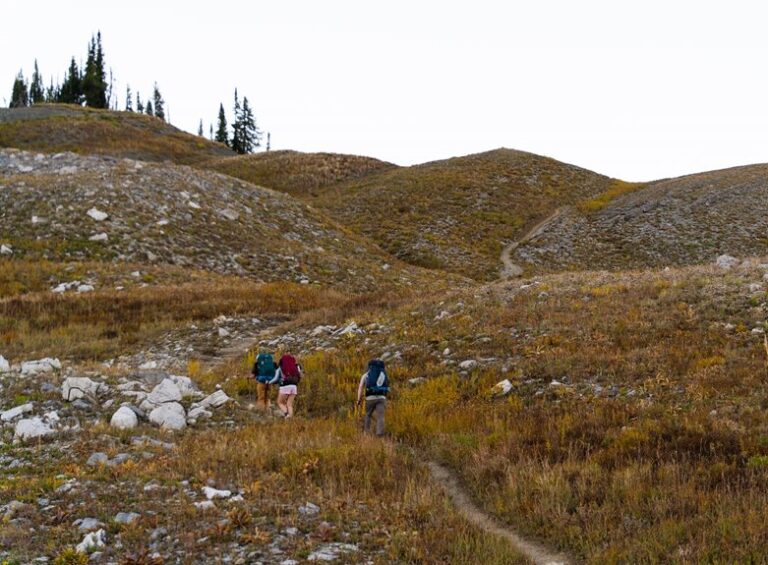

Getting lost on a trail is rarely dramatic at first, which is exactly why a solid GPS tracker matters. You want something that fits your pack, stays readable in mixed light, and makes sense when your phone battery is already draining fast. This roundup focuses on hiking-friendly gear with different strengths, from simple backtracking tools to more serious navigation and SOS options. You’ll also see which picks suit weekend paths, long treks, and backup-minded trips.
The Shortlist At A Glance

Garmin eTrex 32x, Rugged Handheld GPS Navigator

Garmin eTrex SE, GPS Handheld Navigator

Motorola Defy Satellite Link

Bushnell GPS BackTrack Personal Locator

Bushnell BackTrack Mini GPS Navigation

BoT Talk Kids GPS Tracker

Garmin Foretrex 801, Wrist-Mounted GPS Navigation
More Details On Our Top Picks
Trail use gets easier with a handheld that feels built for rough handling, and the eTrex 32x fits that role well. Its place in this roundup makes sense for hikers who want a familiar GPS format rather than a phone-first setup. The trade-off is plain: you get a more traditional navigation tool, not the smallest gadget in the lineup.
For day hikes, route checks, and pack-clipped backup navigation, that kind of simplicity can be a relief. Compared with the more connected Garmin eTrex SE, this pick leans harder into straightforward handheld utility, which suits hikers who value control over app pairing.
Strong Points
- Rugged handheld shape suits trail bags and jacket pockets.
- Physical format feels easier to manage with gloves than a phone.
- Useful as a dedicated navigation backup on longer walks.
- Simple ownership habits, like wiping the casing after muddy use, stay easy.
Small Caveats
- The older-style handheld approach may feel less polished than newer connected units.
- It asks you to carry one more device, which matters on light-pack hikes.
Feature Rundown
Who It Suits Best
You get the most from this model when you want a durable, no-nonsense handheld for regular trail use.
Where A Sibling Pick Shines
Garmin eTrex SE suits hikers who want longer battery life and Bluetooth pairing with Garmin Explore, especially on multi-day routes.
The eTrex SE leans into longer outings, and that battery figure is the headline for good reason. Multi-GNSS means it can work with several satellite systems, which helps in rougher terrain where a single source can be less steady. Bluetooth pairing with Garmin Explore gives you a more connected workflow than the eTrex 32x, though that also adds a little setup work.
Its 2.2-inch display is compact, so you’ll want to expect a smaller viewing area than larger navigation units. Still, hikers who care more about endurance and weather-ready handling than screen size tend to appreciate that trade-off, especially on trips that stretch beyond a single day.
What We Like
- Up to 168 hours of battery support long trips with fewer charging stops.
- Multi-GNSS support broadens satellite access in mixed terrain.
- Bluetooth pairing works well for hikers who like syncing trip data.
- IPX7 water resistance gives the casing a better edge in wet weather.
- Small size keeps it easy to stash in a side pocket.
Points To Note
- The 2.2-inch screen stays compact, so map detail feels tighter than on larger units.
- App pairing adds convenience, but it also adds one more layer to set up before a trip.
Core Details
Right Fit For
You fit this model best when you take longer hikes, want strong battery endurance, and don’t mind a smaller display.
Another Choice May Suit
Garmin Foretrex 801 is a smarter match for hikers who want wrist-mounted navigation and hands-free movement on fast climbs or trekking poles.
This pick shifts the conversation from navigation to communication, which matters a lot once your hike moves beyond reliable cell signal. The Motorola Defy Satellite Link is meant for two-way text messaging and SOS alerting, so it fits hikers who want a backup line to the outside world rather than a map-heavy handheld. For remote treks, that distinction matters more than fancy on-screen navigation.
Android and iOS compatibility broadens its appeal, though the setup still asks for a little more thought than a basic locator. Compared with the Bushnell BackTrack Mini, this is the more serious travel partner for anyone prioritizing off-grid messaging over simple wayfinding.
Highlights
- Two-way SMS messaging keeps contact possible away from cell coverage.
- SOS alerting adds a serious backup layer for remote hikes.
- Android and iOS compatibility make phone matching easier.
- Useful for hikers who want a communication tool, not just a breadcrumb trail.
Areas To Watch
- It is more about messaging than map-style navigation.
- Remote communication gear usually takes more setup planning before the trip starts.
- It may feel like extra gear for casual park trails.
Details At A Glance
Whose Shelf It Belongs On
You should look here first when remote trails, solo travel, or long backcountry days make satellite messaging a real need.
Swap It Out When
Garmin eTrex SE is the better fit for hikers who want more traditional navigation, longer battery life, and a dedicated handheld layout.
The Bushnell GPS BackTrack Personal Locator keeps things stripped down, and that can be a real benefit on short outings. Its point-to-return style makes sense for hikers who want a direct path back to where they started, without a lot of menu diving. That simplicity is exactly why it belongs in this roundup, even beside more feature-heavy picks like the Garmin eTrex 32x.
For casual hikes, camp strolls, and route sanity checks, the appeal is plain: fewer moving parts, less fuss in the pack. The trade-off is equally plain, since hikers wanting app sync, messaging, or a larger feature set will need to look higher up the list.
Best Bits
- Simple return-to-start logic keeps use straightforward.
- Compact shape suits pocket carry and light day packs.
- Good fit for hikers who want a low-learning-curve locator.
- Less interface clutter means fewer distractions on the trail.
Worth Noting
- It is not the pick for hikers who want layered navigation features.
- Basic controls suit simplicity, though they also limit flexibility.
Quick Facts
Made For
You fit this locator best when you want a compact trail helper for shorter routes and familiar ground.
Look Elsewhere When
Bushnell BackTrack Mini GPS Navigation suits hikers better when you want trip capture, Bluetooth syncing, and a more modern trail log.
The BackTrack Mini feels aimed at hikers who want a straightforward way to record where they’ve been and get back to basecamp or the trailhead. Battery life up to 35 hours gives it a useful place in your kit for long weekend trips, and the waterproof build makes the device easier to trust in changing weather. Compared with the older Bushnell GPS BackTrack Personal Locator, this one adds more trail data and a more modern feature set.
Bluetooth syncing with the Bushnell Connect app brings trip and waypoint sharing into the picture, which helps once you want a digital record of your route. The large buttons and easy-read screen matter more than they sound, especially with gloves on or when you’re tired at the end of a climb. It’s not a full-blown mapping computer, but for many backpacking routines, that’s enough.
Plus Points
- Trip and waypoint capture helps you find your way back.
- Bluetooth support makes it easier to sync route details to your phone.
- Large buttons suit gloved hands on colder hikes.
- Waterproof build is helpful in wet or unpredictable conditions.
- Battery life up to 35 hours supports extended day-and-night use.
Honest Caveats
- The display stays simple, so it is not aimed at detailed map work.
- App syncing adds convenience, but it also means one more thing to keep paired and charged.
Spec Overview
The Right Fit
You should focus on this pick when backpacking, trail logging, and simple backtracking matter more than deep mapping detail.
Reach For A Different Pick When
Garmin eTrex SE is a better match for hikers who need longer battery endurance and stronger satellite support over multi-day routes.
Some hikes call for a navigation tool, and some call for a dedicated SOS beacon. The ACR ResQLink 400 belongs in the second group, which is why it stands apart from every handheld GPS in this roundup. Global coverage and search-and-rescue alerting make the product feel serious without asking you to manage a lot of extra interface clutter.
That focus is the point, though it also means you should view it as an emergency device rather than a map-first companion. For hikers heading into remote water crossings, alpine routes, or long solitude stretches, that trade-off can feel entirely reasonable.
Reasons To Buy
- SOS alerting gives you a direct emergency signal path.
- GPS and global coverage make it suitable for far-off routes.
- Purpose-built simplicity keeps the device from feeling overcomplicated.
- Strong fit for hikers who want a dedicated rescue-focused layer.
Room For Improvement
- It is not meant to replace a full navigation handheld.
- Emergency-first gear makes the ownership decision more specialized than a general trail GPS.
Feature Card
Built With In Mind
You should look here when serious backcountry travel makes an emergency beacon more important than extra map features.
Where A Sibling Pick Shines
Motorola Defy Satellite Link fits hikers better when two-way messaging matters more than a beacon-only rescue tool.
This tracker sits a little outside the usual hiking crowd, yet it still earns a spot because family trails often involve kids who wander ahead or lag behind. Real-time GPS and Wi-Fi tracking, plus movement history in the app, give you a clearer picture of where a child has been during a park day or field trip. The walkie-talkie voice messaging is the detail that makes it feel especially useful for quick check-ins.
Silent mode and a screen-free design matter in school settings and family outings alike, since the device avoids the distraction of a display. Compared with the Motorola Defy Satellite Link, this is less about remote wilderness rescue and more about everyday family coordination, which is a much better fit for most casual outings.
Bright Spots
- GPS and Wi-Fi tracking show live location in the companion app.
- Voice messaging lets you check in without handing over a phone.
- Screen-free design helps keep attention on the outing, not the device.
- Silent mode makes it easier to use around classrooms and group settings.
Minor Gripes
- Its role is family monitoring, not trail navigation for adults.
- App-based tracking works best when the phone stays charged and nearby.
Core Details
Who Will Love This
You should consider this tracker for family hikes, school outings, and park days where voice check-ins are more useful than map navigation.
Not Your Match When
Garmin Foretrex 801 is a better fit for adult hikers who want wrist-mounted navigation and a more trail-focused control layout.
Wrist-mounted navigation changes the feel of a hike right away, because your route info stays close without asking you to stop and pull out a handheld every few minutes. The Foretrex 801 fits hikers who move fast, use trekking poles, or want a lighter reach on their wrist instead of another item in a pocket. That makes it a neat contrast to the handheld Garmin eTrex models earlier in the list.
It looks especially sensible for runners, fast-packers, and anyone who hates clutter on the chest strap or belt line. The compromise is obvious enough: wrist wear can suit movement better than pocket carry, but some hikers will still prefer a larger screen and a more conventional device body.
Standout Traits
- Wrist-mounted format keeps navigation within easy reach.
- Hands-free positioning suits active movement and pole use.
- Smaller footprint keeps pocket and pack space open.
- Useful for trail users who prefer a lighter gear load.
Areas To Watch
- The wrist layout is practical, but some hikers will still want a bigger viewing area.
- Wearable placement takes a little getting used to on longer trips.
Technical Sheet
The Right Fit
You fit this model best when you want trail navigation that stays close during brisk hikes or fast overnights.
Skip It When
Garmin eTrex SE suits you better when a larger handheld screen and longer battery endurance matter more than wrist carry.
How To Choose The Right Gps Trackers For Hiking
Match The Device To Your Trail Style
Your best choice depends on how you hike, not just how many features are packed into the shell. Day hikers usually do fine with a simpler locator or compact handheld, while multi-day trekkers get more value from longer battery life and better satellite support. Remote routes push the decision toward communication and SOS tools, which matter more once cell coverage drops away.
Screen size also deserves attention, because a small display can stay portable yet feel cramped when you are checking turn-by-turn details. A wrist-mounted option, like the Garmin Foretrex 801, works well for brisk movement, while handheld units suit hikers who pause more often to read the screen. That choice shapes comfort all day.
Battery, Weather, And Carry Comfort
Battery claims tell you a lot about the intended use. The Garmin eTrex SE and Bushnell BackTrack Mini sit at different points on that spectrum, with one built for very long endurance and the other for more moderate outings. You want enough reserve for the trip you actually take, plus a little margin for cold weather or extra detours.
Weather handling matters just as much. Water resistance, waterproof housing, and rugged construction help the device survive rain, damp packs, and the occasional drop onto rock. Carry comfort rounds it out, since a pocketable locator, wrist unit, or belt-friendly handheld each creates a different kind of day on the trail.
Navigation, Messaging, Or Safety Only
Not every GPS-related device does the same job, and that distinction saves a lot of regret. A trail navigator helps you manage routes, a satellite communicator keeps text contact alive, and a personal locator beacon is built around emergency alerting. You get the cleanest match by deciding which job matters most before comparing feature lists.
For casual hiking, navigation usually comes first. For solo backcountry travel, a communication layer or SOS beacon can feel more important than map detail, especially on routes where you are far from help. The right mix is the one that fits your terrain, your pace, and your tolerance for extra gear.
What To Weigh Before You Choose
Common Shopping Slip Ups
One common mistake is treating every trail device like a full navigation computer. Some models are really just backtrack tools, while others focus on messaging or emergency alerting, so the job description matters more than the badge on the front. Another easy miss is ignoring battery length and screen size, which can turn a promising pick into a cramped or short-lived companion.
Storage and carry style get overlooked too. A compact handheld may seem tiny on paper, but pocket shape, glove use, and wet-weather handling all affect daily comfort on the trail. Matching the form to your hiking habits avoids that awkward feeling of carrying gear that never quite fits your rhythm.
Where The Extra Money Goes
Higher-tier hiking GPS gear usually pays for better satellite support, longer battery life, clearer displays, and more advanced connectivity. That can mean multi-GNSS support, Bluetooth syncing, or dedicated SOS features, all of which raise the usefulness of the device in real trail conditions. The price step is really about confidence and convenience, not just extra labels on the box.
The upgrade makes the most sense for remote routes, multi-day trips, and hikers who rely on the device often. Casual park hikes rarely need that full package, so a simpler unit can make more sense and keep the kit lighter. The best spend is the one that matches your actual miles, not your longest wish list.
Final Thoughts
Your best hiking GPS is the one that matches the trail in front of you, not the most feature-packed listing. The Garmin eTrex SE stands out for long trips, the eTrex 32x feels steady and familiar, and the ACR ResQLink 400 serves a very different safety role for remote travel. For family outings, the BoT Talk tracker covers a separate need well enough to matter. Choose the device that fits your pace, your terrain, and the kind of backup you want in your pack.