
You want a hiking GPS that fits how you move, not just one with a long feature list. Some units help you stay oriented on familiar trails, others are better for deep backcountry use, and a few add satellite messaging for trips where cell service drops away fast. This roundup focuses on practical fit, battery habits, mapping, toughness, and the trade-offs that matter once the pack is on your back.
Quick Look At The Shortlist
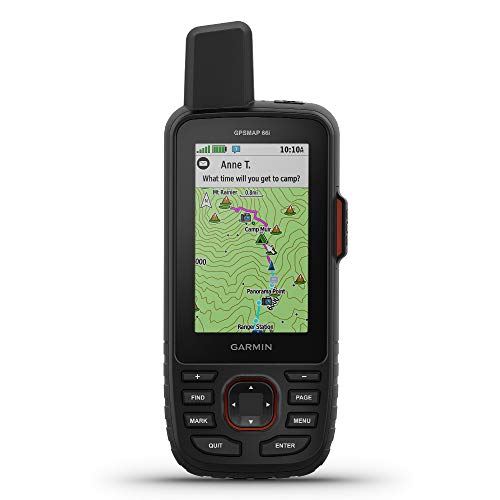
Garmin GPSMAP 66i, GPS Handheld and Satellite Communicator

Garmin eTrex 22x Rugged Handheld GPS

Spot X with Bluetooth 2-Way Satellite Messenger

Garmin eTrex 32x Rugged Handheld GPS Navigator

Garmin eTrex SE GPS Handheld Navigator

Spot Gen 4 Satellite GPS Messenger

Bushnell BackTrack Mini GPS Navigation

Lightning GPS GL300 Tracker Device for Vehicles
More Details On Our Top Picks
Backcountry hikers who want one device for navigation and off-grid messaging will find the GPSMAP 66i especially relevant. The TopoActive map set gives you terrain-aware guidance, and inReach messaging adds a layer of communication for trips far from cell towers. It feels like the serious all-in-one option here, especially compared with the simpler eTrex models later in this list.
The trade-off is straightforward: more capability usually means more to learn and more to manage on the trail. For long routes, solo treks, or travel where route confidence matters, that extra complexity can be worth it. The honest read is that it suits committed hikers far better than casual weekend walkers.
Strong Points
- Combines handheld navigation with satellite messaging in one unit.
- TopoActive mapping helps you read terrain in a more practical way.
- Good fit for remote hikes where phone service fades fast.
- Reduces the need to carry separate navigation and communication gear.
- Strong choice for solo trips, overnights, and backcountry planning.
Things To Consider
- More functions mean a steeper setup curve than basic GPS units.
- Satellite features suit serious use, but they add ongoing service planning.
- Not the simplest pick for short, well-marked day hikes.
Key Specs
Who It Suits Best
Serious hikers, solo travelers, and anyone heading into places where coverage is unreliable will get the most value here.
Where A Sibling Pick Shines
Garmin eTrex SE GPS Handheld Navigator suits lighter trail use better for hikers who want a simpler screen and longer battery focus without the satellite messaging layer.
For hikers who want a no-fuss handheld, the eTrex 22x keeps the focus narrow and useful. Its rugged shell suits pack tosses and rough trail days, and the smaller footprint is easier to live with than the feature-heavy GPSMAP 66i. That simpler layout also makes it less intimidating for first-time GPS users.
The catch is obvious: you give up the satellite messaging depth and the richer feature set found on Garmin’s higher-end options. That trade-off can be smart for day hikes, route following, and backup navigation, especially when you want the device to stay out of the way. It’s a practical choice, not a flashy one.
What We Like
- Compact size makes it easy to pocket or clip inside a pack.
- Rugged build fits rough trail use and regular carry.
- Clear match for hikers who want straightforward navigation.
- Works well as a secondary navigation device on longer outings.
Worth Noting
- You trade away the broader feature depth found in premium handhelds.
- Smaller hardware usually means a more modest screen experience.
- Basic design is useful, but power users may want more tools.
Feature Snapshot
Made For
Day hikers, beginners, and anyone who wants a compact backup GPS will feel at home with this one.
Another Choice May Suit
Garmin eTrex 32x Rugged Handheld GPS Navigator is a better fit for hikers who want a bit more onboard navigation support without jumping to satellite messaging.
The Spot X leans hard into communication first, navigation second, which makes it stand apart from the Garmin handhelds above. Bluetooth pairing lets you manage some tasks through a phone, so the device can feel less isolated in everyday use. For camping trips, vehicle-based basecamps, and multi-day trail plans, that mix makes sense.
Subscription-based service is the key trade-off, and it’s the part you’ll want to think through before relying on it. For hikers who care more about sending messages than building a full mapping setup, that cost structure may still feel justified. You may find it less appealing for casual outings where the message feature would go unused.
Highlights
- Two-way messaging suits trips that need back-and-forth contact.
- Bluetooth pairing adds convenience for phone-linked management.
- SOS-oriented design gives peace of mind for remote travel.
- Useful for hikers, campers, and road-trip style outdoor use.
Points To Note
- Service planning matters because the unit depends on a subscription.
- Less about deep mapping, more about staying connected.
- May feel like too much device for short local hikes.
Core Details
Who Will Love This
Long-distance hikers, overlanders, and campers who want message exchange more than map depth should look here first.
Look Elsewhere When
Garmin GPSMAP 66i fits better for hikers who want mapping and satellite communication in a more navigation-led package.
The eTrex 32x sits in the middle of this lineup in a useful way, because it adds navigation depth without moving into satellite messaging territory. That makes it a natural step up from the eTrex 22x for hikers who want more from the device but still prefer a straightforward handheld. In a daypack, it feels like the kind of tool you reach for without thinking too hard about it.
The middle ground comes with a familiar trade-off, though, since it still won’t match the communication features of the GPSMAP 66i or Spot X. For route following, backcountry confidence, and general trail use, that’s not a problem for many people. The honest read is that it suits balanced use more than specialized expedition planning.
Best Bits
- Offers more navigation support than the simpler eTrex 22x.
- Rugged construction suits regular trail handling.
- Good middle-ground choice for mixed day-hike and weekend use.
- Stays easier to live with than communication-focused units.
Softer Spots
- Lacks the communication focus found on the satellite messenger picks.
- Not as feature-rich as Garmin’s flagship handheld category.
- Some hikers will want a larger interface for longer trips.
At A Glance
Right Fit For
Hikers who want a dependable middle-ground GPS without stepping into subscription-heavy communication gear should consider this one.
Skip It When
Garmin GPSMAP 66i is the stronger fit for hikers who want satellite messaging along with more advanced backcountry use.
The eTrex SE stands out for hikers who care about battery habits more than bells and whistles. Up to 168 hours of battery life is a major practical advantage for weekend trips, section hikes, and backup use in a daypack. Bluetooth pairing with Garmin Explore also makes it easier to move from planning on a phone to using the unit on the trail.
Its 2.2-inch display is compact, so you give up screen space compared with larger handhelds. That smaller size helps portability, though, and the IPX7 water-resistance rating adds a useful layer of weather tolerance for wet trail days. It feels very much like a working tool, not a gadget trying to impress anyone.
Upsides
- Excellent battery span for long weekends and backup carry.
- Bluetooth pairing helps with route setup through Garmin Explore.
- IPX7 water resistance suits rain, mist, and damp trail conditions.
- Compact display keeps the unit light and easy to pack.
Areas To Watch
- Small screen size may feel tight for map-heavy navigation.
- Battery-first design means the interface stays fairly compact.
- Hikers wanting richer messaging should look to the GPSMAP 66i.
Feature Card
Perfect Match For
Backpackers, hikers on multi-day routes, and anyone who wants long battery life without a bulky handheld will appreciate this model.
Another Choice May Suit
Garmin eTrex 32x Rugged Handheld GPS Navigator is better for hikers who want a little more navigation depth while keeping the same general compact Garmin style.
The Spot Gen 4 is aimed at hikers who want the messaging side of the category without stepping into a full handheld mapping setup. It keeps the shape portable and the purpose clear, which makes sense for hikers, campers, and general outdoor trips. Compared with the Spot X, it feels more stripped back, so the appeal comes from simplicity.
That simpler format also means you should treat it as a communication-first tool rather than a do-everything navigator. For some trails, that’s exactly the right compromise, especially when you already know the route and just want a way to stay in touch. One thing worth considering is whether that narrower role matches your actual trips.
Positives
- Compact messenger format suits minimalist pack setups.
- Works well for hikers who want a straightforward satellite message tool.
- Good secondary device for trips where navigation is handled elsewhere.
Minor Gripes
- Less flexible than a full mapping handheld.
- Service planning matters because satellite messaging depends on a subscription.
- Not the best match for users who want one device for everything.
Details At A Glance
Whose Shelf It Belongs On
Campers and hikers who want satellite messaging in a compact device will get the most from this pick.
Swap It Out When
Spot X with Bluetooth 2-Way Satellite Messenger makes more sense for hikers who want richer two-way communication and phone pairing.
The BackTrack Mini takes a different path from the Garmin units above, because it leans into trip capture and return guidance rather than dense mapping. For hikers, backpackers, and hunters, that can be useful when you just want a simple way back to basecamp or the trailhead. The easy-to-read display and glove-friendly buttons are a practical touch in colder weather.
Battery life up to 35 hours is respectable for a compact unit, and the Bluetooth link to the Bushnell Connect app adds trip viewing and syncing on your phone. The trade-off is that this is not the kind of device you buy for deep route planning or complex map study. It fits best as a lightweight guide, almost like a breadcrumb trail you can carry in your pocket.
Reasons To Buy
- Simple return guidance helps on hikes and backpacking trips.
- Glove-friendly buttons make cold-weather handling easier.
- Bluetooth syncing adds a useful bridge to your phone.
- Battery life up to 35 hours supports longer outings.
- Waterproof build suits damp, unpredictable conditions.
Small Caveats
- Less useful for hikers who want detailed map navigation.
- Compact layout means you trade away broader GPS features.
- App syncing is helpful, but it still adds another step to manage.
Spec Overview
The Right Fit
Hikers who want a pocketable return-to-start tool rather than a full map workstation will feel comfortable here.
Reach For A Different Pick When
Garmin eTrex SE GPS Handheld Navigator is the better match for hikers who want longer battery life and more traditional trail GPS behavior.
This one sits slightly outside a pure hiking shortlist, but it earns a place for trailheads, trailers, and vehicle monitoring tied to outdoor trips. The magnetic case and battery-powered format make it easy to place where you need it, then remove it without much fuss. For hikers who travel with a vehicle base or tow gear to trail access points, that practicality matters.
The real use case here is tracking, not hiking navigation, so the fit is narrower than the Garmin and Spot devices above. Subscription-based service also means you need to plan beyond the hardware itself. The honest read is that it belongs with people who want location monitoring for vehicles, not people who need a handheld for route finding.
What We Like
- Magnetic case makes placement and removal straightforward.
- Battery-powered tracking suits vehicles and trail support gear.
- Useful for hikers who also care about cars, trucks, or trailers.
- Small form factor hides easily where needed.
Room For Improvement
- Not a hiking navigation tool in the usual sense.
- Subscription planning is part of the ownership picture.
- Better for transport monitoring than trail exploration.
Core Details
Built With In Mind
Trail users with vehicles, trailers, or gear they want to monitor will get more value from this tracker than from a standard handheld GPS.
Not Your Match When
Garmin eTrex 22x Rugged Handheld GPS is the better fit for hikers who want a true navigation device instead of a tracker.
How To Choose The Right Gps Units For Hiking
Start With The Kind Of Trip You Actually Take
Day hikers usually need a different tool from people heading into remote terrain for multiple nights. A compact unit like the Bushnell BackTrack Mini focuses on returning to a start point, while the Garmin GPSMAP 66i adds mapping and satellite communication for deeper backcountry use.
That difference matters because more features can mean more setup, more menu time, and more things to charge. You want the device to match the trip, not the other way around.
Pay Attention To Battery, Display, And Weather Tolerance
Battery life is a major comfort factor on the trail, especially on longer weekends or section hikes. The Garmin eTrex SE, with its up to 168-hour rating, suits people who dislike frequent charging, while the BackTrack Mini’s 35-hour figure works better for shorter outings.
Screen size matters too. A 2.2-inch display is easy to carry, but larger map readers can be easier to follow in rough weather or on unfamiliar terrain. Water resistance also helps, because rain, mist, and wet hands are normal in hiking, not edge cases.
Think About Messaging Versus Navigation
Some devices are built mainly to guide you, while others focus on letting you communicate. Spot X and Spot Gen 4 are more about satellite messaging, and that can be the right choice for remote travel where letting someone know you’re fine matters as much as route tracking.
By contrast, traditional handheld GPS units work better for hikers who want maps, waypoints, and direction first. That split is the easiest way to narrow the field fast.
Match The Device To Your Comfort Level
Beginners often do better with simpler interfaces, like the eTrex 22x or BackTrack Mini. Experienced hikers and solo travelers may prefer the extra layers in the GPSMAP 66i or the longer battery focus of the eTrex SE.
The right unit should feel steady in your hands and clear in your pack plan. That usually matters more than chasing the longest feature list.
Things Worth Knowing First
Wrong Turns To Avoid
Many shoppers get distracted by long feature lists and end up paying for communication tools they won’t use. Others overlook battery behavior and choose a unit that looks fine on paper but feels cramped on a multi-day route.
Map style matters too. A return-to-start tool and a full handheld navigator serve different purposes, so it helps to sort that out before you compare prices or accessories.
The Upgrade Payoff
Higher-tier units usually cost more because they combine more precise navigation tools, tougher housings, better battery management, and in some cases satellite communication. That extra expense also goes toward more polished planning features and a smoother trail workflow.
The upgrade makes sense for remote travel, solo hikes, and anyone who wants one device to cover more of the trip. For short, familiar outings, the simpler models do a fine job without adding clutter.
Final Thoughts
Your best hiking GPS depends on how far you go, how often you need to recharge, and whether communication belongs in the same device as navigation. The Garmin GPSMAP 66i is the strongest all-around match for serious off-grid use, while the eTrex SE gives you a more battery-minded handheld for regular trail time. Simpler picks like the eTrex 22x and BackTrack Mini make sense for lighter use, and the Spot models serve a narrower but useful messaging role. Choose the tool that fits your hikes, and the trail feels a lot less complicated.