

Handheld Gas Detectors make sense any time you want a closer look at a possible leak before it turns into a bigger headache. You might be checking a stove connection, an RV line, a furnace area, or a worksite with mixed gases in the air. The right tool depends on probe reach, alarm style, sensor range, and whether you need a simple sniffer or a broader monitor.
The shortlist below keeps that real-life mix in view. Some picks are built for home troubleshooting, others suit maintenance crews, and a few add light or battery backup for harder-to-see spaces. You’ll also see where a compact detector is enough, and where a more capable monitor earns its keep.
Quick Look At The Shortlist

RIDGID 36163 CD-100 Micro Combustible Gas Detector 16′ Probe

TopTes PT760 Rechargeable Natural Gas Detector 12-inch Probe

TopTes PT299 Natural Gas Detector with Extendable Rod

UEi Test Instruments CD100A Combustible Gas Leak Detector
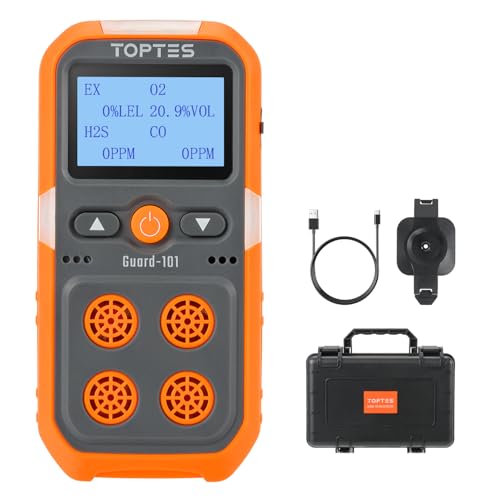
TopTes Guard-101 4 Gas Monitor for H2S, CO, LEL, O2
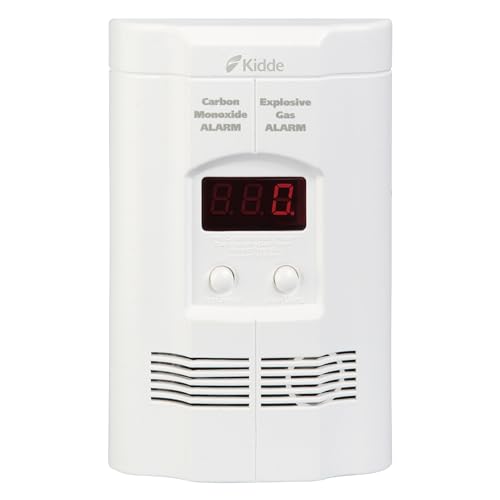
Kidde Carbon Monoxide + Explosive Gas Alarm, Plug-in

YOJOCK Natural Gas Leak Detector with Audible and Visual Alarm
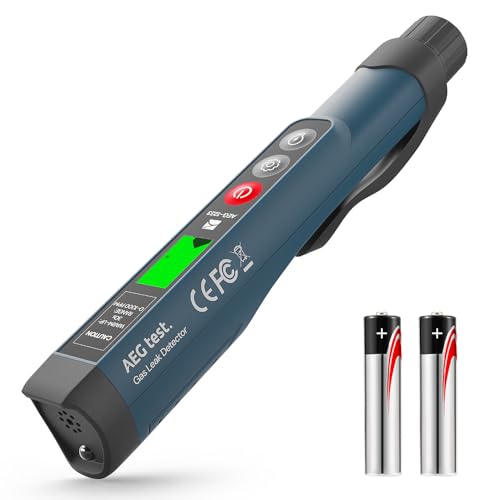
1223 Gas Leak Detector with Built-in Light
More Details On Our Top Picks
That 16-inch flexible probe is the reason this RIDGID model stands out. You can work around appliance backs, crawl into tight cabinet runs, and still keep the control body in hand, which is handy in a busy utility room.
The visual, audible, and vibration alarms cover three very different work styles, so it suits noisy garages as well as quiet indoor checks. The trade-off is simple, this is a tool built for focused combustible-gas diagnosis, not a broad multi-gas monitor.
Strong Points
- Long probe reach helps you reach tucked-away fittings.
- Three alarm modes give you more ways to notice a warning.
- Works well for appliance edges, basements, and service access points.
- Balanced body-and-probe layout keeps the sensing tip away from your hand.
Things To Consider
- The long probe can feel a little unwieldy in very cramped spaces.
- It focuses on combustible gas detection, so it is not a multi-gas tool.
- The flexible section asks for careful storage to avoid unnecessary bending.
Feature Snapshot
Who It Suits Best
You’ll get the most from this tool in home maintenance, HVAC access checks, and garage use where probe reach matters more than extra modes.
Where A Sibling Pick Shines
TopTes PT760 Rechargeable Natural Gas Detector is the better fit for RV travelers who want a rechargeable body and a built-in light alongside leak checking.
This TopTes model feels built for mobile use, especially in an RV or a home where you want one tool that’s easy to pack and recharge. The built-in flashlight matters more than it sounds, because leak checks often happen under sinks, behind appliances, or in dim bays.
The 12-inch extendable probe gives you useful reach without turning the tool into a long-handled wand. Compared with the RIDGID CD-100, it leans more toward convenience and portability, while still covering the usual combustible-gas checks around methane, butane, and propane.
What We Like
- Rechargeable power cuts down on battery swaps.
- Extendable probe helps you get close to suspect joints.
- Built-in light makes low cabinets and RV compartments easier to inspect.
- Good fit for mixed home-and-travel use.
Minor Gripes
- The shorter probe reach will not suit every deep-access job.
- Recharge routines matter more here than with a battery-only tool.
- The portable format is handy, but not as specialized as the RIDGID unit for awkward access.
Quick Facts
Who It Suits Best
You’ll like this most for RV trips, compact homes, and routine checks where portability matters as much as reach.
Another Choice May Suit
UEi Test Instruments CD100A Combustible Gas Leak Detector is a steadier match for someone who wants a simpler, less travel-focused handheld.
The PT299 keeps things plain in a good way. You get an extendable rod, portable sniffer layout, and a package that includes two batteries, so it suits quick household checks without a lot of setup.
That simplicity is the point, and it compares well with the feature-heavy TopTes PT760 and Guard-101. For most home and RV owners, the honest read is that this one covers the basics cleanly without asking you to learn extra functions.
Best Bits
- Extendable rod helps you inspect behind appliances and along fittings.
- Includes two batteries, which is useful right out of the box.
- Portable shape works well for routine home and RV checks.
- Easy to keep on a shelf or in a maintenance kit.
Room For Improvement
- The format is basic, so it lacks the extras some shoppers want.
- Battery management still matters over the long run.
- The simpler design may feel modest next to the PT760’s rechargeable setup.
Details At A Glance
Made For
You’re looking at a good fit for straightforward homeowners who want a simple leak checker for propane, methane, and similar combustible gases.
A Better Fit Elsewhere
RIDGID 36163 CD-100 Micro Combustible Gas Detector is a smarter choice for anyone who needs much deeper probe reach.
The UEi CD100A keeps the focus narrow, which can be a virtue in utility spaces where you want a straightforward combustible-gas detector and nothing extra to sort through. It sits closer to the RIDGID CD-100 than to the multi-gas Guard-101, so the appeal is clarity rather than a long feature list.
That makes it a sensible pick for routine checks in homes or service spaces. You may find the simpler layout easier to keep around for periodic inspections, especially when you don’t need travel-friendly charging or a built-in light.
Highlights
- Simple combustible-gas focus keeps the tool easy to understand.
- Compact enough for a utility drawer or maintenance bag.
- Good match for plain-vanilla leak checking at home.
- Less feature clutter than some of the more layered picks.
Areas To Watch
- It does not add the extra monitoring scope of the Guard-101.
- The lean approach means fewer convenience touches.
- Another detector may suit you better if you want a flashlight or rechargeable power.
Core Details
The Right Fit
You’ll appreciate this most for straightforward household or service use where a plain detector feels less fussy.
Look Elsewhere When
TopTes PT760 Rechargeable Natural Gas Detector is the stronger match for someone who wants a flashlight and recharge convenience in the same tool.
The Guard-101 shifts the conversation from single-gas checking to broader monitoring. It tracks hydrogen sulfide, carbon monoxide, lower explosive limit, and oxygen, so it belongs in places where you need a more layered view of the air around you.
Compared with the home-focused TopTes PT299 and PT760, this one suits more serious tasking and workplace use. The 14-hour battery life and three alarm types make it feel built for long shifts, though the wider capability also means you’re paying for complexity you may never need at home.
Positives
- Tracks four different gas categories for broader coverage.
- Vibration, visual, and audible alerts help in noisy work areas.
- Long battery life supports extended use across a shift.
- The display style makes it easier to check status at a glance.
- Useful for workspaces where several hazards may be present.
Softer Spots
- The broader scope makes it more tool than casual household gadget.
- It can be more than you need for a simple stove or furnace check.
- Keeping sensors and charging routines organized matters more here.
Technical Sheet
Built With In Mind
This suits work crews, maintenance techs, and serious home users who want multi-gas coverage instead of a narrow sniffer.
Swap It Out When
YOJOCK Natural Gas Leak Detector is the easier pick for someone who only wants a compact audible-and-visual leak finder for home and RV use.
This Kidde unit is different from the handheld models above because it’s built to stay plugged in. That makes sense for a fixed room location, like a basement or utility area, where you want ongoing monitoring instead of carrying a tool from place to place.
The digital display, LED status indicators, 85 dB alarm, and 9V battery backup give it a more home-monitor feel than a gas sniffer. The trade-off is obvious, it’s less flexible for spot checks, but stronger as a set-and-place device.
Reasons To Buy
- Plug-in setup works well for a permanent indoor spot.
- Battery backup adds an extra layer of continuity during outages.
- Digital display and LED indicators make status easier to read.
- Handy for rooms where a standalone monitor fits better than a portable tool.
Points To Note
- It does not replace a handheld detector for tracing a source.
- You need the right outlet location for the installation.
- Best suited to fixed placement, not roaming around appliances.
Feature Rundown
Whose Shelf It Belongs On
You’ll get the most out of this in a fixed indoor location where a plug-in monitor makes more sense than a portable detector.
Where Shoppers Go Wrong
TopTes PT299 Natural Gas Detector is the better fit for anyone who wants to walk around and trace a possible leak source.
The YOJOCK detector keeps the feature set lean, which is useful for quick checks around propane appliances, RV hookups, and small home spaces. Audible and visual alarms are the kind of simple feedback that makes sense when you want a clear signal without sorting through extra menus.
It sits close to the TopTes PT299 in spirit, though the overall presentation looks even more stripped back. The honest read is that this favors convenience over depth, so it suits someone who wants a small kit piece for routine checks.
Bright Spots
- Portable shape makes it easy to keep near the kitchen or RV setup.
- Audible and visual alerts give you two obvious ways to notice a warning.
- Works well for short, routine inspections.
- Simple enough for users who want a no-fuss handheld.
Worth Noting
- The lighter feature set leaves less room for advanced needs.
- Smaller tools can be easier to misplace, so storage matters.
- Another model may suit you better for deeper access work.
Key Specs
Who Will Love This
You’re the right fit for this one if you want a compact detector for home, RV, or light-duty leak checks.
Consider Something Else When
RIDGID 36163 CD-100 Micro Combustible Gas Detector is the stronger choice for deeper probe reach and more elaborate alarm feedback.
The 1223 adds a built-in light, which is the sort of small practical touch that matters in dark utility areas and RV corners. It also uses dual sensitivity modes, high and low, with the source listing a fast response and a 0 to 1000 ppm detection range, so it feels aimed at quick, flexible checks.
One detail worth respecting is the 30-second warm-up mentioned by the maker. That makes it a little less instant than some simpler handhelds, but the gooseneck and light combination gives it a nice edge for awkward spaces.
Standout Traits
- Built-in light helps in dim cabinets and tight RV spaces.
- Dual sensitivity modes add flexibility for different checks.
- Gooseneck design helps you angle the sensing tip more naturally.
- Handy for quick searches around likely leak points.
Small Caveats
- The warm-up step asks for a little patience before use.
- The added flexibility is useful, though it may feel more elaborate than the simplest sniffers.
- Keeping the gooseneck protected in storage will help it hold its shape.
Feature Card
Built For
You’ll like this most for home and RV checks where lighting is poor and a flexible sensing head helps you work around obstacles.
Reach For A Different Pick When
TopTes PT760 Rechargeable Natural Gas Detector is the better match for someone who wants a rechargeable body with a more travel-friendly profile.
How To Choose The Right Handheld Gas Detectors
Match The Detector To The Job
Start with the kind of gas checks you actually need. A combustible-only sniffer works well for stove lines, furnaces, and many RV hookups, while a four-gas monitor makes more sense on job sites where hydrogen sulfide, carbon monoxide, oxygen, and explosive gas all matter.
That split changes the whole feel of the tool. Narrow detectors are simpler to keep around and easier to use, while multi-gas models bring more data and more complexity.
Probe Reach And Shape Matter More Than People Expect
Probe length decides how well you can reach behind appliances, into cabinets, or around ducting. A longer flexible probe, like the RIDGID CD-100, helps in awkward spaces, but it can also feel less nimble in tight corners.
Shorter extendable rods suit quick checks and lighter kits. Gooseneck or extendable designs help you angle the sensing tip toward fittings without twisting your wrist into an odd position.
Think About Alerts, Light, And Power
Alarm type matters in real homes and noisy work areas. Visual, audible, and vibration cues cover more situations than a single buzzer, and a built-in light becomes useful fast in basements, cabinets, and RV bays.
Power style matters too. Rechargeable units suit frequent use and travel, while plug-in monitors fit a fixed spot where you want steady room coverage.
Things Worth Knowing First
Common Shopping Slip Ups
Many people overbuy gas coverage and end up with a tool that feels too complicated for home use. A single-purpose detector is often the cleaner fit for routine stove or furnace checks.
Probe length gets overlooked just as often. Short reach can turn a simple inspection into a frustrating one, especially in tight utility areas or behind a water heater.
What The Higher Tier Buys
Higher-tier models usually earn their cost through broader sensing, better alert options, or more convenient power setups. A multi-gas monitor, for example, brings a very different use case than a basic combustible sniffer.
You also tend to see better fit for long shifts, low-light work, and repeated use. That extra spend makes sense for maintenance work, mixed-gas environments, or anyone who wants one tool to cover more than a basic home check.
Final Thoughts
The best handheld gas detector is the one that fits your space and your routine. For deep access, the RIDGID CD-100 makes strong sense, while the TopTes PT760 and PT299 keep everyday home and RV checks simple. If you need broader monitoring, the Guard-101 steps into a different lane entirely. Pick the tool that matches your actual inspection habits, and you’ll end up with something that feels useful instead of overbuilt.