
Choosing a handheld GPS for hunting gets easier once you focus on the job it has to do. You want a unit that keeps your position clear, handles rough weather, and stays usable with gloves, cold fingers, or a long walk back to camp. Some picks lean toward simple waypoint tracking, while others add satellite messaging, multi-band support, or marine-grade toughness.
This roundup keeps the focus on practical fit. You’ll see options for quick boundary checks, remote backcountry travel, and more specialized field work, so you can match the device to your terrain and routine.
Quick Look At The Shortlist

Spot X with Bluetooth 2-Way Satellite Messenger


Garmin GPSMAP 65s

Bushnell BackTrack Mini GPS Navigation

BEVA GPS Land Measuring Instrument
More Details On Our Top Picks
For hunts that take you far from a trailhead, this Spot X leans toward communication first and navigation second. The Bluetooth pairing gives you a cleaner way to manage messages from a phone nearby, while the compact handheld format still fits the kind of pack space you usually guard carefully.
The trade-off is simple, it asks for a subscription and makes more sense for remote trips than casual weekend loops. Compared with the Garmin eTrex 32x later in this list, you get more emergency-minded functionality and less focus on old-school mapping comfort.
What We Like
- Satellite messaging reaches beyond ordinary cell coverage.
- Bluetooth pairing makes phone-side message management less fiddly.
- The handheld format stays easy to stash in a day pack.
- That extra communication layer helps on long solo outings.
Things To Consider
- Subscription planning adds another step before regular use.
- It makes more sense for messaging than pure map work.
- Carrying one more charged device means a little extra upkeep.
Feature Snapshot
Who It Suits Best
You’ll get the most out of this one on remote hunts, backcountry camps, and long trips where staying in touch matters as much as finding your way.
A Better Fit Elsewhere
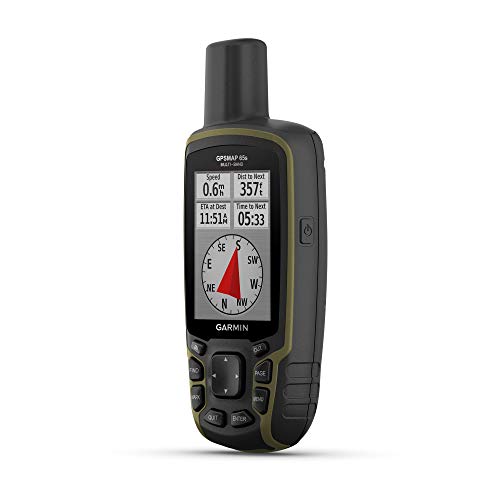
Garmin GPSMAP 65s suits you better for serious map reading and route work, especially when you want a more navigation-first handheld.
The eTrex 32x is the familiar kind of handheld that feels made for regular field use, not gadget chasing. Its rugged build suits muddy packs, truck consoles, and pocket carry between blinds, and that straightforward style is part of the appeal.
You may find it especially comfortable during day hunts where you want a dependable navigator without extra layers of setup. Compared with the Spot X, it gives you a more traditional GPS experience and a simpler mental load once you’re out in the field.
Best Bits
- Rugged housing fits rough outdoor handling.
- The layout should feel familiar to many handheld GPS users.
- Good for marking spots and moving between waypoints.
- Its no-nonsense design keeps field use straightforward.
Minor Gripes
- It stays more traditional than feature packed.
- Menu comfort can depend on how much GPS experience you already have.
- The rugged shell is useful, but it still deserves a protective carry routine.
Core Details
Who It Suits Best
This fits you well for everyday hunting trips, property checks, and anyone who wants a straightforward handheld with a tough exterior.
Another Choice May Suit
Garmin GPSMAP 65s is the better fit for you if you want deeper satellite support and a more advanced navigation setup.
Battery life is the headline here, and that matters more than it sounds on a multi-day hunt or a late-season scouting trip. A 2.2-inch display keeps the body compact, while Bluetooth pairing and Garmin Explore support make route management easier once you’re back in range of your phone.
The IPX7 water-resistance rating means it’s built to handle brief exposure to water, which is reassuring in wet timber or sloppy weather. Compared with the eTrex 32x, this one looks more modern and stretches harder on endurance, though the smaller screen can feel tight for long map sessions.
Highlights
- Up to 168-hour battery life supports longer outings.
- Multi-GNSS support broadens satellite access in tricky terrain.
- Bluetooth pairing makes planning and syncing more convenient.
- The compact body packs neatly for long carries.
- IPX7 resistance adds confidence in damp conditions.
Areas To Watch
- The 2.2-inch display is small for extended on-screen map reading.
- Smaller controls can feel less roomy with heavy gloves.
- Its strength is endurance, not a large viewing area.
Feature Rundown
Built With In Mind
You’ll appreciate this most on long hunts, scouting runs, and camping trips where battery endurance matters more than a large display.
Swap It Out When
Garmin GPSMAP 65s suits you better if you want a larger-feeling navigation setup with more advanced field features.
The GPS 73 keeps things stripped down in a way that can be refreshing. Its 2.6-inch display is modest, but the overall shape makes sense for hunters who want a simple unit that doesn’t feel bulky in a vest pocket or pack sleeve.
That smaller footprint suits quick trips, backup carry, and straightforward wayfinding better than deep planning sessions. Compared with the eTrex SE, you give up some modern convenience, but you gain a very plain, easy-to-grab handheld layout.
Positives
- Compact size is easy to carry all day.
- The 2.6-inch screen keeps the body trim.
- Good as a backup unit for field trips.
- Straightforward form factor helps keep packing simple.
Points To Note
- The smaller display is less comfortable for long route study.
- It feels better suited to basic navigation than richer map work.
- Glove use can be more dependent on button feel than screen space.
At A Glance
Who Should Grab It
You’ll like this most for quick hunts, backup navigation, and compact carry where a larger display would be more than you need.
Reach For A Different Pick When
Garmin eTrex SE fits you better if longer battery life and Bluetooth syncing matter more than minimal size.
This is the most feature-dense navigation pick in the group, and that shows up in the way it blends buttons, an altimeter, and compass support into a more serious field tool. Multi-band technology, meaning it can draw from more than one satellite frequency, gives you a stronger case for difficult terrain and tree cover.
For mountain hunts or route-heavy scouting, that extra depth can be worth it. Compared with the eTrex 32x and GPS 73, you get a more advanced toolkit, but you also take on a more involved handheld that rewards familiarity.
Reasons To Buy
- Multi-band support helps in tougher navigation conditions.
- Altimeter and compass add useful field context.
- Button controls suit cold or gloved use.
- The 2.6-inch color display balances detail and carry size.
- Expanded satellite support broadens positioning options.
Softer Spots
- More features usually mean a longer learning curve.
- The button-led layout rewards a little setup time.
- For casual trips, some of the extra depth may be more than you need.
Quick Facts
Whose Shelf It Belongs On
You’ll get the most value from this on demanding hunts, mountain routes, and backcountry scouting where extra navigation depth earns its keep.
Where A Sibling Pick Shines
Garmin GPS 73 suits you better if you want a simpler, more compact handheld with fewer layers to learn.
The BackTrack Mini is built around a simple promise, help you find your way back when your phone battery dies or coverage disappears. That makes it a sensible backup for hunters, backpackers, and anyone who likes recording waypoints without carrying a larger navigator.
Glove-friendly buttons, a readable display, and Bluetooth syncing to the Bushnell Connect app keep it practical rather than fancy. Compared with the Garmin GPSMAP 65s, it’s much more streamlined, which is nice in a pack, though it won’t satisfy someone who wants a full-feature navigation brain.
Upsides
- Trip capture helps you retrace a route with less guesswork.
- Up to 35 hours of battery life supports longer outings.
- Waterproof construction suits wet trail work.
- Bluetooth syncing lets you store or share trip data through the app.
- Large buttons are easier to use with gloves.
Worth Noting
- It leans toward backtrack help rather than advanced mapping.
- App syncing adds one more step to your routine.
- The compact build is handy, but it still deserves a dry storage spot after wet trips.
Details At A Glance
Perfect Match For
You’ll like this best for day hunts, backpacking, and backup navigation where simple backtracking matters more than deep mapping.
Look Elsewhere When
Garmin eTrex SE suits you better if longer battery life and broader satellite support are higher priorities.
The GPSMAP 79s takes a marine-first approach, which sounds unusual for hunting until you think about wet weather, rough carry, and gear that needs to shrug off abuse. It floats in water, and that detail alone gives it a different kind of security than the lighter handhelds earlier in the list.
For marsh edges, river crossings, or boat-to-shore trips, that ruggedness can be the whole story. Compared with the Bushnell BackTrack Mini, this one offers a sturdier, more general-purpose body, though the marine orientation makes it less obviously tuned to simple trail use.
Bright Spots
- Floats in water, which helps in wet environments.
- Worldwide basemap support broadens general navigation usefulness.
- Rugged build suits rough field carry.
- Good choice for water-adjacent hunting zones.
Small Caveats
- Marine styling may feel broader than you need for plain woods use.
- The rugged shell is useful, but it can feel bulkier than simpler handhelds.
Technical Sheet
Built With In Mind
You’ll get the most from this around water, rough weather, and mixed-use trips where a tougher handheld makes sense.
Not Your Match When
Garmin GPSMAP 65s is the better fit if you want more advanced satellite support for land-focused navigation.
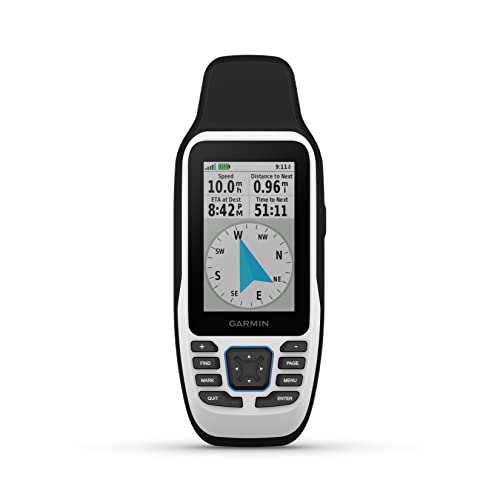
This BEVA unit sits apart from the rest of the list because it’s built for land measurement work, not just general navigation. GPS and GLONASS support, which means it can draw from two satellite systems, help it aim for more stable positioning across slopes, open fields, and uneven ground.
That makes it better suited to property work, field layout, and terrain calculations than a typical hunting walkabout. Compared with the Garmin GPS 73, it feels more specialized, so you’ll want it for measurement tasks rather than pure waypoint travel.
Best Bits
- GPS and GLONASS support widen satellite access.
- Built for area measurement, not just point-to-point travel.
- Reported 1 to 2 percent area error gives a useful reference for field work.
- Works across mountainous, sloped, and flat land.
Honest Caveats
- It is more specialized than the other handhelds here.
- The measuring focus makes it less natural for casual hunting navigation.
- Field accuracy still depends on terrain and proper use.
Spec Overview
Right Fit For
You’ll get the most from this for land measurement, terrain checking, and field layout work that goes beyond standard hunting navigation.
Where Shoppers Go Wrong
Garmin eTrex 32x is the better match if you need a more conventional handheld for everyday navigation in the woods.
How To Choose The Right Handheld Gps For Hunting
Match The GPS To Your Terrain
Open country, thick timber, marsh edges, and mountain draws all ask for different strengths. A unit with multi-band or expanded satellite support matters more in broken terrain and heavy tree cover, while a simpler handheld can be enough for open ground and short routes.
Screen size matters too, especially during longer map checks. A larger display gives you more room for detail, while a small one keeps the device easier to carry and quieter in a pocket or chest rig.
Decide How Much Navigation Depth You Need
Some handhelds are built for marking spots and getting you back out cleanly, while others add altimeters, compasses, or app syncing. Altimeters measure elevation, and compasses give direction even when you are standing still, so both can help on layered terrain.
That extra depth comes with a trade-off, though, because more features usually mean more buttons, more menus, and more setup time. Hunters who want fast, direct use often prefer a simpler device, while route planners and backcountry scouts tend to welcome the added controls.
Think About Power, Durability, And Carry
Battery life becomes more important the farther you get from the truck. A device that lasts through long sits or multi-day scouting saves you from carrying a charging plan that feels like a second pack item.
Durability is just as important. Rugged shells, water resistance, glove-friendly buttons, and compact housings all help in real field use, but a tougher body can also add bulk.
Choose For The Way You Actually Hunt
You need a GPS that matches your routine, not just the spec sheet. For short walks, a compact unit may be enough, while remote trips benefit from messaging, stronger satellite support, or better endurance.
For hunters who also hike, boat, or survey land, a more specialized unit can make sense. The right call usually comes down to how far you travel, how much navigation confidence you want, and how much weight you’re willing to carry.
A Quick Reality Check
Common Shopping Slip Ups
A lot of people focus on the screen first and forget the signal path, battery life, or button layout. That can leave you with a device that looks useful on paper but feels awkward in cold weather or dense cover.
Another common miss is choosing a hunting GPS that’s more feature heavy than your trips need. A simpler handheld often serves better for quick weekend use, especially when you’d rather mark a track than learn a dense menu system.
The Case For Spending Up
Higher-tier handhelds usually cost more because they add stronger satellite support, better navigation tools, sturdier housing, and longer battery endurance. Those upgrades matter most in mountains, deep woods, or wet ground where basic positioning can feel thin.
Spending more can also make sense for hunters who want altimeters, compasses, or satellite messaging in one unit. That extra layer pays off when your trips get longer, farther, or less forgiving.
Closing Thoughts
The right handheld GPS for hunting depends on how far you roam and how much support you want once you leave cell range. For simple woods use, a compact unit can be enough, while remote trips call for stronger satellite support, longer battery life, or messaging. The best match is the one that fits your terrain, your pack space, and the way you already move through the field.